
TL;DR:
- Chicago buyers face pressure to waive inspections but should consider information-only or contingency options.
- Pre-offer inspections help buyers assess risks early and make confident, competitive offers.
- Waiving inspection rights increases responsibility for unseen repairs and legal disclosures remain mandatory.
Buying a home in Chicago right now means facing a brutal reality: sellers in hot neighborhoods are fielding multiple offers within days, and some listing agents are openly encouraging buyers to skip the inspection to win the deal. That pressure is real, and we understand it completely. But waiving your inspection rights is one of the riskiest financial moves you can make, whether you’re buying a two-flat in Logan Square or a vintage condo in Lincoln Park. The good news is that you don’t have to choose between winning the home and protecting yourself. This guide walks you through exactly how to stay competitive and keep your inspection.
Table of Contents
- Understand your inspection options in Chicago contracts
- Strategize before you offer: Gain leverage with pre-inspection tactics
- Craft your offer: Balancing competitiveness and protection
- Know the risks: Inspection waivers and legal obligations in Illinois
- Condo caveats: Navigating inspections with associations and shared spaces
- The uncomfortable truth about inspections in Chicago bidding wars
- Get expert help to win in Chicago’s market without risky waivers
- Frequently asked questions
Key Takeaways
| Point | Details |
|---|---|
| Inspection rights matter | You don’t have to fully waive inspections to compete and win in Chicago’s housing market. |
| Strategic offers work | Pre-offer inspections and clear contract language can help you stand out safely. |
| Know your risks | Completely waiving inspection exposes you to costly surprises and liability in Illinois. |
| Condos need extra review | Always analyze HOA health and reserves before committing to a condo purchase. |
Understand your inspection options in Chicago contracts
Before you can make smart decisions, you need to know what your actual choices are inside a standard Chicago contract. Most buyers think it’s binary: either you get an inspection or you don’t. In reality, the Chicago Association of REALTORS® standard contracts include an As-Is Rider and Inspection Contingency Rider with three distinct options: waive inspection entirely, inspect but make no repair requests, or use a standard inspection contingency and request repairs. That middle option is where smart buyers live.
Understanding these three paths is the foundation of every competitive strategy in this guide. Here’s how they compare:
| Option | Seller appeal | Buyer risk | Best for |
|---|---|---|---|
| Waive inspection entirely | Very high | Very high | Rarely advisable |
| Inspect, no repair requests | High | Moderate | Competitive markets |
| Standard contingency with repairs | Moderate | Low | Balanced situations |
Each choice comes with a different risk profile and a different level of seller appeal. When sellers see a full waiver, they feel maximum certainty because there’s no chance of post-inspection renegotiation. But “inspect for information only” is almost as clean from a seller’s perspective, because you’ve agreed upfront that you won’t come back asking them to fix the roof or the HVAC system.
Here’s what each option actually means for you in practice:
- Full waiver: You close without any professional assessment of the home’s condition. Any repair costs after closing are 100% on you, no matter what you find.
- Information-only inspection: You hire a licensed inspector, get a full report, and use that information to decide whether to proceed. You cannot use findings to ask for credits or repairs.
- Standard contingency: You inspect, review the results, and retain the right to request repairs, credits, or to walk away within a defined window.
If you want a deeper look at when waiving is actually justifiable, review this analysis on Chicago home inspection guide is the place to start building your knowledge base.
Strategize before you offer: Gain leverage with pre-inspection tactics
After understanding your contractual options, the next step is to use strategy before you even submit an offer. Most buyers wait until they’re under contract to schedule an inspector. In a competitive market, that timing puts you at a serious disadvantage because you’re negotiating blind and your contingency period creates uncertainty for the seller.
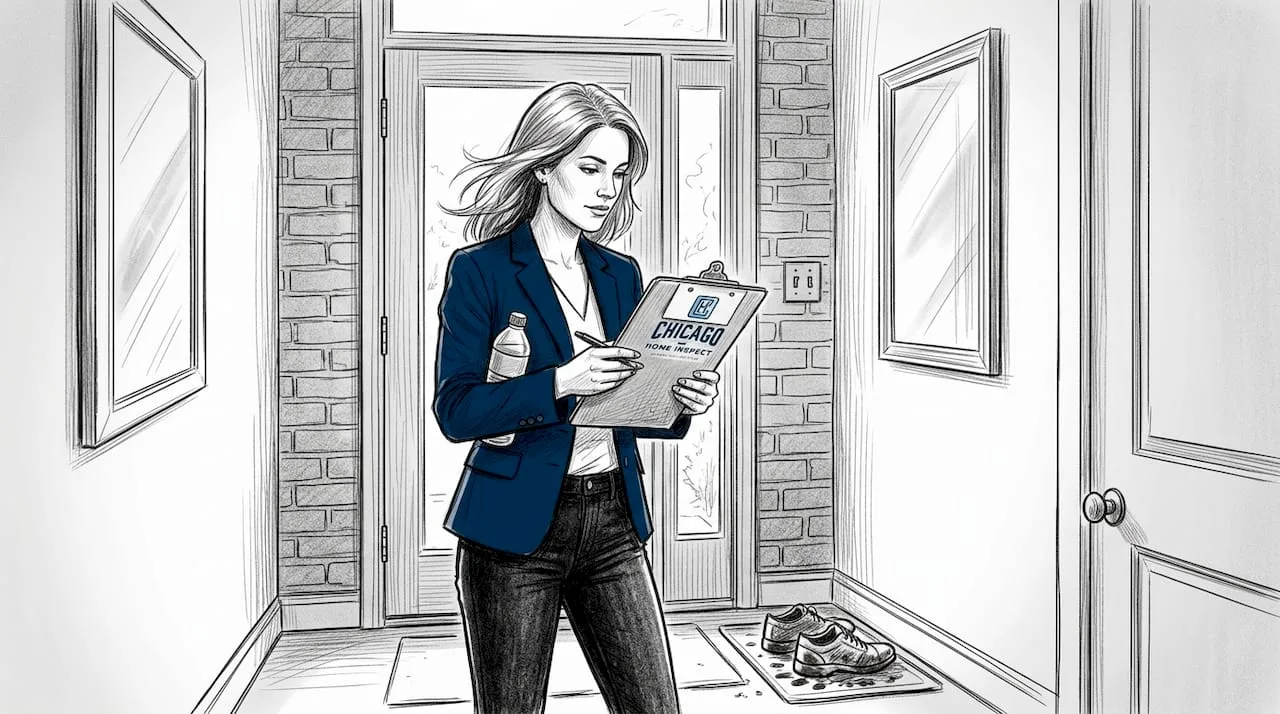
The smarter move is a pre-offer inspection. Buyers can do pre-offer inspections for information only, assessing risks before submitting non-repair contingent offers. This means you tour the property, bring in a licensed inspector within 24 to 48 hours, and use that report to price your offer accurately and decide whether the home is worth pursuing at all.
Here’s how the pre-offer inspection sequence should work:
- Attend the showing and note red flags. Look at the age of mechanical systems, visible water staining, foundation cracks, and the overall condition of the roof from street level.
- Request a pre-offer inspection immediately. Ask your agent to reach out to the listing agent the same day. Many sellers welcome this because it signals serious intent.
- Get your inspector on-site within 48 hours. In a hot market, speed is everything. Choose an inspector with weekend availability so you’re not waiting until Monday.
- Review the report and set your walk-away number. Price any major repairs into your offer or decide the risk is too high before you’ve committed emotionally or financially.
- Submit an offer with an information-only rider. You’ve done your homework. You know what you’re buying, and you can make a clean, confident offer.
Understanding the unique aspects of Chicago inspections matters here because Chicago’s building stock is older than most American cities. Knob-and-tube wiring, failing tuckpointing on brick exteriors, outdated galvanized plumbing, and aging boiler systems are all things a pre-offer inspection should flag before you’re locked into a deal.
Also use the seller’s disclosure form strategically. Illinois requires sellers to complete a Residential Real Property Disclosure Report. Ask your agent to get this document before you schedule your pre-offer inspection so your inspector knows which areas to examine most carefully.
Pro Tip: Ask your agent whether the seller has already done a pre-listing inspection. If a report exists, request a copy. You still need your own inspector’s eyes on the property, but knowing what the seller already found can save you time and help you ask sharper questions.
The advantages of pre-purchase inspections go beyond competitive positioning. They also reduce buyer’s remorse and make it far easier to secure financing because you’re not surprised by major defects after the appraisal comes in.
Craft your offer: Balancing competitiveness and protection
Having prepped with information and used pre-offer tactics, you’re ready to put together an offer that balances competition and safety. This is where buyers make the most critical errors, either over-protecting by keeping a full standard contingency in a seller’s market, or over-exposing by waiving everything to appear decisive.

The data tells a striking story. You have more room than you think.
From the seller’s side, sellers prefer a “no repair request” position over a full contingency because it removes post-inspection negotiation risk while still allowing buyer due diligence. That’s a meaningful insight. Many sellers would actually rather you inspect and agree not to ask for repairs, than simply promise not to inspect at all, because they know the latter creates legal exposure for everyone.
Here’s how to structure your offer for maximum appeal without maximum risk:
- Use the information-only rider in writing. Don’t leave it verbal. Your agent should attach the appropriate contract rider specifying that you will inspect for informational purposes only.
- Set a short inspection window. A standard contingency might allow 5 to 10 days. For a competitive offer, propose completing your inspection within 2 to 3 business days.
- Include a dollar threshold if your agent advises it. Some buyers agree to waive repair requests for anything under a set dollar amount, such as $5,000, while retaining the right to negotiate for larger issues.
- Lead with price and terms. Your inspection approach matters, but sellers also respond to clean offers with strong earnest money and flexible closing timelines.
“The goal is not to appear fearless. The goal is to appear prepared.” A buyer who shows up with a pre-offer inspection report, a clean contract, and no ambiguity is far more appealing than one who waves everything away on paper but looks disorganized in execution.
For buyers who want to understand what’s actually on the line before they commit, the details around pre-purchase inspection services explain exactly how our process works in competitive Chicago scenarios.
Know the risks: Inspection waivers and legal obligations in Illinois
With your offer in place, it’s crucial to understand the pitfalls and obligations connected to waiving inspection rights. This section is not meant to scare you. It’s meant to make sure you’re making an informed decision with your eyes wide open.
When you waive your inspection, the buyer assumes all repair costs and the seller is still required to disclose known defects under Illinois law. That second point surprises a lot of buyers. Waiving inspection does not release the seller from their legal disclosure obligations, and it does not protect a seller who knowingly concealed problems.
Here’s what full or partial waiver actually means for you:
- You own every surprise repair from day one. Furnace failure in the first Chicago winter? That’s your bill. Flooding in the basement after a heavy rain? Also yours.
- You cannot renegotiate price after closing based on condition. Whatever you paid is what you paid.
- You may have difficulty getting homeowner’s insurance if an undetected issue, like knob-and-tube wiring or a deteriorating roof, surfaces during the underwriting process.
- You lose your walkaway protection. Without a contingency, backing out of the deal typically means forfeiting your earnest money deposit.
The most common costly surprises Chicago buyers face after skipping inspections include:
- Failing flat roofs on Chicago two-flats and graystones, where replacement can run $15,000 or more
- Galvanized steel plumbing that corrodes from the inside and restricts water flow
- Aging electrical panels that fail to meet modern load requirements
- Cracked masonry and foundation issues that worsen quickly through Chicago’s freeze-thaw cycles
- Hidden mold in basement and attic spaces that wasn’t visible during showings
Understanding what Chicago sellers are legally required to tell you is critical, and our guide to Chicago seller disclosures breaks down exactly what to look for and what might be missing. And if you’re wondering what options exist after you’ve already inspected, the overview of your rights after an inspection is essential reading for Chicago buyers navigating that decision point.
Condo caveats: Navigating inspections with associations and shared spaces
Special rules apply if you’re buying a condo or townhome rather than a standalone house. In condo sales, the unit inspection is only half the picture. In some competitive situations, buyers waive the unit inspection but should always, without exception, review the HOA financials and reserves to avoid surprise special assessments.
A special assessment is when the condo association charges all unit owners a lump sum to cover a major shared expense, such as a roof replacement, elevator repair, or tuckpointing of the building exterior. These can range from a few hundred dollars to tens of thousands per unit, and they can be levied at any time after you close.
Here’s what to review before buying any Chicago condo:
- Reserve fund balance. Is there enough money set aside to handle major repairs without a special assessment?
- Reserve study. Has the association had a professional evaluate the long-term capital needs of the building?
- Meeting minutes from the past two years. These often reveal upcoming repairs, board disputes, or financial concerns that won’t appear in the official financials.
- Pending litigation. Any active lawsuits involving the association are a serious red flag.
- Delinquency rate among unit owners. A high percentage of unpaid dues weakens the association’s financial position.
For the unit itself, a physical inspection through a professional remains highly valuable because Chicago condos in older buildings often have issues specific to converted multi-unit structures. Understanding home inspections in condos can help you decide whether to include a unit inspection even when waiving repair contingencies.
Pro Tip: Ask the listing agent directly whether any special assessments have been levied in the past three years or are currently under discussion. Sellers are required to disclose known assessments, but buyers who ask pointed questions tend to get more complete answers.
The uncomfortable truth about inspections in Chicago bidding wars
Here’s what nobody in the transaction wants to say out loud: the pressure to waive inspection is often manufactured. Listing agents representing sellers will sometimes imply that all competing buyers are waiving inspection, when in fact most are simply limiting their inspection rights rather than eliminating them entirely.
We’ve worked with buyers who lost sleep over being told they had to go “waiver or nothing” to win a home, only to discover after closing that the winning offer in a similar situation just used an information-only rider. The distinction sounds small on paper. In practice, it’s the difference between knowing exactly what you bought and hoping for the best.
The buyers who regret their decisions most are those who waived everything under pressure, bought without any pre-purchase inspection insight, and then faced significant repair bills within the first year of ownership. The information-only strategy, where you inspect, learn, and still offer clean terms, is the real competitive advantage that experienced Chicago buyers have figured out. It’s not about being fearless. It’s about being smart enough to know what you’re stepping into before you sign.
Get expert help to win in Chicago’s market without risky waivers
Ready to take the next step with confidence? Local expertise makes a difference when every detail counts. At Chicago Home Inspector, we’re InterNACHI Certified, BBB Accredited, and licensed and insured to serve buyers and sellers throughout Chicago and the suburbs, including weekend appointments to keep your timeline tight. Browse interior inspection photos to understand the level of detail we bring to every property. Download a sample inspection report to see exactly what you’ll receive. When you’re ready to move fast in a competitive market, schedule your inspection online and we’ll get you on the calendar quickly.
Frequently asked questions
Is it common to waive the home inspection in Chicago?
Can I still ask for repairs if I keep the inspection contingency?
Yes, unless you specify “information only” or “no repair requests” in your contract. The standard Chicago contract options allow you to inspect and still negotiate repairs unless you’ve agreed otherwise in writing.
What’s the risk if I waive the inspection completely?
You become responsible for all unseen repair costs after closing, and under Illinois law, the seller must still disclose known defects regardless of whether you waived the inspection.
Can I do a pre-offer inspection to ease the seller’s concerns?
Absolutely. Pre-offer inspections for information only let you assess the property’s condition before submitting a clean, non-repair-contingent offer, which is appealing to sellers without sacrificing your due diligence.
How do I protect myself when buying a condo?
Always review the condo association’s financials, reserve fund balance, and meeting minutes carefully because HOA financial health can be just as consequential as the unit’s physical condition when it comes to unexpected costs.
Recommended
- How to Book a Home Inspection Online in Chicago | Chicago Home Inspect LLC
- What Makes Chicago Home Inspections Unique – A Comprehensive Guide
- Pre-Listing Inspections by Trusted Home Inspectors in Chicago
- Home Inspection Blog – Chicago Home Inspect LLC
- Avoiding Common Home Appraisal Mistakes | NJ Appraiser Tips – NJREAG