

Early to mid fall is one of the strongest windows for buying a home in Chicagoland, and once your offer is accepted, the inspection clock starts running immediately. We see this every year: buyers who move fast on scheduling get better information, more negotiating room, and a cleaner path to closing before winter weather complicates testing.
If you’re under contract right now, here’s what to do first:
- Confirm your preapproval is current. Lenders sometimes need updated documentation as fall closings approach.
- Book a licensed inspector immediately, ideally within a day or two of acceptance. Look for InterNACHI-certified credentials and a verifiable local track record, similar to what you’d find on a BBB business profile.
- Decide on add-ons early. Older homes and multi-unit buildings usually warrant radon and sewer-scope testing, and both need to be scheduled within your contingency window, not after it.
Table of Contents
- Why Fall Home Buying in Chicagoland Favors Prepared Buyers
- How Long Do You Have to Schedule an Inspection?
- What Do Inspectors Check Differently in Fall?
- Which Add-On Tests Matter Most This Fall?
- What Can’t Be Fully Tested in Cold Weather?
- How Should You Negotiate After a Fall Inspection?
- Your Fall Inspection Checklist From Offer to Close
- How Do You Judge Heating System Performance During a Fall Inspection?
- Does Fall Timing Change How Appraisals Work?
- How Does Fall Weather Affect Exterior and Landscaping Inspections?
- Our Perspective: Handling Fall Inspections Across Chicago Neighborhoods
- How Chicago Home Inspect LLC Supports Your Fall Purchase
- Frequently Asked Questions
- Sources
Why Fall Home Buying in Chicagoland Favors Prepared Buyers
Fewer buyers are actively shopping once school starts and holiday planning takes over, which means less competition for the homes still on the market. Sellers who listed in spring or summer and didn’t get an offer often become genuinely motivated by October, sometimes for tax reasons or a desire to close before year-end.
That motivation shifts leverage. A seller facing a slow fall market is more likely to accept an inspection-related credit or repair request than one juggling five offers in June.
Realtor.com data cited by Investopedia points to mid-September through mid-October as a high-opportunity buying window in Chicago specifically, tied to easing competition even as reasonable inventory remains on the market.
Here’s the tradeoff to weigh:
- Inventory shrinks as fall progresses, so your choices narrow, especially in popular neighborhoods.
- Negotiating power grows, particularly on inspection findings, since sellers want deals to stick.
- Your priority should drive the decision. If you need a specific school district or block, don’t wait for maximum leverage. If flexibility matters more than location, fall rewards patience.
Local commentary on Illinois holiday-season buying backs this up: buyers who are pre-approved and ready to move quickly capture the best fall opportunities, while those who hesitate often lose them to someone else.
How Long Do You Have to Schedule an Inspection?
Most Chicagoland purchase contracts give buyers somewhere between five and ten business days for the inspection contingency, though your specific contract governs. That’s a tight window once you add specialty testing, so plan backward from day one.
- Day 1 to 2: Book your general home inspection and any add-ons (radon, sewer scope) in the same call. Inspectors booking both together can often coordinate a single visit.
- Day 2 to 3: The general inspection happens, along with a sewer-line camera scope, which is typically completed same-day or the next business day.
- Day 3 to 6: Short-term radon testing runs for 48 hours minimum, so factor that into your timeline before results come back.
- Day 5 to 8: Once you have findings, get contractor bids on anything significant. Estimates in hand strengthen any repair or credit request.
- Day 7 to 10: Submit your inspection response and negotiate before the contingency deadline closes.
If you’re aiming for a year-end closing, work backward from your target date and build in a buffer. Contractors get busy in November and December, and a rushed estimate is a weak estimate.
What Do Inspectors Check Differently in Fall?
Fall inspections catch things summer inspections miss, and they miss things winter inspections can’t avoid. Falling leaves clog gutters and hide roof damage, so a thorough inspector will check flashing and drainage points even when debris is piled up, not just glance at the surface.
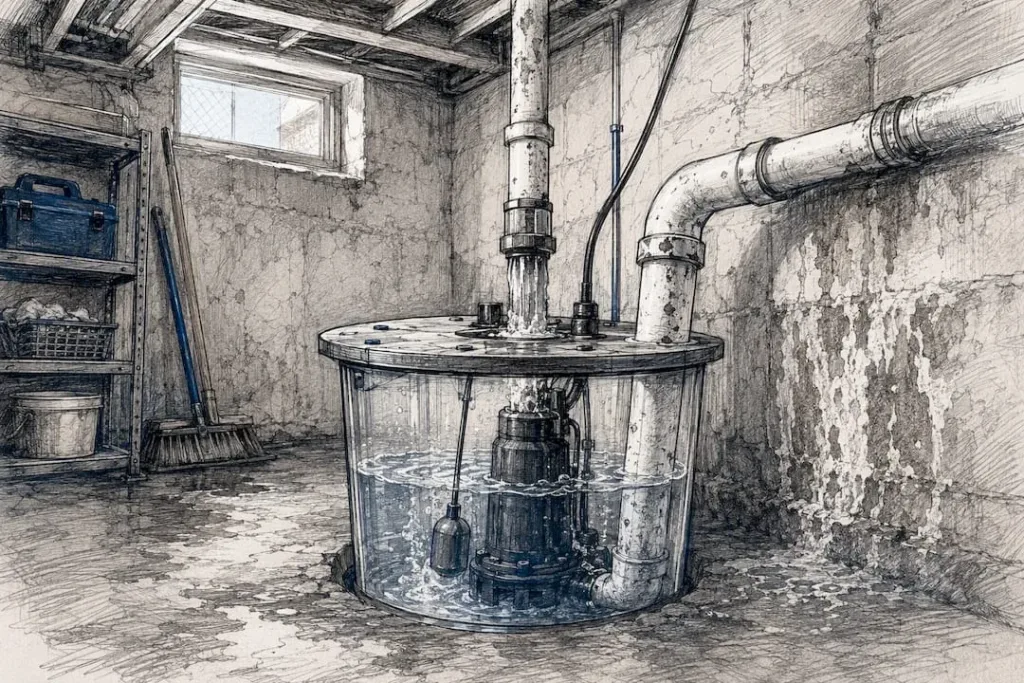
Basements deserve extra attention after fall rains. We look for water staining, efflorescence on foundation walls, and confirm the sump pump actually cycles rather than just sits there. On Chicago’s Northwest Side, where many bungalows have aging foundations, this step catches problems before winter freeze makes them worse.
HVAC systems get a winter-readiness check: does the furnace ignite cleanly, does a boiler hold pressure, and are there signs of neglect from a summer of disuse. Older two-flats in neighborhoods like Logan Square sometimes still carry legacy wiring that needs documentation even when it’s technically functioning.
Masonry is its own category in Chicago. Graystones in Lincoln Park and brick bungalows across the city are vulnerable to freeze-thaw cycling, where water gets into small cracks and expands as temperatures swing. Fall inspections often catch this cycle mid-progress, which gives you a clearer read on urgency than a bone-dry August inspection would.
- Roof and gutter debris masking flashing or shingle damage
- Basement moisture and sump pump function after fall rains
- Furnace and boiler operational readiness
- Masonry and tuckpointing condition on older brick and stone homes
Pro Tip: Ask your inspector to photograph any masonry cracking with a coin or ruler for scale. That reference makes it much easier for a mason to quote repair costs later without a second site visit.
Which Add-On Tests Matter Most This Fall?
Radon testing tops the list for Illinois buyers regardless of season, since it’s a naturally occurring gas that varies by soil composition rather than weather. Short-term tests run 48 hours to a week and fit inside most contingency windows without issue.
Sewer-line camera inspections matter more in Chicagoland than in newer markets because so much of the housing stock still relies on aging clay or cast-iron laterals. Local inspection guides flag root intrusion and pipe collapse as recurring issues in older neighborhoods, and scoping the line before the ground freezes gives contractors a clean shot at repairs if something turns up.
- Radon: short-term test during the contingency period; retest after major renovations
- Sewer scope: especially valuable on homes over 40 years old or near mature trees
- Mold or moisture testing: warranted when the inspector flags staining, odor, or a documented leak history
- Chimney inspection: worth a specialist visit if the general inspector notes cracking or missing mortar
What Can’t Be Fully Tested in Cold Weather?
Some systems simply can’t be evaluated once temperatures drop, and a fall buyer needs to know this going in rather than discovering it after closing.
- Central air conditioning typically can’t run safely below about 60 degrees, so late fall inspections often can’t confirm cooling performance.
- Roof condition gets harder to judge once leaves or early snow cover the surface.
- Drainage and grading issues can be masked by frozen ground that hides soft spots or standing water patterns.
A good inspection report states these limitations plainly rather than glossing over them, as guides on Chicago inspection practices recommend. Ask your contract to include re-inspection language covering anything that couldn’t be tested due to weather.
Pro Tip: If your inspector can’t test the AC, ask the seller for the most recent service record instead. It won’t replace a live test, but it tells you whether the system’s been maintained.
Schedule a post-winter re-check for spring once temperatures allow full testing, and frame any repair request around documented limitations rather than assumptions.
How Should You Negotiate After a Fall Inspection?
Your leverage depends on what the report actually shows and how well you can back it up.
- Match the remedy to the problem. Minor items usually get a credit; major mechanical or structural findings often justify an actual repair before closing.
- Get contractor bids fast. A written estimate from a licensed contractor, gathered within your contingency window, carries far more weight than “we think this will cost around $X.”
- Present findings clearly. Attach the inspection report pages and bids together when you submit your repair or credit request.
- Know your walk-away triggers. Active roof leaks, foundation movement, knob-and-tube wiring still in use, or sewer line collapse are the kinds of findings that justify terminating the contract rather than negotiating around them.
Motivated fall sellers often settle quickly rather than risk losing a buyer heading into the holidays, so a well-documented request tends to move faster this time of year than in spring’s competitive market.
Your Fall Inspection Checklist From Offer to Close
- Reconfirm financing and preapproval status the same day your offer is accepted.
- Book your general inspection plus radon and sewer scope in one call.
- Attend the inspection if possible, and bring a phone to photograph anything flagged.
- Request contractor bids on significant items within 48 hours of receiving the report.
- Submit your negotiation request, referencing our Pre-Closing Inspection Checklist for Chicago Homebuyers | Chicago Home Inspect LLC.
- Schedule any needed post-winter re-checks before closing paperwork is finalized.
For a deeper look at recurring local issues, our breakdown of common defects Chicago inspectors find covers what tends to show up in older housing stock specifically.
How Do You Judge Heating System Performance During a Fall Inspection?
Fall is actually the best time all year to evaluate a heating system, because it’s cold enough to run the furnace or boiler through a real cycle without the summer gap that hides problems. An inspector who fires up the system in October gets a much more honest read than one working in July, when a broken furnace can sit quietly undetected for months.
A thorough check goes beyond “does it turn on.” We look at ignition quality, whether the heat exchanger shows cracking or corrosion, how the thermostat responds, and whether the distribution system, ductwork or radiators, delivers heat evenly across the home. In older two-flats and graystones, uneven heat between floors often points to a zoning issue or a boiler nearing the end of its service life rather than something cosmetic.
Carbon monoxide detectors and combustion venting get particular attention. Homes with older gas furnaces or boilers sometimes have venting that technically works but doesn’t meet current clearance standards, a common finding in Chicago’s older housing stock. Any inspector should flag this even if it’s not an immediate hazard, because it affects both safety and future resale.
If a furnace or boiler is nearing replacement age, factor that into your negotiation rather than waiting for it to fail mid-winter. A working system today doesn’t guarantee a working system in January, and getting a service record or age estimate during the inspection gives you leverage you won’t have once you own the place.
Does Fall Timing Change How Appraisals Work?
Appraisers pull comparable sales to establish value, and fall’s slower transaction pace can actually work in a buyer’s favor here. With fewer closed sales to draw from late in the year, appraisers sometimes lean on comps from the more active summer months, which can create a gap between a softening fall market and an appraisal anchored to stronger summer pricing.
That gap cuts both ways. If prices are cooling into fall, an appraisal based on summer comps might come in at or above your negotiated price, giving your lender confidence without complications. If you negotiated a strong discount from a motivated seller, though, an appraiser using older, higher comps might not fully reflect the deal you got, which is fine for financing but worth understanding going in.
Lenders also tend to see a seasonal dip in application volume during fall, which can mean faster turnaround on appraisal scheduling and underwriting compared to the spring rush. That’s a practical advantage if you’re trying to close before year-end: fewer bottlenecks in the pipeline means fewer surprises pushing your closing date.
One practical note: if your inspection turns up needed repairs and you negotiate a credit, make sure your lender confirms how that credit is handled in the appraisal and loan file. Some loan types cap seller credits as a percentage of purchase price, so a large negotiated credit could need restructuring as a price reduction instead.
How Does Fall Weather Affect Exterior and Landscaping Inspections?
Leaf cover is the biggest fall-specific challenge for exterior inspections, and it’s worth understanding what it hides rather than assuming it’s cosmetic. A yard blanketed in leaves can conceal drainage problems, cracked walkways, or grading issues that direct water toward a foundation instead of away from it.
Gutters clogged with leaves are the most common fall finding we encounter across Chicago neighborhoods, from frame homes in the suburbs to brick bungalows in the city. A clogged gutter doesn’t just overflow. It can send water down a fascia board or behind siding, creating rot that won’t show up until spring. A good inspector will check gutters even when they’re full, sometimes clearing a section to confirm proper flow.
Landscaping inspections in fall also reveal tree-related risks that summer’s full canopy hides. Branches overhanging a roof, root systems pushing against a foundation or sewer lateral, and dying trees near power lines all become more visible once leaves thin out. For homes near mature trees, this is exactly why a sewer-scope inspection pairs so well with a fall purchase timeline; root intrusion is a leading cause of lateral failure in older Chicagoland properties.
For buyers considering an older or historic property with heavy moss or algae buildup on exterior surfaces, a specialized cleaning service like Fresh Exteriors can address that buildup after closing, once the inspection has documented the underlying condition.
Our Perspective: Handling Fall Inspections Across Chicago Neighborhoods
We’ve inspected everything from Northwest Side bungalows to Logan Square two-flats to Lincoln Park graystones, and fall brings the same recurring issues: clogged gutters, freeze-thaw masonry stress, and furnaces that haven’t run since spring. We offer weekend availability specifically because fall contingency windows move fast, and we document any weather-related testing limits clearly, with a recommended re-check policy built into our reports. Browse our inspection photo galleries or schedule a visit before your window closes.
How Chicago Home Inspect LLC Supports Your Fall Purchase
Chicago Home Inspect LLC is the direct alternative to piecing together multiple vendors during a tight contingency window. We’re licensed, insured, InterNACHI certified, and BBB accredited, and we offer weekend scheduling specifically because fall buyers can’t always wait for a Tuesday afternoon slot.
We handle the general residential inspection alongside radon testing, sewer-line camera inspections, and mold testing in a single coordinated visit whenever possible, which matters when your contingency period is measured in days, not weeks. We serve Lake, McHenry, DuPage, and northern Cook Counties, and we book fall inspection slots quickly once contracts start moving.
If you’re under contract or expecting to be soon, schedule your inspection now so we can get you on the calendar before your window tightens.
Frequently Asked Questions
Is fall really the best time for home buying in Chicagoland?
Early to mid fall often gives buyers real leverage due to lighter competition and motivated sellers, though inventory does shrink as the season progresses. Weigh your priorities: leverage favors fall, but selection favors earlier months.
How soon after an accepted offer should I schedule the inspection?
Within a day or two, ideally the same day. Contingency periods typically run five to ten business days, and add-ons like radon testing need lead time to complete.
Can radon and sewer-scope testing happen during the same visit as the general inspection?
Often yes, when scheduled together in advance. Radon monitors need to run for a set period, usually 48 hours minimum, so results come a bit after the visit itself.
What if the furnace or AC can’t be fully tested due to weather?
A qualified inspector documents the limitation in the report rather than skipping it silently. Ask for re-inspection language in your contract covering anything untested due to temperature.
What repair issues justify walking away from a fall purchase?
Active structural movement, major roof failure, sewer line collapse, or unsafe wiring still in active use are the kinds of findings that typically justify contract termination rather than negotiation.
Sources
- Act Now in Chicago, But Wait in Miami? The Best Time to Buy a Home in Each Major US City
- Should You Buy a Home Before the Holidays in Illinois?
- Chicago Home Inspection Checklist — Complete Buyer’s Guide
- Home Inspection Chicago: A Buyer’s Guide – InspectandTest