
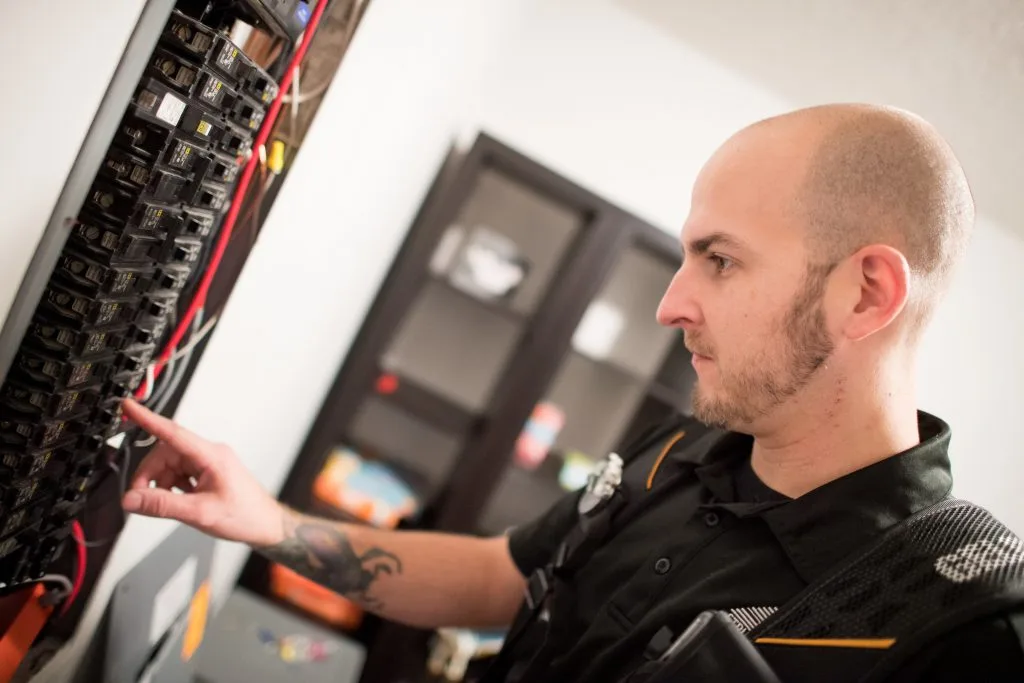
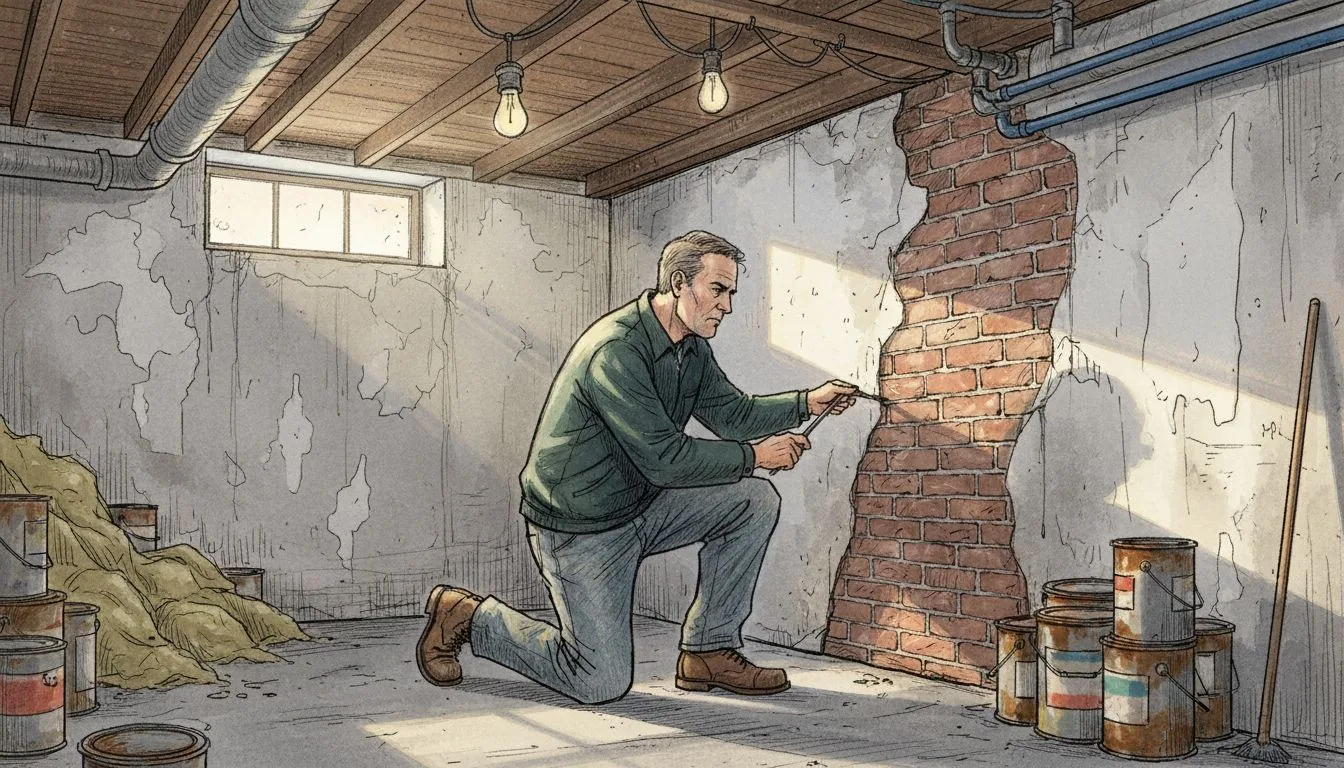
Buying an older home in Chicago can feel exciting and a little daunting. Many properties in neighborhoods like Lincoln Park and Wicker Park were built long before modern building codes, which means hidden structural or safety issues are common. A historic home inspection is not just about finding flaws but understanding preservation needs and real risks. This guide highlights how specialized inspections reveal concerns unique to Chicago’s vintage homes, helping buyers make informed, confident choices.
Table of Contents
- Defining Older Homes Chicago Inspection
- Types Of Inspections For Older Homes
- Identifying Common Issues And Red Flags
- Legal And Safety Risks In Chicago
- Critical Buyer Responsibilities And Costs
Defining Older Homes Chicago Inspection
In Chicago’s vibrant real estate landscape, understanding what constitutes an older home is crucial for potential buyers and homeowners. Generally, homes built before 1960 are considered older, with many neighborhoods like Lincoln Park and Wicker Park featuring stunning historic properties that require specialized inspection approaches.
A historic home inspection focuses on unique challenges specific to aging structures. Specialized inspectors examine historic properties to identify potential risks and preservation requirements. These examinations go beyond standard home inspections, addressing critical elements such as:
- Structural integrity of original foundations
- Electrical system compatibility with modern standards
- Potential hazardous material presence
- Unconventional construction techniques
- Historical architectural preservation considerations
Older Chicago homes often present complex inspection scenarios. Built with materials and methods no longer standard, these properties demand meticulous evaluation. Inspectors must balance safety assessments with respect for historical architectural characteristics, understanding that a century-old home in Bucktown requires different scrutiny than a newer construction.
Inspection Complexity Factors include the home’s age, original construction methods, previous renovations, and maintenance history. A thorough inspection helps buyers understand potential hidden issues and estimated repair or upgrade costs.
Pro tip: Always hire an inspector experienced specifically with historic Chicago properties to ensure comprehensive and accurate assessment of potential structural and systemic challenges.
Types Of Inspections For Older Homes
Owners of older Chicago homes need comprehensive inspections that go beyond standard property assessments. Specialized home inspections provide critical insights into the unique challenges presented by vintage properties across neighborhoods like Andersonville and Pilsen.
The most important inspection types for older homes include:
- Structural Inspection: Evaluates foundation stability, framing integrity, and potential settlement issues
- Electrical System Assessment: Checks outdated wiring, panel capacity, and safety compliance
- Plumbing Evaluation: Identifies potential lead pipes, corrosion, and potential system failures
- Roofing Inspection: Examines historical roofing materials and potential water damage risks
- Hazardous Material Screening: Tests for lead paint, asbestos, and other historical construction materials
Each inspection type addresses specific vulnerabilities common in homes built before modern building codes were established. Vintage Chicago homes often feature unique construction methods that require specialized knowledge and careful examination.
Comprehensive Inspection Approach means looking beyond surface-level assessments. Inspectors must understand the historical context of the home, including original construction techniques, previous renovations, and potential systemic risks that might not be immediately visible.
Pro tip: Request a detailed written report that provides not just current condition assessments, but also recommended preventative maintenance strategies specific to older home characteristics.
Here’s how key inspection types differ in focus and benefits for older Chicago homes:
| Inspection Type | Main Focus | Unique Benefit for Vintage Homes |
|---|---|---|
| Structural Inspection | Foundation and framing | Identifies settlement or shifting risks |
| Electrical Assessment | Wiring and safety standards | Detects outdated, hazardous components |
| Plumbing Evaluation | Pipes and system condition | Flags material-related health hazards |
| Roofing Inspection | Material and leak protection | Preserves architectural authenticity |
| Hazard Material Screening | Lead, asbestos, contaminants | Safeguards health and code compliance |
Identifying Common Issues And Red Flags
Older Chicago homes present unique challenges that require keen observation and expert assessment. Home inspection red flags can reveal potential costly problems that might escape an untrained eye, especially in historic neighborhoods like Logan Square and Bucktown.
Critical red flags for older homes include:
- Foundation Concerns: Visible cracks, uneven settling, or structural shifts
- Electrical System Warning Signs: Outdated knob-and-tube wiring, insufficient amperage, non-grounded outlets
- Plumbing Deterioration: Lead pipes, galvanized steel pipes, significant corrosion
- Moisture and Water Damage: Signs of past or ongoing water intrusion, mold growth, wood rot
- Hazardous Material Indicators: Potential asbestos in insulation, lead paint, toxic building materials
Chicago’s vintage homes often hide complex issues beneath seemingly charming exteriors. Structural integrity, electrical safety, and potential environmental hazards require thorough professional investigation. Inspectors must look beyond surface appearances to uncover potential problems that could translate into significant repair expenses.
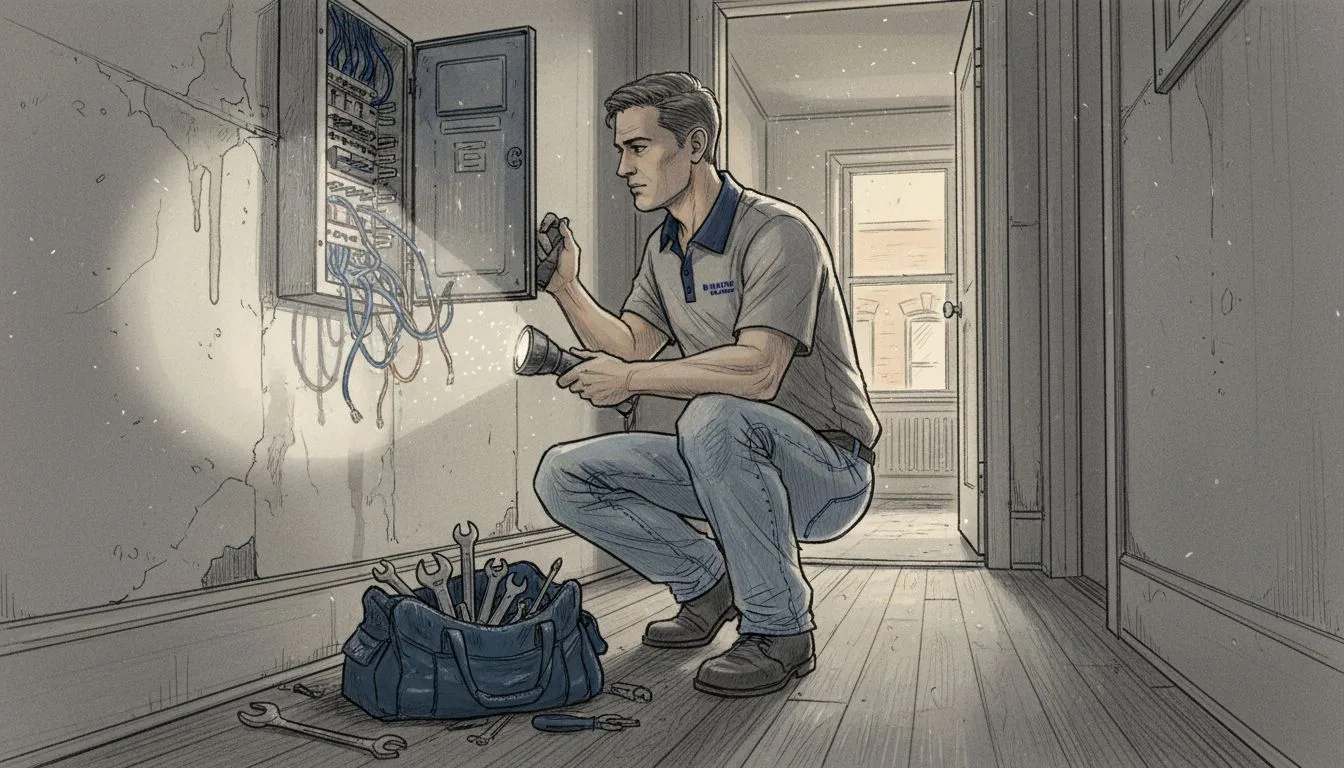
Inspection Complexity involves understanding the historical context of Chicago’s architectural evolution. Homes in neighborhoods like Wicker Park or Pilsen might feature unique construction methods that demand specialized knowledge and careful evaluation.
Pro tip: Request comprehensive thermal imaging and moisture detection during your inspection to reveal hidden structural and water-related issues that might not be visible during a standard visual assessment.
Legal And Safety Risks In Chicago
Older homes in Chicago present complex legal and safety challenges that extend far beyond aesthetic concerns. Chicago building code variations create significant potential liability for unsuspecting homeowners, particularly in historic neighborhoods like Lincoln Park and Wicker Park.
Key legal and safety risks for older Chicago homes include:
- Structural Non-Compliance: Potential violations of current building safety standards
- Electrical System Hazards: Outdated wiring that may not meet modern safety requirements
- Environmental Contamination: Potential presence of lead, asbestos, or other hazardous materials
- Fire Safety Limitations: Inadequate fire protection systems in vintage properties
- Insurance Complications: Increased difficulty obtaining comprehensive coverage
The legal landscape for older homes is particularly nuanced in Chicago. Property owners must navigate a complex web of historical construction practices, evolving municipal regulations, and potential safety risks. Vintage properties often require extensive upgrades to meet current safety standards, which can translate into significant financial investments.
Regulatory Complexity means that what was acceptable construction decades ago might now represent a serious legal and safety liability. Homeowners must be proactive in understanding the specific risks associated with their property’s age and original construction methods.
Pro tip: Consult with a specialized Chicago home inspector and a real estate attorney to fully understand the potential legal and safety implications before purchasing an older home in the city.
Critical Buyer Responsibilities And Costs
Purchasing an older Chicago home comes with significant financial considerations and buyer responsibilities that extend far beyond the initial purchase price. Housing studies reveal complex financial challenges for buyers of vintage properties, particularly in historic neighborhoods like Bucktown and Lincoln Park.
Critical responsibilities for potential buyers include:
- Comprehensive Inspection Investment: Budget for detailed professional home inspections
- Financial Preparation: Create a substantial repair and renovation contingency fund
- System Upgrade Planning: Anticipate potential electrical, plumbing, and structural updates
- Legal Compliance Costs: Budget for potential code compliance modifications
- Energy Efficiency Upgrades: Plan for potential insulation and utility system improvements
The financial landscape for older home purchases demands strategic planning and realistic expectations. Buyers must understand that vintage properties often require significant upfront and ongoing investments to maintain structural integrity, ensure safety, and meet modern living standards.
Cost Management Strategies involve developing a comprehensive understanding of potential expenses. This includes not just immediate repair costs, but long-term maintenance, potential code compliance updates, and energy efficiency improvements that can impact overall property value.
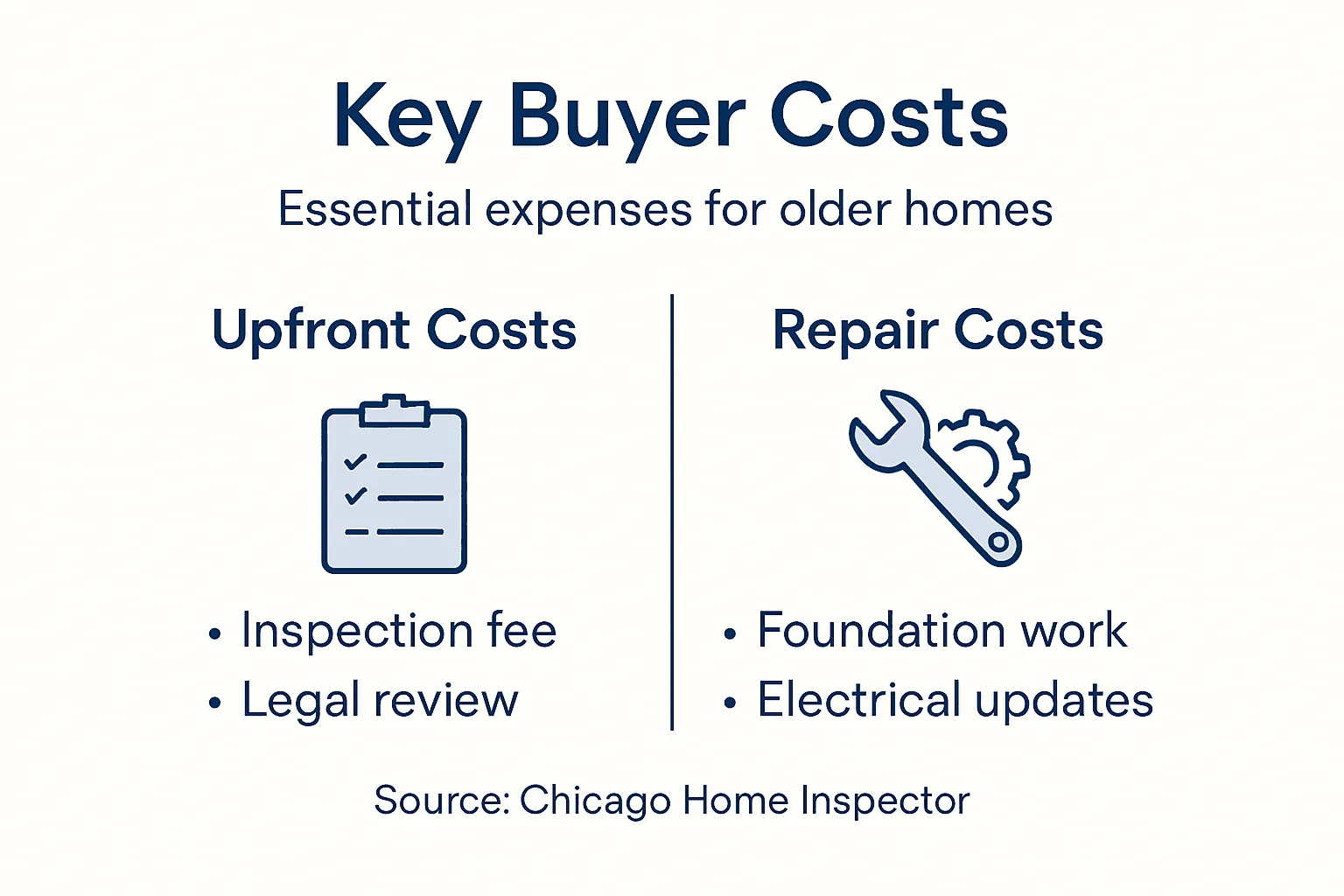
Pro tip: Create a detailed budget that includes not just the purchase price, but also estimated repair costs, potential system upgrades, and a 20-30% contingency fund for unexpected renovations.
Summary of major cost factors and buyer obligations when purchasing an older Chicago home:
| Responsibility Area | Typical Cost Range | Why It Matters |
|---|---|---|
| Inspection Investment | $600–$1,500 | Reveals hidden property issues |
| Repair Contingency | 10–30% of home price | Covers unforeseen repairs |
| System Upgrades | $5,000–$40,000+ | Ensures safety and efficiency |
| Legal Compliance | $2,000–$20,000+ | Avoids code violation penalties |
| Efficiency Improvements | $3,000–$15,000+ | Reduces future energy expenses |
Protect Your Investment in Older Chicago Homes With Expert Inspections
Older Chicago homes can hide costly surprises like outdated electrical systems, foundation issues, and hazardous materials that standard inspections might miss. This article highlights the importance of specialized historic home inspections to uncover hidden problems and avoid unexpected expenses. If you are buying or selling a vintage property in neighborhoods like Lincoln Park or Wicker Park you need a thorough evaluation tailored to these unique challenges.
Our Buyer Pre-Purchase Inspections and Seller Pre-Listing Inspections deliver comprehensive reports focused on older home concerns. We are Licensed and Insured, InterNACHI Certified, and BBB Accredited ensuring you get trusted, detailed insights including moisture detection, electrical safety, and hazardous material screening. Don’t wait until small issues become costly repairs. Schedule your specialized home inspection today at Chicago Home Inspector to make confident decisions and protect your investment.
Frequently Asked Questions
What are the typical challenges faced during an inspection of older homes?
Older homes often present challenges such as identifying structural integrity, outdated electrical systems, potential hazardous materials, and unconventional construction techniques. Specialized inspectors are needed to evaluate these unique aspects.
Why should I hire a specialized inspector for a historic home?
A specialized inspector has expertise in evaluating the unique features and potential problems of historic homes. They understand the specific requirements for preservation and can identify risks that a standard inspector might overlook.
What are some common red flags to look for in older home inspections?
Common red flags include visible foundation cracks, outdated electrical systems like knob-and-tube wiring, lead pipes in plumbing, signs of moisture or water damage, and indicators of hazardous materials like asbestos or lead paint.
How much should I budget for inspections and repairs when buying an older home?
Investing in comprehensive inspections can range from $600 to $1,500 or more, depending on the extent of the assessment. Additionally, it’s wise to set aside a repair contingency fund of 10% to 30% of the home’s purchase price for unexpected issues that may arise.