

Recommend a short, vetted list of licensed, insured inspectors — not the cheapest option — and document why each is on the list. InterNACHI is direct on this: steering a client toward an inspector based on price, deal speed, or undisclosed relationships can breach fiduciary duty. Your first move is three quick checks before any name goes on your referral list.
- License status: Verify the inspector holds a current Illinois license through the IDFPR public lookup.
- Insurance: Confirm both Errors & Omissions (E&O) and general liability coverage — ask for a certificate, not just a verbal confirmation.
- Sample report: Request a recent report. It should include embedded photos, prioritized findings, and clear next-step recommendations.
Pro Tip: Always offer clients at least three inspector names. Multiple options preserve client choice, reduce steering claims, and give you a backup when schedules conflict. Keep a written note on why each inspector is on your list — certifications, local experience, specialized services.
Table of Contents
- When should you refer clients to a specialist instead?
- How should you document referrals to protect yourself?
- What does the inspection timeline look like?
- How do you introduce the inspector to your client?
- What are the legal and ethical lines around inspector referrals?
- What if a client insists on using their own inspector?
- What red flags disqualify an inspector beyond credentials?
- What do inspections typically cost in the Chicago area?
- How do you maintain a strong inspector relationship over time?
- Our perspective on vetting inspectors for Chicago realtors
- Chicago Home Inspect LLC checks every box on that list
- Sources
When should you refer clients to a specialist instead?
A general home inspector covers structure, systems, and components — but some findings require a licensed specialist. Poorly qualified specialty contractors can delay closings, and the liability follows the referral.
Refer out when the inspector flags:
- Lead paint or asbestos: Pre-1978 homes in neighborhoods like Pilsen or Bridgeport often contain both. A certified industrial hygienist or licensed abatement contractor handles testing and remediation — not a general inspector.
- Structural concerns: Cracked masonry lintels, bowing foundation walls, or significant settlement warrant a licensed structural engineer. See when a structural engineer is needed for specific red flags.
- Radon, mold, or sewer lines: These need their own credential checks. Verify specialized insurance and certifications separately from the general inspection.
How should you document referrals to protect yourself?
Written disclosure is not optional — it is your paper trail. Every time you recommend an inspector, provide the client a written statement that names the inspector, confirms you have no undisclosed financial relationship, and notes the credentials you verified. Keep a copy in the transaction file.
A short template works: “I am providing the following inspector names for your consideration. I have verified their licensing and insurance. I have no financial interest in your selection. The final choice is yours.”
Log the date, the inspectors offered, and the client’s selection. If a claim surfaces later, that record is your defense.
What does the inspection timeline look like?
A standard Chicago-area residential inspection runs two to three hours for a typical single-family home or two-flat. Larger properties or those with multiple systems — older bungalows with knob-and-tube wiring, for example — can run longer. Most inspectors deliver the written report within 24 hours.
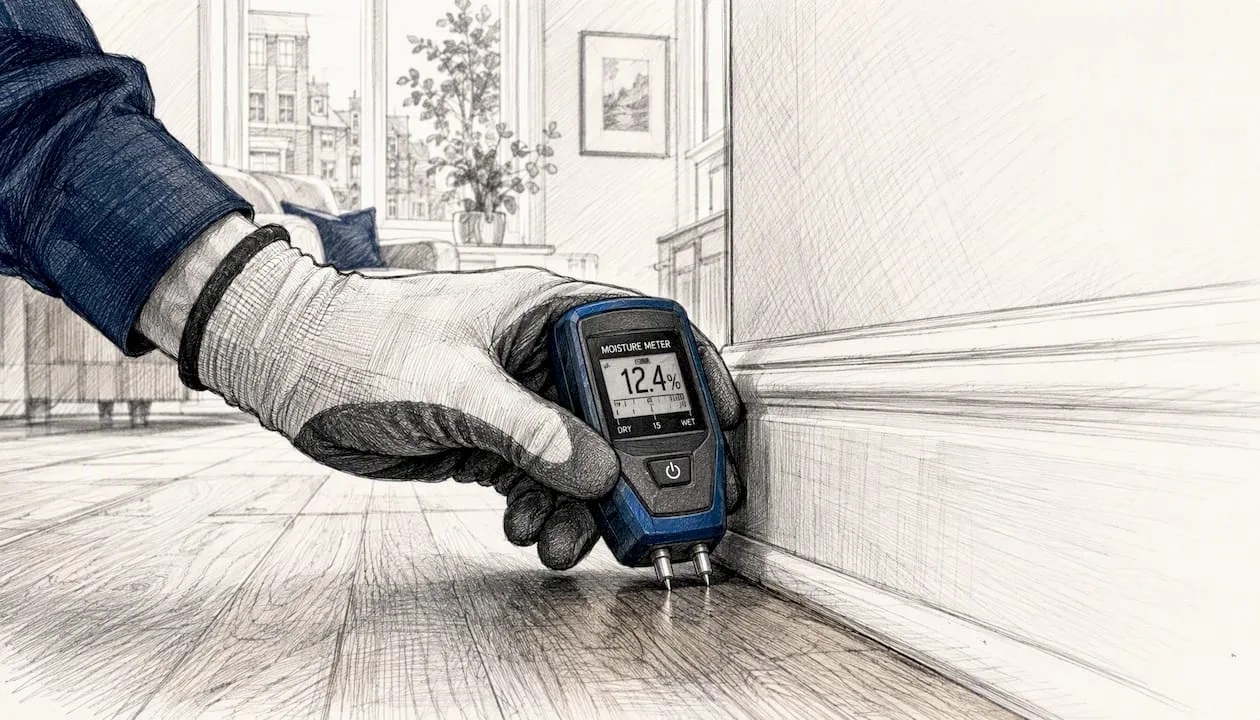
Schedule the inspection as early in the contingency window as possible. Waiting until day four of a five-day window leaves no room to negotiate repairs or request a specialist follow-up. Confirm the inspector’s weekend availability upfront; many buyers can only attend on Saturdays.
How do you introduce the inspector to your client?
Frame the inspector as the client’s advocate, not a transaction obstacle. A brief introduction works well: explain what the inspector will examine, roughly how long it takes, and that the client should plan to attend the walk-through at the end. Inspectors who combine thoroughness with plain-language communication reduce buyer anxiety and make post-inspection negotiations cleaner.
Tell clients upfront that no house is perfect and that the report’s job is to inform decisions, not kill deals. Setting that expectation before the inspection prevents panic over routine findings.
What are the legal and ethical lines around inspector referrals?
The REALTOR Code of Ethics and RESPA both apply here. You may recommend inspectors, but you cannot accept payment, gifts, or referral fees from an inspector in exchange for recommendations — that is a RESPA violation. Any financial relationship must be disclosed in writing.
Negligent referral claims are real: recommending an unqualified or uninsured inspector who misses a significant defect can expose you to liability even if you had no intent to harm. Competence verification is not a courtesy — it is a professional obligation.
What if a client insists on using their own inspector?
Support the choice. Your job is to inform, not control. If a client brings their own inspector, confirm that person is licensed and insured — then document that you offered vetted alternatives and the client declined. That note protects you.
One practical step: share a short checklist of questions to ask a home inspector so the client can vet their choice themselves. You stay helpful without overstepping.
What red flags disqualify an inspector beyond credentials?
Credentials are the floor, not the ceiling. Watch for:
- Consistently vague reports: No photos, no prioritized findings, no actionable language. A well-written report with clear findings is central to the buyer’s decision and your reputation.
- Pattern of complaints: Check Google reviews and the BBB. One bad review is noise; a pattern of “missed major issues” is a signal.
- Insurance claims history: Ask directly whether the inspector has had E&O claims filed against them. Reluctance to answer is itself a red flag.
- Pressure to close: Any inspector who frames findings to keep a deal moving is not working for your client.
What do inspections typically cost in the Chicago area?
Fees vary by property size and services included. Add-on services carry separate fees: radon testing, mold testing varies by scope, and a sewer line camera inspection are each priced on their own. Our current prices are published, so you can quote them to a client up front.
Advise clients that the cheapest option is rarely the best value. A missed defect on a 1920s two-flat in Logan Square can cost tens of thousands to remediate.
How do you maintain a strong inspector relationship over time?
After each transaction, note whether the report was thorough, the communication was clear, and the timeline held. A simple spreadsheet with inspector name, property type, date, and a brief quality note takes two minutes and builds a defensible record over time.
Once or twice a year, request an updated insurance certificate and confirm licensing is current. If an inspector’s quality slips — reports getting thinner, response times stretching — remove them from the list and document why.
Our perspective on vetting inspectors for Chicago realtors
Agent referrals must prioritize competence and transparency above all else. The REALTOR Code of Ethics and InterNACHI’s guidance for agents both point the same direction: your duty runs to the client, not to keeping a deal together.
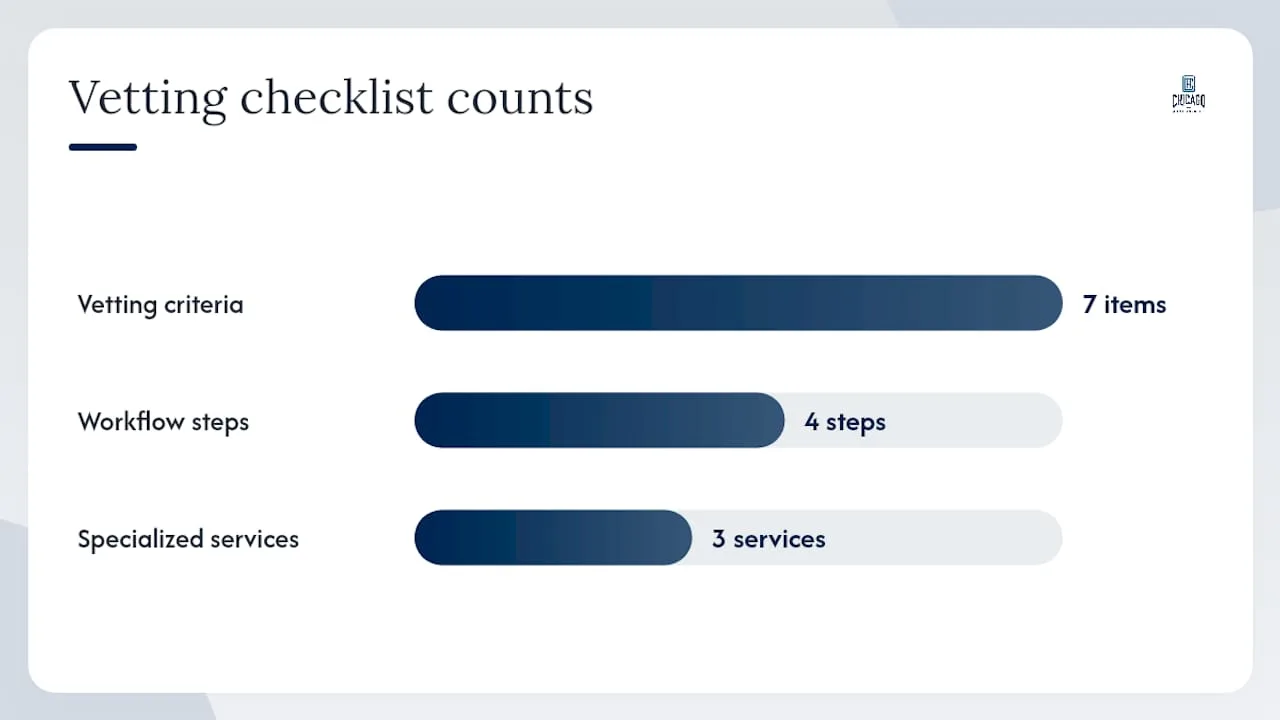
Our vetting checklist for Chicago-area realtors:
| Criterion | What to verify |
|---|---|
| Illinois license | IDFPR public lookup, current and active |
| E&O + general liability | Certificate of insurance, not verbal |
| InterNACHI or ASHI membership | Current membership, not lapsed |
| Sample report quality | Photos, prioritized findings, clear recommendations |
| Local building experience | Two-flats, bungalows, graystones, masonry |
| Specialized services | Radon, mold, sewer camera — separate credential check |
| Contract terms | Written scope, fee, and turnaround time |
Chicago’s housing stock demands inspectors who know what freeze-thaw cycles do to brick lintels and tuckpointing, how basement water intrusion presents in a 1940s bungalow, and why radon testing matters in Climate Zone 5. A step-by-step Chicago inspection looks different from a suburban tract-home inspection — the inspector’s experience should reflect that.
Quick workflow when a client asks for a recommendation:
- Confirm the inspector’s availability for the contingency window.
- Verify license and insurance are current.
- Send the client a sample report to review before scheduling.
- Deliver written referral disclosure and log it in the transaction file.
Chicago Home Inspect LLC checks every box on that list
Chicago Home Inspect LLC is licensed, insured, InterNACHI-certified, and BBB-accredited — built specifically for the Chicago-area housing stock realtors deal with every day. We serve Lake, McHenry, DuPage, and northern Cook Counties, with weekend availability so your clients’ schedules don’t dictate the contingency window.
Our services cover the full range realtors need: residential inspections, radon testing, mold testing, and main sewer-line camera inspections. Reports include embedded photos, prioritized findings, and clear next-step language — see our inspection photo portfolio for a direct look at report quality.
For agents building a preferred-inspector list, we provide documentation of our credentials and a sample report on request. When you refer us, use this disclosure language as a starting point: “Chicago Home Inspect LLC is one of several licensed, insured inspectors I recommend. I have no financial interest in your selection.”
Everything we offer agents — the request list builder built into every report, same-day radon and mold testing, next-business-day delivery, and how to reach us directly — is set out on our page for real estate agents. You can also schedule an inspection directly.
Sources
Keep these on file for any questions about duty, negligent referral, or inspection standards:
- Inspector Selection: A Real Estate Agent’s Duty – InterNACHI®
- REALTORS: Avoid Lawsuits From Negligent Referrals – Real Estate, Updates, News & Tips
- How Real Estate Agents Work with Home Inspectors | 360training
- Kapre
Store referral disclosures, insurance certificates, and inspector credential records in each transaction file or a dedicated vendor folder. If a claim surfaces six months after closing, that documentation is the difference between a resolved dispute and a prolonged one.