
TL;DR:
- Chicago home inspectors are licensed professionals who evaluate residential properties, providing detailed reports on major systems. Their inspections are visual, non-invasive, and typically take 2–4 hours, with the report typically delivered the next business day. Buyers are encouraged to attend inspections for better understanding and to verify inspector qualifications, which include licenses, certifications, and experience.
Chicagoland home inspectors are state-licensed professionals who evaluate the physical condition of residential properties, giving buyers and homeowners a clear picture of what they are purchasing or maintaining. Illinois has required home inspector licensing through the Illinois Department of Financial and Professional Regulation (IDFPR) since 2003, making it one of the earlier states to formalize the profession. That licensing requirement matters because Chicago’s housing stock is genuinely diverse, ranging from century-old graystones in Lincoln Park to frame bungalows on the Northwest Side to newer suburban construction in DuPage County. Chicago Home Inspect LLC serves buyers and homeowners across Lake, McHenry, DuPage, and northern Cook Counties, bringing InterNACHI certification and BBB accreditation to every inspection.
What do Chicagoland home inspectors actually do?
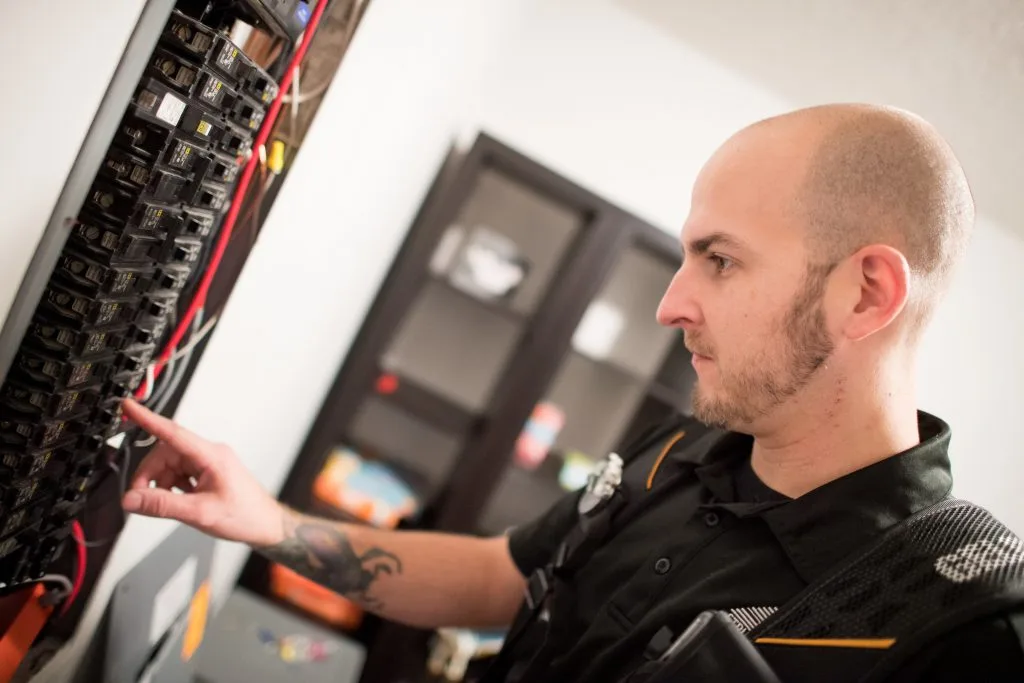
A standard residential home inspection covers every major system and accessible component of a property. That includes the roof, foundation, exterior, electrical panel, plumbing, HVAC, insulation, windows, and interior living spaces. Inspections typically run 2–4 hours on site, with a written report typically delivered the next business day. That timeline gives buyers enough room to review findings before a contract contingency deadline.

Home inspections are visual and non-invasive by definition. Inspectors do not open walls, excavate soil, or dismantle equipment. That scope limitation is not a flaw. It reflects the industry standard followed by ASHI, InterNACHI, and IDFPR alike. What it does mean is that hidden defects behind finished surfaces may not surface during the inspection, which is why add-on services like sewer scopes and mold testing exist.
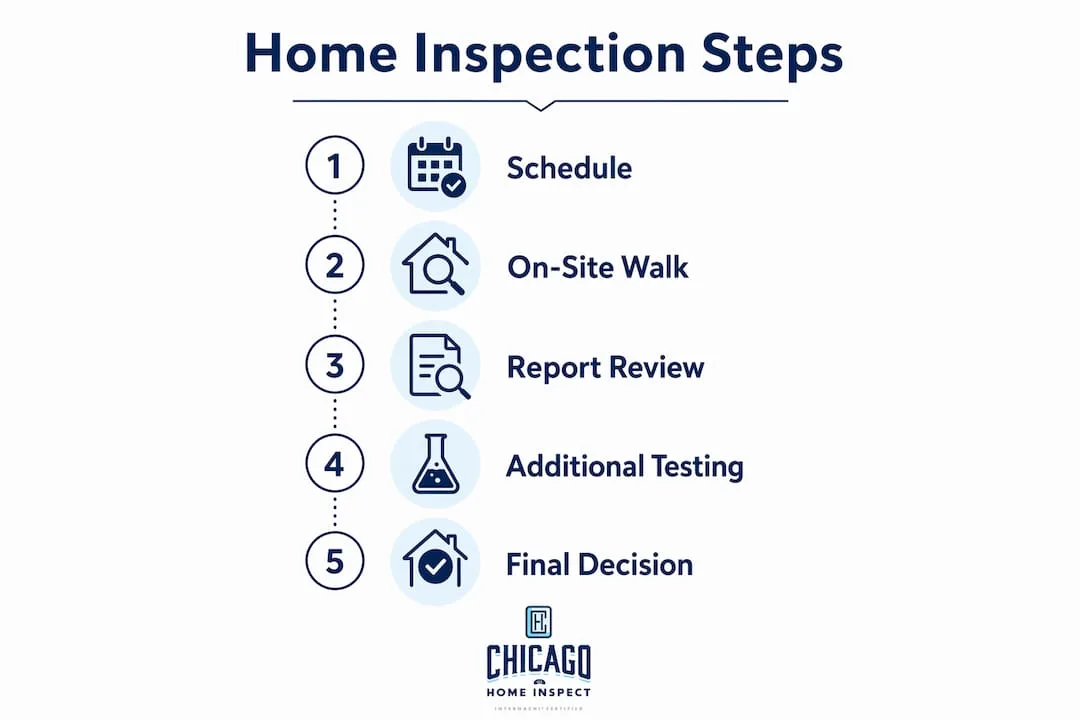
The step-by-step inspection process at Chicago Home Inspect LLC follows a consistent methodology across every property type. Reports include photographs, written descriptions, and severity ratings so buyers can distinguish between a minor maintenance item and a safety concern requiring immediate attention.
Key systems covered in every standard inspection:
- Roof covering, gutters, and drainage
- Foundation, basement, and crawl space
- Electrical service panel and visible wiring
- Plumbing supply and drain lines
- Heating and cooling equipment
- Attic insulation and ventilation
- Windows, doors, and exterior cladding
- Interior rooms, ceilings, and floors
Pro Tip: Attend the inspection in person. Buyers who walk through the property with the inspector gain real-time context that a written report alone cannot fully convey, and they leave with a much clearer sense of priority repairs.
Common inspection findings in Chicago area homes
Chicago’s housing stock creates inspection challenges you will not encounter in newer suburban markets. The city’s oldest neighborhoods contain homes built before modern building codes existed, and that history shows up in specific, recurring findings.
Foundation cracks and what they mean
Not all foundation cracks carry the same risk. Vertical hairline cracks in poured concrete are common in older homes and often result from normal concrete curing or minor settlement. Horizontal cracks or bowed basement walls are a different matter entirely. They signal lateral soil pressure against the foundation wall, which is a structural concern requiring an engineer’s evaluation before closing. Chicago’s freeze-thaw cycles accelerate this process, making foundation assessment one of the most consequential parts of any local inspection.
Limestone block foundations appear frequently in historic neighborhoods like Pilsen and Bridgeport. These foundations behave differently from poured concrete and require an inspector who recognizes the difference between normal mortar deterioration and active structural movement. Our foundation crack guidance covers exactly what to look for in these older structures.
Plumbing, electrical, and roofing issues
- Galvanized steel supply pipes. Homes built before 1960 frequently have galvanized steel water supply lines. These pipes corrode from the inside out, reducing water pressure and eventually failing. Replacement is the only long-term fix.
- Clay sewer lines. Pre-1980 Chicago homes commonly used clay sewer pipes, which are brittle and vulnerable to tree root intrusion and collapse. A sewer scope inspection is the only way to assess their condition.
- Knob-and-tube wiring. Vintage two-flats and bungalows built before 1950 often retain original knob-and-tube electrical wiring. This wiring lacks a ground conductor and cannot safely support modern electrical loads. Many insurers will not cover homes with active knob-and-tube systems.
- Electrical panel brands with known defects. Certain panel brands manufactured in the mid-20th century carry documented safety risks. An inspector familiar with Chicago’s vintage housing stock will flag these immediately.
- Ice dam damage on roofs. Chicago winters create conditions for ice dams when attic heat escapes and melts snow at the roof surface, which then refreezes at the eaves. The resulting water intrusion damages sheathing, insulation, and interior ceilings. Inspectors look for staining patterns that reveal past ice dam events even in summer.
Pro Tip: Ask your inspector specifically about the age and material of the sewer line before closing on any pre-1980 Chicago home. A sewer scope costs a fraction of what a full lateral replacement runs.
How do you verify and choose reputable Chicagoland property inspectors?
Choosing a qualified inspector requires more than reading a few online reviews. The verification process has specific, checkable steps that protect you from hiring someone underqualified for Chicago’s complex housing market.
Chicago’s diverse property types demand inspectors with experience beyond standard suburban single-family homes. A greystone in Lincoln Park, a high-rise co-op in Streeterville, and a ranch home in Schaumburg each present different inspection challenges. Matching the inspector’s experience to your property type is not optional.
What to verify before hiring:
- IDFPR license number. Every Illinois home inspector must hold a valid license. Illinois home inspector licenses start with 450. for individual inspectors and 451. for inspection companies, and the number must appear on all reports and marketing materials. Ours is 451.001520. Verify any inspector’s license through the IDFPR public lookup portal before booking.
- Certifications. Look for ASHI (American Society of Home Inspectors) or InterNACHI (International Association of Certified Home Inspectors) membership. Both organizations require continuing education and adherence to published standards of practice.
- Errors and omissions insurance. Qualified inspectors carry E&O coverage of at least $300,000. This protects you if a missed defect causes financial harm after closing.
- Experience and reviews. Look for inspectors with 3–5 or more years of experience, at least 50 online reviews, and a rating of 4.7 stars or higher.
- Sample report. Request a sample report before booking. A quality report includes photographs, written descriptions, and clear severity ratings. A sample inspection report from Chicago Home Inspect LLC shows exactly what that level of documentation looks like.
- Property type experience. Confirm the inspector has worked on your specific property type, whether that is a vintage greystone, a two-flat, or a newer suburban build.
What additional services do Chicagoland buyers need?
A standard home inspection covers what is visible and accessible. Several add-on services address risks that a visual inspection cannot detect, and in the Chicago area, these are frequently worth the additional cost.
Radon testing
Radon is a naturally occurring radioactive gas that enters homes through foundation cracks and soil contact. Certain counties in the Chicago metropolitan area carry elevated radon risk. The EPA recommends mitigation when indoor radon levels reach 4 picocuries per liter or higher. Radon testing is one of the highest-value add-ons available for any Chicago area property.
Sewer line scope
A sewer scope inspection uses a camera to evaluate the condition of the lateral sewer line from the home to the city main. This service is especially critical for pre-1980 homes with clay pipes. Replacement of a failed sewer lateral in Chicago runs into the thousands of dollars, making a scope inspection a sound investment before closing.
Mold testing
Older Chicago properties, particularly those with basement moisture issues or inadequate ventilation, carry elevated mold risk. Mold testing identifies the presence and type of mold growth so remediation can be scoped accurately.
| Add-on service | Best for |
|---|---|
| Radon testing | All properties, especially basements |
| Sewer scope | Pre-1980 homes with clay lines |
| Mold testing | Older homes with moisture history |
| Standard inspection | All residential properties |
Standard home inspections are priced by property size and type (see our 2026 prices). Bundling add-on services at the time of the standard inspection is almost always more efficient than scheduling them separately.
Our view on why local expertise matters here
We have inspected properties across Lake, McHenry, DuPage, and northern Cook Counties, and the one thing that stands out consistently is how much property type diversity matters in this market. A Chicago bungalow from 1925 and a Logan Square two-flat from 1910 are not the same inspection as a 1990s frame home in Naperville. The systems differ, the failure modes differ, and the questions a buyer needs answered differ.
Inspecting Chicago’s varied housing types requires knowledge of historic plumbing configurations, shared building systems in multi-unit properties, and the specific ways Climate Zone 5 stresses building envelopes over decades. We have seen inspectors miss active knob-and-tube wiring in finished basements because they were not looking for it. We have seen horizontal foundation cracks described as “minor settlement” when they required an engineer immediately. Local experience is not a marketing claim. It changes what gets found.
We also believe strongly in buyer involvement during the inspection itself. A written report is a document. Walking the property with an experienced inspector is an education. Buyers who attend leave with a mental map of the home’s condition that shapes every repair negotiation and maintenance decision they make afterward. We make time for questions at every inspection because that conversation is part of the service.
— Chicago Home Inspect LLC
Chicago Home Inspect LLC: schedule your inspection
Chicago Home Inspect LLC serves buyers and homeowners across Lake, McHenry, DuPage, and northern Cook Counties with licensed, InterNACHI-certified inspections and weekend availability. Our reports include detailed photographs of every finding, from electrical panel conditions to plumbing components, so you understand exactly what you are looking at. We deliver reports the next business day and are available to answer questions after delivery. Scheduling is straightforward through our website, and our team responds quickly to booking requests. If you are buying or maintaining a home in the Chicago area, a thorough inspection from a locally experienced, fully insured team is the most direct way to protect your investment.
FAQ
What are the licensing requirements for Illinois home inspectors?
Illinois requires all home inspectors to hold a valid IDFPR license, which includes completing a 60-hour pre-licensing course and passing the National Home Inspector Examination. Licensing has been mandatory since 2003.
How long does a home inspection take in Chicagoland?
A standard residential inspection runs 2–4 hours on site, with the written report delivered the next business day.
What does a home inspection cost in the Chicago area?
Standard inspections are priced by property size, with add-on services like radon testing, sewer scopes, and mold testing available separately.
Can a home inspection miss defects?
Yes. Home inspections are visual and non-invasive, covering only accessible areas. Hidden defects behind finished walls or underground are outside the scope of a standard inspection, which is why sewer scope and mold testing add-ons exist.
Should I attend my home inspection in person?
Attending the inspection gives you real-time context and direct answers from the inspector that a written report alone cannot fully replace. Buyers who attend make better-informed repair negotiation decisions.
Recommended
- Home Inspection Checklist 2026: Chicago Buyer’s Guide
- Home Inspector Chicago | Licensed & Insured | BBB Accredited
- Home Inspection Blog – Chicago Home Inspect LLC
- Step by Step Home Inspection for Chicagoland Buyers | Chicago Home Inspect LLC
- ASHI membership requires passing the NHIE, completing 250 inspections, and undergoing peer review