
Chicago Greystone homes carry hidden inspection challenges that catch even careful buyers off guard. These historic limestone buildings face unique structural vulnerabilities from regional soil conditions, aging electrical systems, and weather-related damage patterns. Understanding these risks empowers you to make informed decisions, negotiate effectively, and protect your investment in one of Chicago’s most distinctive architectural styles.
Table of Contents
- Introduction To Chicago Greystone Homes And Their Unique Inspection Challenges
- Foundation And Soil Risks In Chicago Greystone Homes
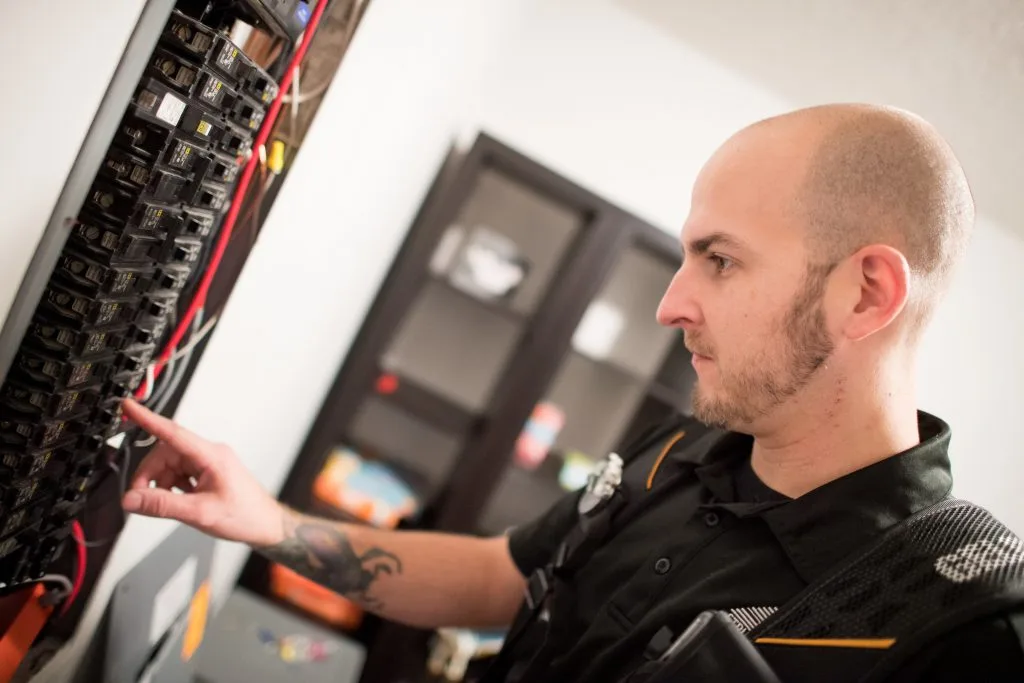
- Electrical System Hazards In Historic Chicago Homes
- Hvac And Roofing Challenges Due To Chicago Weather
- Hidden Health Risks: Asbestos And Mold In Chicago Greystone Homes
- Common Misconceptions Buyers And Homeowners Have About Inspections
- Practical Application: Inspection Strategies, Negotiations, And Ongoing Maintenance
- Summary And Next Steps For Chicago Greystone Homebuyers And Homeowners
- Protect Your Chicago Greystone Home With Expert Inspections
- Frequently Asked Questions
Key takeaways
| Point | Details |
|---|---|
| Greystone homes require specialized inspections | Foundation, electrical, HVAC, roofing, and health hazards demand targeted evaluation beyond standard checks. |
| Expansive clay soils cause foundation damage | Over 60% of Chicago Greystone homes experience foundation problems from seasonal soil movement. |
| Outdated electrical systems pose fire risks | Up to 35% of electrical problems in Chicago homes involve unsafe wiring hidden from visual inspection. |
| Chicago weather stresses critical systems | Freeze-thaw cycles and temperature extremes accelerate HVAC failures and roofing deterioration. |
| Hidden health hazards require lab testing | Asbestos and mold cannot be detected visually and need professional sampling for accurate assessment. |
Introduction to Chicago Greystone homes and their unique inspection challenges
Greystones are historic limestone structures built primarily between 1880 and 1920 across Chicago neighborhoods. These buildings feature heavy masonry construction, ornate stone facades, and architectural details reflecting their era. Most were constructed using materials and methods that create specific vulnerabilities today.
Chicago’s climate places unusual stress on building materials through harsh winters, freeze-thaw cycles, and high humidity periods. Understanding these unique challenges helps you appreciate why standard inspection protocols may miss critical defects. The combination of aging infrastructure and environmental factors creates inspection needs distinct from newer construction.
Key inspection focus areas include:
- Foundation integrity affected by regional soil conditions
- Electrical systems using outdated components and wiring methods
- HVAC and roofing elements stressed by seasonal extremes
- Hazardous materials common in pre-1980 construction
- Moisture infiltration patterns specific to masonry buildings
Recognizing these context factors prepares you to ask informed questions and prioritize thorough evaluations when considering a Greystone purchase.
Foundation and soil risks in Chicago Greystone homes
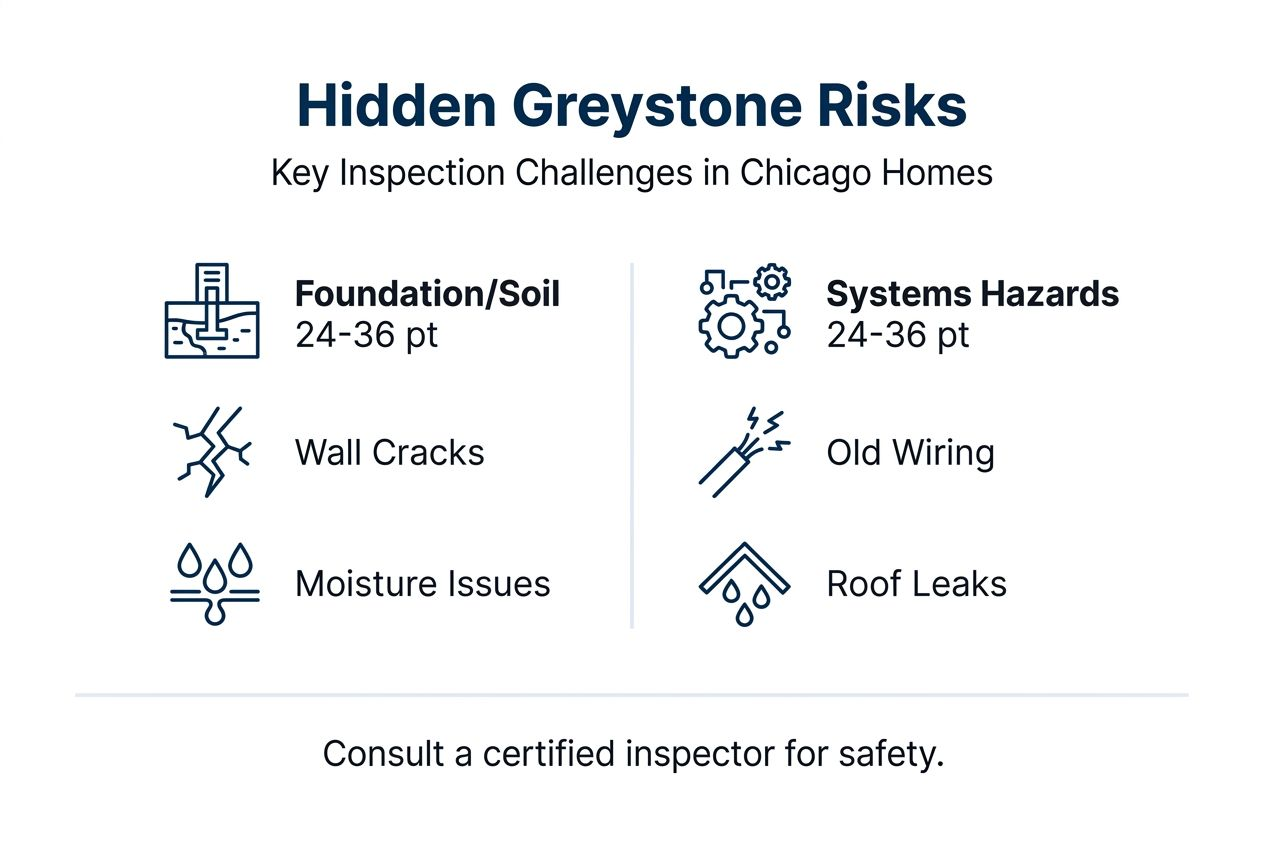
Chicago sits on expansive clay soils that swell when wet and shrink during dry periods. This seasonal movement creates continuous stress on foundations, particularly in heavy masonry structures like Greystones.
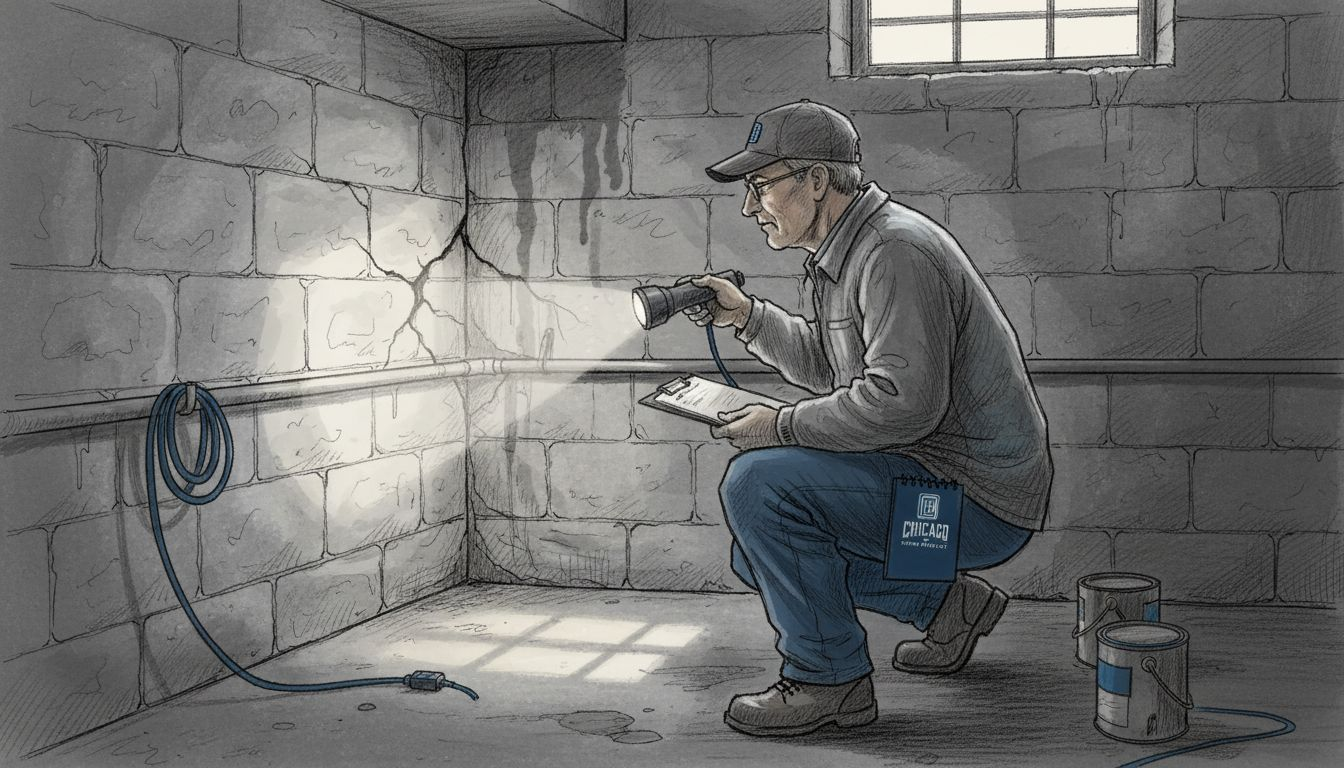
Visible warning signs include vertical or stair-step cracks in foundation walls, uneven or sloping floors, and doors or windows that stick or no longer align properly. Water infiltration through foundation walls signals compromised structural integrity and poor drainage management. These symptoms often worsen gradually, making early detection through professional inspection critical.
Common foundation problems in Greystone homes:
- Cracking and shifting from soil expansion and contraction
- Basement moisture accumulation due to poor drainage
- Mortar deterioration between limestone blocks
- Settlement creating structural instability over time
Professional inspections measure moisture levels, assess structural movement, and evaluate soil conditions around the property. Inspectors familiar with foundation issues in Chicago homes use specialized tools to detect problems before they become visible to untrained eyes.
| Foundation Issue | Typical Cause | Inspection Method |
|---|---|---|
| Wall cracks | Soil movement | Visual assessment, moisture testing |
| Uneven floors | Settlement | Level measurements, structural review |
| Water infiltration | Poor drainage | Moisture meters, exterior grading check |
| Mortar damage | Freeze-thaw cycles | Close examination of masonry joints |
Pro Tip: Schedule inspections during spring or after heavy rain when soil moisture is high to reveal foundation vulnerabilities most clearly.
Electrical system hazards in historic Chicago homes
Many Greystone homes retain original electrical systems installed before modern safety standards existed. Knob-and-tube wiring, common in pre-1940 construction, lacks grounding protection and uses exposed conductors that deteriorate over time. Federal Pacific electrical panels, installed through the 1980s, have documented failure rates that create fire hazards.
These outdated systems pose serious risks that visual inspection alone cannot detect. Without proper testing, dangerous defects remain undetected until they cause fires or electrical failures.
Critical electrical concerns in historic homes:
- Ungrounded wiring systems lacking modern safety protection
- Inadequate circuit capacity for contemporary electrical demands
- Deteriorated insulation on aging wire conductors
- Improperly modified circuits creating overload risks
Modern electrical codes require grounding, proper circuit protection, and safe wire insulation standards. Insurance companies often demand upgrades before providing coverage for homes with known electrical deficiencies. Comprehensive testing by licensed electricians identifies electrical inspection red flags through circuit analysis, load testing, and component examination.
Pro Tip: Always hire licensed electricians to perform detailed electrical testing when evaluating any home built before 1990, regardless of apparent condition.
HVAC and roofing challenges due to Chicago weather
Chicago experiences temperature swings from below zero in winter to over 90 degrees in summer. These extremes stress heating and cooling systems while creating roofing challenges through freeze-thaw cycles. Ice dams form when snow melts and refreezes at roof edges, forcing water under shingles and causing interior damage.
HVAC systems in Greystone homes often show premature wear from constant seasonal demands. Inefficient ductwork, poor insulation, and aging equipment create comfort problems and high energy costs. Many systems lack proper maintenance records, hiding underlying mechanical issues until they fail completely.
Common weather-related problems:
- Frequent HVAC component failures from extreme temperature cycling
- Ice damming causing roof leaks and water damage
- Shingle deterioration accelerated by harsh winters
- Condensation issues from inadequate ventilation
Chicago weather impacts homes through multiple mechanisms that require specialized inspection attention. Inspectors check system functionality, examine roofing materials for weather damage, and assess insulation adequacy. They look for signs of ice dam damage, evaluate drainage systems, and test HVAC performance under load.
Routine inspections catch developing problems before they require emergency repairs. Understanding seasonal stress patterns helps you budget for maintenance and replacement appropriately.
Hidden health risks: asbestos and mold in Chicago Greystone homes
Asbestos was widely used in Chicago construction materials before 1980, including insulation, flooring, roofing, and pipe wrapping. Many Greystone homes contain asbestos products that remain safe when undisturbed but become hazardous during renovation or deterioration. Exposure to asbestos fibers causes serious respiratory diseases and cancer.
Mold growth results from moisture problems common in older masonry buildings. Poor ventilation, foundation leaks, and plumbing issues create conditions where mold colonizes hidden spaces. Mold spores trigger allergies, asthma, and other health problems, particularly affecting children and sensitive individuals.
Health hazard realities:
- Visual inspection cannot identify asbestos presence or mold species
- Lab testing through certified facilities provides definitive identification
- Legal requirements mandate disclosure of known hazardous materials
- Professional remediation ensures safe removal and compliance
Regular mold testing in Chicago homes protects occupant health and guides remediation priorities. Asbestos testing before renovation prevents dangerous fiber release. Both hazards require specialized sampling and laboratory analysis to accurately assess risk levels.
Understanding these hidden dangers helps you plan safe renovation approaches and make informed decisions about property condition.
Common misconceptions buyers and homeowners have about inspections
Many buyers believe regular maintenance prevents all serious problems in well-kept homes. This assumption ignores hidden defects beneath surfaces, inside walls, and underground. Foundation movement, electrical deterioration, and hazardous materials exist independently of visible maintenance quality.
The longevity of older buildings does not guarantee structural soundness. Greystone homes survived decades through luck and minimal stress as much as quality construction. Soil conditions, material degradation, and system obsolescence create risks regardless of building age or appearance.
Persistent myths about inspections:
- Assuming visible maintenance indicates absence of hidden problems
- Believing older homes are inherently stronger than modern construction
- Underestimating asbestos risk in homes built before 1980
- Relying only on visual electrical checks without safety testing
Buyers often skip specialized testing to save money, then face expensive surprises after closing. Common issues home inspectors find in Chicago frequently involve problems that basic inspections miss. Correcting these misconceptions improves inspection outcomes and prevents costly oversights.
Thorough evaluation requires combining visual assessment with specialized testing tailored to building age and construction type.
Practical application: inspection strategies, negotiations, and ongoing maintenance
Effective inspection strategy uses layered approaches combining general home inspection with targeted specialized testing. Start with comprehensive structural and systems evaluation, then add focused assessments for electrical safety, hazardous materials, and environmental concerns based on initial findings.
- Schedule general home inspection covering structure, systems, and visible components
- Add specialized electrical testing for homes with pre-1990 wiring systems
- Order asbestos and mold testing based on age and moisture evidence
- Evaluate foundation and soil conditions through moisture and structural analysis
- Assess HVAC and roofing thoroughly given Chicago climate stress factors
Prioritize critical repairs affecting safety and structural integrity first. Foundation problems, electrical hazards, and hazardous materials demand immediate attention. Use verified inspection findings to negotiate repair costs or closing credits with sellers. Documentation from certified inspectors provides credible evidence supporting your negotiation position.
Develop ongoing maintenance plans adapted to Chicago’s climate and historic building materials. Regular HVAC servicing, drainage management, and electrical monitoring extend system life and prevent emergency failures. When your home inspection finds problems, address them systematically based on risk priority.
Pro Tip: Work exclusively with inspectors experienced in Chicago Greystone properties for accurate evaluation and reports that support effective negotiations.
Summary and next steps for Chicago Greystone homebuyers and homeowners
Chicago Greystone homes present distinctive inspection challenges from expansive clay soils, outdated electrical systems, weather-stressed HVAC and roofing, and hidden health hazards. Professional inspections customized for these historic buildings detect problems that standard evaluations miss. Timely, thorough assessment protects your investment and family health.
Certified inspectors familiar with regional soil conditions, historic construction methods, and Chicago climate impacts provide accurate risk evaluation. Their findings enable effective purchase negotiations and informed maintenance planning. Don’t rely on visual checks or general inspections when specialized evaluation can reveal critical defects.
Take action now by reviewing your inspection checklist for Chicago home buyers and following the step-by-step guide to Chicago home inspections. Schedule comprehensive evaluation before purchasing or during homeownership to identify and address Greystone-specific risks proactively.
Protect your Chicago Greystone home with expert inspections
Chicago Home Inspect LLC specializes in historic Greystone home evaluations, combining expertise in foundation assessment, electrical safety testing, HVAC analysis, and hazardous materials detection. Their certified inspectors understand Chicago’s unique soil conditions and climate challenges affecting these distinctive buildings.
Schedule thorough inspection services to uncover hidden risks before purchase or during ownership. View detailed interior home inspection photos and explore specialized HVAC inspection services tailored for historic properties. Professional mold testing services protect your family’s health and guide safe remediation.
Take control of your home investment with trusted local inspectors experienced in Chicago’s architectural heritage and environmental demands.
Frequently asked questions
What are the most common foundation issues in Chicago Greystone homes?
Foundation problems typically stem from expansive clay soils causing seasonal swelling and shrinking that cracks walls and shifts structures. Visible signs include stair-step cracks in masonry, uneven floors, and doors or windows that stick. Professional moisture testing and structural analysis identify severity and guide repair priorities.
Why are electrical inspections critical in historic Chicago homes?
Historic homes often contain knob-and-tube wiring and outdated electrical panels lacking proper grounding and safety features. These hidden defects pose serious fire risks that casual visual checks cannot detect. Licensed electricians perform detailed circuit testing and safety analysis to reveal dangerous conditions before they cause fires or failures.
How does Chicago weather impact HVAC and roofing systems in Greystone homes?
Severe temperature swings and freeze-thaw cycles stress heating, cooling, and roofing components beyond normal wear patterns. Ice dams form on roofs during winter, forcing water under shingles and causing interior damage. Professional inspections check for weather-related deterioration, efficiency problems, and premature component failures requiring attention.
What health hazards should Chicago Greystone homeowners test for?
Asbestos appears in many pre-1980 building materials and requires professional lab testing to identify accurately. Mold growth from moisture problems impacts indoor air quality and triggers respiratory issues. Both hazards need specialized sampling and analysis to guide safe remediation and ensure compliance with health regulations.