
TL;DR:
- Only about 14% of home inspections reveal no defects, making clean reports rare. Most inspections uncover issues requiring negotiation, not deal failures. In Chicago, aging homes and climate factors increase defect likelihood, emphasizing the importance of specialized tests.
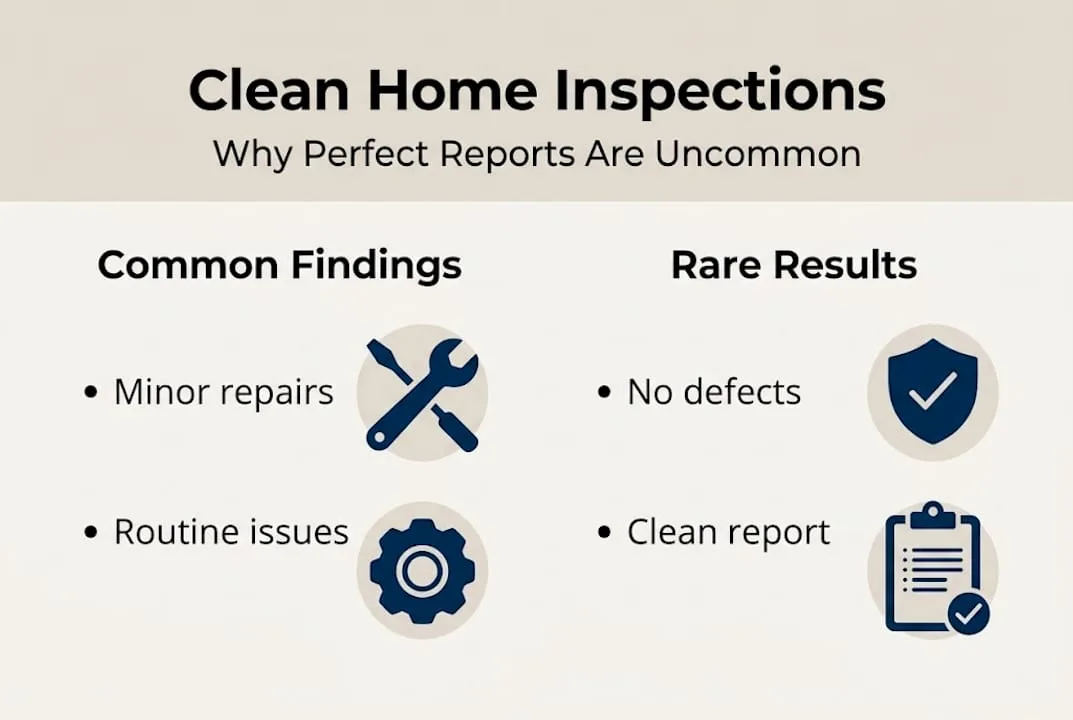
Only about 14% of home inspections come back completely clean with no defects found. That surprises most buyers and sellers, who walk into the process expecting a straightforward pass or fail. The truth is that nearly every home in Chicago has something worth noting, and a clean report is the exception, not the rule. Understanding what a clean inspection actually means, why they’re so rare in this city, and how to use your findings strategically will put you in a much stronger position at the negotiating table.
Table of Contents
- What does a clean home inspection actually mean?
- Why are clean inspections so rare, especially in Chicago?
- The impact of a clean, or not-so-clean, inspection
- Maximizing inspection results: Proactive moves for Chicago buyers and sellers
- Our take: Why chasing a clean inspection could set you back
- See real Chicago inspections and book with confidence
- Frequently asked questions
Key Takeaways
| Point | Details |
|---|---|
| Clean reports are rare | Fewer than 1 in 7 Chicago home inspections reveal no material defects or hazards. |
| Inspection is not pass/fail | Most findings lead to repair negotiations rather than derailing the sale entirely. |
| Chicago homes present extra challenges | Old construction, severe weather, and infrastructure amplify inspection findings here. |
| Proactive steps help | Pre-listing and specialty inspections improve outcomes and negotiation power. |
What does a clean home inspection actually mean?
The phrase “clean inspection” gets thrown around a lot, but it has a specific meaning in the industry. According to inspection industry standards, a clean home inspection means no material defects, safety hazards, or major deficiencies were identified. Minor cosmetic items or routine maintenance notes may still appear in the report, but they don’t change the clean status.
It’s worth understanding what inspectors actually look at. A standard home inspection is a visual, non-invasive assessment of the home’s accessible systems and components. Inspectors evaluate:
- Roof and attic (visible structure, ventilation, shingles)
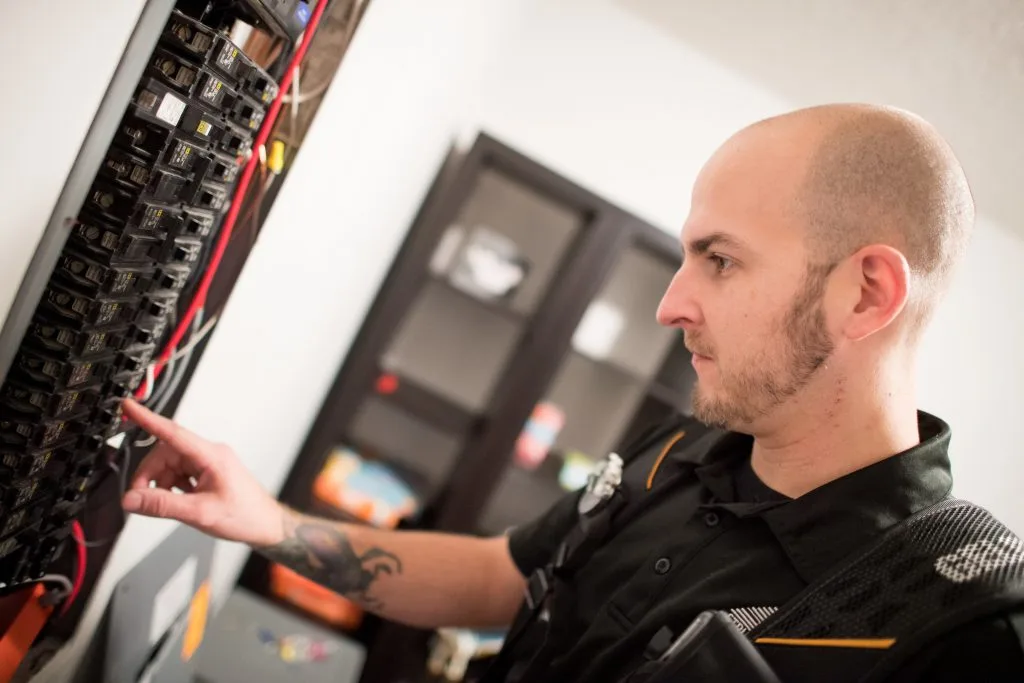
- Electrical systems (panel, visible wiring, outlets, GFCI protection)
- Plumbing (visible pipes, water pressure, drainage)
- HVAC systems (heating, cooling, filters, age)
- Foundation and structure (visible cracks, settling, drainage grading)
- Windows, doors, and insulation (seals, operation, visible damage)
What is not included matters just as much. Standard inspections don’t cover concealed spaces behind walls, underground sewer lines, radon levels, mold behind surfaces, or pest activity. These require specialized Chicago inspections that go beyond the standard scope.
| Inspection type | Included in standard | Requires add-on |
|---|---|---|
| Roof and attic | Yes | No |
| Electrical panel | Yes | No |
| Sewer line condition | No | Yes |
| Radon levels | No | Yes |
| Mold behind walls | No | Yes |
| Pest/termite activity | No | Yes |
Pro Tip: A report with cosmetic notes like paint peeling or a missing outlet cover is still considered clean. Don’t let minor items alarm you. Focus on whether material defects or safety hazards appear. Those are the findings that actually change your decision-making.
The ASHI standards and InterNACHI guidelines both define material defects as conditions that significantly affect the value or safety of the home. Everything else is informational.
Why are clean inspections so rare, especially in Chicago?
With the definition in place, it’s easier to see what stands in the way of a clean result. The short answer is that homes are complex, aging systems, and Chicago makes that worse.
86% of home inspections uncover issues needing repair. That’s not a Chicago-specific number. It’s national. But Chicago’s housing stock and climate push local findings even higher. The city has a large share of homes built before 1970, many with original or partially updated electrical, plumbing, and roofing systems. Harsh winters cause freeze-thaw cycles that crack foundations, damage flashing, and stress pipes. Deferred maintenance compounds over decades.
According to national defect statistics, the most common categories of defects break down like this:
| Defect category | Rate of occurrence |
|---|---|
| Electrical issues | 42% |
| Roof defects | 41% |
| Water damage | 23% |
| Foundation cracks | 15% |
These common Chicago home defects show up consistently across neighborhoods, from Wicker Park two-flats to Oak Park bungalows. Even newly constructed homes aren’t immune. Studies show that 65% of new construction homes have at least one issue flagged during inspection.
“Chicago’s older housing stock, combined with its severe winters and aging infrastructure, creates conditions where even well-maintained homes regularly show inspection findings that wouldn’t appear in newer Sun Belt markets.”
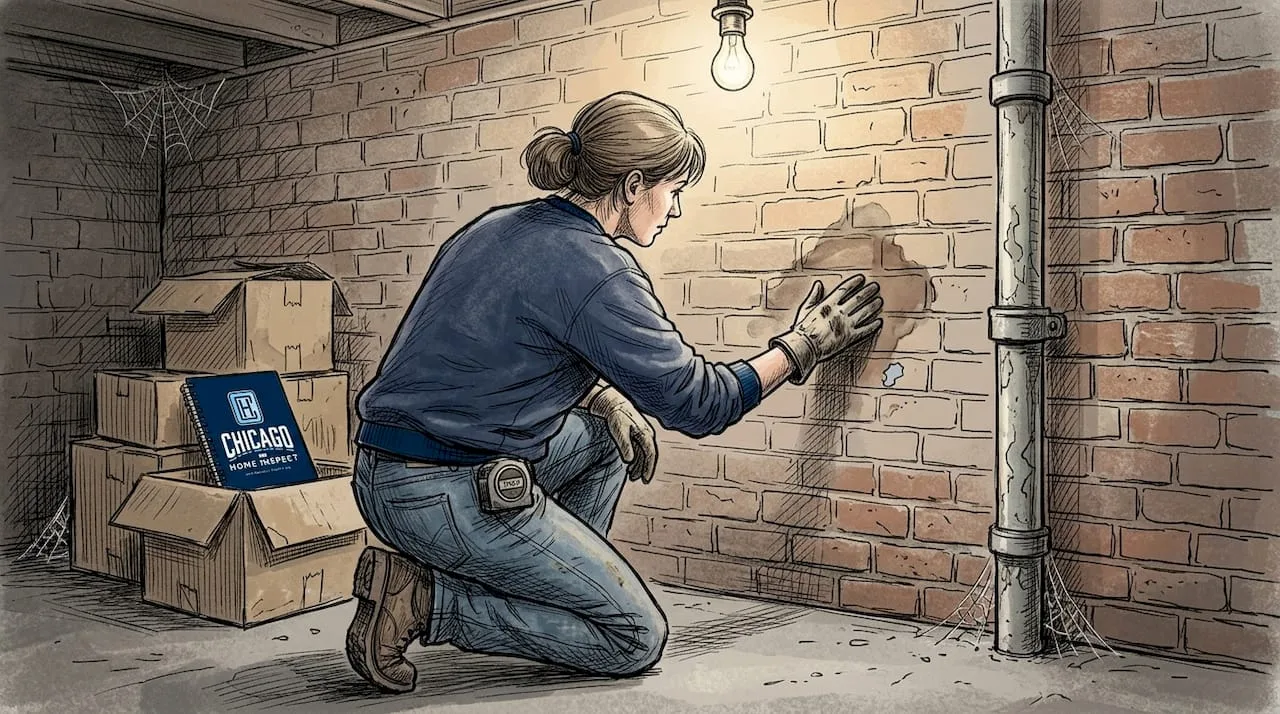
There’s also the hidden issue problem. Standard inspections are visual only. That means a home can look perfectly maintained on the surface while concealing elevated radon, a cracked sewer line, or mold in a finished basement. These are not rare edge cases in Chicago. They’re common enough that skipping add-on testing is genuinely risky. The unique Chicago housing landscape, with its mix of century-old construction and dense urban lots, makes specialty testing more important here than in most other U.S. cities.
The impact of a clean, or not-so-clean, inspection
Recognizing the rarity of a clean report, let’s see what this means for your transaction. The most important thing to understand is that home inspections are not pass/fail tests. There is no official score. No inspector stamps a report “approved” or “rejected.” What matters is whether material defects appear, and what both parties decide to do about them.
81% of inspected homes lead to negotiated repairs or credits, averaging $14,500. That’s the real-world outcome of most inspections. Not a failed deal. Not a canceled contract. A negotiation.
Here’s how the process typically plays out:
- Inspector delivers the report. Findings are categorized by severity, from safety hazards to minor maintenance items.
- Buyer reviews with their agent. They identify which findings are material and worth negotiating.
- Buyer submits a repair request or credit ask. This is based on the cost to fix material defects, not every item in the report.
- Seller responds. They can agree, counter, or decline. Most transactions find a middle ground.
- Closing proceeds. With repairs completed, a credit applied, or an agreed price adjustment.
A clean inspection speeds this process because there’s nothing to negotiate. But it’s not required for a successful sale. What derails deals is when buyers or sellers treat every finding as a dealbreaker, or when material defects surface that neither party anticipated.
Pro Tip: If you’re a buyer, don’t aim for a perfect report. Aim for a fully informed decision. Use your pre-purchase inspection guide to understand which findings are worth negotiating and which ones you can live with. A $300 repair item is not worth blowing up a deal over. A failing electrical panel is.
Knowing what can fail a home inspection from a lender’s perspective is also useful, especially if the buyer is using FHA or VA financing, which have stricter property condition requirements.
Maximizing inspection results: Proactive moves for Chicago buyers and sellers
Understanding the inspection’s impact, here’s how to put that knowledge to work during your Chicago real estate journey. The biggest shift you can make is moving from reactive to proactive.
For sellers, a pre-listing inspection is one of the smartest moves you can make. Pre-listing inspection benefits include knowing your home’s condition before buyers do, fixing issues on your timeline, and pricing accurately. Sellers who skip this step often face surprise findings during the buyer’s inspection, which creates panic, rushed decisions, and leverage shifts.
Experts recommend specialized tests beyond the standard scope, especially in Chicago where aging infrastructure and climate create hidden risks that a visual inspection simply won’t catch.
For buyers, consider adding these specialty inspections to your standard assessment:
- Radon testing: 19% of homes have elevated radon levels. Chicago’s geology makes this a real concern.
- Sewer scope: 51% of sewer lines have issues. A camera inspection costs a few hundred dollars and can reveal thousands in repairs.
- Mold testing: Older Chicago homes with basement moisture issues are prime candidates.
- Pest inspection: Wood-destroying insects are active in the region and won’t show up on a standard report.
| Add-on inspection | Typical cost | What it finds |
|---|---|---|
| Radon test | $100 to $200 | Elevated gas levels |
| Sewer scope | $200 to $400 | Cracks, root intrusion, blockages |
| Mold testing | $300 to $600 | Hidden mold colonies |
| Pest inspection | $75 to $150 | Termites, carpenter ants |
Pro Tip: Bundle your specialty tests with your standard inspection. Scheduling them together saves time and often reduces cost. Ask your inspector which add-ons make the most sense for the specific property type and neighborhood you’re buying in.
Booking a trusted pre-listing inspection before you list puts you in control of the narrative. You decide what to fix, what to disclose, and how to price. That’s a much better position than reacting to a buyer’s findings under contract pressure.
Our take: Why chasing a clean inspection could set you back
Here’s a perspective you won’t hear often: obsessing over a clean inspection report is actually counterproductive. We’ve seen buyers walk away from solid homes because the report had findings. We’ve seen sellers over-invest in cosmetic fixes while ignoring real structural issues, hoping to present a cleaner report.
The Chicago inspection realities are clear. Almost no home is perfect. Even fully renovated properties show findings. The goal was never a spotless report. The goal is transparency. A detailed inspection report gives both parties the information they need to make a fair deal. Buyers who understand what they’re buying make better long-term decisions. Sellers who know their home’s condition negotiate from a position of honesty, which builds trust and closes deals faster.
Chasing a clean report shifts your focus to appearances instead of substance. Focus instead on understanding what the findings mean, which ones are material, and how to use that information to your advantage. That’s where real value lives.
See real Chicago inspections and book with confidence
Ready to see what home inspection findings look like in real Chicago homes? Viewing sample Chicago inspection photos is one of the best ways to set realistic expectations before your inspection day. Real findings from real local homes give you a clearer picture of what to expect and what actually matters.
Whether you’re a buyer preparing for a purchase or a seller getting ahead of the process, our team is InterNACHI Certified, BBB Accredited, and available on weekends to work around your schedule. We serve Chicago and the surrounding suburbs with buyer inspections, pre-listing inspections, radon testing, mold testing, and more. Book your Chicago inspection today and walk into your transaction with full confidence.
Frequently asked questions
What exactly qualifies as a clean home inspection?
A clean inspection means no major defects or hazards were found, only minor cosmetic items or routine maintenance notes that don’t affect the home’s safety or value.
How common is a truly clean inspection report?
Clean reports are rare. Only about 14% of inspections reveal no issues at all, meaning the vast majority of homes have at least one finding worth noting.
Why are clean inspections so hard to achieve in Chicago homes?
Chicago’s older housing and climate issues increase defect rates significantly, with freeze-thaw cycles, aging infrastructure, and decades of deferred maintenance all contributing to more inspection findings.
If most homes don’t get a clean inspection, does it mean a deal will fall through?
No. 81% of inspections lead to negotiated repairs or credits rather than failed deals. Only material defects are likely to impact closing, and most issues are resolved through negotiation.
What extra inspections should Chicago buyers consider beyond the standard?
Radon testing, sewer scope, mold testing, and pest inspections are all worth adding, since standard inspections miss issues in 51% of sewer lines and 19% of homes have elevated radon levels.