
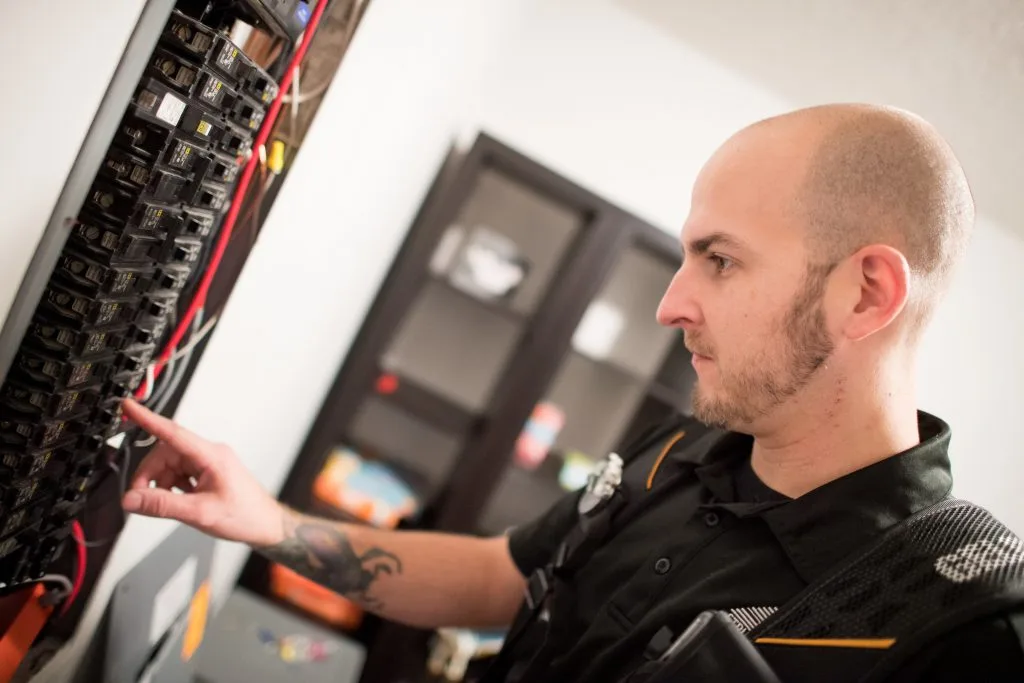
Many Chicago homebuyers believe a passed inspection guarantees a defect-free property. This misconception can cost thousands. In reality, 86% of home inspections find hidden defects needing urgent repair, with Chicago two-flats experiencing particularly high rates of deferred maintenance due to age and clay soil conditions. This guide reveals the most common hidden issues in Chicago multi-unit properties and provides strategies to protect your investment.
Table of Contents
- Understanding Chicago Two-Flats And Multi-Unit Properties
- Common Hidden Structural And Foundation Issues In Chicago Multi-Unit Homes
- Electrical And Mechanical Systems: Unique Chicago Challenges
- Impact Of Chicago ADU Ordinance On Inspection Complexity And Buyer Risks
- Common Misconceptions And What Buyers Often Overlook
- Strategies For Effective Inspection And Negotiation In Chicago Multi-Unit Purchases
- Summary And Next Steps For Chicago Buyers
- Protect Your Investment With Chicago Home Inspect LLC
- Frequently Asked Questions
Key Takeaways
| Point | Details |
|---|---|
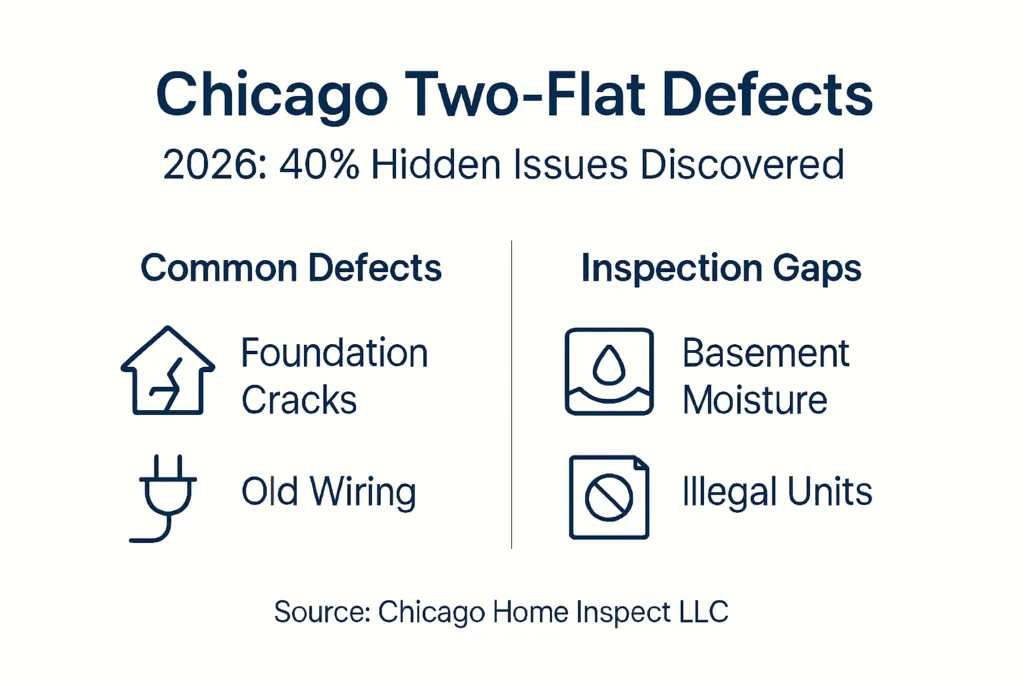
| Hidden defects are widespread | 40% of Chicago two-flats have urgent issues standard inspections miss |
| Chicago clay soil damages foundations | Expansive soil causes settling and cracks often concealed behind finishes |
| 2026 ADU ordinance adds complexity | New basement unit rules require enhanced inspection and compliance checks |
| Electrical hazards are prevalent | Over 30% of multi-units have outdated wiring posing fire risks |
| Specialized inspections are essential | Mold, sewer, and structural tests protect buyer investments |
Understanding Chicago Two-Flats and Multi-Unit Properties
Chicago two-flats are owner-occupied buildings with two separate residential units, typically stacked vertically. These properties dominate neighborhoods like Logan Square, Albany Park, and Bridgeport. Most were built between 1890 and 1940 using brick and wood frame construction.
Local zoning laws directly impact inspection requirements. Chicago’s residential zones (RT, RS, and RM districts) regulate unit density, parking, and structural modifications. These rules affect what inspectors must verify during assessments.
The age of Chicago multi-units creates unique challenges. Many retain original plumbing, electrical systems, and materials that degrade over time. Brick facades hide structural issues, while shared mechanical systems complicate maintenance responsibilities.
Understanding these characteristics helps you identify common inspection issues in Chicago multi-units before purchase. The building’s era, construction type, and location within Chicago’s clay soil zones all influence what defects may lurk beneath the surface.
Pro Tip: Request building permits and renovation records before scheduling your inspection to understand the property’s maintenance history.
Common Hidden Structural and Foundation Issues in Chicago Multi-Unit Homes
Chicago sits atop expansive clay soil that swells when wet and shrinks when dry. This constant movement causes foundation settling and cracking in 40% of properties in clay soil areas, with repair costs ranging from $2,200 to over $25,000.
Recognizing subtle warning signs prevents costly surprises:
- Doors and windows that stick or won’t close properly
- Diagonal cracks extending from door or window corners
- Floors that slope toward interior or exterior walls
- Gaps between walls and ceilings or floors
- Cracked or bowing basement walls
Standard inspections often miss concealed damage. Finished basements hide foundation issues in Chicago homes behind drywall and flooring. Exterior coatings mask brick deterioration and mortar failure.
| Foundation Issue | Typical Repair Cost | Detection Difficulty |
|---|---|---|
| Minor settling cracks | $2,200 – $5,000 | Low (visible) |
| Moderate wall bowing | $8,000 – $15,000 | Medium (requires measurement) |
| Severe structural failure | $25,000+ | High (often concealed) |
The Chicago climate accelerates foundation problems. Freeze-thaw cycles push moisture into cracks, expanding damage each winter. Summer heat dries clay soil, causing further settlement.
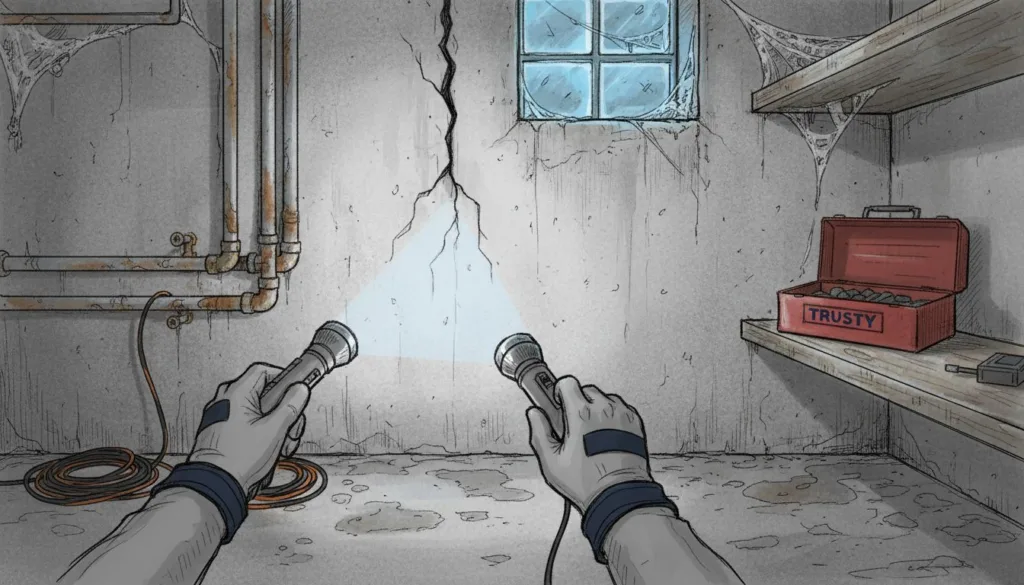
Inspectors examining hidden structural issues in Chicago multi-units focus on basement moisture, drainage systems, and exterior grading. Poor water management compounds soil-related foundation stress.
Pro Tip: If your inspection reveals settlement signs, hire a structural engineer for a detailed assessment before proceeding with purchase.
Electrical and Mechanical Systems: Unique Chicago Challenges
Pre-1980 Chicago two-flats frequently contain Federal Pacific electrical panels and outdated wiring that pose serious fire hazards. More than 30% of Chicago multi-units have electrical failures standard inspections miss because they occur behind walls or in junction boxes.
These electrical hazards in Chicago homes include:
- Knob and tube wiring still active in walls
- Aluminum wiring connections that overheat
- Insufficient amperage for modern appliance loads
- Missing GFCI protection in wet areas
- Overloaded circuits with improper fusing
HVAC systems face extreme stress from Chicago’s climate swings. The Chicago climate impact on HVAC systems includes humidity damage to ductwork, freeze damage to outdoor units, and premature compressor failure from overuse.
Multi-unit properties compound these challenges with shared or dual heating systems. One failing furnace can affect both units, yet responsibility for repairs may be unclear without proper documentation.
Electrical and HVAC repairs carry substantial costs. Complete panel replacement runs $2,500 to $4,000. Rewiring a two-flat costs $8,000 to $15,000. HVAC system replacement reaches $12,000 to $18,000 per unit. Combined issues can exceed $36,000.
Specialized tests you should request:
- Licensed electrician evaluation of panel and wiring safety
- Thermal imaging scan to detect hot spots and hidden failures
- HVAC efficiency testing and remaining lifespan assessment
- Ductwork inspection for leaks and insulation quality
- Carbon monoxide testing near mechanical equipment
Pro Tip: Always include an electrician’s evaluation when purchasing pre-1980 Chicago multi-units, even if the standard inspection passes electrical systems.
Standard home inspections provide visual assessments but cannot access concealed systems or perform invasive testing. This limitation allows dangerous electrical and HVAC inspection challenges to remain undetected until failure occurs.
Impact of Chicago ADU Ordinance on Inspection Complexity and Buyer Risks
Chicago’s April 2026 ADU ordinance fundamentally changed basement unit regulations. The new law allows one legal basement unit per property, but compliance requirements add significant inspection complexity for buyers.
Inspectors now focus intensely on basement units:
- Egress windows meeting minimum size and opening requirements
- Waterproofing systems preventing moisture intrusion
- Fire-rated separation between units
- Independent HVAC and electrical systems
- Ceiling height meeting 7-foot minimum standards
- Proper plumbing venting and drainage
Bringing non-compliant basement units to code costs substantially. Typical basement ADU build-out and remediation costs range from $65,000 to $120,000 depending on existing conditions and required improvements.
| Feature | Compliant ADU | Non-Compliant Unit | Buyer Risk |
|---|---|---|---|
| Egress | Code-sized windows with clear openings | Small or blocked windows | Life safety violation, fines |
| Waterproofing | Interior and exterior drainage systems | No protection or failed systems | Moisture damage, mold growth |
| Fire separation | One-hour rated walls and ceiling | Standard drywall or none | Safety violation, insurance denial |
| Ceiling height | 7-foot minimum throughout | Below standard | Cannot legally rent, lost income |
Purchasing properties with illegal basement units carries serious consequences. Basement ADU code violations can lead to fines or legal liability if tenants are injured. Insurance companies may deny coverage for non-compliant units.
The ordinance creates opportunity but demands thorough inspection. Legal basement units generate rental income that helps cover mortgages. However, upgrading illegal units to compliance often costs more than buyers anticipate.
Many sellers market basement apartments without disclosing compliance status. Your inspection must verify whether units meet 2026 Chicago ADU ordinance details or require expensive remediation before legal rental.
Examine ADU ordinance inspection challenges carefully during your assessment. The financial impact of non-compliance can eliminate the investment value of purchasing a two-flat.
Verify Chicago ADU code compliance through permit records and physical inspection before closing. Assume basement units are non-compliant until proven otherwise with documentation.
Common Misconceptions and What Buyers Often Overlook
The biggest myth plaguing Chicago multi-unit buyers is that passing inspection means no repairs are needed. This false assumption costs thousands when hidden defects emerge after closing.
Reality contradicts this belief. Research shows 86% of inspections find hidden defects needing urgent repair, with mold, electrical hazards, and code violations frequently overlooked by standard assessments.
Standard inspections exclude critical areas. Mold testing requires separate air quality sampling. Sewer scopes need specialized camera equipment. These omissions allow moisture damage and pipe failures to remain hidden until costly problems develop.
Older electrical systems present deceptive safety risks. Panels and wiring may appear intact during visual inspection yet pose fire hazards requiring immediate replacement. Only specialized testing reveals these dangers.
Zoning and code violations carry hidden costs buyers underestimate:
- Unpermitted additions may require removal or expensive legalization
- Non-compliant rental units generate fines until corrected
- Building code violations discovered later become buyer’s financial responsibility
- Insurance companies deny coverage for known code violations
- Resale value suffers when violations must be disclosed to future buyers
Many buyers skip specialized inspections to save money upfront. This decision backfires when undiscovered issues cost far more to repair than prevention would have cost.
Another pitfall involves trusting seller disclosures alone. Sellers may genuinely not know about hidden defects or may minimize known issues. Your independent verification protects against both scenarios.
Complacency after initial inspection passes creates vulnerability. Common overlooked inspection defects include hidden moisture damage, inadequate insulation, and drainage problems that worsen over time.
Buyers also underestimate multi-unit complexity. Shared systems, dual mechanical equipment, and tenant-occupied spaces all complicate inspections and increase the likelihood of missed issues.
Understanding what to do when inspection finds problems prepares you for negotiation and decision-making. Many buyers panic or proceed blindly when issues surface.
Recognize that buyer misconceptions about inspections stem from treating inspections as pass/fail tests rather than detailed risk assessments. Every property has issues. The question is whether those issues are manageable or deal-breakers.
Strategies for Effective Inspection and Negotiation in Chicago Multi-Unit Purchases
Protecting your investment requires strategic inspection planning and skilled negotiation. These steps optimize your due diligence:
- Schedule inspection within 7 days of contract signing to maximize negotiation time
- Choose inspectors certified in multi-unit properties and Chicago building codes
- Attend the entire inspection to ask questions and understand issues firsthand
- Request detailed photos documenting all defects and concerns
- Order specialized tests (mold, radon, sewer) simultaneously with standard inspection
- Review all reports with your inspector before negotiation deadline
Supplementing standard inspections catches what visual assessments miss:
- Structural engineer evaluation for foundation and framing concerns
- Licensed electrician assessment of panel, wiring, and load capacity
- HVAC contractor efficiency testing and lifespan estimates
- Plumber sewer scope inspection for underground pipe condition
- Certified mold inspector air quality testing in units and common areas
- Pest inspector examination for termites, carpenter ants, and rodents
Interpreting reports effectively means prioritizing issues by severity and cost. Focus negotiations on safety hazards, major system failures, and code violations rather than cosmetic concerns.
Local expert guidance proves invaluable. Chicago-specific knowledge of soil conditions, building codes, and common defects helps distinguish normal aging from serious problems.
Negotiation strategies after inspection reveals issues include:
- Requesting seller complete specific repairs before closing
- Negotiating price reduction equal to estimated repair costs
- Asking for closing cost credits to offset repair expenses
- Requiring seller provide home warranty covering major systems
- Requesting extension of contingency period for additional investigation
Understanding inspection repair negotiation tactics strengthens your position. Present contractor estimates for major repairs to justify reduction requests. Prioritize health and safety issues that affect habitability.
Some findings warrant canceling the purchase:
- Extensive foundation failure requiring $40,000+ structural repairs
- Active mold growth throughout multiple areas indicating systemic moisture problems
- Electrical systems posing immediate fire hazards needing complete replacement
- Major code violations requiring expensive remediation to avoid fines
- Roof failure needing immediate replacement on multi-unit building
Pro Tip: Engage locally certified inspectors experienced with Chicago multi-unit codes and soil conditions to ensure nothing is missed.
Review the seller inspection checklist to understand what sellers should address before listing. This knowledge helps you identify deferred maintenance.
Follow the step-by-step inspection process to ensure thorough assessment. Skipping steps or rushing through inspections creates blind spots that cost money later.
Successful negotiation balances firmness with reasonableness. Requesting repairs for every minor defect may alienate sellers, while accepting major issues without negotiation leaves money on the table.
Summary and Next Steps for Chicago Buyers
Chicago two-flat and multi-unit purchases demand heightened inspection vigilance. Foundation issues from clay soil, electrical hazards in aging systems, and ADU compliance requirements create unique risks that standard inspections often miss.
Specialized inspections provide essential protection. Structural engineers, electricians, and mold testers detect hidden defects that cost thousands to repair. The investment in thorough assessment saves substantially compared to post-purchase surprises.
Informed negotiation reduces financial risks significantly. Armed with detailed inspection findings and contractor estimates, you can secure repairs, credits, or price reductions that protect your investment.
Take these practical steps:
- Research inspector qualifications and select professionals with multi-unit experience
- Review Chicago building codes and ADU requirements before viewing properties
- Budget for specialized inspections beyond standard home inspection fees
- Prepare negotiation strategy based on inspection contingency deadlines
- Consult real estate attorney about contract terms protecting inspection rights
Access Chicago housing resources through city building department records and permit databases. Verify property compliance history before making offers.
Ready to move forward? Schedule your Chicago home inspection with experienced professionals who understand local multi-unit challenges.
The complexity of Chicago two-flat inspections requires expertise, but thorough assessment empowers confident purchasing decisions. Understanding what to look for, which tests to order, and how to negotiate findings transforms inspection from obstacle to opportunity.
Your investment deserves protection through comprehensive evaluation and skilled negotiation based on complete information about the property’s true condition.
Protect Your Investment with Chicago Home Inspect LLC
Navigating Chicago two-flat and multi-unit inspections requires specialized local expertise. Chicago Home Inspect LLC provides comprehensive assessments covering structural integrity, electrical safety, HVAC performance, and ADU compliance specific to Chicago’s unique building challenges.
Our services include interior inspection documentation, professional mold testing, and detailed reporting that empowers negotiation. We understand Chicago’s clay soil foundation risks, aging electrical systems, and 2026 ADU ordinance requirements.
Key service features:
- InterNACHI certified inspectors with multi-unit expertise
- Weekend availability accommodating buyer schedules
- Comprehensive reports with photos and repair prioritization
- Knowledge of Chicago building codes and zoning regulations
- Licensed, insured, and BBB accredited for your protection
Our inspectors identify issues standard assessments miss, providing the detailed information you need for confident purchase decisions. We educate buyers throughout the process, explaining findings and their implications.
Pro Tip: Partnering with experienced inspectors before making offers identifies risks early, strengthening your negotiation position and protecting your investment.
Schedule a Chicago multi-unit home inspection today to ensure you understand exactly what you’re buying before closing.
Frequently Asked Questions
What are the biggest hidden defects in Chicago two-flats?
Foundation settling from clay soil, outdated electrical systems, and non-compliant basement units top the list. These issues often hide behind finishes and require specialized testing to detect. Moisture damage and HVAC failures are also common in aging multi-unit properties.
How does Chicago’s clay soil affect foundation inspections?
Expansive clay soil swells when wet and shrinks when dry, causing constant foundation movement. This creates settling and cracking that worsens over time. Inspectors must look for subtle signs like sticking doors and diagonal cracks that indicate ongoing settlement requiring expensive repairs.
Do standard home inspections cover mold and moisture?
No, standard inspections provide visual assessment only. Mold testing requires separate air quality sampling and laboratory analysis. Moisture meters detect hidden water intrusion, but comprehensive mold evaluation needs specialized equipment and expertise not included in basic inspection packages.
What should buyers know about the 2026 ADU ordinance?
The April 2026 ordinance allows one legal basement unit per property but requires strict compliance with egress, waterproofing, fire safety, and ceiling height standards. Many existing basement apartments don’t meet these requirements and need $65,000 to $120,000 in upgrades to become legal rental units.
How can buyers negotiate after inspection reveals issues?
Request specific repairs, price reductions matching contractor estimates, or closing cost credits. Focus negotiation on safety hazards and major system failures rather than minor cosmetic issues. Present detailed documentation supporting your requests and remain willing to walk away if sellers won’t address critical defects.
When should buyers walk away from a purchase?
Cancel if inspection reveals foundation damage exceeding $40,000, systemic mold growth, immediate electrical fire hazards, or extensive code violations requiring major remediation. These issues often cost more than anticipated and may indicate poor overall property maintenance making future problems likely.