
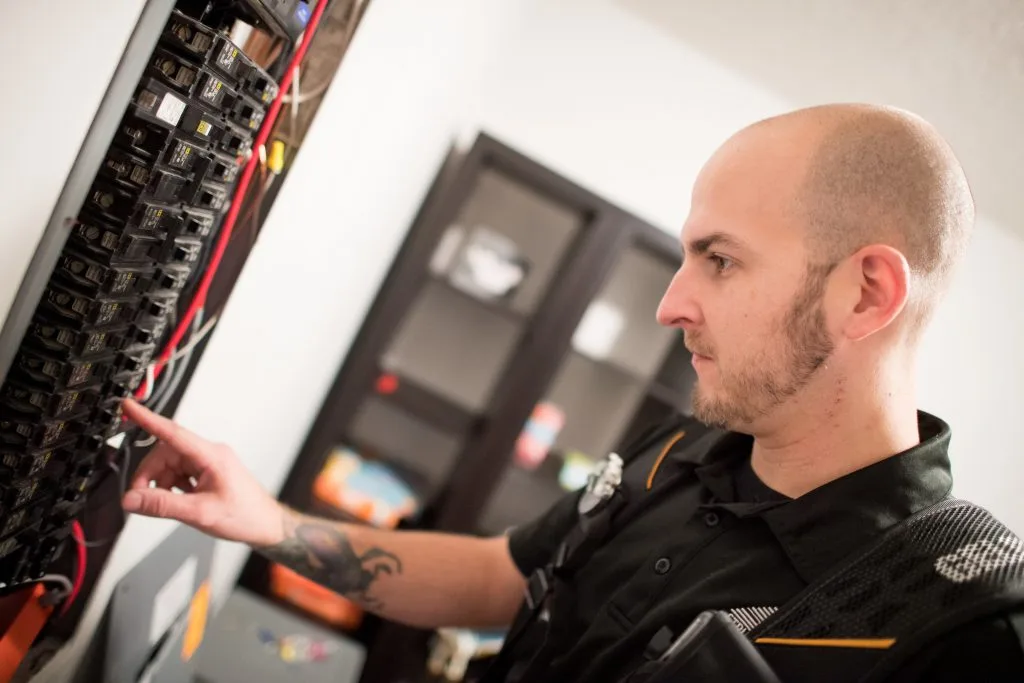
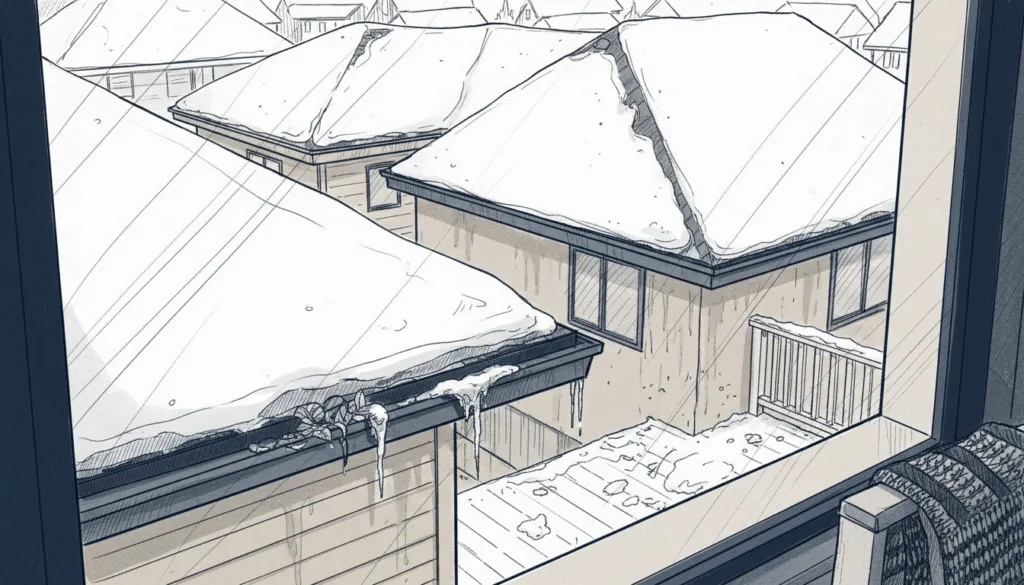
In Chicago, hidden problems like foundation cracks or outdated mechanical systems can derail a transaction, creating stress for both Realtors and buyers. Understanding these common inspection challenges offers crucial protection and smarter negotiation strategies, so your next purchase or sale stands on solid ground.
Table of Contents
- What Inspection Issues Mean For Homebuyers
- Major Types Of Inspection Issues Found
- Chicago’s Most Common Structural Concerns
- Electrical, Plumbing, And HVAC Deficiencies
- Risks And Impacts For Buyers And Sellers
What Inspection Issues Mean for Homebuyers
Home inspection issues represent critical insights that can dramatically impact a property purchase in Chicago. For most homebuyers, understanding these potential problems means the difference between a sound investment and an expensive mistake. Detailed home inspections protect buyers from unexpected repair costs and structural complications that might not be visible during initial property tours.
In the competitive Chicago real estate market, inspection issues can range from minor cosmetic concerns to significant structural problems that could require substantial financial investment. Common challenges include foundation cracks, outdated electrical systems, roof deterioration, plumbing inefficiencies, and potential moisture damage. These issues are particularly prevalent in older neighborhoods like Wicker Park, Lincoln Park, and Bucktown, where historic homes often have hidden maintenance requirements.
Effective home inspections provide buyers with negotiation leverage and comprehensive understanding of a property’s true condition. Buyers can use inspection reports to request repairs, negotiate price reductions, or even withdraw from a potential purchase if significant problems are discovered. Professional home inspectors trained in Chicago’s unique housing landscape can identify region-specific concerns like winter weather damage, soil movement, and aging infrastructure that might not be immediately apparent.
Pro tip: Always attend the home inspection personally and ask detailed questions about any discovered issues to fully understand potential repair costs and future maintenance requirements.
Major Types of Inspection Issues Found
Home inspections in Chicago reveal a diverse range of structural and functional problems that can significantly impact property value and safety. Systematic inspection approaches help identify critical issues across multiple categories, ensuring homebuyers understand potential risks before finalizing their purchase.
Structural issues represent the most concerning category of inspection findings. These include foundation problems like settling, cracking, or moisture infiltration, which are especially common in older Chicago neighborhoods with variable soil conditions. Electrical systems frequently present challenges, with outdated wiring, insufficient amperage, and non-compliant panel configurations discovered in homes built before 1980. Roofing defects also rank high, with Chicago’s harsh winter weather accelerating wear on shingles, flashing, and underlying structural components.
Mechanical and environmental inspection issues encompass additional critical areas of concern. Plumbing systems often reveal hidden problems such as corroded pipes, inadequate water pressure, and potential lead contamination in older properties. HVAC systems may demonstrate inefficient performance, requiring expensive upgrades or complete replacement. Moisture-related problems like mold growth, water damage, and inadequate ventilation can create significant health and structural risks, particularly in basement and crawl spaces typical of Chicago’s housing stock
Pro tip: Request a comprehensive written report with detailed photographic documentation during your home inspection to thoroughly understand and communicate potential repair needs.
Here’s a summary of major inspection issues and their possible impacts on Chicago homebuyers:
| Inspection Issue Type | Typical Impact on Buyers | Potential Cost Range |
|---|---|---|
| Foundation problems | Reduced property stability | $5,000–$25,000 |
| Electrical deficiencies | Safety, insurability concerns | $2,000–$15,000 |
| Roofing concerns | Weather damage, leaks | $3,000–$12,000 |
| Plumbing inefficiencies | Water health, repairs needed | $1,500–$10,000 |
| HVAC system failures | Comfort, high energy bills | $2,500–$8,000 |
| Moisture/mold issues | Health, structural decay | $1,000–$7,000 |
Chicago’s Most Common Structural Concerns
Chicago’s unique architectural landscape and challenging environmental conditions create a distinctive set of structural challenges for homeowners. Foundation cracks in Chicago represent one of the most prevalent and potentially expensive structural issues facing residential properties throughout the metropolitan area. The city’s expansive clay soils, dramatic temperature fluctuations, and historical building techniques contribute to complex structural vulnerabilities that demand careful assessment.
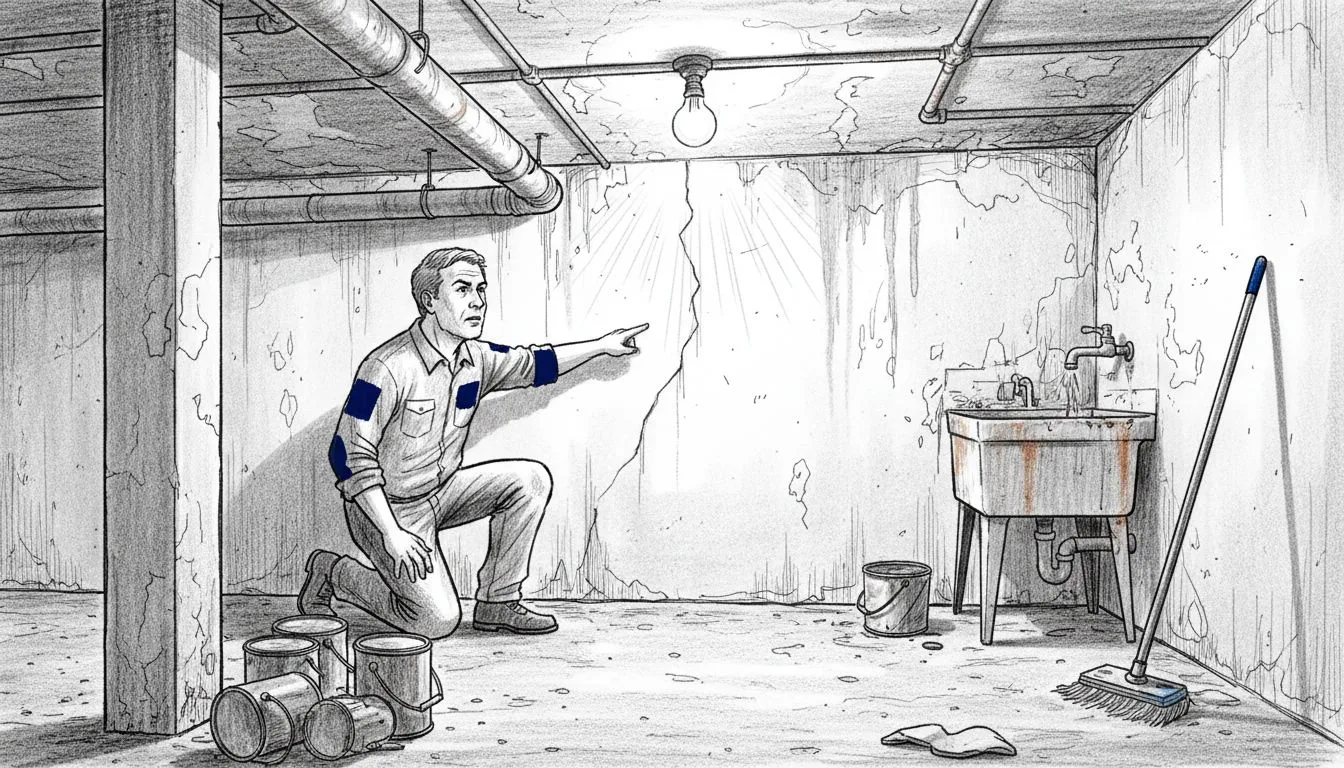
Foundation problems typically manifest through several characteristic indicators specific to Chicago’s housing stock. Horizontal wall cracks, especially in basements of older brick and stone structures, signal potential serious structural movement. Uneven floor surfaces, particularly in vintage homes in neighborhoods like Wicker Park and Logan Square, often indicate underlying foundation settlement. Vertical hairline cracks less than 1/8 inch wide might represent normal concrete settling, while wider fractures suggest more significant structural stress requiring professional intervention.
Beyond foundation concerns, Chicago homes frequently encounter additional structural challenges related to age and environmental stress. Roof structural integrity becomes critical given the city’s harsh winter conditions, with snow load and ice damming creating potential compromise points. Framing issues in older wood-frame houses, common in areas like Bucktown and Ukrainian Village, can include wood rot, termite damage, and inadequate original construction techniques. Wall reinforcement, particularly in brick veneer and balloon-frame structures built before 1950, often requires specialized assessment to ensure long-term stability and safety.
Pro tip: Photograph and document any visible structural concerns during your initial home viewing to provide detailed reference points for professional home inspectors.
Electrical, Plumbing, and HVAC Deficiencies
Chicago homes, particularly those in historic neighborhoods, frequently encounter complex mechanical system challenges that can significantly impact property value and livability. Electrical home inspection red flags reveal systemic problems inherent in the city’s aging residential infrastructure, where outdated wiring and insufficient electrical capacity pose substantial safety risks.
Electrical deficiencies often emerge as the most critical concern in older Chicago properties. Knob and tube wiring, common in homes built before 1950, represents a significant hazard, potentially rendering properties uninsurable and requiring complete system replacement. Insufficient amperage in vintage electrical panels cannot support modern appliance loads, creating potential fire risks. Ungrounded outlets, improper circuit configurations, and aluminum wiring installations further compound these electrical system vulnerabilities, especially in neighborhoods like Bucktown, Lincoln Park, and Wicker Park.
Plumbing and HVAC systems present equally challenging inspection concerns unique to Chicago’s housing market. Lead water service lines, prevalent in homes constructed before 1986, represent a serious health risk and often require complete replacement. Cast iron drain pipes, typical in older buildings, frequently suffer from corrosion and internal degradation, potentially leading to catastrophic sewage backups. HVAC systems in Chicago homes must withstand extreme temperature variations, with heating and cooling equipment experiencing accelerated wear due to harsh winter conditions and humid summers. Inefficient furnaces, outdated air conditioning units, and poorly maintained ductwork can result in significant energy inefficiency and substantial repair costs.
Pro tip: Request infrared thermal imaging during your home inspection to reveal hidden electrical, plumbing, and HVAC system deficiencies not visible through standard visual assessment.
Risks and Impacts for Buyers and Sellers
The home inspection process introduces substantial financial and legal implications for both buyers and sellers in Chicago’s dynamic real estate market. Home inspection impacts fundamentally transform transaction dynamics, creating potential negotiation points and revealing critical property condition information that can dramatically alter sale outcomes.
Buyers face significant risks when purchasing properties without comprehensive inspections. Undetected structural, electrical, or mechanical deficiencies can translate into thousands of dollars in unexpected repair costs. In Chicago’s diverse housing market, particularly in older neighborhoods like Logan Square and Pilsen, hidden issues such as foundation problems, outdated electrical systems, or plumbing deterioration can substantially diminish property value. Buyers who discover major defects during inspections may negotiate price reductions, request specific repairs, or potentially withdraw from the transaction entirely.
Sellers encounter equally complex challenges during the inspection process. Proactive sellers in Chicago increasingly recognize the value of pre-listing inspections to identify and address potential issues before market listing. By resolving problems in advance, sellers can prevent last-minute transaction complications, reduce negotiation friction, and potentially command higher sale prices. Unresolved inspection findings can lead to reduced offers, extended market time, or complete transaction failures, making transparent and thorough property preparation crucial in maintaining market competitiveness.
Compare key benefits of pre-listing and post-offer inspections for Chicago sellers:
| Inspection Timing | Main Advantages | Risks Reduced |
|---|---|---|
| Pre-listing | Higher sale price potential | Fewer deal interruptions |
| After offer | Targeted issue resolution | Negotiation leverage |
| No inspection | Faster sales process | Undetected defects exposure |
Pro tip: Consider obtaining a professional home inspection before listing or purchasing to uncover potential issues and strategically manage transaction risks.
Protect Your Chicago Home Investment with Expert Inspection Services
Understanding common inspection issues like foundation problems, electrical deficiencies, and HVAC failures is crucial for every Chicago homebuyer or seller. These surprising challenges can lead to costly repairs or stalled transactions if left unchecked. Whether you are navigating older neighborhoods with aging infrastructure or newer constructions, having a trusted professional by your side provides peace of mind and confidence during the buying or selling process.
Avoid unexpected expenses and negotiation headaches by scheduling a Buyer Pre-Purchase Inspection or a Seller Pre-Listing Inspection with our licensed, InterNACHI-certified team. We offer comprehensive assessments tailored to Chicago’s unique housing needs including mold testing and radon evaluations. Don’t wait for hidden defects to become costly nightmares. Take control of your property’s future today by booking a home inspection at Chicago Home Inspector Services and secure your investment with knowledge you can trust.
Frequently Asked Questions
What are common structural issues found during home inspections in Chicago homes?
Common structural issues include foundation cracks, uneven floor surfaces, and roof integrity concerns due to harsh weather conditions. These problems can signal serious structural concerns that may need timely professional assessment.
How can electrical deficiencies affect homebuyers in Chicago?
Electrical deficiencies can pose safety risks, potentially resulting in fire hazards and insurance complications. Outdated wiring and insufficient capacity are particularly common in older homes and may require system upgrades or complete replacements.
What plumbing issues should buyers be aware of during a home inspection?
Homebuyers should watch for signs of corroded pipes, lead contamination, and inefficient water pressure. Lead service lines, especially in older homes, pose health risks and typically necessitate full replacements.
What steps can sellers take to prepare for a home inspection?
Sellers can conduct pre-listing inspections to identify and address potential issues, helping to avoid negotiation friction later. Proactive maintenance can increase the likelihood of higher sale prices and smoother transactions.
Recommended
- Top 5 Hidden Issues Buyers Miss During Showings | Chicago Home Inspect LLC
- Most Overlooked Defects Found in Chicago Home Inspections
- Common Issues Home Inspectors in Chicago Find
- Home Inspection Checklist 2026: Chicago Buyer’s Guide | Chicago Home Inspect LLC
- Reliable Roof Repair in Melbourne, FL | Storm, Leak and Emergency Repairs