

Real estate deals fall apart more often than you might think, and inspection problems are the number one culprit. Electrical faults, water damage, foundation cracks, radon, mold, and lead paint top the list of deal killers. Understanding these issues before you reach the inspection stage gives you negotiating power and helps you set realistic expectations. This guide breaks down the most common inspection problems threatening Chicago transactions and shows you how to navigate them without losing the deal.
Table of Contents
- Key takeaways
- Understanding the criteria that kill deals: what to focus on during inspections
- Top inspection issues in Chicago that kill deals
- Comparing inspection issues: repair costs, deal impact, and negotiation tips
- Navigating negotiations: tips to save deals after tough inspections
- Explore Chicago home inspection services to avoid deal killers
- Frequently asked questions
Key Takeaways
| Point | Details |
|---|---|
| Electrical risks | Electrical problems appear in most Chicago inspections and can derail deals when not addressed. |
| Water damage | Water intrusion is common and hidden damage can require expensive repairs, affecting negotiation leverage. |
| Foundation issues | Soil movement and visible cracks raise price and maintenance concerns, with repairs often exceeding ten thousand dollars. |
| Chicago specifics | Radon, mold, and lead paint concerns are common to Chicago homes and should shape expectations before negotiations. |
| Credits preferred | Offering credits at closing is usually preferred to avoid scheduling and coordinating repairs that could derail a deal. |
Understanding the criteria that kill deals: what to focus on during inspections
Not every inspection finding threatens your transaction. Prioritize safety, structure, roof, water, electrical, plumbing, HVAC in negotiations; credits often preferred to keep deals moving forward. When you know which issues matter most, you can separate deal breakers from cosmetic concerns.
Focus your attention on these critical areas during negotiations:
- Safety hazards that pose immediate risk to occupants
- Structural integrity issues affecting the home’s foundation or framing
- Roof condition and remaining lifespan
- Water intrusion and drainage problems
- Electrical system capacity and code compliance
- Plumbing functionality and material condition
- HVAC system operation and efficiency
Credits work better than repair demands in most Chicago transactions. Buyers get cash at closing to handle fixes on their timeline, and sellers avoid the hassle of coordinating contractors under pressure. This approach keeps deals on track when time matters.
Pro Tip: Create a negotiation priority checklist before the inspection. Rank issues by safety risk and repair cost, then focus only on the top three to five items. This prevents negotiation fatigue and shows sellers you’re reasonable.
Educate your buyers early about the difference between major defects and normal wear. Every home has minor issues, but only structural problems, safety hazards, and expensive system failures should trigger renegotiation. Setting these expectations before the inspection report arrives prevents emotional reactions that kill deals.
Use a systematic approach when reviewing common issues home inspectors in Chicago discover. Start with safety, move to structure, then address major systems. This framework helps everyone stay focused on what truly matters. Address top inspection questions Chicago buyers ask before the inspection to build confidence.
Top inspection issues in Chicago that kill deals
Electrical problems dominate inspection reports across Chicago. These numbers reflect real risk, not inspector pickiness. Outdated wiring, overloaded panels, and missing GFCI outlets in wet areas create fire hazards that lenders often refuse to ignore.
Water damage ranks second but carries hidden costs. Surface stains signal deeper problems like rotted framing, compromised insulation, and mold growth. Chicago’s humidity and aging infrastructure make water intrusion common in basements, around windows, and through roofs. Small leaks compound over time, turning minor repairs into major remediation projects.
Foundation issues terrify buyers for good reason. Chicago sits on expansive clay soil that swells when wet and shrinks when dry. This constant movement creates cracks in foundations and basement walls. Vertical cracks under a quarter inch wide rarely threaten structural integrity, but horizontal cracks, stair step patterns, and bowing walls signal serious problems. Repair costs escalate quickly, often exceeding $10,000 for stabilization work.
Chicago specific concerns add complexity to standard inspections:
- Radon gas concentration from natural uranium decay in soil
- Mold growth from basement moisture and poor ventilation
- Lead paint in homes built before 1978
- Asbestos in older insulation and floor tiles
Testing takes 48 hours minimum, so schedule it early. Mitigation systems cost $1,200 to $2,500 installed but give buyers peace of mind about long term health risks.
Mold appears wherever moisture lingers. Bathrooms, basements, and crawl spaces provide perfect growing conditions. Surface mold wipes away easily, but hidden growth inside walls requires professional remediation. Testing identifies the mold type and extent before you negotiate remediation costs.
Pro Tip: Order radon and mold testing at the same time as your general inspection. Getting all results together prevents multiple negotiation rounds that frustrate sellers and risk deals. Learn more about foundation issues Chicago homes face and review real inspection issues Chicago examples to prepare.
Comparing inspection issues: repair costs, deal impact, and negotiation tips
Understanding relative severity helps you negotiate smarter. Each major issue carries different costs, urgency levels, and deal impact.
| Issue Type | Typical Repair Cost | Deal Risk Level | Best Negotiation Approach |
|---|---|---|---|
| Electrical | $500 to $3,000 | High | Credit for full cost plus 10% buffer |
| Water damage | $1,000 to $15,000 | Very High | Require professional assessment first |
| Foundation | $5,000 to $25,000 | Extreme | Request structural engineer report |
| Radon | $1,200 to $2,500 | Medium | Seller installs system before closing |
| Mold | $500 to $6,000 | High | Professional remediation with clearance testing |
| Lead paint | $8,000 to $15,000 | Medium | Disclosure only unless actively deteriorating |
Electrical repairs vary by scope but rarely threaten deals when handled properly. Panel upgrades, rewiring sections, and adding GFCI protection fall within reasonable negotiation range. Buyers appreciate credits that let them choose their own electrician and schedule work conveniently.
Water damage requires immediate attention to prevent ongoing deterioration. Minor leaks cost hundreds to fix, but extensive damage involving mold, structural wood replacement, and waterproofing reaches five figures quickly. Always get a contractor assessment before finalizing repair terms.
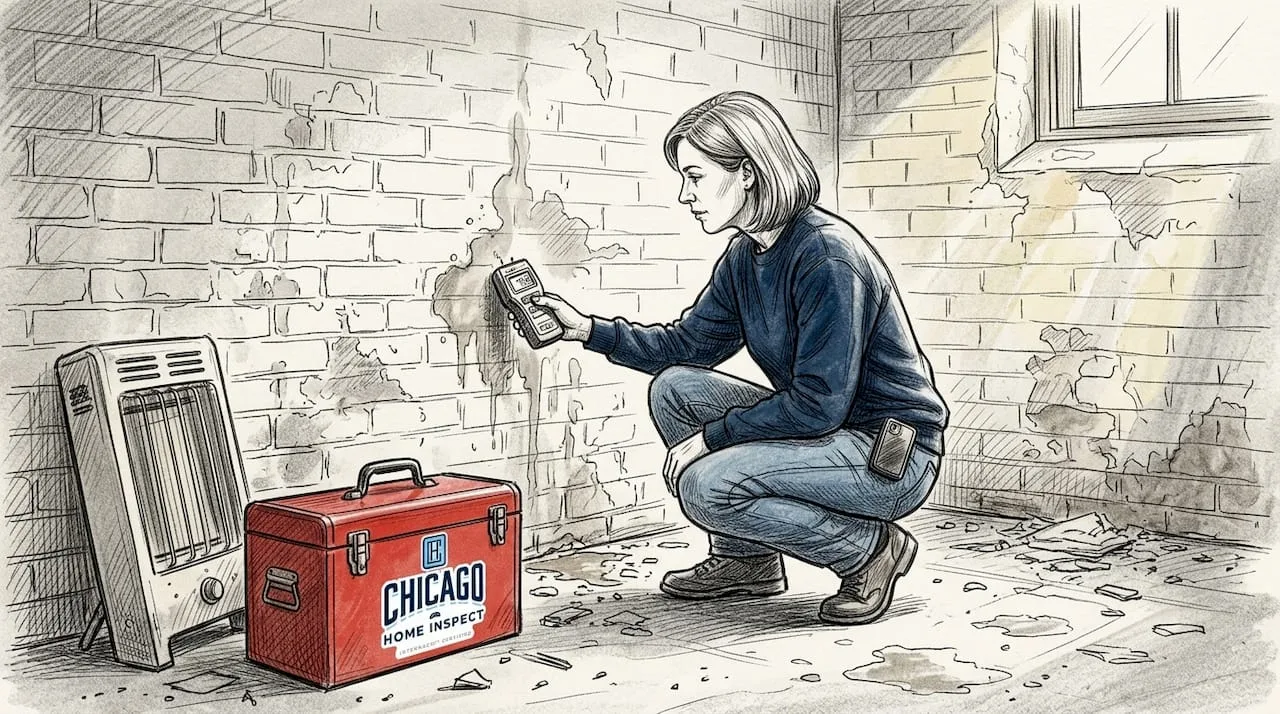
Foundation problems present the highest stakes. Major foundation work scares lenders and buyers equally. Structural engineer reports provide objective analysis of severity and recommended repairs. Some cracks need monitoring, not immediate repair, which changes negotiation dynamics completely.
Radon and lead paint require specialized handling but follow predictable patterns. Radon mitigation works reliably and costs stay consistent. Lead paint in good condition poses minimal risk, but peeling or chipping paint demands professional abatement, especially in homes with young children.
Credits maintain deal momentum better than repair requirements. Sellers avoid contractor coordination stress, buyers control the work quality and timing, and closing dates stay on track. This approach works for everything except urgent safety hazards requiring immediate attention.
Understand home inspection red flags Chicago buyers must recognize to negotiate from a position of knowledge. Focus negotiations on issues that genuinely affect home value, safety, or livability rather than cosmetic preferences.
Navigating negotiations: tips to save deals after tough inspections
Successful negotiation starts before the inspection report arrives. Set clear expectations with buyers about normal home conditions and typical defect ranges. This prevents shock when minor issues appear in the report.
Follow this negotiation framework to preserve deals:
- Review the inspection report together and separate major issues from minor defects
- Get contractor estimates for significant repairs to establish realistic costs
- Prioritize safety hazards and structural concerns over cosmetic items
- Request credits rather than repairs to maintain closing timeline
- Limit negotiation to one comprehensive request instead of multiple rounds
- Keep communication professional and focus on facts rather than emotions
Credit negotiations work best in Chicago’s competitive market. Buyers receive funds at closing to address repairs on their schedule. Sellers avoid the complexity of hiring contractors and managing work quality. Both parties move toward closing without delay.
Limit your negotiation rounds to avoid deal fatigue. Sellers grow frustrated with repeated requests and may walk away entirely. Buyers lose leverage with each additional demand. Make one strong, reasonable request covering all significant issues.
Pro Tip: Engage a local inspector familiar with Chicago’s clay soil foundation issues and radon patterns. Their experience helps you understand which findings are typical for the area versus genuine red flags requiring action.
Professional inspections early in the process prevent surprises. Pre-listing inspections let sellers address problems before listing or price accordingly. Pre-purchase inspections give buyers confidence and clear negotiating positions. Both approaches reduce last minute deal failures.
Maintain open communication among all parties throughout the inspection and negotiation process. Realtors who facilitate honest conversations between buyers and sellers find solutions that preserve deals. Transparency about concerns, costs, and priorities helps everyone reach agreement.
“The deals that fall apart after inspections usually involve unrealistic buyer expectations or sellers who won’t negotiate at all. Setting the right tone before inspection day makes all the difference. Focus on the major issues, be reasonable about costs, and keep the timeline moving. Most problems have solutions if both parties want to close.”
Address common inspection issues Chicago homes present proactively. When you know what to expect, you can negotiate confidently and keep deals on track toward successful closing.
Explore Chicago home inspection services to avoid deal killers
Preventing inspection surprises starts with thorough professional evaluation. Early detection of electrical problems, water damage, foundation issues, and Chicago specific concerns like radon and mold gives you negotiating power and protects your investment.
Chicago Home Inspect LLC provides comprehensive inspection services tailored to local conditions. Our InterNACHI certified inspectors understand Chicago’s unique challenges, from clay soil foundation movement to radon prevalence in the area. We identify problems before they kill your deal.
Specialized testing addresses the concerns that matter most in Chicago. Professional radon testing services deliver accurate results within 48 hours. Mold testing for Chicago homes identifies hidden growth and guides remediation decisions. These targeted services prevent negotiation surprises.
Pre-purchase inspections in Chicago give buyers confidence and clear understanding of property condition before finalizing offers. Knowledge is power in real estate negotiations, and thorough inspection provides the foundation for smart decisions.
Frequently asked questions
What inspection issues most commonly kill deals in Chicago?
Electrical problems, water damage, and foundation cracks cause most deal failures in Chicago. Radon levels requiring mitigation, extensive mold growth, and lead paint in poor condition also terminate contracts frequently. These issues either cost too much to repair or create safety concerns that buyers and lenders cannot accept.
Should buyers request repairs or credits after inspection?
Credits work better than repair demands in most situations. Buyers receive money at closing to hire their own contractors and schedule work conveniently. Sellers avoid coordinating repairs under time pressure. This approach keeps closing dates on track and reduces friction between parties. Request repairs only for urgent safety hazards.
When should I schedule radon and mold testing?
Schedule radon and mold testing at the same time as your general home inspection. Radon tests require 48 hours minimum, and mold sampling takes several days for lab analysis. Getting all results together prevents multiple negotiation rounds that frustrate sellers and risk deals. Early testing also allows time for mitigation if needed before closing.
How can sellers avoid inspection related deal failures?
Pre-listing inspections identify problems before buyers discover them. This lets you address major issues, price the home appropriately, or prepare disclosure statements. Buyers appreciate transparency and feel more confident making offers. You also avoid last minute negotiation surprises that kill deals. Review most overlooked defects in Chicago to prepare your property.
What foundation cracks should worry buyers in Chicago?
Horizontal cracks, stair step patterns in block walls, and bowing basement walls signal serious structural problems requiring professional evaluation. Vertical cracks under a quarter inch wide rarely threaten structural integrity in Chicago’s clay soil conditions. Always request a structural engineer assessment for concerning foundation issues before proceeding with purchase. Repair costs vary dramatically based on crack type and severity.