
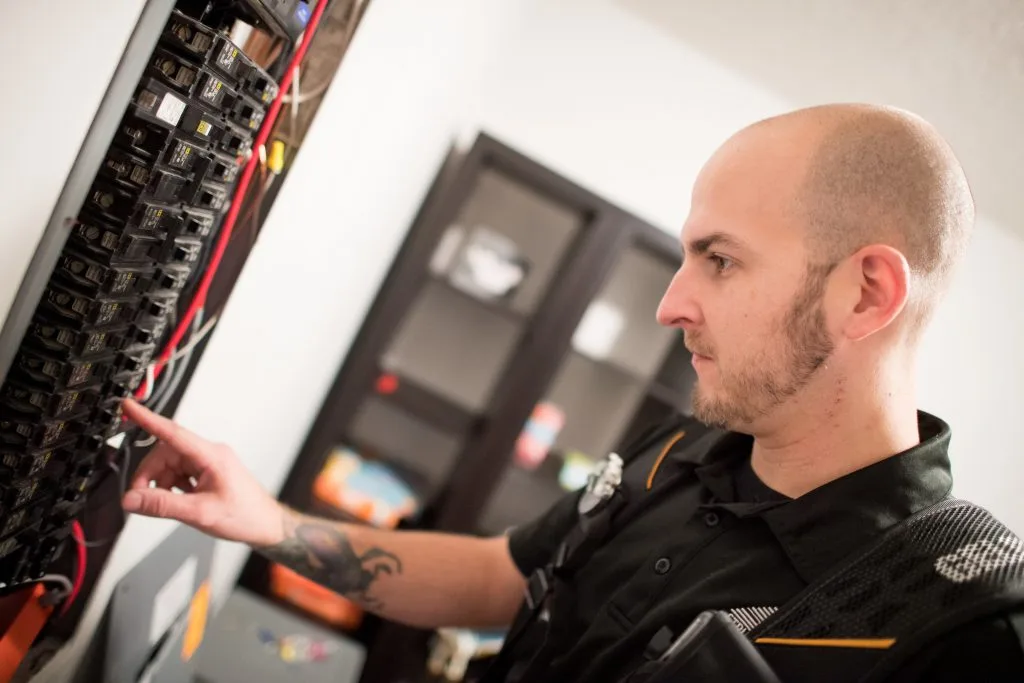
Basement flooding hits Chicago homes hard, with recent reports showing that a single storm can lead to damage costs of $20,000 to $50,000. Most homeowners never expect their sump pump to fail until it’s too late and water starts rising fast. Chicago’s clay soil and frequent rain make reliable basement protection more important than ever. Knowing the warning signs, risks, and ways to prevent disaster can help you safeguard your property and finances.
Table of Contents
- What Happens When Sump Pumps Fail
- Common Causes of Basement Flooding in Chicago
- Real Costs of Basement Water Damage
- Insurance Coverage and Local Requirements
- Home Inspection and Prevention Strategies
Key Takeaways
| Point | Details |
|---|---|
| Sump Pump Failure Risks | Understanding common failures such as power outages and clogged pipes is crucial for maintaining functionality. Proactive maintenance can prevent catastrophic water damage. |
| Financial Implications of Flooding | Basement flooding can result in repair costs ranging from $5,000 to $50,000, along with potential property value loss of 10-25%. xInvesting in prevention is essential for long-term financial security. |
| Insurance Awareness | Homeowners should review their insurance policies for sump pump coverage and explore supplemental options to guard against water damage costs. |
| Prevention Strategies | Implementing effective measures such as regular maintenance checks and installing backup systems can dramatically reduce flooding risks in basements. |
What Happens When Sump Pumps Fail
A failed sump pump can transform your Chicago basement from a dry sanctuary into a water-logged disaster zone faster than Lake Michigan waves crash onto shore. According to Farm Bureau Financial Services, sump pump failures expose homeowners to significant risks including water damage, mold growth, and potential structural deterioration.
The cascade of potential failures is complex. Sump pump breakdowns can occur through multiple mechanisms:
- Power outages rendering the pump inoperable
- Stuck mechanical switches
- Motor burnout
- Clogged discharge piping
- Aging mechanical components
Chicagoland homeowners face unique challenges with basement flooding. Our city’s clay-heavy soil and frequent precipitation make sump pump reliability critical. Robinson Plumbing highlights that improper installation, lack of maintenance, and component age exponentially increase failure risks.
When a sump pump fails during heavy rain or snowmelt, water can rapidly accumulate. A typical Chicago basement can collect hundreds of gallons within hours, potentially causing $20,000 to $50,000 in damage. Your home’s foundation, electrical systems, and personal belongings become vulnerable the moment water begins rising. Early detection and proactive maintenance are your best defense against these potentially catastrophic failures.
Common Causes of Basement Flooding in Chicago
Basement flooding in Chicago isn’t just a minor inconvenience—it’s a complex urban challenge shaped by our city’s unique geographical and infrastructural characteristics. Chicago Water and Fire reveals multiple critical factors contributing to basement water intrusion, including urban flooding, sewer backups, high water table pressure, and aging municipal infrastructure.
Our city’s environmental landscape presents specific flooding risks:
- Heavy rainfall overwhelming drainage systems
- High Lake Michigan water levels
- Clogged residential gutters
- Outdated stormwater management infrastructure
- Clay-heavy soil preventing effective water absorption
Arco Plumbing emphasizes that spring rainstorms pose particular challenges for Chicago homeowners. Older neighborhoods with legacy stormwater systems are especially vulnerable, where decades-old pipes and drainage networks struggle to manage modern precipitation volumes.
The city’s geological makeup compounds these risks. Chicago’s proximity to Lake Michigan, combined with dense urban development and complex underground infrastructure, creates a perfect storm for potential basement flooding. A single heavy rainstorm can quickly overwhelm local drainage capabilities, turning basement spaces into unexpected swimming pools and potentially causing tens of thousands of dollars in damage. Understanding these local environmental dynamics is crucial for proactive home maintenance and flood prevention.
Here’s a summary of common causes, risks, and financial impacts of basement flooding in Chicago:
| Category | Common Causes | Main Risks | Typical Costs |
|---|---|---|---|
| Sump Pump Failure | Power outage Clogged pipes Old parts |
Water damage Mold Structural harm |
$20,000–$50,000 |
| Urban Flooding | Heavy rain Poor drainage Full sewers |
Rapid water ingress Property loss |
$5,000–$50,000 |
| Sewer Backup | Aging pipes Blocked drains |
Contaminated water Mold |
$6,000–$30,000 |
| High Water Table Pressure | Clay soil Lakeshore proximity |
Foundation cracks Ongoing seepage |
Value loss 10–25% |
Real Costs of Basement Water Damage
Basement water damage isn’t just a messy inconvenience—it’s a financial nightmare that can devastate Chicago homeowners. Basement Authority of West Virginia reveals that water intrusion can trigger a cascade of expensive repairs, from structural damage to complete personal property replacement.
The financial impact of basement flooding can be staggering:
- Structural repair costs ranging from $5,000 to $50,000
- Mold remediation expenses between $500 and $6,000
- Personal property replacement potentially exceeding $10,000
- Potential home value reduction of 10-25%
- Long-term insurance premium increases
Angi warns that water damage can cause permanent harm to a home’s structure and contents, creating not just financial strain but potential health risks from mold and bacterial growth. In Chicago, where basements are often critical living and storage spaces, these damages can be particularly devastating.
Beyond immediate repair costs, basement water damage carries hidden long-term expenses. Insurance complications, potential foundation weakening, and decreased property value can create financial repercussions that extend far beyond the initial flooding event. For Chicago homeowners, investing in preventative measures like robust sump pump systems and regular maintenance isn’t just smart—it’s a critical financial protection strategy.
Insurance Coverage and Local Requirements
Navigating the complex landscape of basement flood insurance in Chicago requires careful attention and proactive planning. Farm Bureau Financial Services warns that standard homeowners insurance often does not automatically cover damage from sump pump failures, making it critical for homeowners to understand their specific policy details.
Key insurance considerations for Chicago homeowners include:
- Requesting additional sump pump failure coverage
- Understanding specific exclusions in standard policies
- Documenting existing basement conditions
- Exploring supplemental flood insurance options
- Maintaining detailed maintenance records
La Grange, IL provides crucial local guidance, emphasizing the importance of immediate safety protocols during flood events. ComEd recommends contacting utility providers to safely disconnect electrical systems before entering a flooded basement, highlighting the intricate local requirements that can impact both insurance claims and personal safety.
Chicagoland homeowners must recognize that insurance coverage is not a one-size-fits-all solution. Each policy requires careful review, and proactive communication with insurance agents can mean the difference between financial protection and devastating out-of-pocket expenses. Local building codes, utility regulations, and neighborhood-specific flood risks all play critical roles in determining appropriate insurance coverage for basement water damage.
Home Inspection and Prevention Strategies
Preventive maintenance is the cornerstone of protecting your Chicago home from basement flooding risks. Arco Plumbing highlights several critical strategies that can dramatically reduce the likelihood of water intrusion and potential sump pump failures.
Key prevention strategies for Chicago homeowners include:
- Installing a robust sump pump system
- Maintaining clean and functional gutters
- Ensuring proper yard grading away from foundation
- Conducting regular basement waterproofing inspections
- Installing backup battery systems for sump pumps
- Implementing French drain or exterior drainage solutions
Professional home inspections play a crucial role in identifying potential vulnerabilities before they become costly problems. Chicago Home Inspect LLC’s guide on home inspection findings can help homeowners understand the early warning signs of potential water damage risks. These proactive assessments allow you to address minor issues before they escalate into major structural and financial challenges.
Chicago’s unique environmental conditions—from clay-heavy soils to intense seasonal precipitation—demand a comprehensive approach to basement water management. Regular maintenance, strategic home improvements, and professional inspections are not optional luxuries, but essential investments in protecting your property’s integrity and value. By implementing these targeted prevention strategies, homeowners can significantly mitigate the risk of devastating basement flooding.
Protect Your Chicago Home from Costly Basement Floods Today
Sump pump failure and basement flooding can cause devastating damage to your Chicago home. The risks go far beyond inconvenience. From structural harm to mold growth and expensive repairs, these problems demand early detection and proactive action. If you want to avoid the emotional and financial stress caused by unexpected water damage, professional home inspections are your best defense. Our expert team understands the unique challenges Chicago homeowners face with clay soils, aging infrastructure, and severe weather.
Don’t wait for a sump pump breakdown to put your home at risk. Get ahead with a thorough home inspection that identifies vulnerabilities before they become costly disasters. Whether you need a buyer pre-purchase inspection, seller pre-listing inspection, or yearly checkup, our licensed and insured professionals deliver detailed insights tailored for Chicago area properties. Protect your investment and peace of mind by scheduling an inspection now at Chicago Home Inspector. Act today to prevent basement flooding damages before the next storm hits.
Frequently Asked Questions
What are the common causes of sump pump failure?
Sump pump failure can occur due to power outages, stuck mechanical switches, motor burnout, clogged discharge piping, or aging mechanical components.
How much damage can a failed sump pump cause in my basement?
A failed sump pump can lead to significant damage, potentially costing between $20,000 to $50,000 depending on the extent of water accumulation and damage to structures and personal belongings.
What preventive measures can I take to avoid sump pump failure?
To prevent sump pump failure, consider installing a backup battery system, keeping gutters clean, ensuring proper yard grading away from the foundation, and regularly conducting basement waterproofing inspections.
Is flood insurance necessary for basement water damage from sump pump failures?
Yes, homeowners should consider additional sump pump failure coverage, as standard homeowners insurance often doesn’t cover damages from sump pump failures. It’s crucial to review your policy and explore supplemental flood insurance options.
Recommended
- How to Spot Water Damage Before It Becomes Costly
- Historic New York City Flooding and Electrocution Risks