

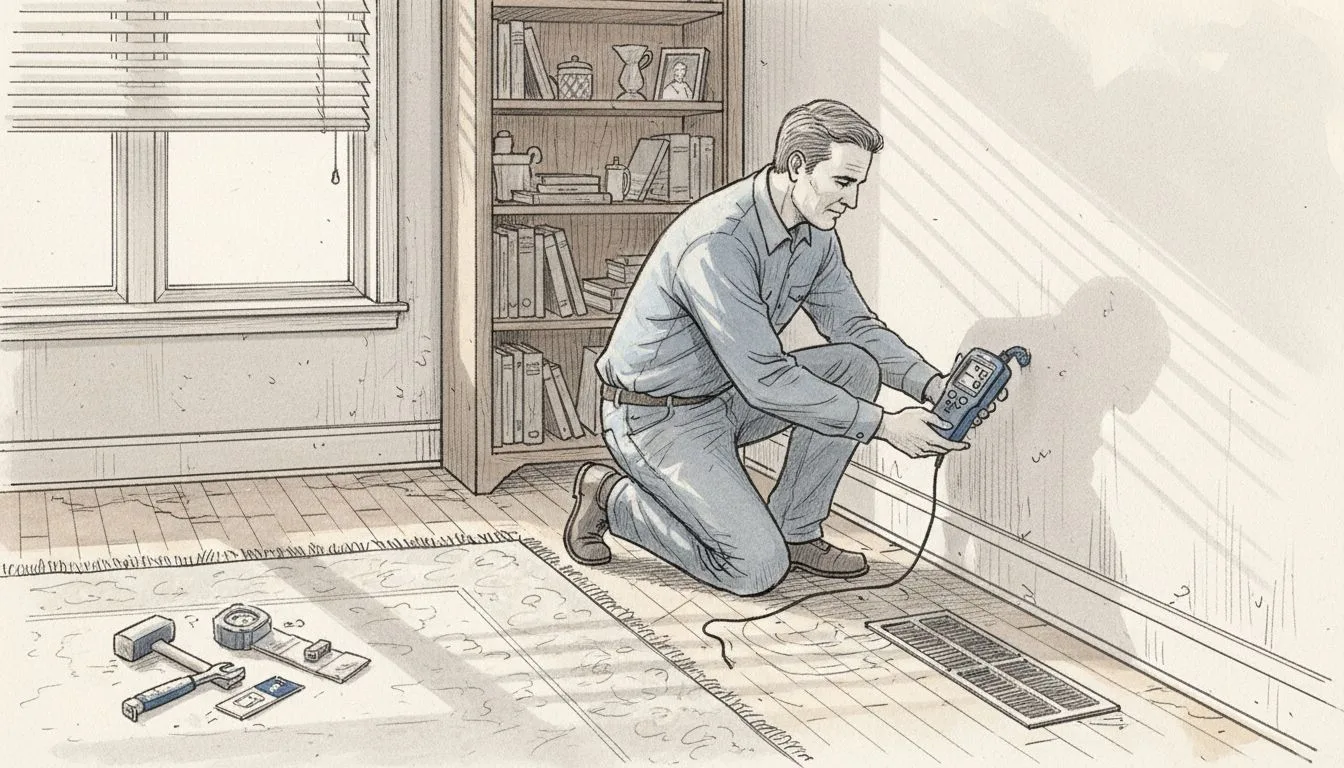
Facing Chicago’s unpredictable weather, many homeowners and buyers find themselves alarmed by the signs of moisture that can suddenly appear indoors. Unchecked water intrusion is not just about ugly stains or a musty smell—it becomes a serious threat to both property and personal health when left untreated. Understanding why moisture control matters and spotting hidden risks early gives you the power to prevent major repairs and create a safer, healthier Chicago home.
Table of Contents
- Defining Moisture Intrusion And Common Misconceptions
- Visible And Hidden Signs In Chicago Homes
- Causes Of Moisture Intrusion: Weather And Structure
- Health And Structural Risks Of Ignoring Moisture
- Inspection Strategies For Early Detection
- Prevention And Maintenance For Homeowners
Defining Moisture Intrusion and Common Misconceptions
Moisture intrusion is more than just a minor home maintenance issue—it’s a critical problem that can compromise your property’s structural integrity and your family’s health. Moisture control strategies are essential for protecting your Chicago home from potential damage and health risks.
At its core, moisture intrusion occurs when unwanted water penetrates your home’s building envelope, creating environments conducive to mold growth and structural deterioration. Unlike common misconceptions, moisture problems aren’t always immediately visible and can develop silently within walls, foundations, and crawl spaces. Key factors that contribute to moisture intrusion include:
- Inadequate exterior drainage
- Foundation cracks
- Roof leaks
- Plumbing failures
- Poor ventilation
- High indoor humidity levels
Mold spores are naturally present in our environment, but they transform from harmless particles to potential health hazards when moisture provides an ideal breeding ground. Contrary to popular belief, not all mold is toxic, but persistent moisture can lead to extensive damage and potential respiratory issues.
Homeowners often misunderstand the relationship between humidity and moisture problems. Indoor moisture control isn’t just about cleaning visible mold—it’s about understanding and managing the underlying moisture sources. Chicago’s climate, with its humid summers and cold winters, makes homes particularly susceptible to moisture-related challenges.
Moisture intrusion is not a cosmetic issue—it’s a structural and health concern that requires proactive management.
Pro tip: Conduct a comprehensive home moisture assessment annually, focusing on potential entry points and areas with limited ventilation to catch potential issues before they escalate.
Visible and Hidden Signs in Chicago Homes
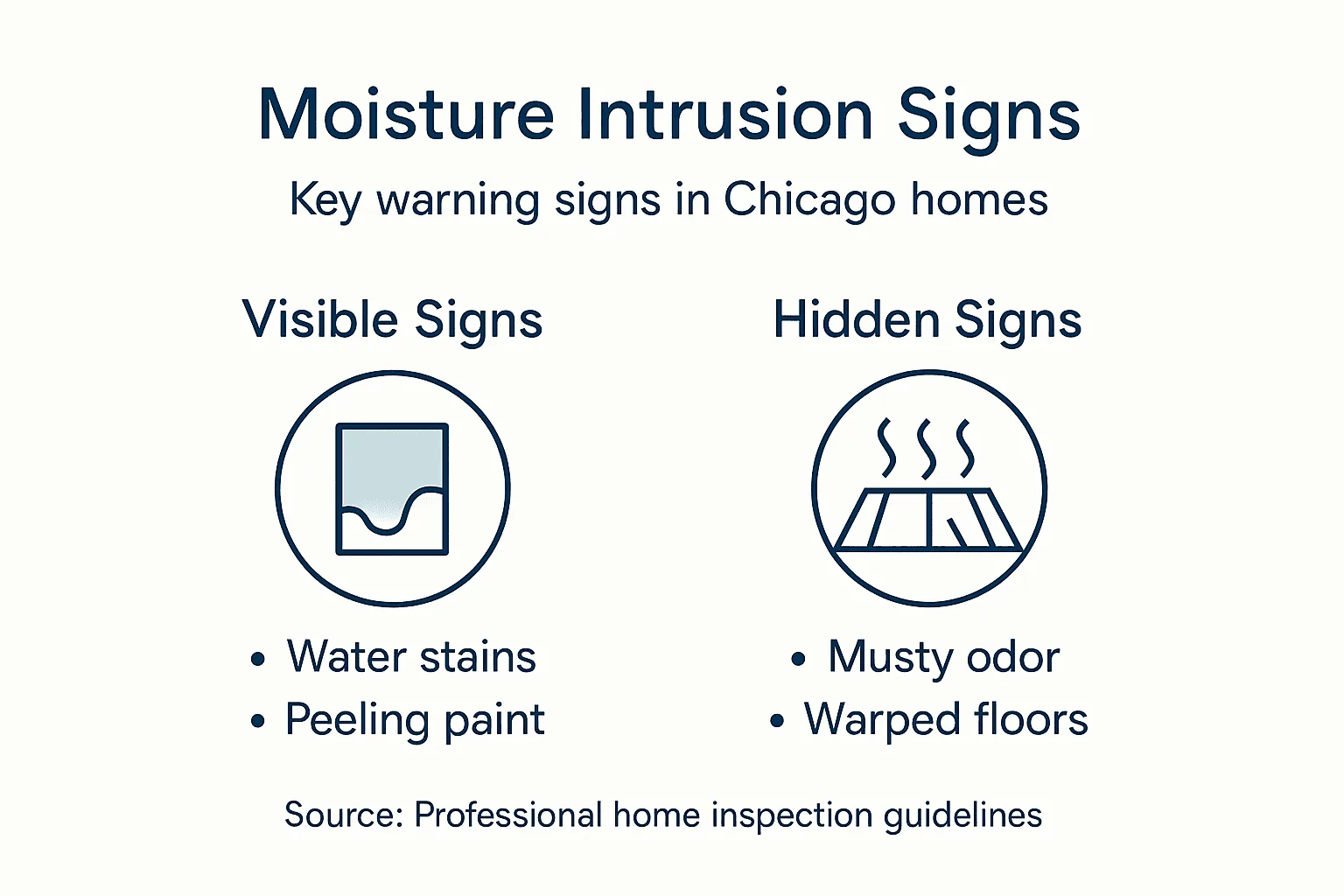
Moisture intrusion in Chicago homes presents unique challenges due to the city’s variable climate, with dramatic seasonal shifts that can expose properties to significant moisture risks. Moisture inspection techniques reveal both obvious and subtle indicators that homeowners should carefully monitor.
Visible signs of moisture intrusion are often the most recognizable and include:
- Water stains on walls and ceilings
- Peeling or bubbling paint
- Visible mold growth
- Warped wooden surfaces
- Rust or corrosion on metal fixtures
- White, chalky mineral deposits on walls
Hidden moisture signs can be far more insidious, developing silently within wall cavities, underneath flooring, and in less accessible areas of your home. These concealed indicators require more sophisticated detection methods and often involve specialized moisture detection equipment to identify potential problems before they become catastrophic.
Chicago’s extreme temperature variations—from humid summers to freezing winters—create perfect conditions for moisture-related issues. Condensation can form in roof cavities, behind walls, and in poorly ventilated spaces, leading to potential structural damage and health risks. Overlooked home defects frequently stem from undetected moisture problems that gradually compromise a home’s integrity.
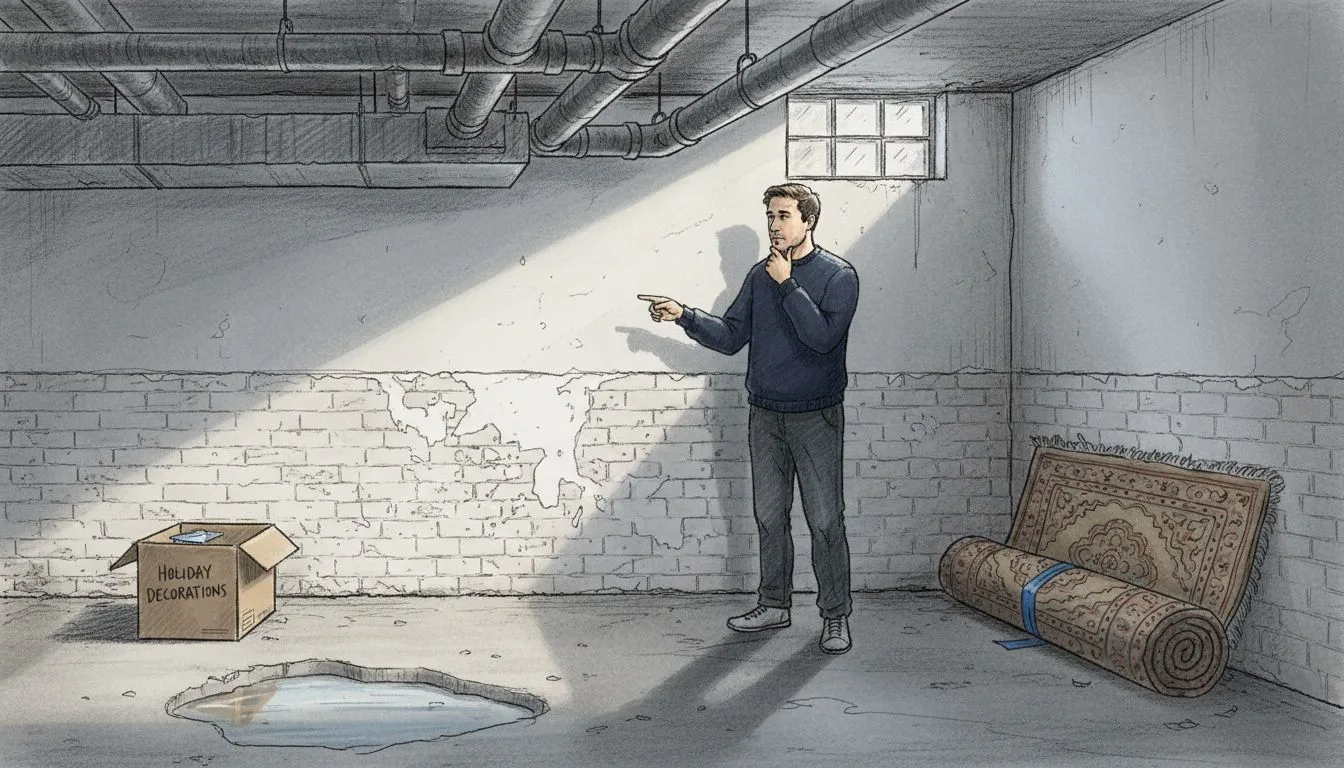
Here’s a look at how visible and hidden moisture issues affect Chicago homes differently:
| Aspect | Visible Moisture Issues | Hidden Moisture Issues |
|---|---|---|
| Detection | Easily noticed by homeowners | May require specialized tools |
| Typical Locations | Walls, ceilings, wood surfaces | Inside cavities, under floors |
| Repair Costs | Generally less costly if caught early | Can become expensive over time |
| Impact on Health | May trigger immediate symptoms | Long-term exposure increases risk |
| Risk of Delay | Moderate, if addressed quickly | High, due to silent progression |
Moisture intrusion is a silent destroyer that can compromise your home’s structural integrity and your family’s health.
Pro tip: Invest in a professional-grade moisture meter and conduct quarterly self-inspections, paying special attention to areas prone to humidity and water exposure.
Causes of Moisture Intrusion: Weather and Structure
Moisture intrusion in homes is a complex problem driven by multiple environmental and structural factors that can compromise your property’s integrity. Moisture intrusion mechanisms reveal a sophisticated interplay between weather conditions and building design that Chicago homeowners must understand to protect their investment.
The primary causes of moisture intrusion can be categorized into several key areas:
- Atmospheric conditions (rainfall, humidity)
- Structural vulnerabilities
- Plumbing system failures
- Ground-level moisture penetration
- Poor ventilation and insulation
- Roof and foundation weaknesses
Weather-related factors play a significant role in moisture problems, especially in Chicago’s extreme climate. Seasonal temperature fluctuations create unique challenges, with freezing winters and humid summers generating condensation, ice dams, and potential structural stress. Chicago weather damage can accelerate moisture intrusion through repeated freeze-thaw cycles that compromise building materials.
Structural issues compound weather-related risks, with common vulnerabilities including deteriorated roof flashing, compromised foundation seals, inadequate drainage systems, and improperly sealed window and door frames. These weak points allow moisture to penetrate building envelopes, creating long-term damage that can remain undetected for years.
Moisture intrusion is not just a surface problem—it’s a complex interaction between environmental forces and structural integrity.
Pro tip: Conduct annual professional inspections focusing on potential moisture entry points, especially before Chicago’s most extreme seasonal transitions.
Health and Structural Risks of Ignoring Moisture
Moisture intrusion is far more than a cosmetic concern—it represents a serious threat to both your home’s structural integrity and your family’s health. Mold and moisture risks can create extensive damage that goes well beyond surface-level problems, potentially compromising your entire living environment.
The health risks associated with unaddressed moisture intrusion are significant and wide-ranging:
- Respiratory complications
- Allergic reactions
- Asthma attacks
- Immune system challenges
- Potential neurological impacts
- Increased susceptibility to respiratory infections
Structural degradation occurs silently and systematically when moisture is left unchecked. Building materials like wood, drywall, and metal rapidly deteriorate when exposed to consistent moisture, leading to potential foundation issues, wood rot, and metal corrosion. Water damage consequences can transform minor issues into catastrophic structural failures that require extensive and expensive repairs.
People with pre-existing health conditions—such as asthma, allergies, or compromised immune systems—are particularly vulnerable to moisture-related health challenges. Mold spores produce allergens and toxins that can trigger severe respiratory responses, making early detection and intervention critical for maintaining a safe living environment.
Moisture intrusion silently undermines both your health and home, creating risks that extend far beyond simple water damage.
Pro tip: Invest in a professional moisture assessment annually, particularly before Chicago’s most extreme seasonal transitions, to catch potential issues before they become critical health and structural risks.
Inspection Strategies for Early Detection
Detecting moisture intrusion early requires a systematic and comprehensive approach that goes beyond surface-level observations. Moisture inspection techniques provide homeowners with critical strategies to identify potential problems before they escalate into costly repairs.
Professional moisture detection involves multiple specialized approaches:
- Visual inspection of potential moisture entry points
- Using moisture meters for precise measurements
- Infrared camera scanning
- Checking roof and foundation seals
- Evaluating drainage and ventilation systems
- Monitoring indoor humidity levels
- Documenting potential problem areas
Diagnostic tools play a crucial role in uncovering hidden moisture issues. Advanced technologies like infrared cameras can detect temperature variations that indicate moisture presence behind walls, under floors, and in other concealed spaces. Professional inspectors utilize these sophisticated instruments to reveal potential problems that might remain invisible to the naked eye.
Timely intervention is critical in moisture management. Hidden home inspection issues require prompt attention, as moisture can cause significant structural damage within 24-48 hours of initial exposure. Chicago homeowners should focus on comprehensive assessments that examine both obvious and potential hidden moisture sources throughout their property.
Early detection is the most cost-effective strategy in preventing extensive moisture-related damage.
Pro tip: Conduct thorough moisture inspections twice annually, focusing on areas with known vulnerability such as basements, attics, and areas near plumbing fixtures.
Prevention and Maintenance for Homeowners
Moisture prevention requires a proactive and systematic approach that addresses both immediate risks and long-term home health. Moisture control strategies empower Chicago homeowners to protect their most significant investment from potential water-related damage.
Effective moisture prevention involves multiple critical strategies:
- Maintaining consistent indoor humidity levels
- Regular roof and foundation inspections
- Ensuring proper exterior drainage
- Checking and repairing plumbing systems
- Using dehumidifiers in high-moisture areas
- Sealing potential entry points
- Maintaining adequate home ventilation
Seasonal maintenance plays a crucial role in moisture management. Chicago’s extreme temperature variations demand a comprehensive approach that adapts to changing weather conditions. Homeowners should pay special attention to potential moisture entry points during transitional seasons, when temperature and humidity fluctuations are most pronounced. Seasonal home maintenance becomes a critical defense against moisture intrusion.
Implementing a routine inspection and maintenance schedule can significantly reduce the risk of moisture-related damage. This includes checking roof flashings, examining foundation seals, cleaning gutters, and ensuring proper grading around the home’s exterior to direct water away from the foundation. Proactive homeowners understand that prevention is always more cost-effective than extensive repairs.
This table summarizes the impact of regular maintenance on moisture intrusion prevention:
| Maintenance Action | Frequency | Benefit |
|---|---|---|
| Roof and foundation checks | Annually | Early leak detection, prevents rot |
| Drainage system inspection | Each season | Stops water pooling near the foundation |
| Use of dehumidifiers | Ongoing in summer | Controls indoor humidity, reduces mold |
| Sealing entry points | Pre-winter & spring | Prevents cold weather water intrusion |
| Ventilation improvement | As needed | Reduces condensation risks indoors |
Consistent maintenance is the key to preventing moisture intrusion and protecting your home’s structural integrity.
Pro tip: Create a seasonal home maintenance checklist and set calendar reminders to conduct thorough moisture prevention inspections at least twice a year.
Protect Your Chicago Home from Moisture Intrusion Today
Moisture intrusion is a hidden threat that can silently damage your home’s structure and affect your family’s health. Signs like water stains, mold growth, and warped surfaces demand immediate attention to prevent costly repairs and health risks. If you want to safeguard your investment, understanding early detection and thorough inspection is critical. Our Home Inspection Services are designed to identify both visible and hidden moisture issues before they escalate.
Don’t wait until moisture causes irreversible damage. By scheduling a Professional Moisture Inspection, you gain peace of mind with expert evaluation from licensed and InterNACHI certified inspectors who know how to protect Chicago homes. Act now to book your inspection and stay ahead of problems with our comprehensive Yearly Home Checkup. Secure your home’s health and durability today by visiting Chicago Home Inspector to schedule your appointment.
Frequently Asked Questions
What are the common signs of moisture intrusion in homes?
Visible signs of moisture intrusion include water stains on walls and ceilings, peeling or bubbling paint, visible mold growth, warped wooden surfaces, rust on metal fixtures, and white, chalky mineral deposits on walls.
How can I detect hidden moisture intrusion in my home?
Using specialized moisture detection equipment, such as moisture meters and infrared cameras, can help identify hidden moisture issues within walls, floors, and other concealed areas of your home. Annual and seasonal inspections are also crucial.
What causes moisture intrusion in homes?
Moisture intrusion can be caused by several factors including inadequate drainage, roof leaks, plumbing failures, structural weaknesses, and high indoor humidity levels. Environmental conditions like heavy rainfall and temperature fluctuations can exacerbate these issues.
What health risks are associated with moisture intrusion?
Ignoring moisture intrusion can lead to significant health risks, including respiratory issues, allergic reactions, and potential neurological impacts, particularly for those with pre-existing health conditions like asthma and allergies.
Recommended
- Cracks, Stains, and Squeaks: Complete Home Guide | Chicago Home Inspect LLC
- 7 Common Home Inspection Findings You Should Know | Chicago Home Inspect LLC
- Why Invest in Residential Property: Building Wealth and Security | Bold Street AI
- 7 zasad skutecznej organizacji wnętrz – praktyczne porady | Przestrzeń Od Nowa
- Restoring Stained Glass Windows Guide for Historic Homes –