
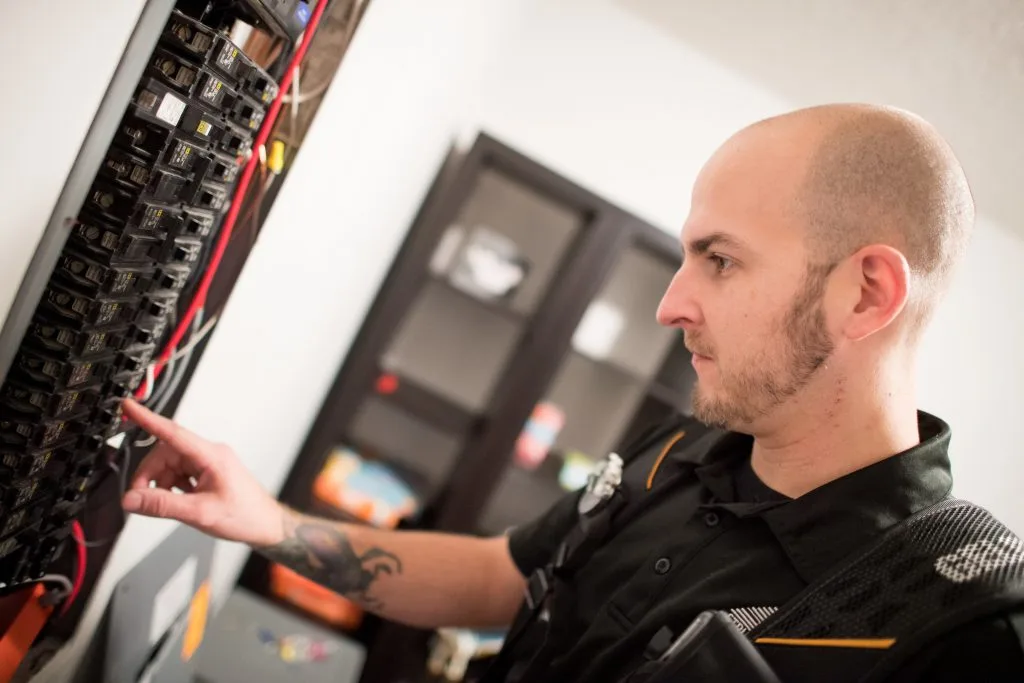
Did you know that Americans spend about 90 percent of their time indoors? This makes the air inside your home far more important than most people realize. Small rooms like utility areas can quietly collect moisture and pollutants that harm both your comfort and your health. Knowing which risks to watch for in these hidden spaces helps you protect your home environment and keep your family safer.
Key Takeaways
| Point | Details |
|---|---|
| Indoor Air Quality Is Critical | Poor utility room ventilation can lead to significant health risks, including respiratory irritation and long-term diseases. |
| Air Infiltration Issues | Uncontrolled air infiltration can deteriorate air quality, causing moisture and pollutant buildup. |
| Compliance with Standards | Understanding building codes and ventilation standards is essential for maintaining safety and health within utility spaces. |
| Proactive Ventilation Solutions | Implementing proper ventilation strategies, such as high-efficiency extract fans, is crucial for enhancing air quality. |
Table of Contents
- Defining Utility Room Ventilation Risks
- Common Types of Ventilation Issues
- Health Hazards of Poor Ventilation
- Building Codes and Chicago Area Standards
- How to Improve Air Quality Safely
Defining Utility Room Ventilation Risks
Utility rooms are often overlooked spaces in Chicago homes where critical mechanical systems reside – and they’re also potential breeding grounds for serious indoor air quality problems. Ventilation risks in these compact areas can silently compromise your home’s overall environmental health, creating conditions that threaten both your living space and personal wellness.
According to research on indoor air quality, Americans spend approximately 90% of their time indoors, which means the air circulating in confined spaces like utility rooms directly impacts our respiratory and cardiovascular health. Uncontrolled air infiltration in these areas allows moisture, pollutants, and unconditioned air to accumulate, potentially leading to significant long-term risks. These risks include:
- Mold and mildew growth
- Increased indoor humidity levels
- Potential equipment corrosion
- Compromised HVAC system efficiency
- Potential respiratory irritation
Chicago homeowners should recognize that utility room ventilation isn’t just about maintaining equipment – it’s about protecting your home’s internal environment. Understanding potential home air quality risks becomes crucial in preventing these silent health hazards from developing unchecked.
Common Types of Ventilation Issues
Utility room ventilation problems can manifest in multiple complex ways, creating silent yet significant risks for homeowners across Chicago’s diverse neighborhoods. Air infiltration emerges as a primary concern, with unexpected air exchanges compromising the intended environmental controls of these critical spaces.
According to research on HVAC systems, infiltration through cracks and gaps introduces unconditioned outside air unpredictably, dramatically diminishing the performance of intended ventilation systems. These subtle breaches can lead to several problematic scenarios:
Here’s a comparison of common utility room ventilation issues and their associated risks:
| Ventilation Issue | Key Risks | Potential Impact |
|---|---|---|
| Air infiltration | Moisture Unconditioned air | Mold growth Equipment corrosion |
| Poor pollutant removal | CO₂ buildup Radon accumulation | Respiratory irritation Cancer risk |
| Inadequate airflow | Increased humidity Temperature fluctuations | Reduced HVAC efficiency Higher energy use |
| Lack of maintenance | Dust accumulation Blocked ducts | Decreased air quality Health hazards |
- Uncontrolled temperature fluctuations
- Increased moisture accumulation
- Potential equipment performance degradation
- Higher energy consumption
- Reduced indoor air quality
Moreover, indoor pollutant accumulation represents another significant ventilation challenge. Research indicates that enclosed spaces like utility rooms can harbor dangerous substances such as radon, combustion byproducts, and elevated carbon dioxide levels when air exchange remains insufficient. Exploring roof pipe ventilation strategies can provide homeowners with additional insights into mitigating these complex environmental risks and maintaining a healthier home infrastructure.
Health Hazards of Poor Ventilation
When utility room ventilation fails, the health risks extend far beyond simple discomfort. Indoor air pollution can transform these seemingly innocuous spaces into silent health hazards, potentially exposing Chicago homeowners to a range of serious medical complications that develop gradually and often unnoticed.
According to critical research on indoor air quality, poor ventilation contributes directly to exposure of dangerous pollutants like radon—a leading cause of lung cancer in the United States. The Illinois Department of Public Health highlights that elevated carbon dioxide levels above 1,000 parts per million can trigger a cascade of health symptoms, including:
- Persistent headaches
- Chronic fatigue
- Throat and respiratory irritation
- Decreased cognitive performance
- Increased risk of respiratory infections
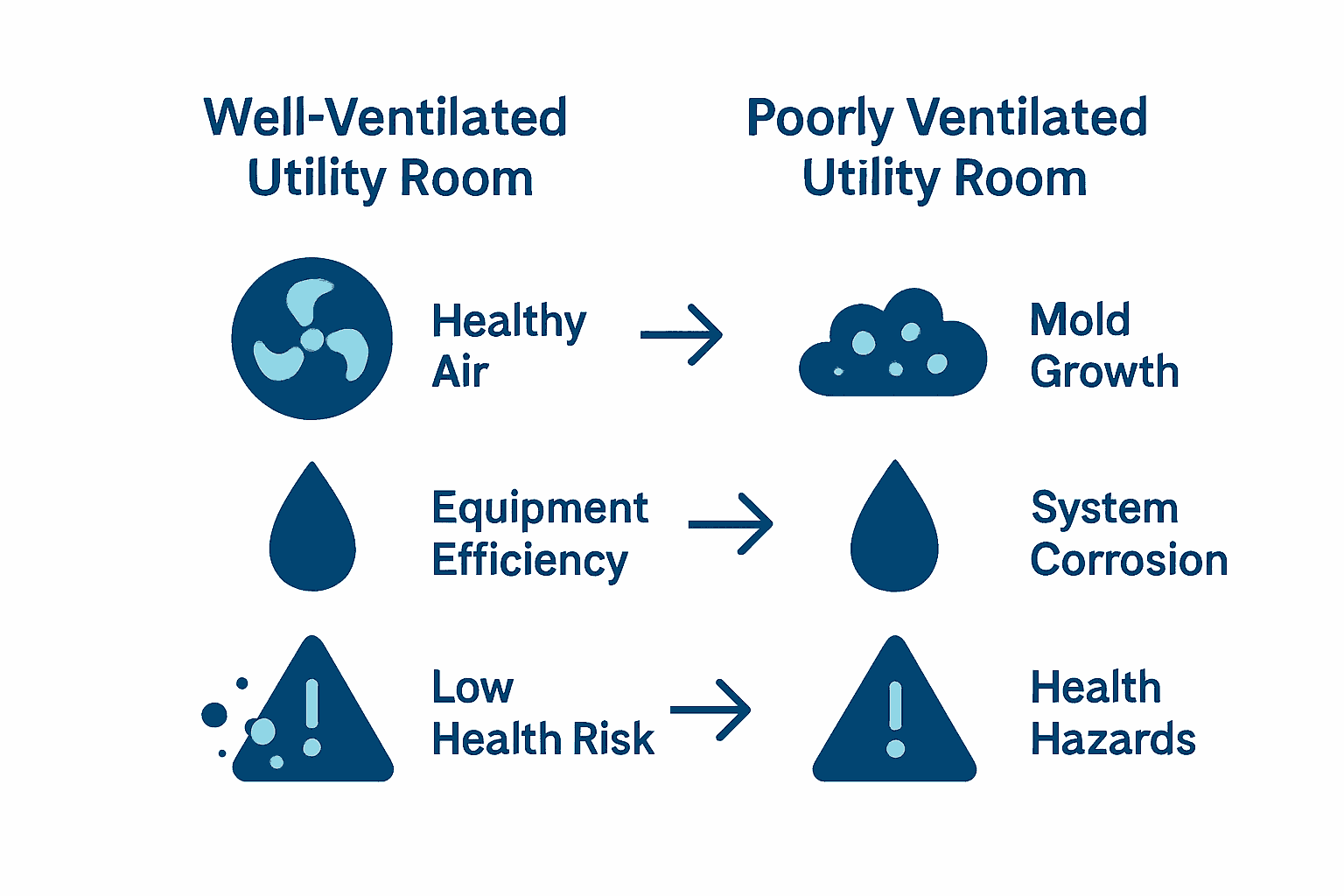
Moreover, long-term exposure to inadequately ventilated spaces can lead to more severe health consequences. The global research indicates that indoor air pollution is linked to respiratory diseases, cardiovascular complications, and potential carcinogenic effects. Understanding home air quality risks becomes crucial in protecting your family’s health and preventing these silent environmental threats from compromising your home’s internal ecosystem.
Building Codes and Chicago Area Standards
Navigating the complex landscape of utility room ventilation requires a deep understanding of local and national building codes that protect homeowners from potential health and safety risks. Mechanical ventilation standards serve as critical guidelines ensuring that spaces like utility rooms meet minimum safety requirements for air quality and system performance.
According to the International Mechanical Code, which is widely adopted across the United States, specific safeguards govern the design, installation, and inspection of ventilation systems. These comprehensive regulations aim to protect occupant health by establishing precise requirements for air exchange, system design, and potential pollutant mitigation in residential spaces.
For Chicago homeowners, these standards translate into practical requirements that impact utility room design and maintenance. Key considerations include:
- Minimum airflow rates per square foot
- Proper placement of ventilation openings
- Requirements for combustion air supply
- Specifications for mechanical ventilation systems
- Humidity and moisture control guidelines
Common issues found during home inspections reveal that many residential properties struggle to meet these critical ventilation standards, highlighting the importance of professional assessment and proactive maintenance in maintaining a safe, healthy home environment.
How to Improve Air Quality Safely
Ensuring optimal air quality in utility rooms requires a strategic and proactive approach that goes beyond simple maintenance. Ventilation optimization demands a comprehensive understanding of airflow dynamics and precise environmental control techniques that protect both your home’s infrastructure and your family’s health.
According to best practice guidance, installing an extract fan that provides a minimum of 30 litres per second of intermittent ventilation is crucial. The Illinois Department of Public Health recommends supplementing this with background ventilation methods, such as trickle vents with at least 2,500 mm² opening area to sustain consistent airflow and prevent potential air quality degradation.
Key strategies for improving utility room air quality include:
- Installing high-efficiency extract fans
- Maintaining relative humidity between 20-60 percent
- Monitoring indoor CO₂ levels below 1,000 ppm
- Implementing background ventilation systems
- Regular inspection and cleaning of ventilation components
Understanding potential home air risks becomes essential in creating a comprehensive approach to maintaining a safe, breathable home environment that protects both your property and your family’s respiratory health.
Take Action Against Utility Room Ventilation Risks
If you are worried about moisture, air infiltration, or hidden mold affecting your home’s air quality, you are not alone. The article “How Poor Utility Room Ventilation Puts You at Risk” shows how easily indoor pollutants, humidity, and system inefficiencies can threaten both your living environment and health without warning. Problems like mold growth, equipment corrosion, and increased respiratory concerns are often invisible until real damage appears. These are not issues to delay or ignore.
Now is the time to secure your peace of mind. A licensed and certified inspection ensures your home’s utility spaces meet essential mechanical ventilation standards and protect your family’s well-being. Get a professional opinion before these silent threats become costly problems. Schedule your home inspection appointment today and let our InterNACHI certified team pinpoint ventilation issues, recommend solutions, and help you live safer. Protect the health and value of your home—visit our booking page now for fast and reliable service.
Frequently Asked Questions
What are the risks of poor ventilation in utility rooms?
Poor ventilation in utility rooms can lead to mold growth, increased humidity, equipment corrosion, compromised HVAC efficiency, and respiratory irritation due to the accumulation of pollutants.
How can I improve ventilation in my utility room?
You can improve ventilation by installing high-efficiency extract fans, maintaining humidity levels between 20-60 percent, monitoring indoor CO₂ levels, implementing background ventilation systems, and regularly cleaning ventilation components.
What are the signs of inadequate ventilation in a utility room?
Signs of inadequate ventilation include persistent musty odors, visible mold or mildew, high humidity levels, condensation on surfaces, and increased energy consumption due to HVAC inefficiency.
How does poor ventilation affect indoor air quality?
Poor ventilation allows pollutants like radon and elevated carbon dioxide levels to accumulate, which can lead to health issues such as headaches, chronic fatigue, respiratory irritation, and increased risk of serious diseases over time.