
Many Chicago buyers mistakenly believe that a home appraisal covers condition and safety, but it doesn’t. Understanding the clear differences between home inspections and appraisals helps you make informed decisions during your real estate transaction. This article breaks down when and why each service matters, what they cost, and how to use them effectively in the Chicago market.
Table of Contents
- How To Choose Between A Home Inspection And An Appraisal: Key Factors
- What Is A Home Inspection?
- What Is A Home Appraisal?
- Key Differences In Scope And Purpose
- Common Misconceptions Among Chicago Buyers
- Comparison Summary Table
- Situational Recommendations For Chicago Buyers And Sellers
- Explore Professional Home Inspection Services In Chicago
- Frequently Asked Questions
Key takeaways
| Point | Details |
|---|---|
| Purpose | Inspections assess property condition and safety; appraisals estimate market value for lenders. |
| Cost in Chicago | Inspections are priced by property size; appraisals cost $400-$650. |
| Who orders | Buyers or sellers order inspections; lenders mandate appraisals for mortgages. |
| Timing | Inspections happen early post-contract for negotiations; appraisals occur during loan processing. |
| Requirements | Appraisals are nearly always required for financing; inspections are optional but highly recommended. |
How to choose between a home inspection and an appraisal: Key factors
Understanding which service you need starts with recognizing their distinct roles. A home inspection thoroughly evaluates the physical condition and safety of a property. It identifies defects, structural issues, and potential hazards that could impact your investment. An appraisal, by contrast, determines the property’s market value using comparable sales data to satisfy lender requirements.
Cost differences in Chicago are modest but worth noting. Home inspections are priced by property size (see our current prices), and appraisals typically cost between $400 and $650. While similar in price, these services serve completely different functions in your transaction.
The ordering party reveals much about each service’s purpose. You control whether to get an inspection. Your lender controls the appraisal requirement.
Timing plays a crucial role in transaction flow. Schedule your inspection early in the contract period, ideally within the first week after acceptance. This gives you leverage to negotiate repairs or price adjustments based on findings. Appraisals happen later during loan underwriting, typically two to three weeks before closing.
Key selection criteria include:
- Inspections reveal safety hazards and needed repairs for buyer protection
- Appraisals confirm property value matches loan amount for lender risk management
- Inspections provide detailed condition reports running 30 to 50 pages
- Appraisals focus on market comparables with minimal condition assessment
- Inspections are optional but protect your investment significantly
- Appraisals are mandatory for nearly all conventional and FHA mortgages
What is a home inspection?
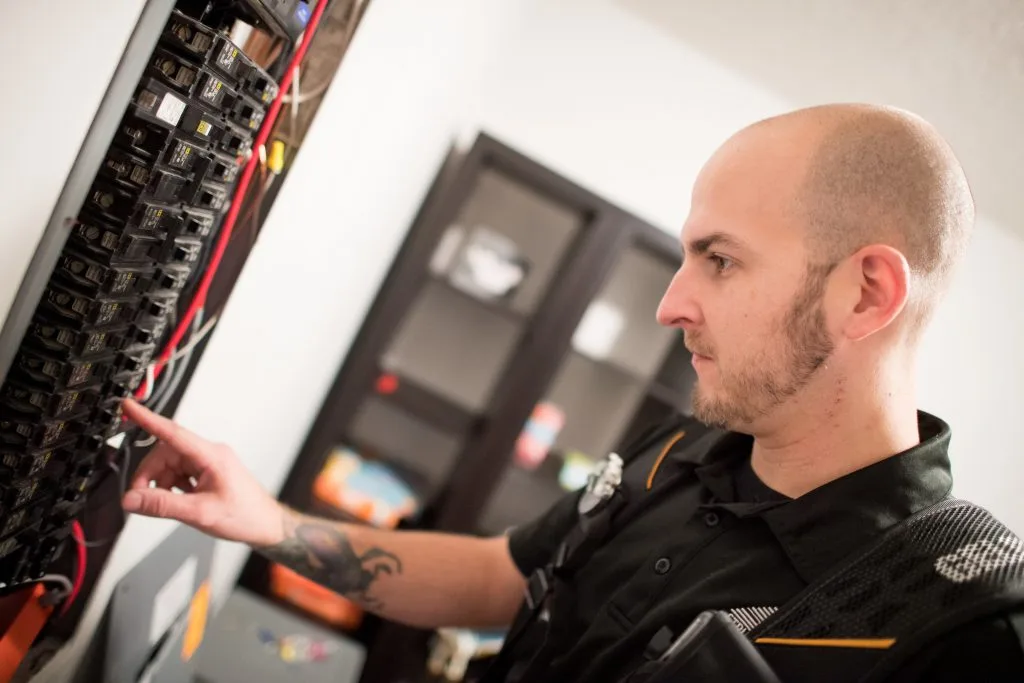
A home inspection is a comprehensive evaluation of over 29 major home components including foundation, roof, electrical, plumbing, HVAC, and safety systems. Licensed inspectors examine visible and accessible areas to identify defects, safety hazards, and maintenance issues that could affect your purchase decision.
You typically order this service independently as a buyer, though sellers increasingly obtain pre-listing inspections. The price depends mainly on property size. The inspection takes two to four hours onsite, followed by a detailed report delivered the next business day.
The inspection report becomes your negotiation tool. It documents every identified issue with photos and descriptions, allowing you to request repairs, credits, or price reductions. Many Chicago buyers successfully negotiate $3,000 to $8,000 in concessions based on inspection findings.
Pro Tip: Schedule your inspection during the contract contingency period, typically seven to ten days after acceptance. This maximizes your negotiating power while protecting your earnest money deposit if you discover deal-breaking issues.
Inspection benefits include:
- Uncovers hidden defects like foundation cracks or electrical hazards
- Identifies deferred maintenance requiring immediate attention
- Estimates remaining lifespan of major systems like roof and HVAC
- Provides leverage for repair negotiations before closing
- Delivers peace of mind about your investment’s true condition
- Helps you budget for upcoming repairs and replacements
Comprehensive Chicago home inspection services cover everything from basement to attic, giving you complete transparency about property condition before finalizing your purchase.
What is a home appraisal?
A home appraisal determines fair market value using recent comparable sales in your neighborhood. Licensed appraisers analyze location, size, condition, features, and local market trends to estimate what a willing buyer would pay. Unlike inspections, appraisals don’t examine detailed condition or safety.
Your mortgage lender orders and requires the appraisal to confirm the property value justifies the loan amount. This protects the lender’s investment by ensuring collateral value matches or exceeds the mortgage. In Chicago, appraisals cost $400 to $650 and take 30 to 45 minutes onsite.
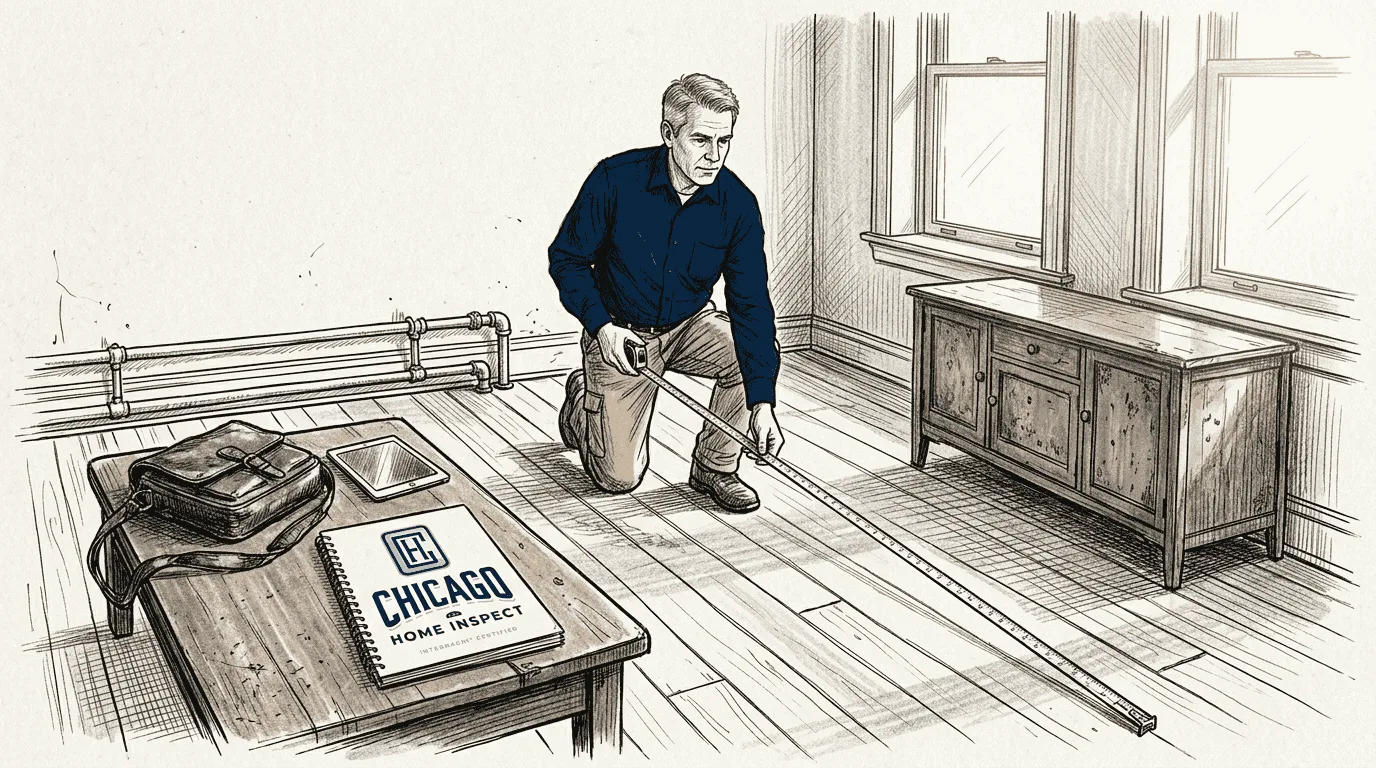
The appraiser visits the property once, measuring rooms and noting obvious features and conditions. They photograph the home and compare it to three to five recent sales of similar properties nearby. The final report arrives within three to five business days, providing the lender with an objective value assessment.
Appraisal outcomes directly impact your financing. If the appraisal comes in below your offer price, you may need to renegotiate, increase your down payment, or find additional financing. If it matches or exceeds the price, your loan moves forward smoothly through underwriting.
Key appraisal characteristics:
- Focuses exclusively on market value determination
- Required by lenders for mortgage approval and risk assessment
- Takes 30 to 45 minutes onsite with three to five day turnaround
- Compares your property to recent neighborhood sales
- Notes only obvious condition issues affecting value
- Does not identify safety hazards or needed repairs
Key differences in scope and purpose
The fundamental distinction lies in what each service evaluates. Inspections examine physical condition, structural integrity, and safety across all major home systems. Appraisals assess market value based on comparable sales without detailed condition analysis.
Who orders each service reveals their different purposes. You or the seller orders inspections to understand property condition and negotiate terms. Your lender orders appraisals to verify collateral value justifies the loan amount and protects their investment.
Timing differences affect transaction strategy. You schedule inspections immediately after contract acceptance, typically within the first week. This early timing allows you to negotiate repairs or walk away if major issues surface. Appraisals happen later during loan processing, usually two to three weeks before closing.
Report content and usage vary significantly. Inspection reports span 30 to 50 pages detailing every defect, safety concern, and maintenance recommendation. You use these findings to negotiate repairs, credits, or price adjustments. Appraisal reports focus on value with minimal condition details, serving primarily to satisfy lender requirements.
| Aspect | Home Inspection | Home Appraisal |
|---|---|---|
| Primary purpose | Evaluate condition and safety | Determine market value |
| Ordered by | Buyer or seller | Mortgage lender |
| Cost in Chicago | Priced by size | $400 to $650 |
| Timing | Early post-contract | During loan processing |
| Report focus | Detailed defects and repairs | Comparable sales analysis |
| Required | Optional but recommended | Mandatory for mortgages |
Understanding these differences prevents costly mistakes. Some buyers skip inspections thinking appraisals cover condition, only to discover expensive problems after closing. For condo purchases, inspections remain valuable even though appraisals are still required.
Common misconceptions among Chicago buyers
The most dangerous misconception is believing appraisals check home condition and safety. Appraisers note only obvious issues affecting value. They don’t test systems, examine hidden areas, or identify safety hazards like inspectors do.
This confusion causes some buyers to skip inspections entirely, relying on the appraisal to reveal problems. The result is often thousands in unexpected repairs discovered after closing when negotiation is no longer possible.
Another myth suggests inspections are unnecessary for newer homes or condos. Even new construction can have defects from rushed building or subcontractor errors. Chicago’s common inspection issues include electrical problems, plumbing defects, and HVAC installation errors regardless of property age.
Some sellers believe appraisals will identify issues buyers might raise. This leaves them unprepared when inspection reports reveal significant problems. Pre-listing inspections help sellers address issues proactively, avoiding last-minute negotiations that can derail sales.
Pro Tip: Always order an independent inspection even if the appraisal comes back clean. The appraisal confirms value but tells you nothing about the roof’s remaining life, foundation integrity, or electrical safety.
Frequently overlooked risks include:
- Structural issues hidden behind finished walls
- Outdated or dangerous electrical panels
- Plumbing problems not visible during brief appraisal visits
- HVAC systems nearing end of useful life
- Easily missed defects like moisture intrusion or ventilation problems
- Safety hazards from DIY repairs or code violations
Comparison summary table
This comprehensive comparison clarifies when and why you need each service. Use it as a quick reference when planning your Chicago real estate transaction.
| Feature | Home Inspection | Home Appraisal |
|---|---|---|
| Main goal | Identify defects and safety issues | Establish fair market value |
| Scope | Over 29 home systems and components | Exterior, interior, comparable sales |
| Duration | 2 to 4 hours onsite | 30 to 45 minutes onsite |
| Report delivery | Next business day | 3 to 5 business days |
| Who benefits | Buyer and seller | Lender primarily |
| Negotiation value | High for repairs and credits | Low unless value is below price |
| Optional or required | Optional | Required for mortgages |
| Typical Chicago cost | Priced by size | $400 to $650 |
Both services provide value but serve distinct purposes in your transaction. Skipping either creates risks, whether from unknown defects or financing complications.
Situational recommendations for Chicago buyers and sellers
Different scenarios call for different approaches. Tailor your inspection and appraisal strategy to your specific situation for best results.
First-time buyers should prioritize thorough inspections to avoid expensive surprises. Your lack of homeownership experience makes professional evaluation essential for understanding true property condition and maintenance needs.
Buyers requiring mortgage financing must complete lender-mandated appraisals regardless of inspection findings. Budget for both services as separate, non-negotiable transaction costs.
Sellers benefit from obtaining pre-listing inspections to identify and address issues before listing. This strategy reduces buyer objections, speeds negotiations, and often results in higher sale prices by demonstrating property quality.
Cash buyers sometimes skip appraisals but should never skip inspections. Even without lender requirements, knowing property condition protects your investment and informs fair pricing.
New construction and complex properties warrant both comprehensive inspections and appraisals. Builder warranties don’t cover all defects, and unique properties require careful value assessment.
Condo buyers need inspections despite shared building responsibility. Unit-specific systems, prior renovations, and individual maintenance issues still require professional evaluation.
Investment property buyers should obtain both services to assess value accurately and identify deferred maintenance affecting rental income or resale potential.
Plan your pre-purchase inspection within contract contingencies for maximum protection. Coordinate appraisal timing with your lender to avoid closing delays. The advantages of pre-purchase inspections extend beyond defect identification to include negotiation leverage and informed decision-making.
Explore professional home inspection services in Chicago
Now that you understand the critical differences between inspections and appraisals, protect your Chicago real estate investment with professional inspection services. Our experienced, InterNACHI-certified inspectors provide thorough evaluations of all major home systems, delivering detailed reports that empower confident buying and selling decisions.
We serve Chicago and surrounding suburbs with weekend availability and fast report turnaround. Our comprehensive pre-purchase inspections cover everything from foundation to roof, identifying issues before they become your responsibility. Review our sample inspection report to see the detail and clarity you’ll receive.
Our licensed and insured team brings years of Chicago-area experience to every inspection. We understand local construction methods, common regional issues, and climate-specific concerns affecting homes in this market. View our interior inspection photos to see our thorough approach in action.
Schedule your inspection today and gain the knowledge needed for successful real estate negotiations and long-term homeownership satisfaction.
Frequently asked questions
What is the difference between inspection and appraisal timing?
Inspections occur early in the contract period, typically within the first seven to ten days after acceptance. This timing allows buyers to negotiate repairs or cancel if major issues surface. Appraisals happen later during loan processing, usually two to three weeks before closing, as part of lender underwriting requirements.
Is a home inspection mandatory in Chicago?
No, home inspections are optional in Chicago and throughout Illinois. However, skipping an inspection creates significant risk of discovering expensive problems after closing when you have no negotiation leverage. Most experienced buyers and real estate professionals strongly recommend inspections for all property types.
Can an appraisal reveal all home condition issues?
No, appraisals focus on market value and note only obvious condition issues visible during a brief 30 to 45 minute visit. Appraisers don’t test systems, examine hidden areas, or identify safety hazards. Only comprehensive inspections reveal detailed condition and safety concerns critical for informed purchase decisions.
When should sellers get a pre-listing inspection?
Sellers should obtain pre-listing inspections before listing the property, ideally four to six weeks before going to market. This timing allows you to address identified issues, price accurately, and market confidently. Pre-listing inspections reduce buyer objections, speed negotiations, and often result in higher final sale prices.
How long does a typical Chicago appraisal take?
The onsite portion takes approximately 30 to 45 minutes for the appraiser to measure rooms, photograph the property, and note features. The complete appraisal report typically arrives within three to five business days after the site visit, providing the lender with market value assessment needed for loan approval.