
TL;DR:
- A home inspection checklist evaluates major systems such as structure, roof, electrical, plumbing, and HVAC to uncover issues before or during ownership. In Chicago, inspections focus on foundation damage from freeze-thaw cycles, outdated wiring, and aging systems, with most issues requiring immediate attention or negotiation. Attending the inspection, reviewing detailed reports, and adding specialty tests like radon or sewer scopes optimize due diligence and negotiation leverage.
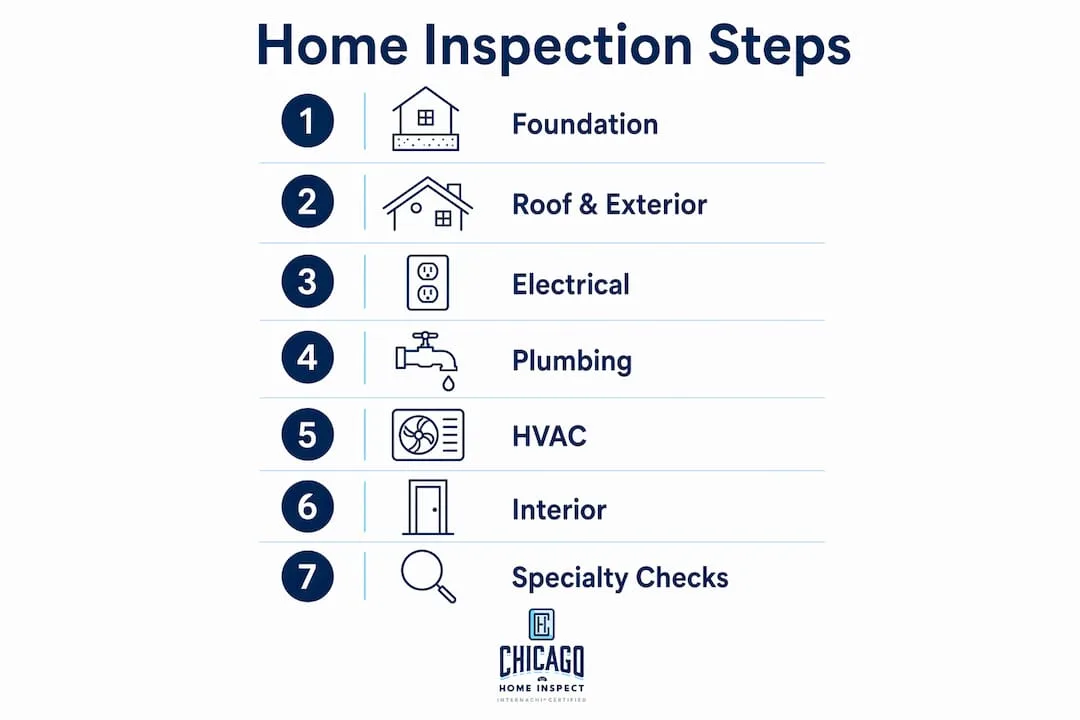
A home inspection checklist is a structured evaluation tool that documents the condition of a property’s major systems before purchase or during ongoing ownership. Based on ASHI and InterNACHI standards, a standard checklist covers 10 major systems: structure, roof, exterior, interior, electrical, plumbing, HVAC, insulation, ventilation, and appliances. In Chicago, where freeze-thaw cycles punish foundations and aging bungalows on the Northwest Side carry decades of deferred maintenance, this home inspection checklist 2026 guide gives buyers and owners the framework to uncover problems before they become expensive surprises.
What does a 2026 home inspection checklist cover?
A professional inspection is non-invasive and visual. The inspector evaluates what is accessible and visible without dismantling walls or opening concealed systems. That scope is defined by ASHI and InterNACHI protocols and typically takes two to four hours, with a written report delivered the next business day. Here is what each major category includes.
Structural systems and foundation
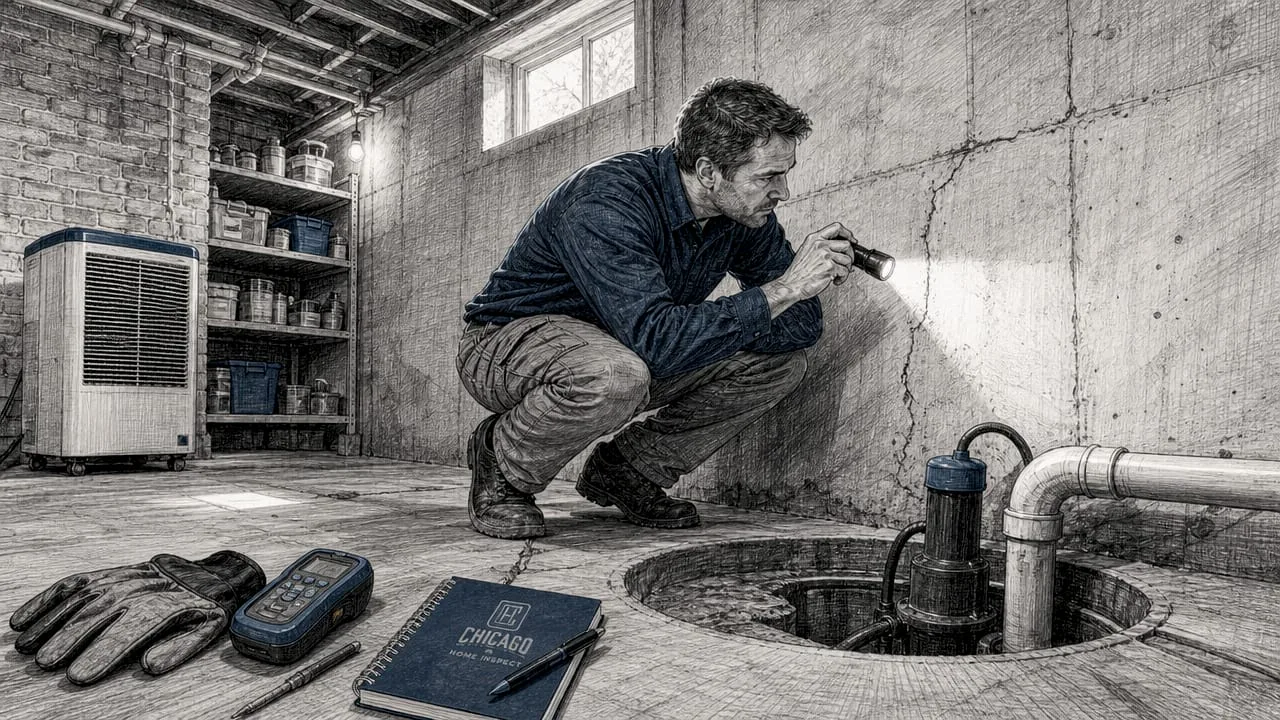
The foundation, framing, and basement are the first items on any pre-purchase house inspection checklist. In Chicago, freeze-thaw cycles create lateral pressure on basement walls and cause concrete to crack and shift over time. Inspectors look for stair-step cracks in masonry, bowing walls, and evidence of water intrusion at the base of the foundation. Graystones in Lincoln Park and older two-flats in Logan Square are especially prone to these issues.
Roof, exterior, and site
Roofing covers shingles, flashing around chimneys and skylights, gutters, and soffit condition. Chicago’s winters accelerate shingle granule loss and cause ice damming that forces water under flashing. The exterior review includes siding, windows, doors, and decks. Grading is checked to confirm the ground slopes away from the foundation, since negative grading is one of the most common Chicago inspection findings and a direct driver of basement water problems.
Electrical, plumbing, and HVAC
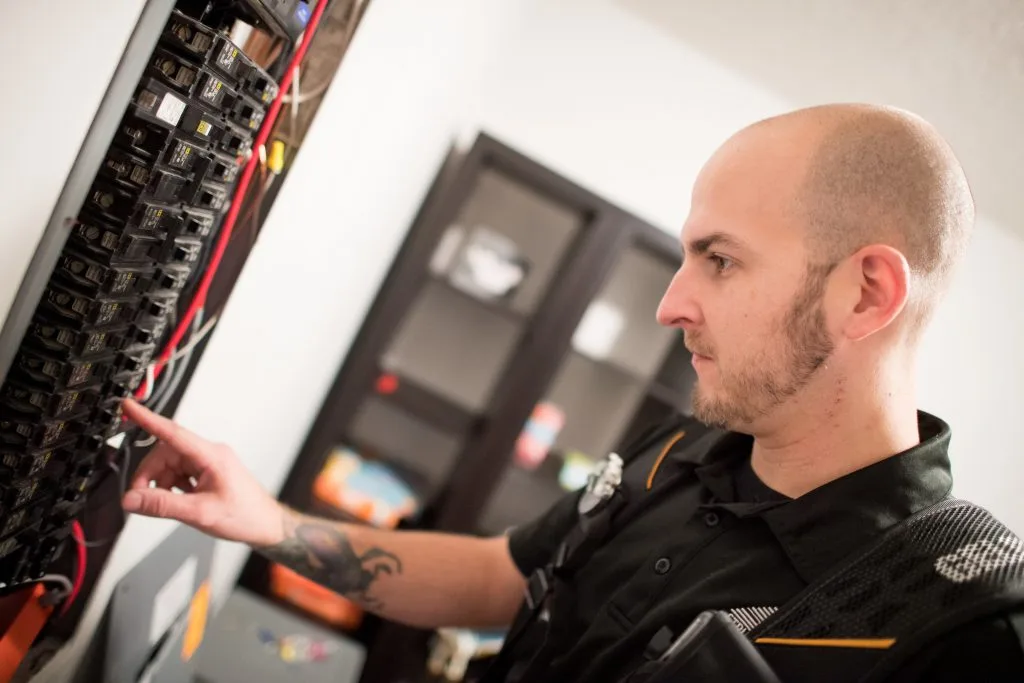
Older Chicago homes frequently contain knob-and-tube wiring or Federal Pacific and Zinsco panels, both of which present safety concerns. Inspectors check the service panel, visible wiring, and GFCI outlet placement in kitchens, bathrooms, and garages. Plumbing covers pipe materials (galvanized steel and lead service lines appear in pre-1960 homes), water heater age and condition, and water pressure. HVAC evaluation includes the furnace heat exchanger, air conditioning coils, ductwork, and filter condition. In Climate Zone 5, a furnace operating beyond its 15 to 20-year service life is a priority finding.
Interior, insulation, and fireplaces
- Walls, ceilings, and floors: Inspectors note cracks, staining, soft spots, and signs of moisture damage.
- Insulation and ventilation: Attic insulation depth and vapor barrier condition matter significantly in Climate Zone 5, where under-insulated attics drive up heating costs and cause ice dams.
- Fireplaces and chimneys: A visual inspection checks the firebox, damper, and visible flue condition. Full chimney Level 2 inspections require a camera and are a separate add-on.
- Appliances: Dishwashers, ranges, built-in microwaves, and garbage disposals are operated and noted in the standard new home inspection list.
Pro Tip: Ask the inspector to demonstrate how to operate the main water shutoff, electrical panel, and furnace. Knowing where these controls are located saves time and money in an emergency.
What specialty inspections should you add to your checklist?
Standard inspections do not cover concealed systems, which is why specialty add-ons exist. For Chicago buyers, several of these are not optional extras. They are practical necessities given the age of the housing stock and local environmental conditions.
| Specialty Inspection | When to Order |
|---|---|
| Radon testing | All Chicago-area homes with basements |
| Sewer scope (camera) | Homes built before 1980 with mature trees |
| Mold air sampling | Visible staining, musty odors, past flooding |
| Lead paint inspection | Homes built before 1978 |
| Chimney Level 2 | Wood-burning fireplaces, older masonry |
These specialty add-on costs reflect national ranges. Chicago buyers should budget toward the higher end for mold and lead testing given the density of pre-1978 housing in neighborhoods like Pilsen, Bridgeport, and Evanston.
Radon is the most overlooked add-on. Illinois sits in EPA Zone 1 and Zone 2 radon areas, meaning elevated radon levels in basements are common. A radon test requires closed-building conditions for 12 hours before and during the test period. Sewer scope inspections are equally important for homes with large trees in the parkway or backyard. Clay tile sewer lines, standard in Chicago homes built before 1960, crack and collapse as root systems grow into them. A camera inspection reveals root intrusion, offset joints, and bellied pipe sections before they become a $10,000 to $20,000 repair.
Thermal imaging and mold sampling reveal hidden moisture and thermal anomalies that a visual inspection cannot detect. If a seller discloses past water damage or if you notice musty odors in the basement, add mold air sampling to your home inspection list without hesitation.
Pro Tip: Schedule specialty inspections during the same window as your standard inspection whenever possible. Coordinating radon, sewer scope, and mold testing on the same day reduces scheduling complexity and keeps you within the contract resolution period.
What are the most common red flags in Chicago home inspections?
Chicago’s housing stock skews old. The median home in Cook County was built in 1959, which means most buyers are purchasing properties with systems that are approaching or past their service life. Understanding which findings demand immediate action versus which are routine maintenance separates informed buyers from panicked ones.
The most useful framework for reading any inspection report separates findings into three categories. Prioritizing by category prevents buyer panic and focuses repair negotiations on what actually matters.
Safety hazards require immediate attention regardless of cost. Examples include active gas leaks, knob-and-tube wiring in active use, carbon monoxide risks from a cracked furnace heat exchanger, and elevated radon above 4 pCi/L. These are non-negotiable repair requests.
Major defects affect livability or structural integrity and carry significant repair costs. Foundation cracks with active movement, failed sewer lines, end-of-life HVAC systems, and roof decking with widespread rot fall into this category. Buyers should request price reductions or seller-paid repairs for these findings.
Routine maintenance items are normal wear and do not indicate neglect. Missing GFCI outlets, deteriorated caulk around tubs, minor grading corrections, and worn weatherstripping are examples. Budget for these rather than negotiating over them.
“The inspection report is a due diligence tool, not a pass/fail test. A 100-item report on a 1940s bungalow is normal. What matters is which items fall into which category.” — Buyers Home Inspection Guide
For Chicago buyers specifically, freeze-thaw cycle damage to foundations, outdated electrical panels, and aging HVAC systems appear with high frequency. Reviewing the most overlooked defects in Chicago inspections before your walkthrough helps you ask better questions on inspection day.
How to prepare for and use your home inspection effectively
Preparation before inspection day directly affects how much value you extract from the process. Buyers who show up unprepared miss context that the report text alone cannot provide.
- Schedule promptly. The contract resolution period typically runs three to 14 days after offer acceptance. Book your inspection within 24 hours of going under contract to preserve time for follow-up specialty inspections.
- Confirm utilities and access. Buyers frequently miss this step, and it compromises inspection completeness. Gas, electric, and water must be active. The seller or listing agent should confirm HVAC systems are accessible and that the attic hatch and crawlspace are unobstructed.
- Do a pre-inspection walkthrough. A simple DIY checklist before the professional inspection helps you identify visible issues and prepare specific questions. Note any staining on ceilings, soft spots in floors, or odors in the basement.
- Attend the inspection in person. In-person attendance allows you to ask questions and understand the severity and context of findings in ways that report text alone cannot convey. Plan for two to four hours.
- Review the report within 24 hours. Inspection reports are detailed documents with photos and captions. Photo documentation with clear captions strengthens your negotiation position because it gives your real estate attorney and agent specific, documented evidence to reference.
- Coordinate follow-up inspections immediately. If the standard inspection flags a suspicious area near the sewer cleanout or moisture readings in the basement, order the sewer scope or mold test the same week.
After the report, use the three-category framework above to build your repair request or price negotiation. Your real estate agent should reference specific report items and photos when submitting requests to the seller. For detailed guidance on next steps after a problematic inspection, the post-inspection buyer’s guide covers negotiation strategies specific to the Chicago market.
Pro Tip: Bring a notepad and take your own photos during the walkthrough. Your notes alongside the inspector’s report give you a complete picture when reviewing findings later that evening.
What we’ve learned inspecting Chicago homes year after year
We have inspected bungalows in Norwood Park, two-flats in Wicker Park, graystones in Hyde Park, and newer frame construction throughout Lake and McHenry Counties. The single most consistent pattern we see is buyers treating the inspection as a transaction hurdle rather than an information-gathering session. They wait in the car, skim the report, and then panic at the item count without understanding which findings actually matter.
Chicago’s climate makes certain checklist items non-negotiable. Foundations in this region face more stress than in warmer climates. A hairline crack in a poured concrete wall is not the same as a stair-step crack in a block foundation with active water intrusion. We can explain that difference in person. A report cannot.
We also see buyers skip radon testing on homes with finished basements, assuming the finishing work means the space is sealed. It does not. Radon moves through concrete, and a finished basement simply means the occupants spend more time in the affected space. The test costs less than a dinner out. There is no reasonable argument for skipping it.
Our advice: attend the inspection, ask every question that comes to mind, and treat the report as the beginning of your due diligence, not the end. InterNACHI-certified inspectors follow a defined standard of practice, and that standard exists to protect you. Use it fully.
— Chicago Home Inspect LLC
Schedule your inspection with Chicago Home Inspect LLC
Chicago Home Inspect LLC serves Lake, McHenry, DuPage, and northern Cook Counties with residential inspections, radon testing, mold testing, sewer line inspections, and general consultations. We are InterNACHI Certified, BBB Accredited, licensed, and insured, with weekend availability to fit your contract timeline. Our reports include detailed photo documentation and clear captions, so you have the evidence you need to negotiate with confidence. View a sample inspection report to see exactly what you receive, or browse our interior inspection photos to understand the depth of our documentation. Contact us to schedule your inspection and get the information you need to make a sound decision.
FAQ
What does a home inspection checklist cover?
A standard home inspection checklist covers 10 major systems: structure, roof, exterior, interior, electrical, plumbing, HVAC, insulation, ventilation, and appliances, following ASHI or InterNACHI standards. The inspection is visual and non-invasive, typically completed in two to four hours.
How much does a home inspection cost in the Chicago area?
Home inspection prices depend mainly on the size and type of the property, and specialty add-ons such as radon testing, sewer scopes and mold sampling are priced separately. See current inspection prices.
Should I attend my home inspection in person?
Attending the inspection in person is strongly recommended because it allows you to ask questions and understand the severity of findings directly from the inspector, which report text alone cannot fully convey.
What are the biggest red flags in a Chicago home inspection?
The most serious findings in Chicago homes include foundation cracks with active movement, knob-and-tube wiring in active use, cracked furnace heat exchangers, failed sewer lines, and elevated radon levels. These require immediate attention and should anchor any repair or price negotiation.
How do I use an inspection report to negotiate?
Separate findings into safety hazards, major defects, and routine maintenance, then request seller repairs or price reductions only for the first two categories. Photo documentation in the report gives your agent and attorney specific evidence to reference during negotiations.
Recommended
- Home Remodeling Projects That Add the Most Value in Chicago | Rocket
- Seller Inspection Checklist for Chicagoland Home Buyers | Chicago Home Inspect LLC
- Pre-Closing Inspection Checklist for Chicago Homebuyers | Chicago Home Inspect LLC
- Home Inspection Blog – Chicago Home Inspect LLC
- Top Inspection Questions Every Chicago Home Buyer Should Ask | Chicago Home Inspect LLC
- Inspection contingencies protect buyers