
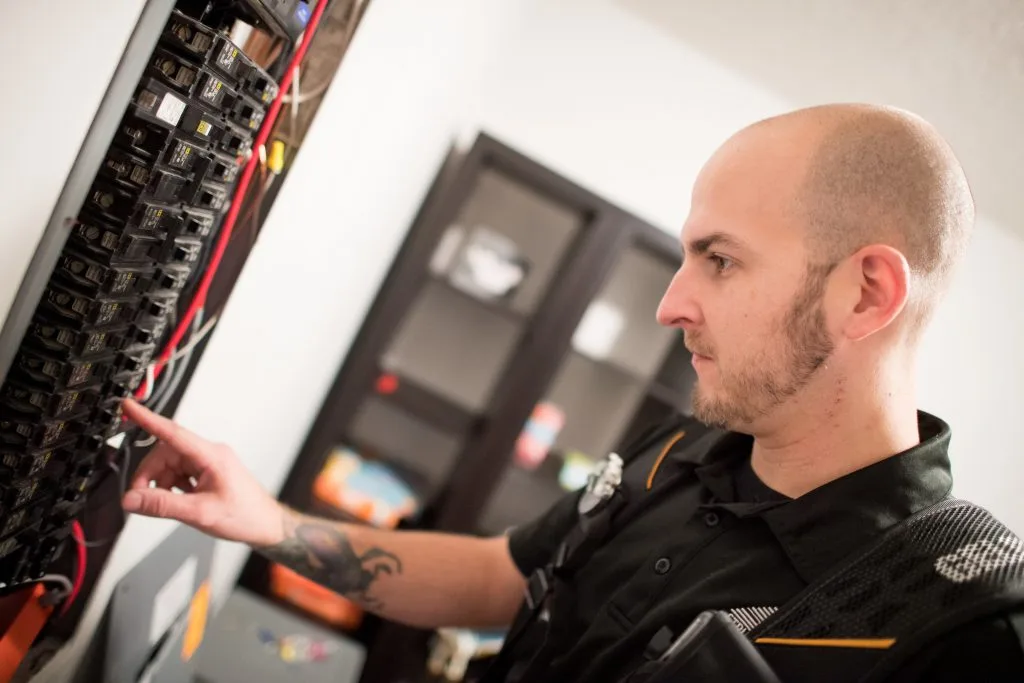
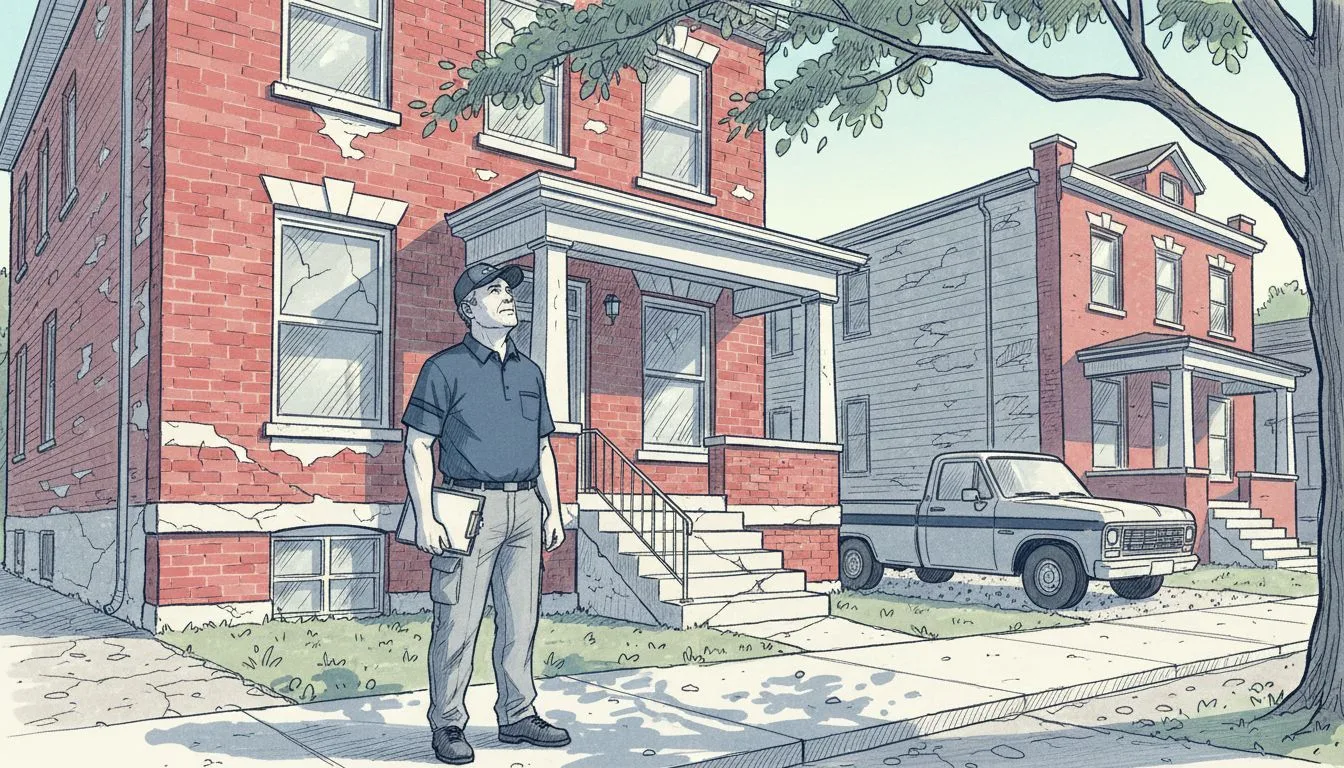
Walking into a property with flipping potential in Chicago can feel exciting, but surprises beneath the surface often mean expensive setbacks. Thorough inspections are the backbone of sound investment because they reveal not just visible concerns but hidden material defects that can erode profit margins. By relying on comprehensive assessments focused on structural integrity and system functionality, investors can make confident decisions and avoid costly mistakes that threaten the success of their flip.
Table of Contents
- What Flipped House Inspections Cover
- Types Of Inspections Required For Flips
- Chicago-Area Regulations And Code Compliance
- Assessing Costs And Uncovering Hidden Issues
- Common Investor Mistakes To Avoid
What Flipped House Inspections Cover
Real estate investors in Chicago must understand the comprehensive scope of flipped house inspections before committing significant capital to property rehabilitation projects. InterNACHI’s home inspection standards define these examinations as critical visual assessments designed to uncover potential material defects that could dramatically impact investment returns.
A typical flipped house inspection in Chicago covers several critical systems and structural components:
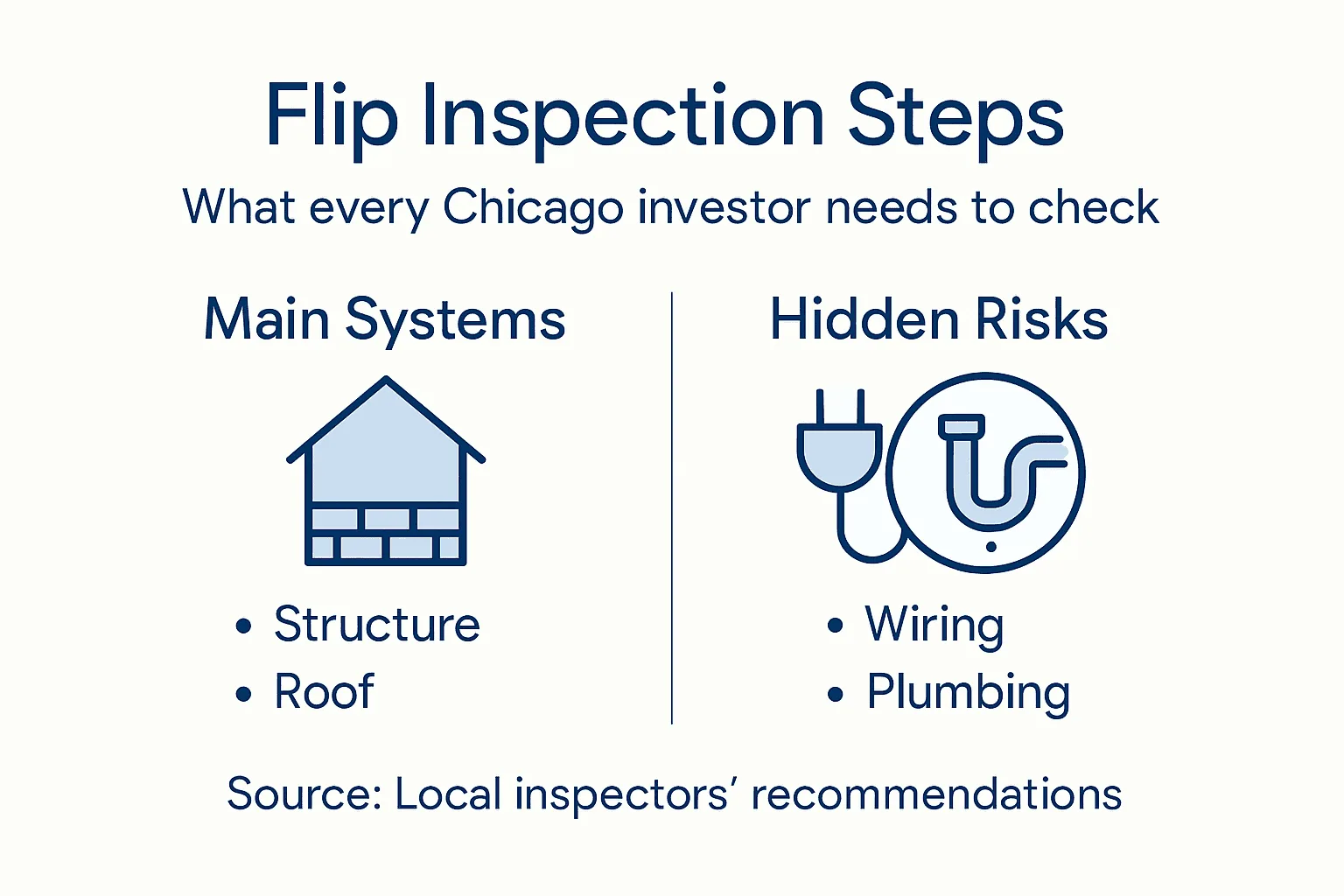
- Foundation and structural integrity
- Roofing condition and potential repair needs
- Electrical system functionality
- Plumbing infrastructure
- Heating and cooling systems
- Interior and exterior structural elements
Unlike cursory walk-throughs, professional inspections performed by Chicago Home Inspect LLC dive deep into identifying potential problems that might not be immediately visible. These examinations help investors understand precise repair requirements and potential hidden costs that could erode profit margins.
Flipped house inspections are non-invasive examinations focused on identifying material defects that could compromise property safety and value.
While inspections cover extensive ground, they deliberately exclude aesthetic concerns or concealed issues requiring destructive investigation. The goal remains providing investors with a clear, objective assessment of a property’s fundamental condition and potential rehabilitation challenges.
Pro tip: Always request a detailed written report that itemizes specific defects and estimated repair costs to make informed investment decisions.
Types Of Inspections Required For Flips
Chicago real estate investors must navigate a complex landscape of required inspections when flipping properties. Chicago Construction Codes mandate multiple specialized inspections to ensure comprehensive property rehabilitation and compliance with local regulatory standards.
The primary types of inspections required for house flips in Chicago include:
- Building Permit Inspections
- Electrical System Inspection
- Plumbing Infrastructure Review
- Mechanical Systems Evaluation
- Fire Prevention Assessment
- Structural Integrity Examination
Each inspection serves a critical purpose in verifying that renovation work meets stringent health, safety, and zoning requirements. Professional inspectors systematically evaluate different subsystems to identify potential defects, ensuring investors understand the full scope of necessary repairs before finalizing their property investment.
Here’s a summary showing how different inspection types impact Chicago house flips:
| Inspection Type | Key Focus Area | Business Impact |
|---|---|---|
| Building Permit | Code compliance | Prevents costly legal issues |
| Electrical System | Safety and reliability | Reduces risk of fire or injury |
| Plumbing Infrastructure | Water system health | Avoids flooding and repairs |
| Mechanical Systems | HVAC and comfort | Increases property appeal |
| Fire Prevention | Safety protocols | Required for resale permits |
| Structural Integrity | Foundation and stability | Protects investment returns |
Comprehensive inspections act as a critical risk management strategy for real estate investors, revealing hidden problems that could dramatically impact project profitability.
Beyond standard visual assessments, these inspections provide a detailed roadmap of potential issues. Investors receive comprehensive documentation outlining specific repair needs, estimated costs, and critical structural considerations that could affect the property’s future marketability and value.
Pro tip: Schedule inspections sequentially and budget an additional 15-20% over estimated repair costs to account for unexpected structural or system-related challenges discovered during the rehabilitation process.
Chicago-Area Regulations And Code Compliance
Navigating the complex regulatory landscape is crucial for successful house flipping in Chicago. Chicago Construction Codes establish comprehensive standards that govern every aspect of property rehabilitation, protecting public health and ensuring investor compliance.
The key regulatory areas investors must carefully address include:
- Building Code Requirements
- Electrical System Standards
- Plumbing Compliance Regulations
- Mechanical System Guidelines
- Fire Prevention Protocols
- Zoning District Restrictions
Each regulatory category carries specific documentation and inspection requirements that can significantly impact a property flip’s timeline and profitability. Real estate investors must demonstrate meticulous adherence to these multifaceted regulations to successfully obtain necessary permits and licenses for property renovation and resale.
Regulatory compliance is not just a legal obligation, but a critical risk management strategy that protects investors from potential financial and legal complications.
Beyond basic code requirements, Chicago enforces a rigorous zoning review process that scrutinizes property usage, parking arrangements, landscape considerations, and building specifications. Investors must thoroughly understand these nuanced regulations to ensure their flipped properties meet all municipal requirements before marketing or selling.
Pro tip: Consult with a local permit expediter or experienced real estate attorney who specializes in Chicago building regulations to navigate complex compliance requirements efficiently and avoid potential project delays.
Assessing Costs And Uncovering Hidden Issues
Successful house flipping in Chicago requires a meticulous financial strategy and comprehensive understanding of potential renovation challenges. House flipping renovation costs can range dramatically, with projects demanding significant financial planning and risk management.
Key cost categories investors must carefully evaluate include:
- Property Acquisition Expenses
- Renovation and Repair Costs
- Material and Labor Investments
- Financing Interest Charges
- Holding Period Expenses
- Closing and Sales Costs
- Unexpected Repair Contingencies
Detailed financial assessments are crucial, as hidden structural or environmental issues can quickly transform a potentially profitable flip into a financial liability. Investors must develop comprehensive inspection strategies that uncover potential problems before they become expensive complications.
Successful property flippers treat unexpected issues as opportunities for strategic problem-solving, not insurmountable obstacles.
Beyond basic cost calculations, successful house flipping demands comprehensive property evaluations that anticipate potential challenges. Professional home inspections provide critical insights into structural integrity, potential code violations, and hidden defects that could significantly impact overall project profitability.
This table highlights financial risk factors and how inspections help mitigate them:
| Risk Factor | Inspection Role | Long-Term Benefit |
|---|---|---|
| Hidden structural issues | Reveals unseen repair needs | Prevents budget overruns |
| Regulatory violations | Ensures code compliance | Avoids penalties and delays |
| Overvalued renovations | Confirms property condition | Supports accurate pricing |
| Contractor errors | Provides objective assessment | Supports claims resolution |
Pro tip: Always budget an additional 20-25% above initial renovation estimates to create a financial buffer for unexpected repairs and potential market fluctuations.
Common Investor Mistakes To Avoid
House flipping in Chicago demands strategic precision and careful planning. Common investor mistakes can devastate project profitability, transforming potentially lucrative investments into financial nightmares.
Critical mistakes real estate investors frequently encounter include:
- Underestimating Renovation Costs
- Inadequate Market Research
- Poor Contractor Selection
- Ignoring Legal Compliance Requirements
- Emotional Decision Making
- Insufficient Financial Contingencies
- Overestimating Property Market Value
Successful investors recognize that thorough due diligence is the foundation of profitable house flipping. Understanding potential pitfalls helps create robust strategies that mitigate financial risks and maximize potential returns.
Strategic planning and disciplined execution separate successful investors from those who struggle in the competitive real estate market.
Rushing property purchases without comprehensive evaluations can lead to unexpected complications that dramatically reduce profit margins. Professional inspections, detailed market analysis, and conservative financial modeling are essential protective measures for investors navigating Chicago’s dynamic real estate landscape.
Pro tip: Create a detailed risk assessment spreadsheet that includes potential worst-case scenarios and financial buffers to help maintain objective decision-making throughout your house flipping project.
Ensure Profitable and Compliant Flipped House Investments in Chicago
Investing in flipped houses requires more than just vision it demands a thorough understanding of structural integrity, regulatory compliance, and potential hidden defects as outlined in the article on flipped house inspections in Chicago. Avoid costly surprises by relying on licensed and InterNACHI certified professionals who specialize in comprehensive property evaluations tailored to the unique challenges investors face. Our meticulous inspections cover everything from foundation assessment to electrical and plumbing evaluations helping you confidently anticipate repair costs and ensure code compliance.
Take control of your house flipping success today by scheduling a detailed inspection with Chicago Home Inspector LLC. Visit Schedule a Home Inspection to book your appointment. Benefit from our trusted expertise in Buyer Pre-Purchase Inspections and ensure your investment is protected against unforeseen risks. Don’t let unexpected repairs or compliance issues jeopardize your profits act now and secure your path to a smoother and more lucrative flip.
Frequently Asked Questions
What does a flipped house inspection cover?
A flipped house inspection typically covers critical systems such as foundation and structural integrity, roofing condition, electrical system functionality, plumbing infrastructure, and heating and cooling systems. The goal is to uncover potential material defects that could impact the property’s safety and value.
Why are multiple inspections required for house flips?
Multiple inspections ensure comprehensive property rehabilitation and compliance with local regulatory standards. Each inspection type, such as electrical, plumbing, and structural integrity evaluations, serves a critical purpose in verifying that renovation work meets health and safety requirements.
What are common hidden issues uncovered during flipped house inspections?
Common hidden issues include structural defects, code violations, outdated electrical or plumbing systems, and environmental concerns. These can significantly impact renovation costs and property value if not identified during the inspection phase.
How can investors avoid mistakes when flipping houses?
Investors can avoid pitfalls by conducting thorough due diligence, which includes accurate market research, obtaining detailed inspections, planning for unexpected costs, and selecting reputable contractors. Developing a risk assessment plan can also help maintain objective decision-making throughout the project.
Recommended
- Seller Inspection Checklist for Chicagoland Home Buyers | Chicago Home Inspect LLC
- How to Prepare for Home Inspection: Complete Guide for Sellers | Chicago Home Inspect LLC
- Home Inspection Checklist 2026: Chicago Buyer’s Guide | Chicago Home Inspect LLC
- Top 5 Hidden Issues Buyers Miss During Showings | Chicago Home Inspect LLC
- App for Real Estate | 3D Cityplanner