TL;DR:
- Getting a professional inspection before buying an estate sale or foreclosure home is essential because these properties are sold as-is with no repairs or credits offered afterward.
- Specialized inspections like sewer scope, radon testing, and electrical evaluations help identify hidden issues specific to older Chicago homes, guiding informed decisions.
Buying an estate sale as is or foreclosure home inspection strategy starts with one non-negotiable rule: get a professional inspection before you commit. Both estate sales and foreclosures are sold as-is, meaning the seller will not make repairs, offer credits, or negotiate defects after the fact. In the Chicago area, where aging two-flats in Logan Square, brick bungalows on the Northwest Side, and older frame homes in the suburbs carry decades of deferred maintenance, that inspection is your only reliable window into what you are actually buying. A thorough evaluation covering structure, electrical, plumbing, HVAC, sewer, and radon gives you the facts you need to make a sound decision.
What does “as-is” mean in estate sale and foreclosure buying in Chicago?
“As-is” is the industry term for a sale where the seller transfers the property in its current condition, with no obligation to repair anything. Buyers who misread this term as “inspection optional” make a costly mistake. The absence of seller disclosures in estate sales makes professional inspections the buyer’s main reliable source of home condition information.
In a standard home sale, an inspection report often triggers a repair request or price reduction. In an as-is sale, that leverage does not exist. Inspection reports serve as risk assessment tools guiding informed decisions, not negotiation tools, since sellers in as-is transactions refuse repairs by design. Your job is to use the report to decide whether to proceed, not to build a punch list for the seller.
Estate sales add another layer of complexity. The property is typically sold by an estate executor or heir who may have never lived in the home. They cannot tell you when the furnace was last serviced or whether the basement flooded three winters ago. Foreclosures, or REO (Real Estate Owned) properties, present a similar gap. The bank has no firsthand knowledge of the home’s condition and is motivated by liability reduction and transaction efficiency, not transparency.
Timeline risk is real in both transaction types. Probate and foreclosure sales can extend closing timelines from the standard 30–45 days to over a year due to court or bank approval processes. That extended window affects your financing, your inspection contingency period, and your overall planning.
Key as-is realities every Chicago buyer should know:
- Sellers will not repair defects found during inspection.
- Estate executors and bank-owned sellers rarely have property history.
- Inspection contingencies protect your earnest money if findings are severe.
- Probate court approval can delay closing unpredictably.
- Pre-approval and realistic expectations make you a stronger buyer in REO transactions.
Which specialized inspections are critical for as-is estate and foreclosure homes?
A standard home inspection covers the major systems: foundation, framing, roofing, HVAC, electrical panels and wiring, plumbing supply and drain lines, and the exterior envelope. For as-is properties, that baseline is the floor, not the ceiling. Distressed and long-vacant homes require additional specialized tests that a standard walkthrough will not catch.
Here are the specialized inspections that matter most for Chicago estate sales and foreclosures:
Sewer scope inspection. Chicago’s older neighborhoods rely on clay or cast-iron sewer laterals that crack, root-intrude, and collapse over time. A sewer scope inspection runs a camera through the line from the cleanout to the city main. Sewer scopes typically cost $150–$300 and can reveal failures that would cost thousands to repair. Skipping this on a 1920s two-flat in Pilsen or a bungalow in Bridgeport is a significant financial risk.
Radon testing. Illinois sits in a radon-prone zone, and vacant homes with sealed basements can accumulate dangerous levels. Radon testing requires closed-building conditions for at least 48 hours before the test concludes. On as-is properties where the home has been vacant, this test is straightforward to schedule and the results are definitive.
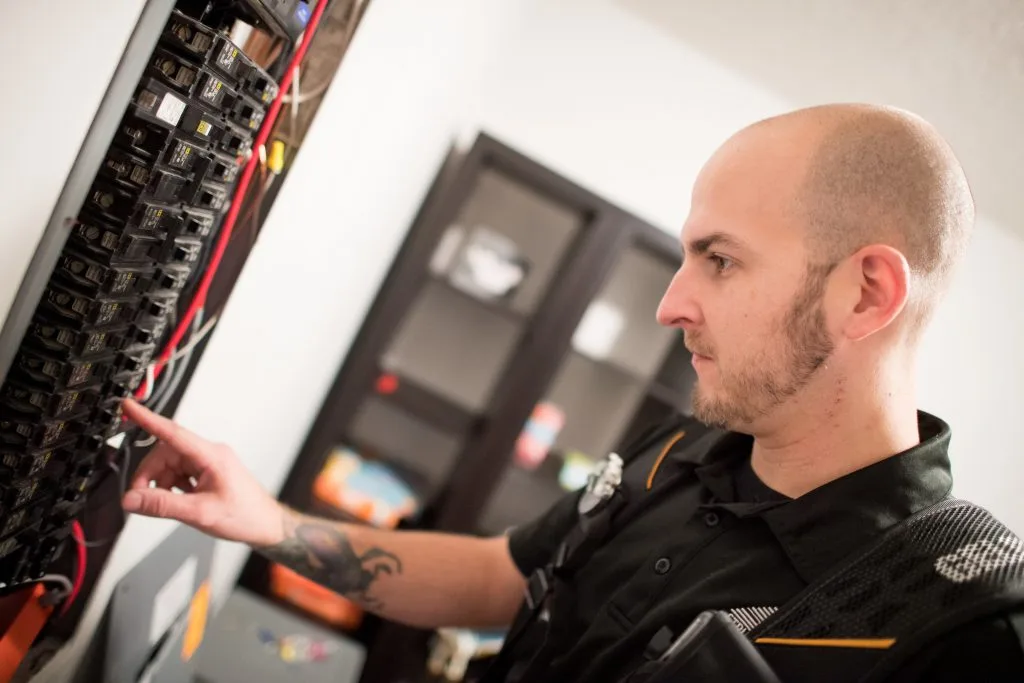
Electrical panel and wiring evaluation. Older Chicago homes frequently contain Federal Pacific or Zinsco panels, both flagged for fire hazard risk. Knob-and-tube wiring appears regularly in pre-1950 construction across Cook, Lake, and DuPage Counties. An inspector who identifies these conditions gives you a clear cost signal before you close.
Mold assessment. Vacant homes with failed gutters, roof leaks, or plumbing drips develop mold quickly. Chicago’s freeze-thaw cycles accelerate moisture intrusion. A mold test confirms whether visible staining is surface-level or part of a larger hidden colony.
Plumbing freeze damage check. Vacant foreclosures are especially vulnerable to burst pipes from Chicago winters. Inspectors check supply lines, drain traps, and water heater connections for freeze damage. Utilities are sometimes turned off in vacant properties, which limits what can be tested. Buyers should request utility activation before the inspection date whenever possible.
Pro Tip: Schedule your sewer scope and radon test on the same day as your general inspection. Bundling services with one provider saves time and gives you a complete picture of the property in a single visit.
How to interpret inspection findings and budget for repairs in an as-is purchase
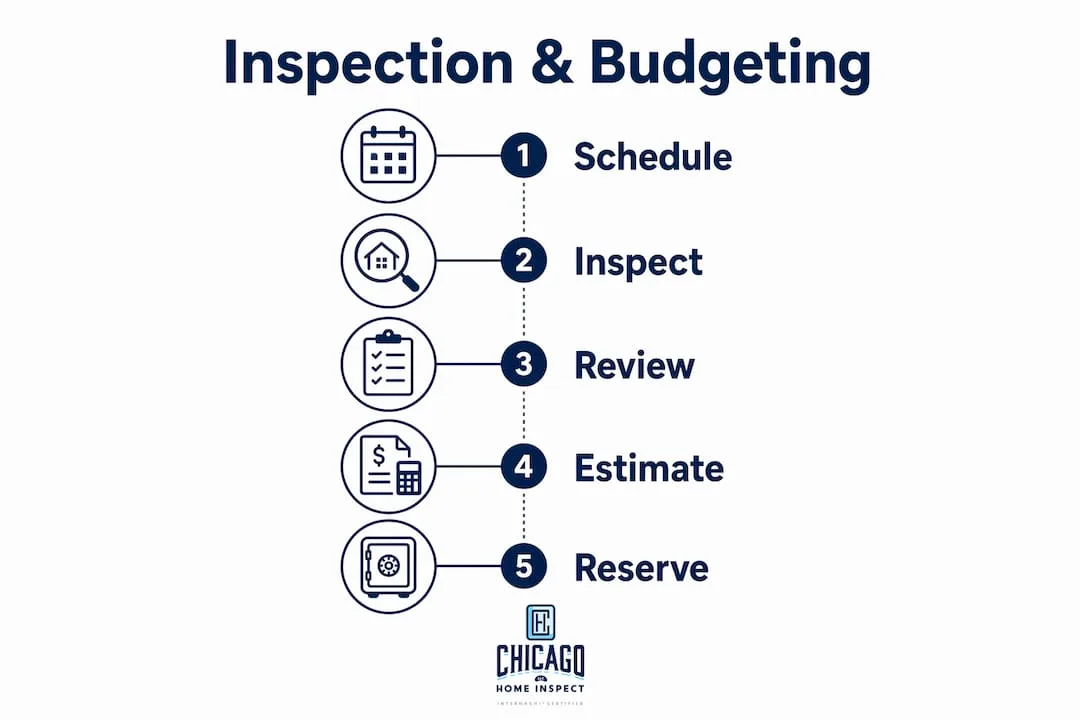
The inspection report on an older Chicago estate home will be long. A lengthy report does not automatically mean the property is a bad buy. Long inspection reports on older estate homes reflect typical aging and wear, not necessarily severe issues. Your job is to separate cosmetic items from structural and safety defects.
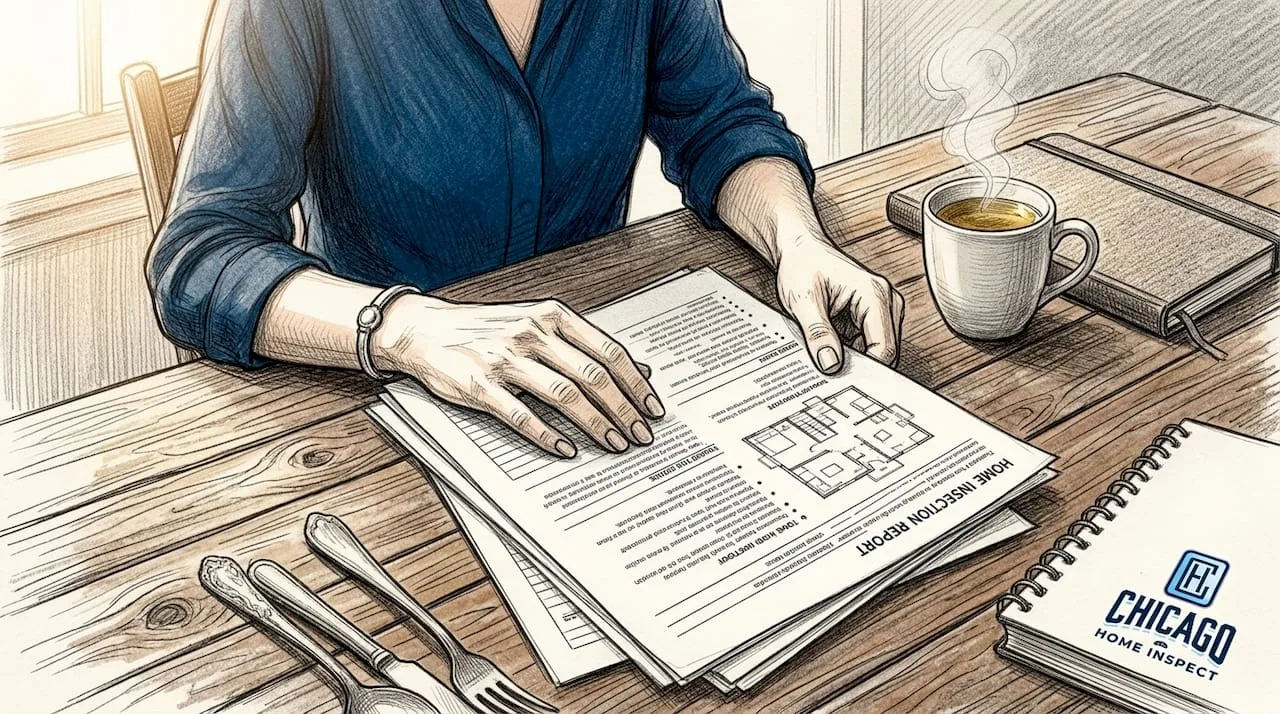
Use this framework when reviewing findings:
| Finding category | Action |
|---|---|
| Safety hazards (electrical, gas, structural) | Require immediate remediation. Get contractor estimates before deciding. |
| Major systems near end of life (HVAC, roof) | Budget for replacement within 1–3 years. Factor into offer price. |
| Deferred maintenance (gutters, caulking, grading) | Plan for year-one repairs. Lower urgency but real cost. |
| Cosmetic issues (paint, flooring, fixtures) | Budget separately. Do not let these drive a no-go decision. |
Known defects are only part of the expected repair costs in as-is purchases. Hidden conditions like mold behind drywall, structural settling, and outdated electrical drive costs above initial estimates. A disciplined repair reserve budget accounts for both what the inspector found and what could not be tested due to limited access or utility shutoffs.
A practical rule: budget a meaningful repair reserve above and beyond your contractor estimates for known defects. Limited access, utility shutoffs, and older home systems mean some conditions will remain untestable until after closing. That buffer protects you from the financial shock of discovering a failed sewer lateral or a compromised foundation wall after you own the property.
Pro Tip: Before you make an offer on a foreclosure or estate sale, walk through the property with a licensed general contractor after the inspection. Inspectors identify conditions; contractors price them. That combination gives you a real number to work with.
Getting repair estimates from licensed contractors in Cook, DuPage, Lake, or McHenry County before you finalize your offer is the most practical step you can take. It converts the inspection report from a list of concerns into a dollar figure you can evaluate against the purchase price.
What are the most common mistakes buyers make in as-is estate and foreclosure purchases?
The most expensive mistakes in as-is purchases are predictable. Most come from misunderstanding what the transaction type actually requires.
“The biggest misconception is that ‘as-is’ means skipping professional evaluations. In reality, the lack of seller disclosures makes inspections even more critical.” — Estate Sale and Short Sale Inspection Guide
Buyers who skip inspections or rely on a quick walkthrough are investing in a potential money pit without understanding the full scope of what they are buying. Field walkthroughs typically take 20–30 minutes and miss the system-level defects that a full inspection uncovers. That shortcut can cost tens of thousands of dollars after closing.
Common mistakes to avoid:
- Skipping the inspection entirely because the deal feels urgent or competitive. No price discount justifies buying blind.
- Expecting seller repairs after the inspection. As-is means as-is. Buyers who submit repair requests in these transactions often lose the deal and the earnest money.
- Failing to verify legal authority. In probate sales, the executor must have court authorization to sell. Buyers must verify legal authority to sign off before the transaction proceeds, or risk a derailed closing.
- Underestimating deferred maintenance. A home that has sat vacant for two Chicago winters has experienced freeze-thaw stress on every pipe, joint, and masonry surface. The visible damage is rarely the full picture.
- Ignoring timeline risk. Foreclosure and probate sales have unpredictable timelines, sometimes extending over a year. Buyers who lock in rate commitments or contractor schedules too early face real financial exposure.
Understanding these pitfalls before you make an offer puts you in a fundamentally stronger position than most buyers competing for the same property.
Our perspective on buying as-is estate sales and foreclosures in Chicago
At Chicago Home Inspect LLC, we have inspected hundreds of estate sales and foreclosures across Cook, Lake, McHenry, and DuPage Counties. Our consistent finding is that “as-is” does not mean inspection optional. It means inspection is more critical than ever.
Older Chicago properties demand a different inspection focus than newer suburban construction. A 1910 two-flat in Wicker Park has clay sewer laterals, knob-and-tube wiring, and a boiler system that a newer Naperville home simply does not. We adjust our focus accordingly. Buyers who work with inspectors who understand Chicago-specific risks get reports that actually reflect what they are buying, not a generic checklist.
We also push back on the idea that inspections are a hurdle. They are the clearest picture of a property you will ever get before you own it. Buyers who treat the inspection as a decision-making tool, rather than a formality, make better offers and avoid the deals that would have hurt them. That is the real value of a thorough inspection on an as-is property.
— Chicago Home Inspect LLC
How Chicago Home Inspect LLC serves estate sale and foreclosure buyers
Chicago Home Inspect LLC performs comprehensive inspections built for as-is purchases, including sewer line inspections, professional radon testing, mold testing, and full electrical evaluations. Our detailed photo reports let you see exactly what we found, not just read about it. Review our sample inspection report to understand the depth of findings you can expect on an older Chicago property. We serve Lake, McHenry, DuPage, and northern Cook Counties, with weekend availability to fit the tight timelines that estate and foreclosure purchases often require. Contact us to schedule your inspection and get the facts you need before you commit.
FAQ
What does “as-is” mean for a home inspection?
“As-is” means the seller will not make repairs or offer credits based on inspection findings. The inspection still serves as your primary tool for assessing risk and deciding whether to proceed with the purchase.
Do I still need an inspection on a foreclosure or estate sale?
Yes. The absence of seller disclosures in these transactions makes professional inspections the buyer’s most reliable source of property condition information. Skipping the inspection removes your only objective view of the home’s condition.
What specialized tests matter most for Chicago foreclosures and estate sales?
Sewer scope inspections, radon testing, and electrical panel evaluations are the highest-priority add-ons for older Chicago properties. Mold testing and a freeze-damage plumbing check are also strongly recommended for homes that have been vacant through a Chicago winter.
How should I budget for repairs on an as-is property?
Build a repair reserve that covers known defects plus a buffer for hidden conditions that could not be tested due to utility shutoffs or limited access. Hidden conditions like mold and outdated electrical regularly drive costs above initial estimates.
How long does it take to close on a foreclosure or estate sale?
Probate and foreclosure closings can extend from the standard 30–45 days to over a year, depending on court or bank approval requirements. Build timeline flexibility into your financing and planning from the start.