
Over eighty percent of american home buyers say a thorough home inspection is a top priority before making an offer. Selling your Chicago home in today’s market means you need to meet these high expectations from the start. By following a clear step-by-step approach, you can boost buyer trust, reduce surprises, and position your property for a smooth sale in one of the most competitive cities in the country.
Table of Contents
- Step 1: Schedule A Certified Home Inspector
- Step 2: Prepare The Home For Inspection Day
- Step 3: Address Common Repair Issues Early
- Step 4: Review The Inspection Report Carefully
- Step 5: Implement Repairs And Verify Completion
Quick Summary
| Key Point | Explanation |
|---|---|
| 1. Schedule a Certified Inspector | Choose a certified home inspector for a standardized evaluation tailored to Chicago properties. This helps build trust with buyers. |
| 2. Prepare Your Home Thoroughly | Ensure utilities are active and areas clutter-free for easy access. This enhances the inspector’s capability to assess your home. |
| 3. Address Repair Issues Early | Identify and fix minor problems before inspection to improve inspection readiness and prevent surprises. Document all repairs for transparency. |
| 4. Review the Inspection Report | Analyze the inspection report in detail to understand issues and repair costs, helping you negotiate better with potential buyers. |
| 5. Verify Repairs with Follow-Up | Ensure all repairs are completed and verified; consider a follow-up inspection to demonstrate commitment to quality to prospective buyers. |
Step 1: Schedule a Certified Home Inspector
Scheduling a certified home inspector is your first strategic move in preparing your Chicago home for a successful sale. According to InterNACHI, selecting a certified professional ensures you receive a comprehensive and standardized home inspection that meets national quality standards.
To schedule your inspection, start by researching local certified inspectors like Chicago Home Inspect LLC who are InterNACHI certified and understand the specific nuances of Chicago area properties. Look for professionals with strong credentials and local experience who can thoroughly assess everything from vintage Wicker Park bungalows to modern downtown condos. Call their office or use their online scheduling tool to book an appointment that works with your timeline. Most professional inspection services offer weekend and flexible scheduling to accommodate sellers preparing their homes for market.
Pro tip: When scheduling, ask about their specific inspection process and request a sample report. Inspectors from InterNACHI follow rigorous standards that will give potential buyers confidence in your home’s condition. Having a pre listing inspection allows you to address potential issues proactively and potentially increase your home’s marketability before listing.
Your next step after scheduling will be preparing your home for the upcoming comprehensive inspection.
Step 2: Prepare the Home for Inspection Day
Preparing your home for a pre-listing inspection requires strategic planning to ensure a smooth and comprehensive assessment. According to InterNACHI, sellers should focus on creating an accessible and transparent environment that helps inspectors conduct a thorough evaluation of the property.
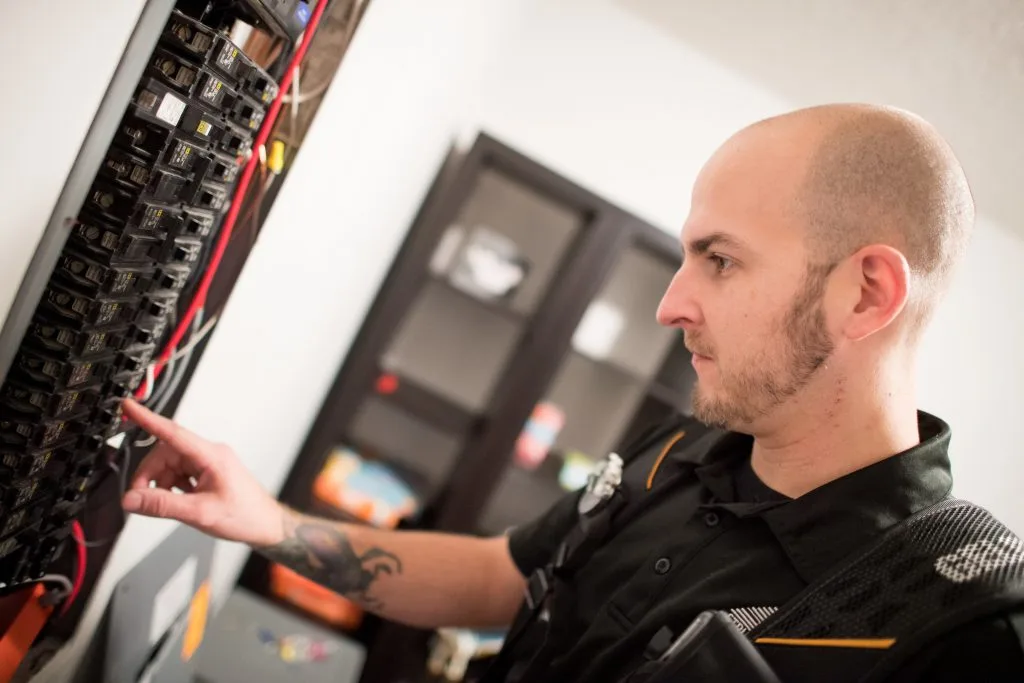
Start by ensuring all utilities are active and accessible. This means checking that electricity, water, and gas are turned on and that the inspector can easily reach electrical panels, water heaters, and other critical systems. Clear any clutter around key areas like the furnace, water heater, and electrical panel to provide unobstructed access. Remove items blocking crawl spaces, attic entrances, and basement areas. According to CREIA, accessibility is crucial for a comprehensive home inspection.
Pro tip for Chicago homeowners: Replace any burned out light bulbs and ensure all pilot lights are operational. Secure pets in a designated area or arrange for them to be off site during the inspection to prevent interference. Have documentation ready for recent repairs, upgrades, or maintenance work. This proactive approach demonstrates transparency and can help build trust with potential buyers.
After preparing your home, you will be ready for the inspector to conduct a detailed assessment of your property.
Step 3: Address Common Repair Issues Early
Addressing repair issues before your home inspection is a critical strategy for ensuring a smooth selling process in the Chicago real estate market. InterNACHI advises sellers to proactively identify and resolve potential problems that could derail a future home sale.
Start by conducting a thorough walkthrough of your home and focusing on easily fixable issues. Check for water leaks under sinks and around plumbing fixtures, examine electrical outlets for proper functionality, and look for signs of wear in critical home systems. Replace damaged window screens, repair minor drywall holes, and touch up paint where needed. Ensure that all doors open and close smoothly and that basic hardware like doorknobs and cabinet handles are secure. According to CREIA, these small repairs can significantly improve your home’s overall inspection readiness.
Pro tip for Chicago area homeowners: Consider hiring a professional handyman for a pre-inspection tune up if you are not comfortable making repairs yourself. Document all repairs and keep receipts to demonstrate to potential buyers that you have maintained the property with care. By addressing these common repair issues early, you will reduce the likelihood of unexpected surprises during the official home inspection and potentially increase your home’s marketability.
Once you have completed these repairs, you will be well prepared for the next step in the pre listing inspection process.
Step 4: Review the Inspection Report Carefully
Reviewing your home inspection report thoroughly is a critical step in understanding your property’s condition and preparing for a successful sale. InterNACHI emphasizes the importance of carefully examining each section of the report to ensure comprehensive understanding of potential issues and their implications.
Begin by reading the report from start to finish, paying close attention to the details of each system and component. Look for categorizations of issues ranging from minor cosmetic concerns to significant structural problems. Focus on understanding the severity and potential cost of repairs mentioned in the report. Some findings might be simple fixes like loose electrical outlets or minor plumbing connections, while others could indicate more substantial challenges that require professional intervention. According to the Board of Technical Registration, a comprehensive report should provide clear descriptions and recommendations for each identified issue.
Pro tip for Chicago homeowners: Consider consulting with a professional contractor to get estimates on recommended repairs if the inspection report identifies significant issues. This proactive approach allows you to understand repair costs and potentially negotiate with buyers more effectively. Learn more about understanding inspection reports to make informed decisions about your home sale.
After carefully reviewing the report, you will be prepared to develop a strategic plan for addressing any necessary repairs or adjustments before listing your home.
Step 5: Implement Repairs and Verify Completion
Implementing and verifying repairs is a critical step in preparing your Chicago home for a successful sale. InterNACHI recommends a systematic approach to addressing issues identified during the pre listing inspection, ensuring that all repairs are completed thoroughly and professionally.
Begin by prioritizing repairs based on their severity and potential impact on the sale. For structural or significant system issues, hire licensed professionals who can provide documentation of their work. Minor repairs like fixing leaky faucets, replacing damaged window screens, or addressing electrical outlet problems can often be handled personally. According to ASHI, maintaining a detailed record of all repairs is essential for transparency with potential buyers. Take before and after photos, keep all receipts, and maintain a comprehensive log of work completed.
Pro tip for Chicago homeowners: Consider a follow up inspection to verify that all repairs have been completed correctly. Understand how to distinguish between legitimate repairs and potential cover ups to ensure you are presenting your home in the best possible light. This extra step demonstrates your commitment to quality and can help build trust with potential buyers.
With repairs completed and verified, you are now ready to prepare for the final stages of your home selling process.
Secure Your Chicago Home Sale with Expert Pre-Listing Inspections
Getting your home ready for sale can feel overwhelming. This article shows that scheduling a certified inspection, preparing your home carefully, addressing repairs early, and reviewing your inspection report thoroughly are key steps. You want to avoid unexpected issues and build buyer trust by demonstrating transparency and quality. These goals are easier to reach when you have a trusted partner helping you every step of the way.
Our Seller Pre-Listing Inspections service in the Chicago area is designed specifically to meet these needs. We are licensed, insured, InterNACHI certified, and ready to provide thorough, flexible inspections that fit your schedule. Take control of your home sale with a clear, professional inspection report and expert advice on repairs. Act now to avoid delays and surprises during your selling process. Visit Schedule an Inspection to book your appointment and get one step closer to a successful sale.
Frequently Asked Questions
What is the first step in preparing for a pre-listing inspection?
Scheduling a certified home inspector is the first step. Research local inspectors, check their credentials, and book an appointment that fits your timeline to ensure a thorough assessment of your property.
How can I prepare my home for the inspection day?
To prepare your home, ensure all utilities are active and accessible, and clear clutter around key areas like your furnace or water heater. This transparency helps inspectors conduct a thorough evaluation and can lead to a smoother inspection process.
What common repair issues should I address before the pre-listing inspection?
Focus on easily fixable issues like water leaks, electrical outlet functionality, and minor cosmetic repairs. By addressing these common problems, you can improve your home’s inspection readiness and potentially avoid last-minute surprises during the actual inspection.
How should I review the inspection report after the inspection?
Read the inspection report thoroughly, noting the severity of issues and any recommended repairs. Understanding the report helps you plan your next steps and can prepare you for negotiations with potential buyers.
What should I do after making repairs indicated in the inspection report?
After completing repairs, verify that all work is thorough and professional. Maintain documentation, including receipts and photos, to demonstrate your home’s condition to potential buyers and build trust during the selling process.
Is a follow-up inspection necessary after addressing repairs?
A follow-up inspection is recommended to ensure all repairs were completed correctly. This additional step can reinforce your commitment to quality and enhance buyer confidence in your home.
Recommended
- Pre-Listing Inspections by Trusted Home Inspectors in Chicago
- Pre-Listing Inspection Tutorial: Ensure Your Home is Ready | Chicago Home Inspect LLC
- Understanding Why Inspect Before Selling Your Home | Chicago Home Inspect LLC
- Understanding the Role of Home Inspection in Selling | Chicago Home Inspect LLC