
Nearly one out of every fifteen American homes contains dangerous levels of radon according to the Environmental Protection Agency. For Chicago homebuyers and sellers, this invisible radioactive gas poses a unique threat that cannot be seen, smelled, or tasted. Protecting your investment and health means understanding how radon finds its way indoors and what proactive steps can uncover hidden risks before finalizing a real estate transaction or maintaining your property.
Table of Contents
- What Is Radon And Why It’s Harmful
- Types Of Radon Tests For Chicago Homes
- How Radon Testing Works Step By Step
- Illinois Radon Laws And Property Rules
- Costs, Risks, And Common Testing Mistakes
What Is Radon And Why It’s Harmful
Radon is a silent, invisible threat lurking in homes across Chicago and beyond. This radioactive gas emerges from the natural decay of uranium within rocks and soil, seeping undetected through foundation cracks and openings in residential structures. Radioactive gas emissions pose serious health risks that many homeowners remain unaware of.
Unlike other environmental hazards, radon cannot be seen, smelled, or tasted, making professional testing the only reliable method for detection. Scientific research reveals radon as the second leading cause of lung cancer in the United States, responsible for approximately 15,000 to 22,000 deaths annually. The risk becomes dramatically amplified for smokers, who are approximately 25 times more likely to develop lung cancer when exposed to elevated radon levels.
Chicago homeowners should understand that radon can infiltrate any type of residence – from historic brownstones in Lincoln Park to modern condos in River North. Geological conditions in Illinois, characterized by specific rock and soil compositions, can contribute to higher radon concentrations. The International Agency for Research on Cancer has classified radon as a proven human carcinogen, placing it in the same dangerous category as tobacco smoke, asbestos, and benzene.
Pro tip: Schedule a professional radon test every two years, especially if you live in an older Chicago home or have not tested previously.
Types Of Radon Tests For Chicago Homes
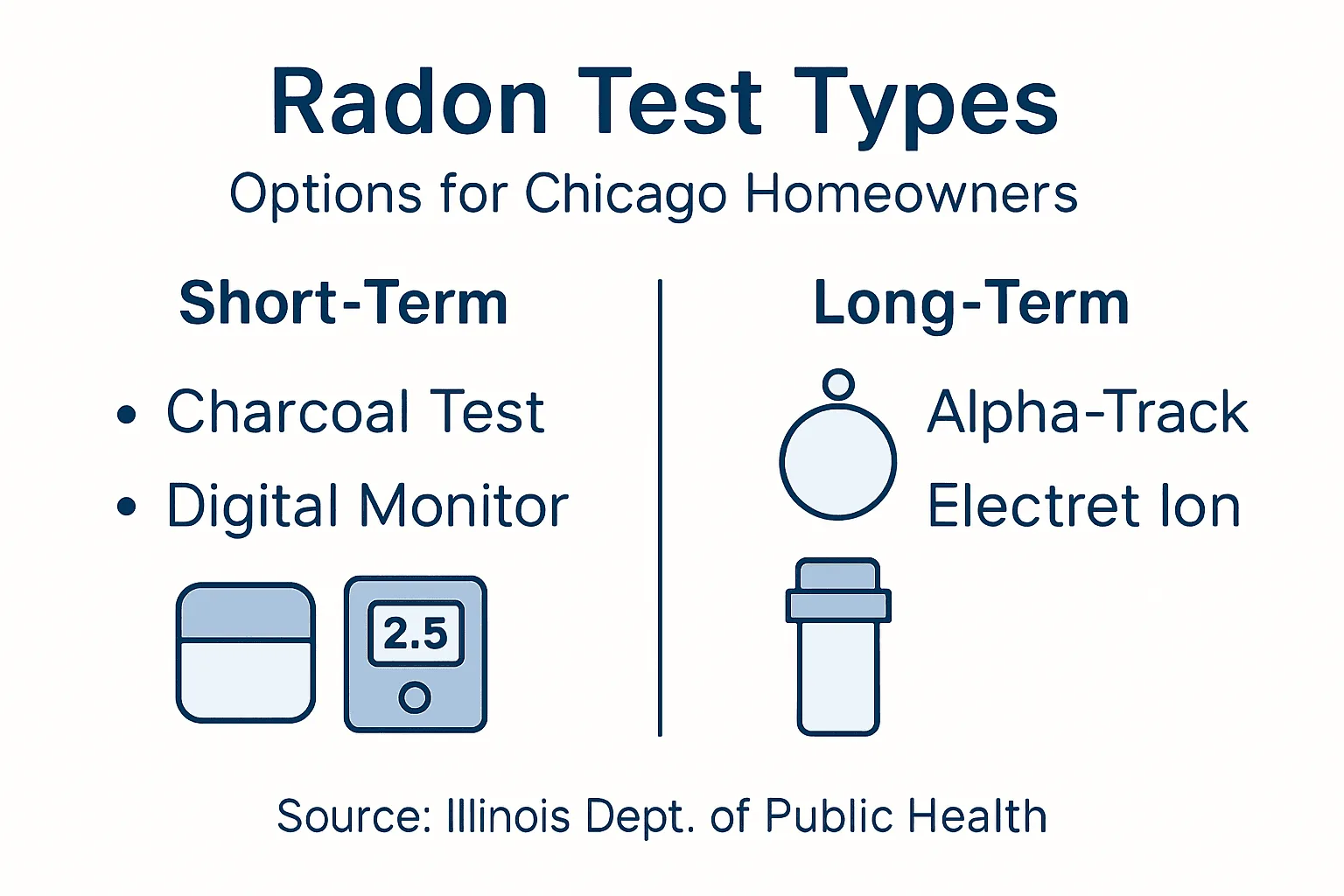
Homeowners in Chicago have multiple options for detecting radon levels, each with unique advantages and testing durations. Short-term radon testing kits provide quick assessments, typically lasting between two to seven days. These charcoal canister tests are affordable and offer an initial screening of potential radon concentrations in residential spaces.
Long-term testing methods provide a more comprehensive understanding of radon exposure. Alpha-track detectors can measure radon levels over extended periods ranging from three months to a full year, capturing seasonal variations and delivering a more accurate representation of a home’s typical radon concentration. Digital radon detectors represent the most advanced testing technology, offering real-time monitoring and instant readings that can help homeowners quickly identify potential risks.
In Cook County, local public health departments recommend testing residential properties for radon levels, especially in older homes with potential foundation vulnerabilities. Professional radon testing services can conduct comprehensive evaluations using calibrated electronic monitors, providing the most precise measurements. Homeowners should be particularly attentive if their residence has basement areas, crawl spaces, or significant ground-level openings where radon can easily infiltrate.
Pro tip: Request a professional radon test during your home inspection to ensure the most accurate and comprehensive evaluation of potential radon risks.
Here’s a comparison of common radon testing methods for Chicago homes:
| Test Type | Typical Duration | Accuracy Level | Best Use Case |
|---|---|---|---|
| Charcoal Canister | 2-7 days | Basic initial screening | Quick, affordable check |
| Alpha-track Detector | 3 months–1 year | Captures seasonal changes | Long-term, reliable view |
| Digital Monitor | Continuous | Real-time, high precision | Instant alerts, ongoing risk |
How Radon Testing Works Step By Step
Radon testing begins with selecting the appropriate testing method for your Chicago home. Radon testing protocols recommend measuring the lowest occupied living area, which is typically the basement or ground floor. Professional inspectors carefully choose strategic locations away from kitchens, bathrooms, and areas with high humidity to ensure accurate measurements.
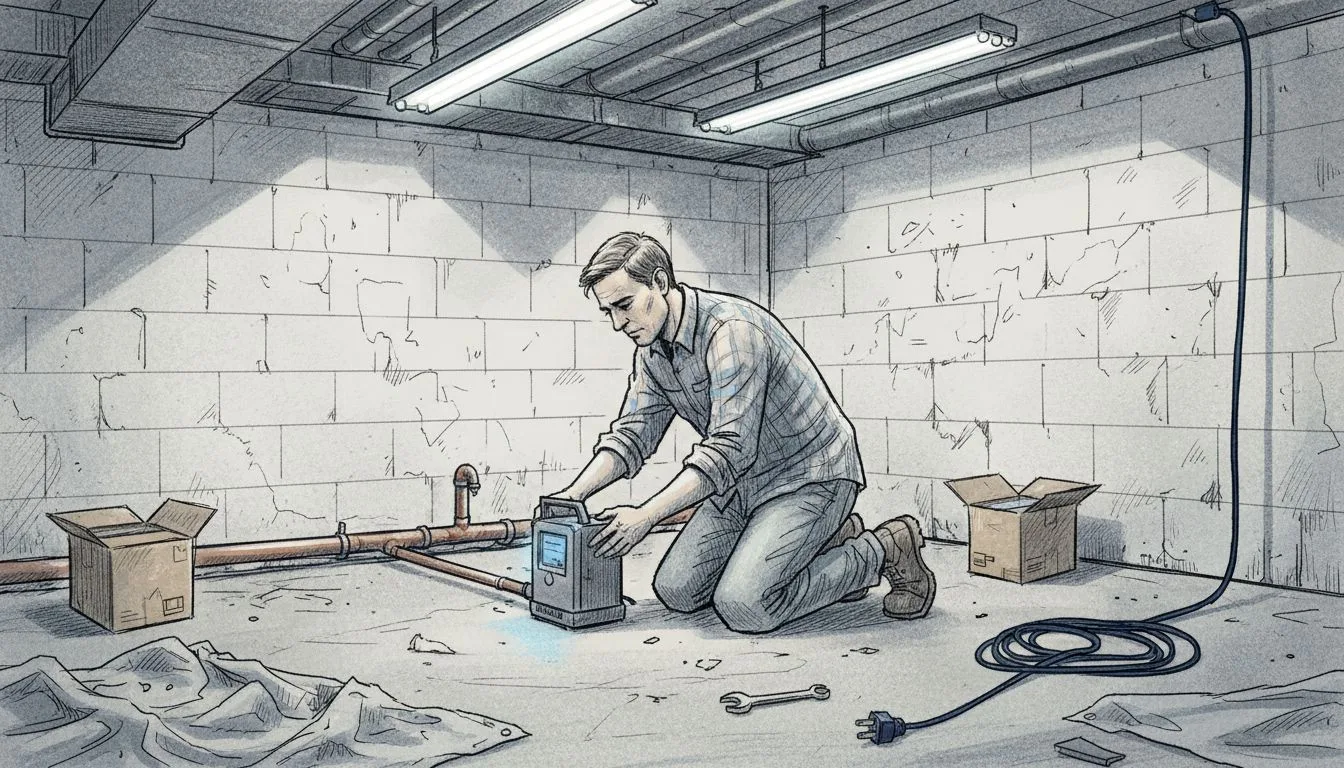
The testing process involves precise placement of detection devices. Short-term tests typically last between two to seven days, requiring homeowners to maintain specific environmental conditions. This means keeping windows and doors closed, avoiding excessive ventilation, and minimizing disruptions that could alter radon concentration readings. Digital or charcoal canister detectors are positioned at breathing level, usually 3-6 feet from the floor, to simulate actual human exposure conditions.
After the testing period, the radon detection kit is carefully sealed and sent to an EPA-approved laboratory for comprehensive analysis. Testing guidance recommends interpreting results based on standard thresholds, with levels above 4 picocuries per liter (pCi/L) triggering recommended mitigation strategies. Professional home inspectors in Chicago can help interpret these results, providing context specific to the home’s unique geological and structural characteristics.
Pro tip: Schedule radon testing during stable weather conditions and avoid testing immediately after significant home renovations or changes in ventilation systems.
Illinois Radon Laws And Property Rules
Illinois takes a proactive approach to protecting residents from radon exposure through comprehensive legal frameworks. Radon awareness regulations mandate specific requirements for real estate transactions, construction standards, and professional licensing to ensure public safety. The state requires detailed disclosure of radon risks during property sales, giving potential buyers critical information about potential health hazards.
The Tenants Radon Protection Act introduces significant protections for renters across Illinois. Landlord disclosure requirements now include providing radon hazard forms before lease signing and maintaining records of radon concentrations. Tenants have specific rights, including the ability to terminate leases under certain high-radon conditions. The law, effective January 1, 2024, represents a significant step in ensuring residential safety and transparency.
Professional licensing plays a crucial role in Illinois radon management. The Illinois Emergency Management Agency oversees certification for radon measurement and mitigation professionals, ensuring that only qualified experts can conduct testing and remediation. New home construction now includes mandatory radon-resistant techniques, reflecting the state’s commitment to proactive health protection. Homeowners and property managers must navigate these regulations carefully, understanding their responsibilities in detecting and addressing potential radon risks.
Pro tip: Request official radon disclosure documents during any real estate transaction and verify the professional certifications of radon testing professionals.
Summary of key Illinois radon regulations impacting property owners:
| Legal Requirement | Who It Applies To | When Enforced | Main Impact on Residents |
|---|---|---|---|
| Radon Risk Disclosure | Sellers & landlords | Property sales/leases | Informs buyers and renters |
| Tenant Lease Termination Start | Renters | Jan 1, 2024 | Lease exit for high radon levels |
| Professional Certification | Testing/mitigation experts | Ongoing | Ensures qualified inspectors |
| Radon-Resistant Home Building | New home builders | New construction | Better protection in new homes |
Costs, Risks, And Common Testing Mistakes
Radon testing and mitigation represent a critical investment in home safety, with costs ranging from significant financial commitments to essential health protection. Professional radon mitigation systems typically cost between $700 and $4,000, averaging around $1,000, depending on factors like home size, foundation type, and installation complexity. Homeowners should budget for not just initial installation, but ongoing energy costs, periodic testing, and system maintenance.
The health risks associated with radon exposure are substantial and often underestimated. Radon is the second leading cause of lung cancer in the United States, responsible for approximately 21,000 deaths annually. These risks are dramatically amplified for smokers, creating a potentially deadly combination of environmental and lifestyle hazards. Understanding these risks underscores the importance of comprehensive and accurate radon testing.
Common testing mistakes can significantly compromise the accuracy of radon measurements. Errors frequently occur through improper test placement, failure to follow manufacturer instructions, testing during inappropriate weather conditions, or neglecting long-term testing requirements. Residents might inadvertently place test kits near windows, in high-traffic areas, or fail to maintain closed-house conditions, all of which can produce misleading results. Professional home inspectors recommend carefully following testing protocols and considering multiple testing methods to ensure accurate assessments.
Pro tip: Always conduct radon tests during stable weather conditions and follow manufacturer instructions precisely to ensure accurate results.
Protect Your Chicago Home From Hidden Radon Risks Today
Radon is a silent danger that can affect any Chicago home, increasing lung cancer risks without warning. If you want to safeguard your family’s health by detecting and addressing this invisible threat, trust the experts who know how to perform accurate and reliable radon testing. Our services include professional radon testing designed to provide peace of mind through precise results and clear guidance.
Don’t leave your loved ones exposed to this proven carcinogen. Book your radon test with our licensed and InterNACHI certified inspectors now. Take advantage of our flexible scheduling, including weekends, to fit your busy life. Visit Schedule a Home Inspection and get started today. Ensure your Chicago property complies with Illinois radon laws and protects your family’s wellbeing with comprehensive testing from trusted professionals at Chicago Home Inspector.
Act quickly to detect radon before it impacts your home. Your family’s health is worth it.
Frequently Asked Questions
What is radon, and why is it harmful?
Radon is a radioactive gas that emanates from the natural decay of uranium in rocks and soil. It is harmful because it is a leading cause of lung cancer in the United States, responsible for thousands of deaths annually, especially affecting smokers.
How often should I test my home for radon?
It is recommended to test your home for radon every two years, especially if you live in an older home or have not tested previously. Regular testing ensures that you remain informed about any radon risks in your home.
What are the different types of radon tests available?
There are various types of radon tests, including short-term tests (lasting 2 to 7 days) for quick assessments and long-term tests (lasting 3 months to a year) for a comprehensive view of radon exposure. Digital radon detectors offer real-time monitoring of radon levels.
What should I do if my radon levels are high?
If your radon levels exceed 4 picocuries per liter (pCi/L), it’s recommended to implement mitigation strategies. This may include installing a radon mitigation system to reduce the concentration of radon in your home.
Recommended
- How to Check Radon Levels in Chicago Homes | Chicago Home Inspect LLC
- Radon Health Effects – Risks for Chicago Homebuyers | Chicago Home Inspect LLC
- Radon Testing in Chicago Homes – Why It Matters | Chicago Home Inspect LLC
- Radon Testing Chicago: Protecting Buyers’ Health and Homes | Chicago Home Inspect LLC
- Dog Safety for Families – Enhancing Trust and Security – iPupPee