
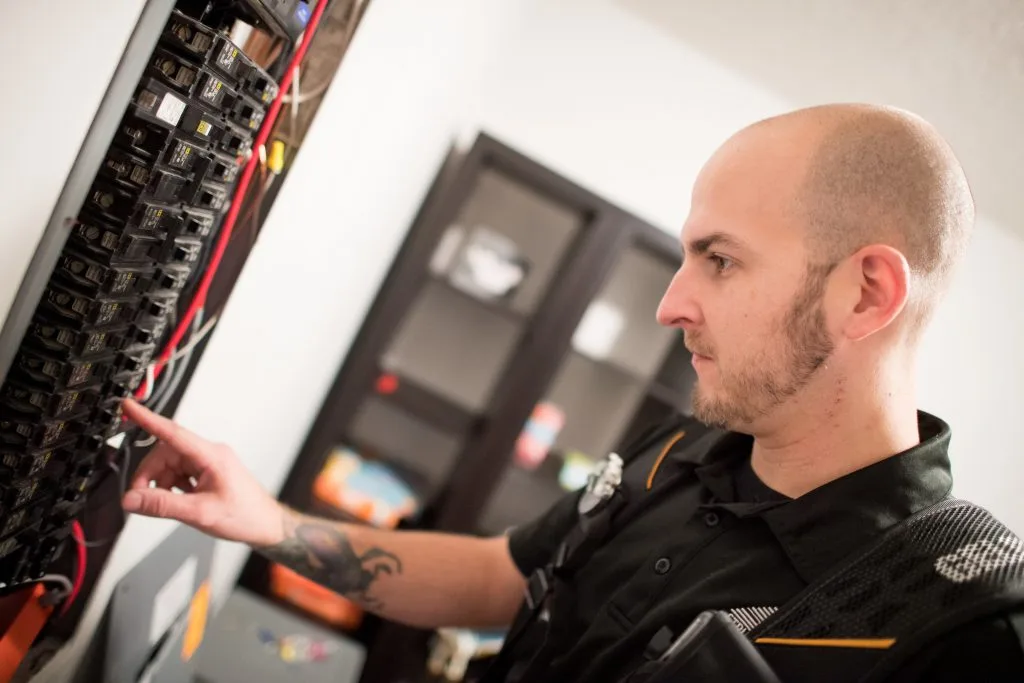
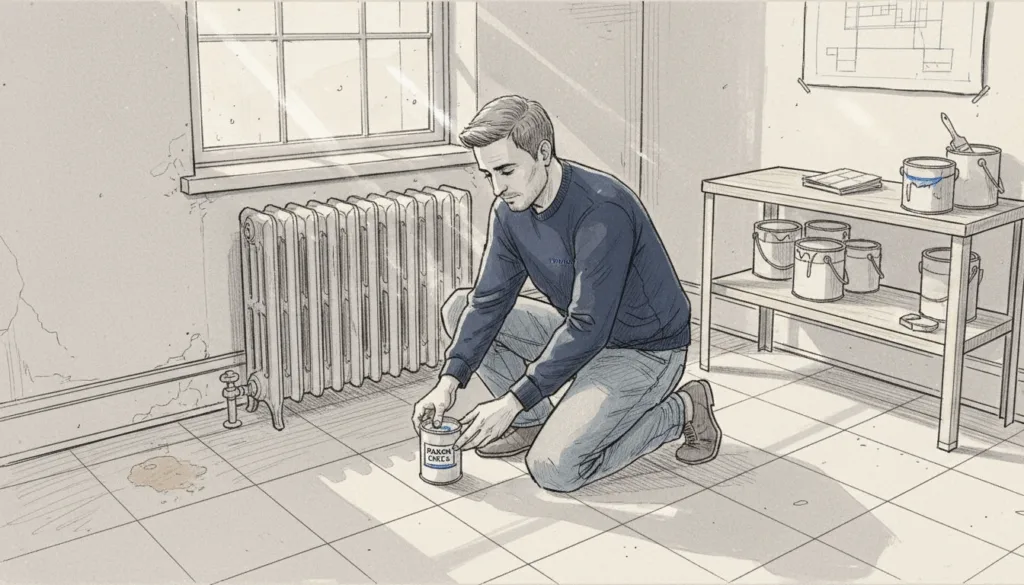
Most American families want peace of mind when buying a home, but few realize that radon is the leading cause of lung cancer among non-smokers in the United States. For Chicago homebuyers and real estate agents, hidden radon threats can make even the most charming properties risky investments. Learning where radon comes from, why it matters in older Illinois neighborhoods, and how trustworthy testing works gives you the tools to protect your future and your health.
Table of Contents
- Radon Explained: Sources And Dangers
- Types Of Radon Testing For Homes
- Steps To Proper Radon Level Testing
- Legal Limits And Chicago Area Regulations
- Health Risks And Safety Responsibilities
- Avoiding Common Missteps In Radon Testing
Radon Explained: Sources and Dangers
Radon represents a silent yet significant health threat lurking in many Chicago homes. This radioactive gas emerges naturally from underground uranium decay in soil and rock formations prevalent throughout Illinois. Radon can infiltrate buildings through tiny foundation cracks and openings, making residential spaces particularly vulnerable to contamination.
The invisible nature of radon makes it especially dangerous. Unlike other household hazards, radon provides no immediate warning signs – no odor, color, or taste alerts homeowners to its presence. According to lung health experts, prolonged radon exposure increases lung cancer risks substantially, causing approximately 21,000 deaths annually in the United States. Chicago residents living in older neighborhoods with historic brick or stone foundations face higher potential exposure risks.
Radon enters homes through multiple pathways beyond foundation cracks. Potential entry points include:
- Gaps around pipe penetrations
- Concrete floor slab cracks
- Basement wall openings
- Sump pump areas
- Well water systems
- Floor drain connections
Pro Tip – Radon Detection: Schedule professional radon testing during home purchase or annually to ensure your Chicago home remains safe from this invisible threat.
Understanding radon’s origins and risks empowers homeowners to take proactive steps in protecting their living spaces and personal health.
Types of Radon Testing for Homes
Radon testing provides critical insights into potential health risks within Chicago residential spaces. Homeowners have multiple options for detecting radon levels, each with unique advantages and measurement approaches. Understanding these testing methods helps residents make informed decisions about their indoor air quality and safety.
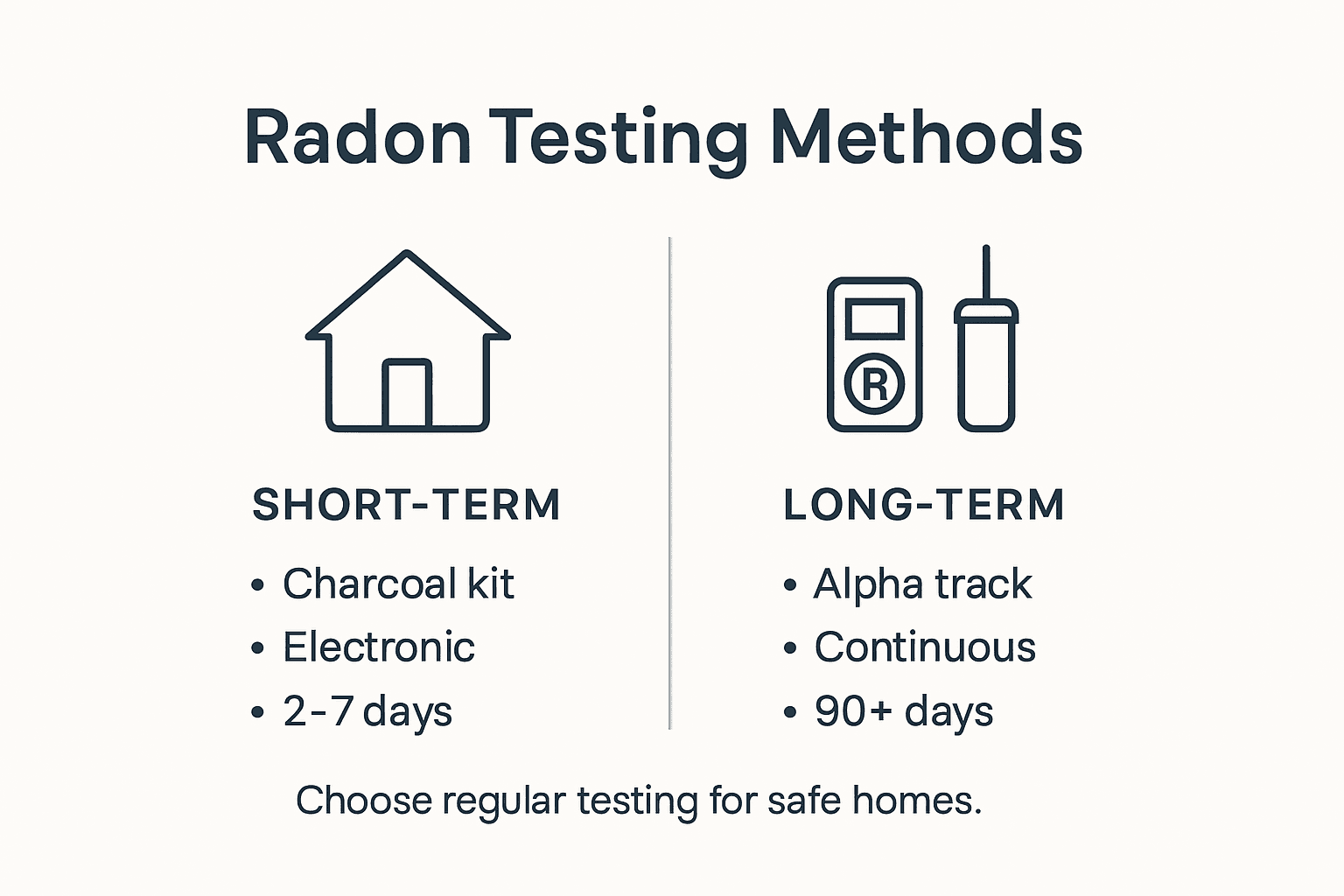
Two primary categories of radon testing exist: short-term and long-term testing. Short-term tests typically last between 2-7 days and provide a quick snapshot of potential radon concentration. These tests use activated charcoal canisters, electronic monitors, or continuous radon measurement devices strategically placed in living spaces. Long-term tests, which run for 3-12 months, offer a more comprehensive assessment of average radon levels, accounting for seasonal variations common in Chicago’s climate.
Radon testing methods can be categorized into two primary approaches:
- Do-it-yourself test kits: Available at local hardware stores
- Professional radon testing services: Conducted by certified inspectors with specialized equipment
Professional testing provides the most accurate and reliable radon measurements, utilizing calibrated electronic monitors that continuously track radioactive particle concentrations. These professionals understand optimal placement techniques and can provide comprehensive analysis of potential entry points and mitigation strategies.
Pro Tip – Strategic Testing: Test your home during winter months when doors and windows remain closed, providing the most accurate representation of potential radon accumulation.
Whether choosing a DIY approach or professional assessment, regular radon testing remains a critical component of maintaining a safe home environment in Chicago.
Here is a comparison of radon testing options available for Chicago homeowners:
| Testing Type | Duration | Who Performs It | Typical Use Case |
|---|---|---|---|
| Short-term DIY Kit | 2-7 days | Homeowner | Quick initial screening |
| Long-term DIY Kit | 3-12 months | Homeowner | Seasonally averaged results |
| Professional Testing | Any duration | Certified inspector | Real estate & comprehensive |
Steps to Proper Radon Level Testing
Accurate radon testing requires careful preparation and strategic placement of detection devices throughout your Chicago home. Homeowners must follow specific guidelines to ensure precise measurements that reflect true radon exposure risks. Understanding the nuanced process helps residents obtain reliable data about their indoor air quality.
The testing process involves several critical steps:
- Select the lowest lived-in area of your home
- Choose an appropriate testing method
- Avoid high-humidity spaces like bathrooms and kitchens
- Position test devices carefully
- Maintain consistent home conditions during testing
Short-term testing demands minimal disruption to your living environment. These tests typically run 2-7 days and provide a rapid snapshot of potential radon concentrations. Placement matters critically – test devices should be positioned at least 20 inches above the floor and away from exterior walls, windows, and high-traffic areas. Understanding proper testing protocols helps Chicago homeowners accurately assess potential health risks, particularly in older neighborhoods with complex foundation structures.
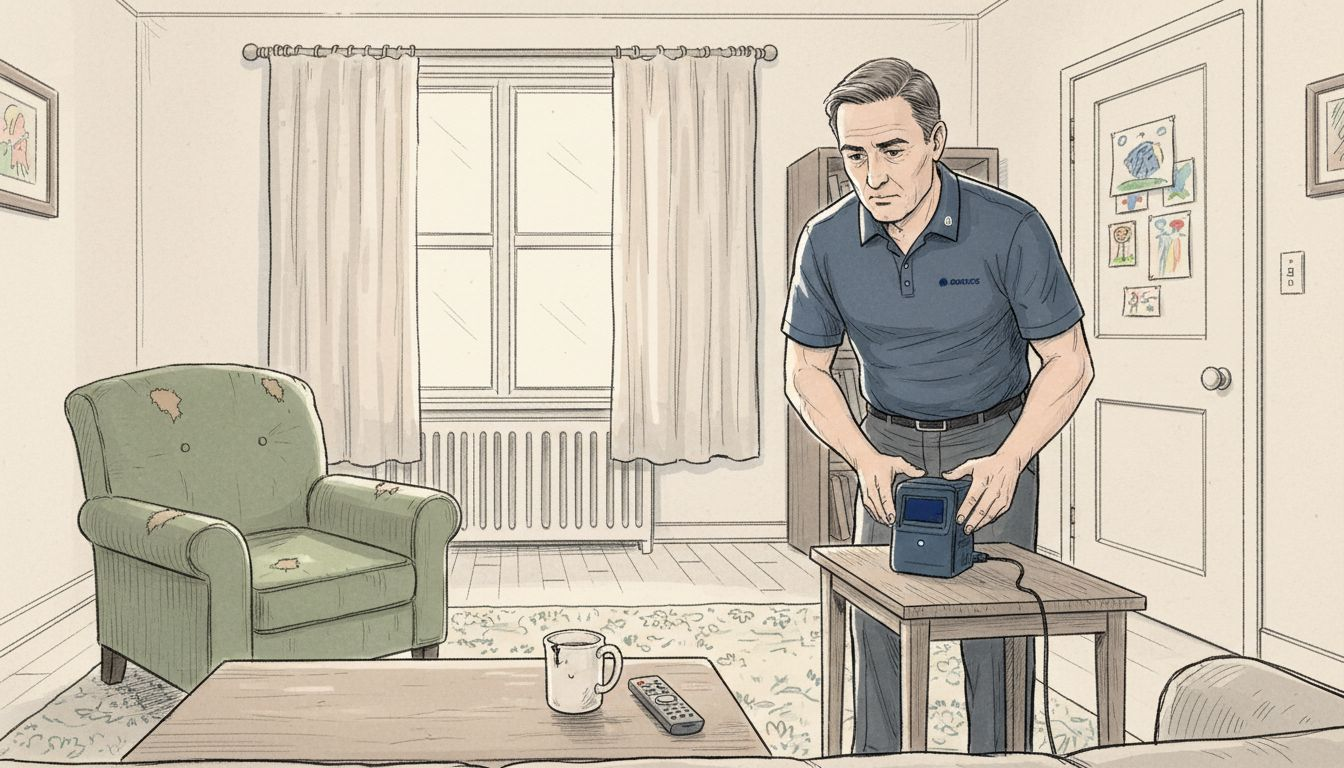
Professional inspectors recommend additional verification methods. After initial testing, if radon levels exceed 4 picocuries per liter (pCi/L), homeowners should conduct a follow-up long-term test or immediately consult a certified radon mitigation specialist. Multiple tests provide the most comprehensive understanding of your home’s radon exposure.
Pro Tip – Consistent Testing: Schedule annual radon tests during winter months when homes are typically sealed, providing the most accurate representation of potential radon accumulation.
By following these systematic steps, Chicago residents can effectively monitor and mitigate potential radon risks in their homes.
The following table summarizes actions if radon levels are found in your home:
| Radon Level (pCi/L) | Immediate Action | Long-term Consideration |
|---|---|---|
| Below 2.0 | No action, retest every 2 years | Maintain regular monitoring |
| 2.0 – 3.9 | Consider retesting in 6 months | Evaluate for any foundation changes |
| 4.0 or above | Begin mitigation immediately | Schedule professional mitigation |
Legal Limits and Chicago Area Regulations
Radon regulations in Chicago and Illinois represent a critical framework for protecting public health and ensuring residential safety. The Environmental Protection Agency (EPA) establishes baseline recommendations that guide local implementation, with specific considerations for urban environments like Chicago’s diverse neighborhoods.
Illinois schools are encouraged to implement comprehensive radon testing protocols, signaling a proactive approach to public health monitoring. While not legally mandated for all residential properties, the state strongly recommends radon testing and mitigation. The standard action level for radon exposure remains 4 picocuries per liter (pCi/L), a threshold that triggers recommended remediation strategies.
Key legal considerations for Chicago homeowners include:
- EPA recommended testing guidelines
- Illinois state health department recommendations
- Potential disclosure requirements during real estate transactions
- Recommended mitigation strategies for elevated radon levels
Local ordinances and building codes increasingly recognize radon as a significant environmental health concern. Real estate transactions in Chicago often include radon testing as part of comprehensive home inspections, though the specific requirements can vary between different municipalities within the metropolitan area.
Pro Tip – Legal Compliance: Consult local building authorities or a certified home inspector to understand the most current radon testing recommendations specific to your Chicago neighborhood.
Understanding these regulations helps Chicago residents protect their health and comply with evolving environmental safety standards.
Health Risks and Safety Responsibilities
Radon exposure represents a significant yet often overlooked health hazard for Chicago residents. Homeowners carry critical responsibilities in understanding and mitigating potential radioactive gas risks, particularly in older urban neighborhoods with complex geological foundations.
The health implications of prolonged radon exposure are profound. Radon is the second leading cause of lung cancer in the United States, creating substantial risks for individuals who remain unaware of indoor contamination. Unlike other environmental hazards, radon presents unique challenges because it is:
- Completely invisible
- Odorless
- Tasteless
- Undetectable without specialized testing
Chicago homeowners must recognize their primary safety responsibilities, which include regular testing, understanding potential exposure pathways, and implementing mitigation strategies when elevated levels are detected. The recommended action threshold of 4 picocuries per liter (pCi/L) serves as a critical benchmark for determining necessary interventions.
Genetic and lifestyle factors can amplify radon’s potential health risks. Smokers and individuals with pre-existing respiratory conditions face significantly higher lung cancer probabilities when exposed to elevated radon concentrations. This underscores the importance of comprehensive home testing and proactive monitoring.
Pro Tip – Personal Health Monitoring: Schedule periodic lung health screenings, especially if you live in an older Chicago home or have a history of radon exposure.
By understanding these risks, Chicago residents can take informed steps to protect their families and create safer living environments.
Avoiding Common Missteps in Radon Testing
Radon testing requires precision and careful attention to detail. Homeowners frequently encounter critical errors that can compromise test accuracy, potentially leading to misleading results about their indoor air quality.
Common testing mistakes in Chicago homes include:
- Placing test devices in inappropriate locations
- Failing to follow manufacturer instructions
- Testing during incorrect seasonal conditions
- Neglecting proper device placement
- Interrupting test duration
- Using expired or damaged testing equipment
Professional radon testing protocols emphasize strategic device positioning to ensure reliable measurements. Test kits must be positioned at least 20 inches above floor level, away from exterior walls, windows, and high-traffic areas. Avoid placing devices in kitchens, bathrooms, or other high-humidity spaces that can skew results.
The testing environment plays a crucial role in obtaining accurate measurements. Chicago homeowners should maintain consistent indoor conditions during testing, keeping windows and doors closed except for normal entry and exit. Fans and high-velocity air movement can also disrupt test accuracy, so minimize additional air circulation during the measurement period.
Pro Tip – Test Verification: Always conduct a follow-up test to confirm initial radon level readings and ensure the most accurate representation of your home’s environmental conditions.
By understanding and avoiding these common testing missteps, Chicago residents can obtain reliable radon measurements and protect their household’s health.
Protect Your Chicago Home with Expert Radon Testing
Radon exposure is a hidden danger that can seriously affect your family’s health. If you are concerned about accurately checking radon levels or avoiding common testing mistakes described in the article how to check radon levels in Chicago homes then it is essential to rely on professional services. Understanding the invisible nature of radon and its health risks means you need precise measurements from certified inspectors who know how to place devices correctly and interpret results reliably.
Don’t wait until radon levels reach harmful thresholds. Schedule your trusted radon testing today with our licensed and InterNACHI certified team. We offer thorough inspections, expert guidance on mitigation, and convenient appointment availability including weekends to fit your busy schedule. Take control of your home’s air safety now by booking a professional radon test. Protect your loved ones from the silent risks lurking beneath your home. Visit Chicago Home Inspector scheduling to secure your spot.
Frequently Asked Questions
How can I test radon levels in my home?
You can test radon levels using short-term or long-term testing methods. Short-term tests typically last between 2-7 days, while long-term tests run for 3-12 months for a comprehensive assessment. You can use do-it-yourself test kits or hire professional testing services for accurate results.
What are the signs that I might have a radon problem in my home?
There are no immediate signs for radon presence since it is odorless, colorless, and tasteless. However, if you live in an older home or in areas with high geological radon levels, it is advisable to conduct regular testing, especially if your home has foundation cracks or gaps.
What should I do if my radon levels are above the recommended limit?
If your radon levels exceed 4 picocuries per liter (pCi/L), it is crucial to take immediate action. You should contact a certified radon mitigation specialist to discuss remediation strategies that can reduce the radon levels in your home.
How often should I test for radon in my home?
It is recommended to test your home for radon at least every two years. Additionally, testing annually is advisable, especially during winter months when homes are typically sealed, providing a more accurate representation of potential radon accumulation.
Recommended
- Understanding How Does Radon Enter a Home | Chicago Home Inspect LLC
- Radon Testing in Chicago Homes – Why It Matters | Chicago Home Inspect LLC
- Professional Radon Testing Services | Chicago Home Inspect LLC
- Complete Guide to Radon, Mold, or Carbon Monoxide in Chicago | Chicago Home Inspect LLC
- DIY Termite Inspection Guide for Ohio Homes and Businesses
- 7 Key Steps for Preventative Maintenance Inspection Apartment – Guestly Homes