

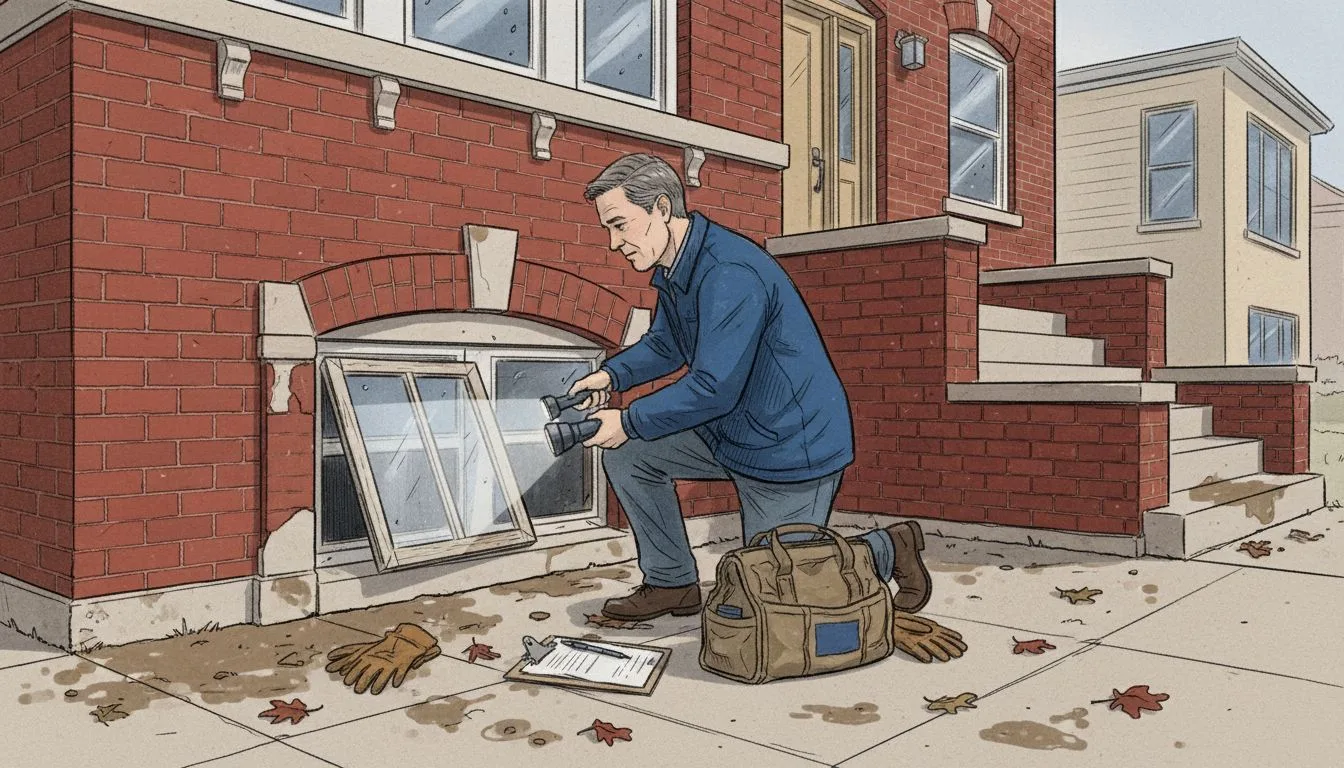
Finding the perfect home in Chicago means more than checking the kitchen and counting bedrooms. Many older properties in neighborhoods like Lincoln Park and Wicker Park might have materials hiding an invisible hazard: asbestos. This mineral was widely favored for insulation and fire resistance before its health risks came to light, making it a common presence in local homes built before 1980. Learn how expert inspection helps safeguard your investment and your family’s health by identifying and managing asbestos-containing materials before you sign.
Table of Contents
- What Is Asbestos and Why Was It Used?
- Common Household Materials Containing Asbestos
- Chicago Laws and Real Estate Disclosure Rules
- Health Risks and Long-Term Exposure Dangers
- How Professional Home Inspections Detect Asbestos
- Safe Removal and Remediation Options
What Is Asbestos and Why Was It Used?
Asbestos is a naturally occurring mineral fiber with extraordinary properties that made it incredibly attractive for industrial and construction applications throughout the 20th century. Naturally found in rock and soil, these silicate minerals possessed remarkable characteristics that seemed perfect for building materials and manufacturing.
The mineral’s unique properties included exceptional heat resistance, strength, and chemical durability. Builders and manufacturers embraced asbestos in numerous applications across Chicago and nationwide. Construction teams commonly used it for insulation around steam pipes, in roofing materials, floor tiles, cement products, and heat-resistant fabrics. Industrial uses expanded dramatically through the mid-20th century, with architects and contractors viewing it as a revolutionary material.
Asbestos became particularly popular in Chicago’s booming post-World War II construction era. Residential and commercial builders appreciated its fire-retardant qualities and ability to strengthen cement and provide sound absorption. Neighborhoods like Lincoln Park and Wicker Park saw extensive use of asbestos-containing materials in homes built during this period. Unfortunately, the same properties that made asbestos seem miraculous would later reveal significant health risks.
Pro tip: If you own a home built before 1980, always have a professional home inspection to identify potential asbestos-containing materials before starting any renovation projects.
Common Household Materials Containing Asbestos
Asbestos infiltrated numerous household materials during the mid-20th century, creating potential health hazards in many Chicago area homes. Residential building materials frequently incorporated this mineral for its remarkable durability and heat-resistant properties.
Homeowners should be particularly cautious about materials in older properties. Typical asbestos-containing items include:
- Vinyl floor tiles and sheet flooring backing
- Insulation around steam pipes, boilers, and furnace ducts
- Roofing and siding shingles
- Textured paint and wall compounds
- Door gaskets
- Electrical wiring insulation
- Decorative plaster
In older Chicago neighborhoods like Wicker Park and Lincoln Park, homes built before 1980 are especially likely to contain multiple asbestos-containing materials. These materials become dangerous when damaged, releasing microscopic fibers that can cause serious respiratory problems.
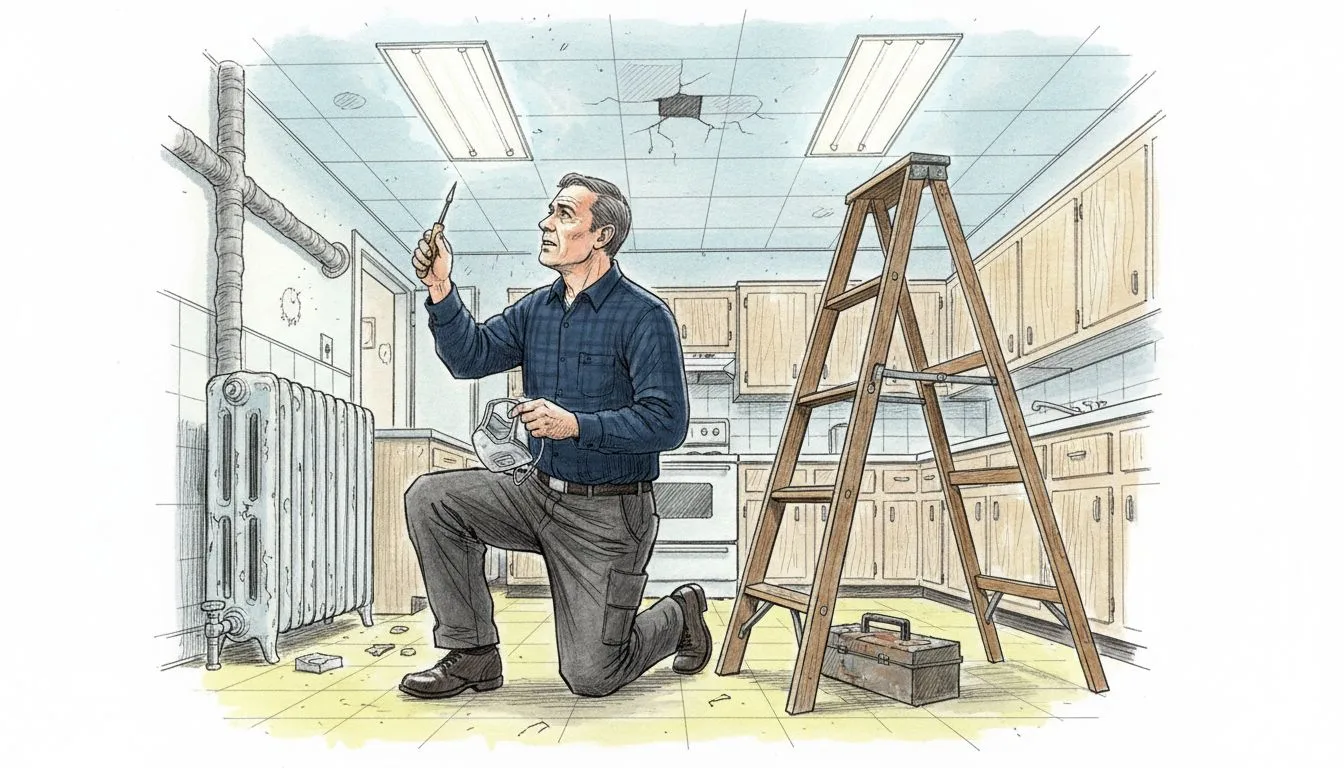
The risk is not just in visible materials. Asbestos might be hidden in adhesives, joint compounds, and even brake shoes used in home appliances. Homeowners should never attempt to remove or disturb these materials without professional assessment.
Pro tip: Always hire a certified asbestos inspector before starting any home renovation project in properties built before 1985 to identify and safely manage potential asbestos-containing materials.
Chicago Laws and Real Estate Disclosure Rules
Real estate transactions in Chicago involve complex legal requirements regarding asbestos disclosure, designed to protect homebuyers from potential health hazards. Federal regulations govern asbestos management through specific guidelines that impact how properties are bought and sold in Illinois.
In Chicago, sellers are legally obligated to disclose known asbestos-containing materials during real estate transactions. This requirement extends beyond simple notification and includes providing comprehensive information about the location, condition, and potential risks associated with asbestos in the property. Key disclosure requirements include:
- Identifying known asbestos-containing materials
- Reporting any previous asbestos abatement or removal
- Disclosing potential areas of asbestos presence
- Providing documentation of professional assessments
The Illinois Real Estate Transaction Disclosure Act mandates that sellers provide a detailed property condition report. This document must transparently communicate any known asbestos risks, ensuring buyers can make informed decisions. Top 5 Hidden Issues Buyers Miss During Showings often highlight the critical nature of understanding these disclosure requirements.
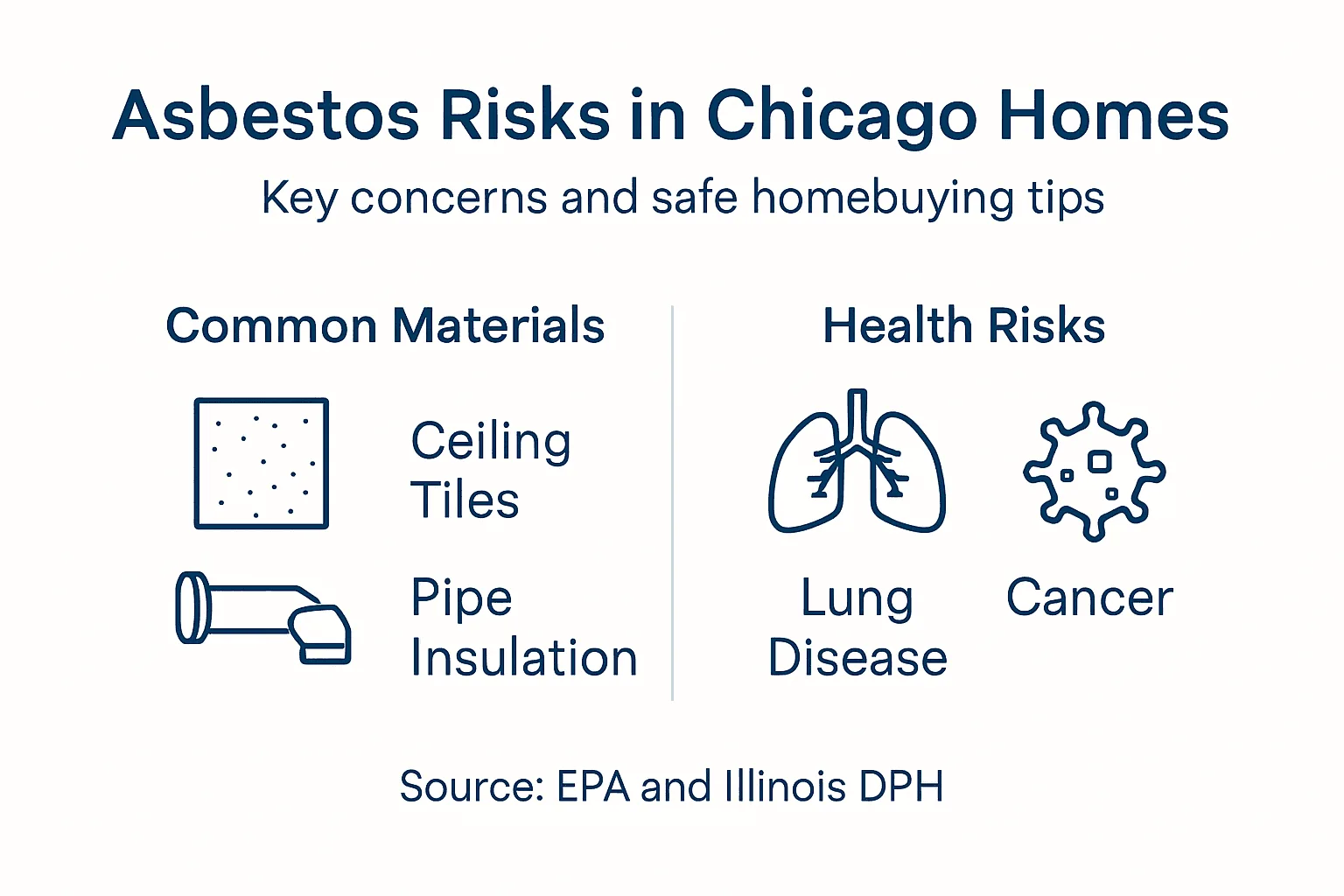
Penalties for non-disclosure can be significant, including potential legal action, financial penalties, and voided sales contracts. Homebuyers have the right to request comprehensive asbestos testing and can negotiate remediation costs or contract terms based on findings.
Pro tip: Always request a comprehensive asbestos disclosure report and consider hiring an independent inspector to verify the seller’s claims before finalizing any real estate purchase in Chicago.
Health Risks and Long-Term Exposure Dangers
Asbestos exposure represents a significant and potentially fatal health threat that can silently develop over decades. Long-term health consequences include devastating respiratory conditions that may not manifest symptoms until years after initial contact.
The primary asbestos-related health risks include three critical conditions:
- Lung Cancer: A potentially fatal disease with increased risk for asbestos-exposed individuals
- Mesothelioma: A rare and aggressive cancer affecting the lung and abdominal linings
- Asbestosis: A chronic lung disease causing permanent scarring and impaired respiratory function
Chicago residents living in older homes face heightened risks, particularly if they have prolonged exposure to damaged asbestos-containing materials. Radon Health Effects share similar long-term exposure concerns, underscoring the importance of comprehensive home environmental testing.
Smokers face exponentially higher risks when exposed to asbestos fibers. The combination of smoking and asbestos exposure can increase lung cancer probability by up to 50 times compared to individuals with no exposure. The microscopic fibers can become permanently lodged in lung tissue, causing progressive damage that may not become apparent for 20-30 years after initial contact.
The following table compares asbestos-related illnesses based on symptoms, latency period, and long-term outlook:
| Condition | Main Symptoms | Latency Period | Long-Term Outlook |
|---|---|---|---|
| Lung Cancer | Persistent cough, chest pain | 15-35 years | May be fatal if untreated |
| Mesothelioma | Shortness of breath, chest pain | 20-50 years | Typically fatal |
| Asbestosis | Breathlessness, fatigue | 10-30 years | Chronic disability |
Pro tip: If you suspect asbestos exposure in your home, consult a medical professional for baseline lung function testing and maintain comprehensive medical documentation.
How Professional Home Inspections Detect Asbestos
Professional home inspections represent the most reliable method for identifying potential asbestos risks in residential properties. Specialized inspection techniques involve comprehensive visual assessments and precise laboratory testing to detect potential asbestos-containing materials.
The asbestos detection process typically involves several critical steps:
- Comprehensive visual examination of suspected materials
- Careful sampling of representative building components
- Laboratory microscopic analysis of collected samples
- Detailed condition assessment of potential asbestos materials
- Risk evaluation for potential fiber release
Understanding what inspections are needed becomes crucial for Chicago homebuyers. Certified inspectors use advanced microscopy techniques to identify even minute asbestos fibers, examining materials like insulation, floor tiles, ceiling tiles, and pipe wrappings. The process requires specialized training and accredited laboratory confirmation.
Inspectors evaluate multiple factors during asbestos detection, including material condition, friability, and potential for fiber release. They assess whether materials are intact, damaged, or likely to become airborne. This comprehensive approach helps homeowners understand potential risks and make informed decisions about remediation or management strategies.
Pro tip: Request detailed written documentation of asbestos testing results and ensure the inspection includes both visual assessment and laboratory confirmation of suspected materials.
Safe Removal and Remediation Options
Asbestos remediation requires professional expertise and careful strategic planning to protect homeowners from potential health risks. Strict safety procedures govern the complex process of managing asbestos-containing materials in residential properties.
Homeowners have three primary remediation strategies:
- Removal: Complete extraction of asbestos-containing materials
- Encapsulation: Sealing asbestos materials with specialized protective coatings
- Enclosure: Creating physical barriers around asbestos-containing components
Professional abatement teams follow rigorous protocols to minimize fiber release. How to Remove Mold shares similar safety considerations, emphasizing the importance of professional intervention. Certified specialists use specialized techniques like negative air pressure containment, wet removal methods, and comprehensive protective equipment to safely manage asbestos materials.
Here’s a summary of how different asbestos remediation methods address health and safety concerns:
| Remediation Method | Health Protection Level | Disruption to Home | Long-Term Effectiveness |
|---|---|---|---|
| Removal | Highest (fully eliminates asbestos risk) | Significant (temporary relocation may be needed) | Permanent if performed professionally |
| Encapsulation | High (seals fibers, prevents release) | Minimal (work may be done in occupied homes) | Effective, but requires periodic inspection |
| Enclosure | Moderate (reduces exposure risk) | Minimal (structural changes possible) | Effective while barrier remains intact |
OSHA regulations mandate specific safety standards for asbestos professionals, including detailed worker training, engineering controls, and precise disposal protocols. Chicago homeowners should never attempt personal asbestos removal, as improper handling can release dangerous fibers and create significant health risks.
Pro tip: Always request proof of certification and detailed work plans from asbestos abatement professionals before allowing any remediation work in your home.
Protect Your Chicago Home from Asbestos Risks with Expert Inspection Services
Dealing with asbestos in homes presents serious health challenges and legal responsibilities for Chicago homebuyers. This article highlights critical issues such as asbestos-containing materials in older properties, the importance of professional detection, and the lasting dangers of exposure to asbestos fibers. If you are buying or renovating a home built before 1985 especially in neighborhoods like Lincoln Park or Wicker Park you face the risk of hidden asbestos hazards that require careful assessment.
Our licensed and InterNACHI certified home inspectors provide comprehensive Buyer Pre-Purchase Inspections that include thorough asbestos risk evaluation and detailed reporting. We help you identify potential asbestos-containing materials early so you can avoid costly surprises and protect your family’s health. Don’t wait until you start renovations or move in to discover dangerous asbestos exposure risks. Take control today by scheduling a professional inspection with us. Visit https://www.chicagohomeinspector.com/schedule now to book your inspection and gain peace of mind on your home purchase journey.
Frequently Asked Questions
What is asbestos and why is it a concern for homeowners?
Asbestos is a natural mineral fiber that was widely used in construction for its heat resistance and strength. However, it poses serious health risks when disturbed, leading to respiratory conditions like lung cancer and mesothelioma.
How can I tell if my home has asbestos-containing materials?
Common materials that may contain asbestos include vinyl floor tiles, insulation around pipes, roofing materials, and textured paints. If your home was built before 1980, consider hiring a certified asbestos inspector for a thorough assessment.
What should I do if I suspect my home contains asbestos?
If you suspect asbestos, do not disturb the materials. Contact a certified asbestos inspector to evaluate your home. They can provide detailed reports and suggest safe handling or remediation options.
What are the legal requirements for asbestos disclosure in real estate transactions?
Sellers are legally required to disclose known asbestos-containing materials and provide details about their condition and any previous removal efforts during real estate transactions. This ensures buyers are informed about potential risks before purchasing a property.