

Chicago’s brutal winters, sweltering summers, and unpredictable storms put tremendous stress on your home’s structure, systems, and efficiency. Without a strategic maintenance plan, you risk facing ice dams, foundation cracks, and skyrocketing energy bills that drain your wallet and compromise your family’s comfort. This comprehensive guide walks you through every seasonal task you need to protect your investment, prevent costly repairs, and keep your home running smoothly all year long. Whether you’re battling subzero temperatures or preparing for summer storms, this checklist gives you the exact steps to maintain your Chicago home like a pro.
Table of Contents
- Key takeaways
- Spring maintenance: repairing winter damage and prepping for warmer months
- Summer maintenance: safeguarding your home during the heat and storms
- Fall and winter maintenance: preparing your Chicago home for harsh cold
- Annual tasks to keep your Chicago home safe, efficient, and pest-free
- Keep your home in top condition with expert inspections
- FAQ
Key Takeaways
| Point | Details |
|---|---|
| Chicago specific maintenance | Develop a maintenance plan tailored to Chicago’s extreme winters and summers to protect roofing, foundations, and energy efficiency. |
| Ice dam and foundation protection | Spring assessments focus on repairing ice dam damage in the attic and ensuring proper foundation grading to prevent water intrusion. |
| Annual inspections save money | Regular yearly inspections and service reduce the risk of costly repairs by catching problems early. |
| Insulation and grading checks | Verify attic insulation meets R49 and ensure grading directs water away from the foundation. |
| Safety device testing yearly | Test smoke and carbon monoxide detectors annually and service safety devices to improve home safety. |
Spring maintenance: repairing winter damage and prepping for warmer months
Spring arrives in Chicago as your first opportunity to assess and repair the damage winter inflicted on your home. The freeze thaw cycles, ice accumulation, and harsh winds leave behind problems that worsen rapidly if ignored. Start your spring maintenance by inspecting your attic for leaks caused by ice dams, which can rot wood and destroy insulation before you notice visible ceiling stains.
Your safety systems need immediate attention after months of heavy use. Test every smoke and carbon monoxide detector in your home, replacing batteries and units as needed. These devices are your first line of defense against winter heating hazards that peak during cold months. Check your seller inspection checklist to understand what professionals look for during spring assessments.
Your driveway and foundation face serious threats from Chicago’s freeze thaw cycles. Walk your property to fill driveway cracks before they expand into expensive repairs. Inspect the soil grading around your foundation, ensuring water flows away from your home rather than pooling against basement walls. Poor grading causes 60% of basement water problems in the Chicago area.
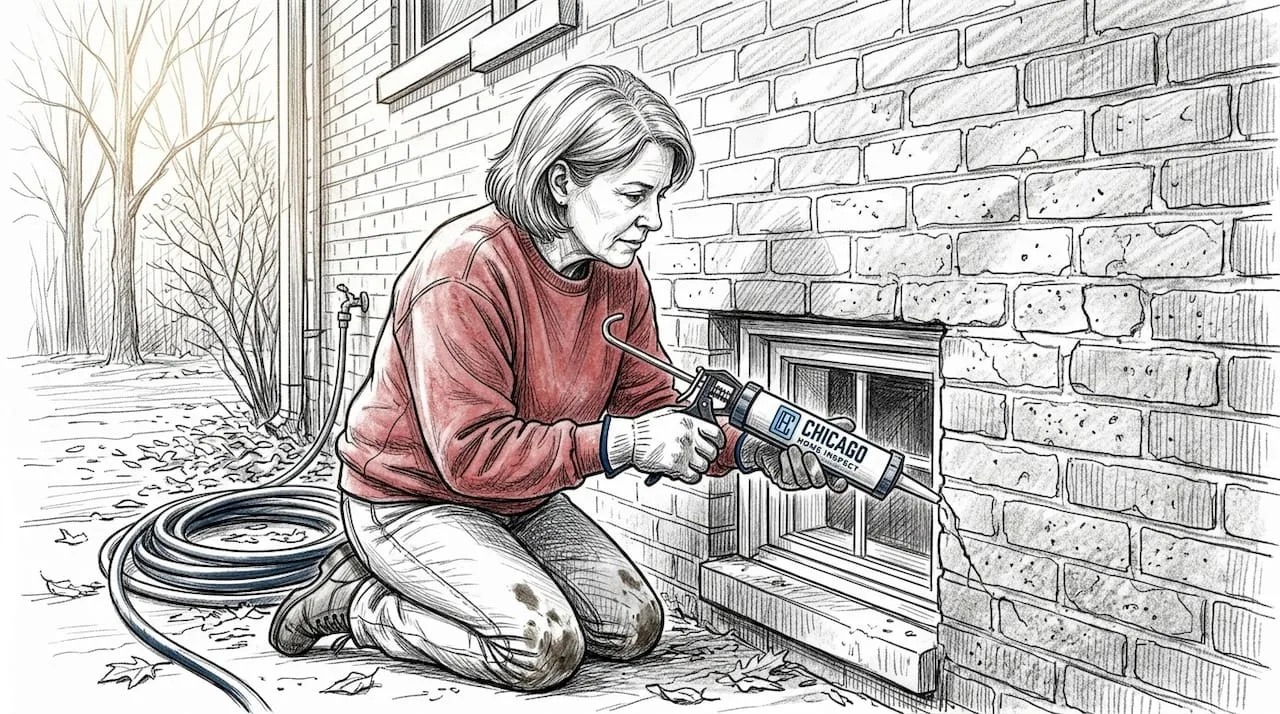
Windows and doors lose their sealing integrity over winter. Recaulk any gaps you find to improve energy efficiency as temperatures rise. Your gutters likely contain months of debris that blocks proper drainage during spring rains. Clean them thoroughly and test your sump pump by pouring water into the pit, confirming it activates and pumps water away from your foundation.
Pro Tip: Schedule spring repairs in March or early April when contractors have lighter schedules and can respond faster to your needs, avoiding the rush that starts in May.
Complete these essential spring tasks:
- Inspect attic for water stains and damaged insulation from ice dams
- Test all smoke detectors and carbon monoxide alarms throughout your home
- Fill asphalt driveway cracks with rubberized filler before they expand
- Check foundation grading and add soil where needed for proper drainage
- Recaulk window and door frames to seal air leaks
- Remove debris from gutters and downspouts
- Test sump pump operation with several gallons of water
- Inspect exterior paint and siding for winter damage
Summer maintenance: safeguarding your home during the heat and storms
Chicago summers bring intense heat, high humidity, and severe thunderstorms that test your home’s cooling systems and structural integrity. Your roof takes the biggest beating from summer weather, making early inspection critical. Examine roof shingles for curling, missing pieces, or granule loss that signals the need for replacement before storm season peaks in July and August.
Attic insulation directly impacts your cooling costs and ice dam prevention next winter. Verify your attic insulation meets R-49, the minimum code requirement for Chicago homes. Insufficient insulation forces your AC to work harder, raising bills by 20 to 30% during peak summer months. Add blown in fiberglass or cellulose if your current insulation falls short of this standard.
Air leaks around doors and windows waste tremendous energy during cooling season. Apply weatherstripping to any gaps you discover, focusing on high traffic doors and older windows. This simple task cuts cooling costs by up to 15% while improving indoor comfort. Review common issues home inspectors in Chicago find to understand where air leaks typically occur in local homes.
Your air conditioning system needs professional servicing before the heat arrives. Schedule maintenance in May or early June to clean coils, check refrigerant levels, and verify electrical connections. Neglected AC units fail during heat waves when replacement costs spike and wait times stretch for weeks. Clean your ceiling fans and reverse their direction to counterclockwise, pushing cool air down to improve circulation throughout your home.
Pro Tip: Book AC servicing in late spring before the summer rush drives up prices and extends wait times, ensuring your system runs efficiently when you need it most.
Prioritize these summer maintenance tasks:
- Walk your roof or use binoculars to spot damaged, curling, or missing shingles
- Measure attic insulation depth and upgrade to R-49 minimum if needed
- Apply fresh weatherstripping to doors and windows showing gaps
- Schedule professional AC servicing including coil cleaning and refrigerant check
- Clean ceiling fan blades and reverse direction for summer cooling
- Trim tree branches within 10 feet of your roof to prevent storm damage
- Check outdoor faucets and hoses for leaks that waste water
- Inspect window screens and repair tears before bug season peaks
Fall and winter maintenance: preparing your Chicago home for harsh cold
Fall maintenance determines whether your home survives Chicago’s brutal winter without expensive emergency repairs. Your gutters and downspouts become critical as leaves accumulate and temperatures drop. Clean gutters thoroughly in October and November to prevent ice dams that form when trapped water freezes and backs up under shingles, causing thousands of dollars in roof and ceiling damage.
Heating system failures during polar vortex events create dangerous situations and cost double for emergency repairs. Service your HVAC and water heater in September or early October, allowing technicians to clean burners, test safety controls, and identify problems before heating season begins. Replace furnace filters monthly throughout winter to maintain efficiency and indoor air quality.
Trees heavy with snow and ice drop branches that punch through roofs and damage siding. Trim any branches hanging within 10 feet of your home, focusing on dead wood and weak limbs most likely to fail under winter weather stress. Your fall home maintenance checklist should include a thorough inspection of attic insulation and air sealing to prevent the heat loss that creates ice dams and drives up heating bills.
Water heaters work harder in winter, making annual flushing essential to remove sediment that reduces efficiency and shortens lifespan. Drain several gallons from the bottom valve until the water runs clear, eliminating mineral buildup that forces your unit to work harder and waste energy.
Pro Tip: Schedule HVAC and chimney inspections in September to beat the fall rush and ensure your heating systems are ready before the first freeze hits Chicago in late October.
| Task Category | Fall Focus | Winter Focus | Primary Benefit |
|---|---|---|---|
| Gutters | Clean leaves and debris | Monitor for ice buildup | Prevents ice dam formation |
| Heating | Service furnace and water heater | Replace filters monthly | Ensures reliable winter heat |
| Roof | Inspect shingles, trim trees | Rake snow from eaves | Prevents structural damage |
| Insulation | Check and upgrade attic to R-49 | Monitor for ice dam signs | Reduces heating costs 20 to 30% |
| Plumbing | Drain outdoor faucets | Open cabinets below 10°F | Prevents frozen pipe bursts |
Winter demands active monitoring as conditions change. Rake snow at least 3 feet from your roof eaves after heavy storms to reduce ice dam risk. When temperatures drop below 10°F, open cabinet doors under sinks to allow warm air circulation around pipes, preventing the freezing that causes burst pipes and flooding. Clear snow from furnace vents, dryer vents, and gutters to maintain proper ventilation and prevent carbon monoxide buildup.
Inspect your basement during winter thaws for signs of water intrusion or moisture problems. These brief warming periods reveal foundation cracks and drainage issues that need immediate attention before the next freeze arrives.
Complete these critical fall and winter tasks:
- Remove all leaves and debris from gutters and downspouts in October
- Schedule professional furnace and water heater servicing by early October
- Trim tree branches within 10 feet of your home’s structure
- Verify attic insulation meets R-49 and seal air leaks around penetrations
- Flush water heater to remove sediment and maintain efficiency
- Disconnect and drain outdoor faucets before first freeze
- Stock roof rake and keep eaves clear after heavy snowfall
- Open cabinet doors when temperatures drop below 10°F
- Clear snow from all exterior vents within 24 hours of storms
- Check basement for moisture during January and February thaws
Annual tasks to keep your Chicago home safe, efficient, and pest-free
Beyond seasonal maintenance, certain tasks require annual attention to protect your home’s safety, efficiency, and value. These year round responsibilities prevent the gradual deterioration that leads to expensive repairs and safety hazards. Your water heater needs annual flushing to remove sediment that reduces heating efficiency by up to 25% and shortens the unit’s lifespan by several years.
Electrical safety devices protect your family from shocks and fires, but only if they function properly. Test all ground fault circuit interrupters and arc fault circuit interrupters by pressing the test button and verifying they trip immediately. These outlets are required in bathrooms, kitchens, garages, and bedrooms, where electrical hazards are most common. Replace any units that fail to trip or reset properly.
Appliances accumulate lint, dust, and debris that create fire hazards and reduce efficiency. Clean your dryer vent annually by disconnecting the duct and removing all lint buildup, a task that prevents 15,000 home fires nationwide each year. Pull out your refrigerator and vacuum the coils on the back or bottom, improving cooling efficiency by 30% and extending the appliance’s life.
Pests cause structural damage and health problems when they establish colonies in your home. Inspect your property quarterly for signs of mice, rats, carpenter ants, and termites, checking basements, attics, and crawl spaces for droppings, damaged wood, and entry points. Seal any gaps larger than a quarter inch around pipes, vents, and foundation cracks. Understanding common issues home inspectors in Chicago discover helps you spot problems early.
Door and window hardware needs regular lubrication to prevent binding and squeaking. Apply silicone spray or light oil to hinges, locks, and sliding mechanisms annually, ensuring smooth operation and preventing premature wear. This simple maintenance extends hardware life and improves home security.
Follow this annual maintenance schedule:
- Flush water heater in spring to remove sediment and maintain efficiency
- Test all GFCI and AFCI outlets by pressing test buttons and verifying proper operation
- Clean dryer vent ductwork completely to prevent lint fires
- Vacuum refrigerator coils to improve cooling and reduce energy consumption
- Inspect entire property for pest entry points and signs of infestation
- Lubricate all door hinges, window tracks, and lock mechanisms
- Check garage door reverse safety by placing object in path during closing
- Inspect attic and crawl spaces for water stains, mold, or pest damage
Keep your home in top condition with expert inspections
While this checklist covers essential maintenance tasks, professional inspections catch hidden problems before they become expensive emergencies. Trained inspectors identify issues you might miss, from subtle foundation movement to early signs of roof failure that threaten your home’s integrity. Review detailed interior home inspection photos and HVAC home inspection photos to see exactly what professionals examine during comprehensive evaluations. Download a complete home inspection sample report to understand how expert assessments document your home’s condition and prioritize repairs. Schedule your professional inspection today to complement your maintenance routine and protect your most valuable investment.
FAQ
How often should I test my smoke and CO detectors in Chicago?
Test smoke and carbon monoxide detectors at least once every spring during your seasonal maintenance routine to confirm they function properly. Replace batteries annually or immediately when the low battery chirp sounds. Replace entire detector units every 10 years regardless of apparent function, as sensors degrade over time and lose reliability.
What is the best way to prevent ice dams on my Chicago roof?
Maintain proper R-49 attic insulation and ventilation to prevent heat from escaping and melting roof snow unevenly. Regularly rake snow at least 3 feet away from eaves after storms exceeding 6 inches of accumulation. Never use salt or calcium chloride on roofs or in gutters, as these chemicals damage shingles and corrode metal components.
How can I protect my pipes during Chicago’s polar vortex events?
Open cabinets below sinks to allow warm air circulation around pipes when temperatures drop below 10°F during extreme cold snaps. Insulate exposed pipes in basements, crawl spaces, and exterior walls using foam pipe insulation. Let faucets drip slightly during polar vortex conditions to keep water moving and prevent freezing. Check your home safety tips for winter in Chicago for additional cold weather protection strategies.
What annual maintenance tasks do Chicago homeowners often overlook?
Cleaning dryer vents and refrigerator coils ranks among the most neglected tasks, yet prevents fire hazards and maintains appliance efficiency. Testing GFCI and AFCI outlets protects against electrical shocks and fires but gets skipped in most homes. Inspecting for pests and lubricating door hinges seem minor but prevent expensive repairs and improve daily function. Flushing water heaters annually removes sediment that reduces efficiency by 25% and shortens equipment life significantly.
Recommended
- Fall Home Maintenance Checklist | Chicago Home Inspector Tips
- Winter Home Maintenance List to Prevent Damage in Chicago | Chicago Home Inspect LLC
- 7 Winter Prep in Chicago: Hidden Maintenance Tasks Most Homeowners Miss | Chicago Home Inspect LLC
- 7 Steps to The One-Hour Monthly Home Inspection You Can Do Yourself | Chicago Home Inspect LLC