
Most American homes in Chicago face greater risk of winter damage when small issues go unchecked. As cold weather sets in across the Midwest, even experienced homeowners can find that minor gaps, hidden leaks, or drafty attics quickly lead to expensive repairs and failed inspections. This guide delivers targeted, step by step winter maintenance tips designed for Chicagoland homeowners who want to protect their investment and avoid the harsh surprises that come with freezing temperatures.
Table of Contents
- Step 1: Inspect Exterior for Weather Vulnerabilities
- Step 2: Seal Gaps and Protect Exposed Areas
- Step 3: Service Heating System and Chimney
- Step 4: Prepare Plumbing Against Freezing
- Step 5: Verify Attic and Insulation Effectiveness
- Step 6: Test Safety Devices and Emergency Supplies
Step 1: Inspect Exterior for Weather Vulnerabilities
Protecting your Chicago home from winter damage starts with a thorough exterior inspection. Understanding potential weather vulnerabilities will help you prevent costly repairs and maintain your property’s structural integrity. Winter in the Windy City can be unforgiving, so a methodical approach to exterior assessment is critical.
Begin by carefully examining your roof for signs of potential weakness. Inspect roof shingles for cracks, missing pieces, or areas of potential water intrusion. Pay close attention to flashing around chimneys, skylights, and plumbing vents where water might penetrate. Look for any sagging or uneven areas that could indicate underlying structural issues. Chicago homes often face significant winter stress, so checking your roof’s condition is paramount to preventing water damage.
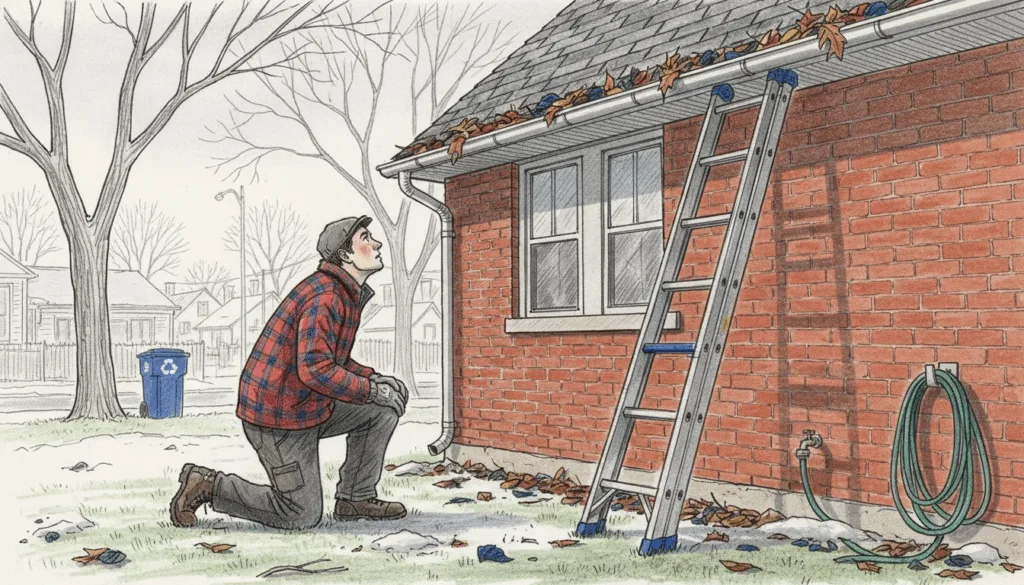
Next, focus on your home’s gutters and drainage systems. Clear out all leaves, debris, and potential blockages that could prevent proper water flow. Blocked gutters can lead to dangerous ice dams, which can cause significant water damage to your roof and interior walls. Trim nearby tree branches that might break under heavy snow and potentially damage your roof or exterior siding. Check window and door seals for any cracks or gaps where cold air and moisture might enter.
Pro Tip: Consider scheduling a professional home inspection before winter to catch potential vulnerabilities that might be difficult for an untrained eye to detect.
Here’s a quick reference comparing potential winter vulnerabilities across key home exterior components:
| Exterior Area | Common Vulnerability | Potential Damage |
|---|---|---|
| Roof | Cracked/missing shingles | Water leaks, structural harm |
| Gutters/Drainage | Blockages, sagging sections | Ice dams, wall damage |
| Windows/Doors | Failing seals or gaps | Heat loss, moisture entry |
| Siding/Masonry | Deteriorated caulking | Water intrusion, mold growth |
Step 2: Seal Gaps and Protect Exposed Areas
Protecting your Chicago home from winter damage requires carefully sealing potential entry points for cold air and moisture. Identifying and addressing exterior gaps helps prevent heat loss and potential structural damage during the harsh winter months when temperatures can plummet quickly.
Start by thoroughly inspecting the exterior of your home for potential vulnerabilities. Check the caulking and weatherstripping around windows and doors, looking for any cracks or areas where air might penetrate. Pay special attention to electrical and plumbing penetrations where pipes enter your home’s exterior walls. Seal these openings with appropriate caulk or expandable foam to block cold air and moisture. For outdoor faucets and water lines, ensure they are properly drained and protected from freezing temperatures that can cause pipes to burst.
Focus on your home’s siding and masonry joints, carefully examining for any gaps or deteriorating seals. Replace damaged caulking and use weatherproof sealants designed for Chicago’s extreme winter conditions. Verify that flashing beneath windows and doors remains intact to prevent water intrusion. Consider replacing any cracked or broken glass that might compromise your home’s thermal barrier. By meticulously sealing these potential weak points, you create an additional layer of protection against winter’s unforgiving elements.
Pro Tip: Invest in a thermal imaging device or hire a professional energy auditor to detect hidden air leaks that might not be visible to the naked eye.
Step 3: Service Heating System and Chimney
Preparing your heating system and chimney for Chicago’s brutal winter is critical to ensuring home safety and comfort. Annual inspections and thorough maintenance can prevent potential fire hazards and carbon monoxide risks that are especially dangerous during extended cold periods.
Begin by scheduling a professional inspection of your furnace or boiler. Check and replace furnace filters to maintain optimal efficiency and air quality. Verify that all heating components are clean and functioning correctly. Pay special attention to the combustion chamber, looking for any signs of rust or damage that could compromise your system’s performance. For homes with fireplaces, arrange a professional chimney cleaning to remove creosote buildup and check for any potential blockages in the flue that might impede proper ventilation.
Take time to test all carbon monoxide detectors and replace batteries if necessary. Inspect the area around your heating system and chimney for any signs of wear or potential problems. Look for cracks in the chimney liner, check that exterior vents are clear of debris, and ensure that all connections are secure. Comprehensive maintenance helps reduce the risk of emergency repairs during the coldest months and keeps your home safe and warm throughout the winter season.
Pro Tip: Create a maintenance log to track your heating system and chimney inspections, which can help identify potential issues early and potentially save on costly repairs.
Step 4: Prepare Plumbing Against Freezing
Protecting your Chicago home’s plumbing system from winter’s harsh temperatures requires strategic preparation and proactive measures. Preventing pipe freezing is crucial to avoiding costly water damage and potential structural issues during the city’s notoriously cold winter months.
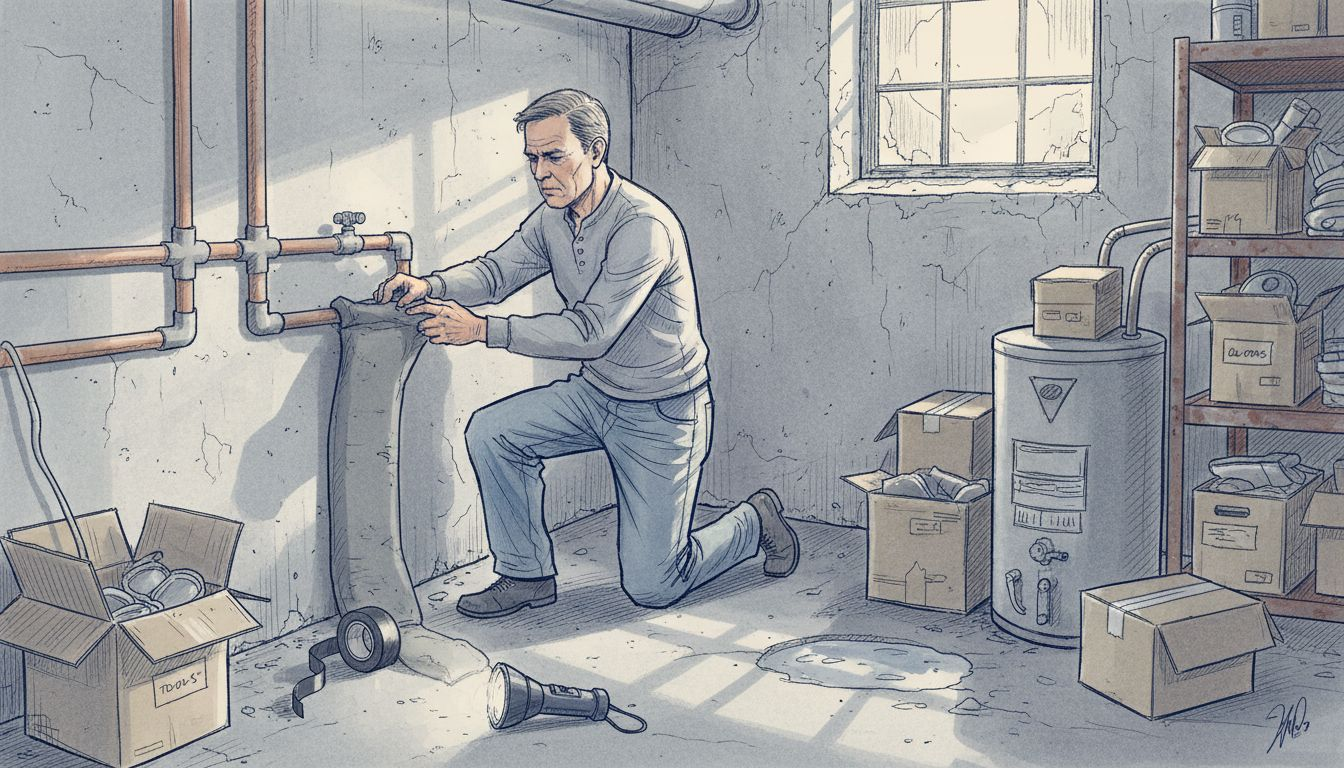
Start by thoroughly insulating exposed pipes in attics, basements, and crawl spaces. Use foam pipe insulation or heat tape on pipes most vulnerable to freezing, particularly those near exterior walls or in unheated areas. Keep your indoor temperature consistently above 65°F to maintain warmth around plumbing infrastructure. Disconnect and drain all outdoor garden hoses, and shut off exterior water valves to prevent residual water from freezing and causing pipe damage. Know the location of your home’s main water shutoff valve in case you need to quickly stop water flow during an emergency.
Implement additional protective strategies during extreme cold periods by allowing faucets to drip slightly. This small trickle helps prevent water from freezing inside pipes by keeping water moving. Pay special attention to pipes in unheated areas like garages, under kitchen cabinets, and along exterior walls. Consider using space heaters or heat lamps in particularly vulnerable areas to maintain consistent temperatures and prevent potential pipe bursts.
Pro Tip: Create a winter plumbing emergency kit with pipe insulation, heat tape, and a hairdryer to quickly address potential freezing situations.
Step 5: Verify Attic and Insulation Effectiveness
Protecting your Chicago home from winter damage starts with a comprehensive attic and insulation assessment. Proper attic insulation is crucial for preventing heat loss and reducing the risk of costly winter damage that can impact your home’s structural integrity and energy efficiency.
Begin with a thorough visual inspection of your attic space. Check for any signs of moisture, which can indicate inadequate ventilation or potential insulation problems. Measure the depth of existing insulation using a ruler look for consistent coverage across the entire attic floor. Pay special attention to areas around vents, chimneys, and access points where heat can escape. Look for any gaps or compressed areas in the insulation that might compromise its effectiveness. Seal any air leaks around attic access points using weatherstripping or caulk to prevent warm air from escaping and cold air from entering.
Evaluate your attic’s ventilation system to prevent potential ice dam formation and moisture buildup. Ensure soffit and ridge vents are clear of debris and functioning properly. Check that insulation does not block critical ventilation paths. Consider adding additional insulation if the current layer is less than 12 inches deep, which is typically recommended for Chicago’s climate. If you are unsure about the condition or effectiveness of your attic insulation, consider hiring a professional home inspector who can provide a detailed assessment.
Pro Tip: Use an infrared thermometer to detect temperature variations in your attic, which can help identify potential insulation gaps or heat loss areas.
Step 6: Test Safety Devices and Emergency Supplies
Preparing your Chicago home for winter emergencies requires a methodical approach to testing safety devices and stocking critical supplies. Comprehensive safety preparation can mean the difference between vulnerability and protection during harsh winter conditions that can unexpectedly disrupt daily life.
Begin by thoroughly checking all smoke and carbon monoxide detectors throughout your home. Test each device to ensure it functions correctly, replace batteries if needed, and verify that no detector is older than 10 years. Locate and check the expiration dates on all existing carbon monoxide detectors and replace them if necessary. Create a clear, written emergency evacuation plan that every family member understands, including multiple exit routes and a designated meeting point outside your home.
Assemble a comprehensive winter emergency kit with essential supplies that can sustain your household during potential power outages or severe weather events. Stock up on bottled water, non-perishable food, warm clothing, extra blankets, flashlights, and backup batteries. Include a battery powered or hand crank radio to stay informed about weather updates and emergency instructions. Keep this kit in an easily accessible location where all family members know its location.
Pro Tip: Create digital and physical copies of important documents and store them in waterproof, portable containers as part of your emergency preparedness strategy.
This table summarizes essential safety devices and emergency kit items to check for a secure Chicago winter:
| Safety Device/Item | Purpose | Maintenance Frequency |
|---|---|---|
| Smoke detectors | Fire alert and prevention | Test every month |
| Carbon monoxide alarms | Poison gas detection | Replace battery twice/year |
| Emergency kit supplies | Support during power outage | Replenish each winter |
| Backup batteries | Power critical safety devices | Inspect before winter season |
Protect Your Chicago Home from Winter Damage with Expert Inspection Services
Winter in Chicago brings unique challenges such as cracked shingles, ice dams, frozen pipes, and heat loss through poorly sealed windows and attic spaces. If you want to avoid costly repairs and maintain a safe, warm home this season you must address these vulnerabilities early. The detailed “Winter Home Maintenance List to Prevent Damage in Chicago” highlights critical steps like sealing gaps, servicing heating systems, and ensuring proper insulation. These pain points show the importance of a thorough professional home inspection before the coldest months arrive.
Don’t wait until a pipe bursts or your heating system fails in freezing temperatures. Our licensed and InterNACHI Certified inspectors provide comprehensive Yearly Home Checkup services tailored for Chicago area homes. From identifying hidden air leaks to performing detailed roof and chimney inspections we help you safeguard your home against winter risks. Take control now to protect your investment and enjoy peace of mind during harsh weather. Schedule your professional inspection today at Chicago Home Inspector and get ahead of winter damage with expert guidance and support.
Frequently Asked Questions
How can I inspect my roof for winter vulnerabilities?
Begin by looking for cracked or missing shingles, sagging areas, and damaged flashing around chimneys and vents. Regularly inspect your roof at least once a season, focusing on potential water intrusion points to prevent leaks during winter.
What should I do to prepare my gutters for winter?
Clear all leaves and debris from your gutters to ensure proper drainage and prevent ice dams. Perform this maintenance before the first snowfall, ideally in late autumn, to avoid costly water damage.
How can I seal gaps in windows and doors to prevent cold air?
Inspect the caulking and weatherstripping for cracks or gaps, and replace damaged areas with appropriate sealants. Aim to check these areas at least once a year to maintain an energy-efficient home during winter months.
What are some tips for preparing my heating system for winter?
Schedule a professional inspection of your furnace or boiler and replace any worn-out filters. Perform this check at least once a year before the heating season to ensure your system runs efficiently and safely.
How can I protect my plumbing from freezing?
Insulate exposed pipes in unheated areas with foam insulation or heat tape to prevent them from freezing. Take time to do this before the coldest weather hits, ensuring consistent warmth around vulnerable pipes.
What items should I include in my winter emergency kit for my home?
Assemble essential supplies like bottled water, non-perishable food, warm clothing, and flashlights with extra batteries. Replenish your kit annually or before winter storms to keep your household prepared for possible emergencies.