
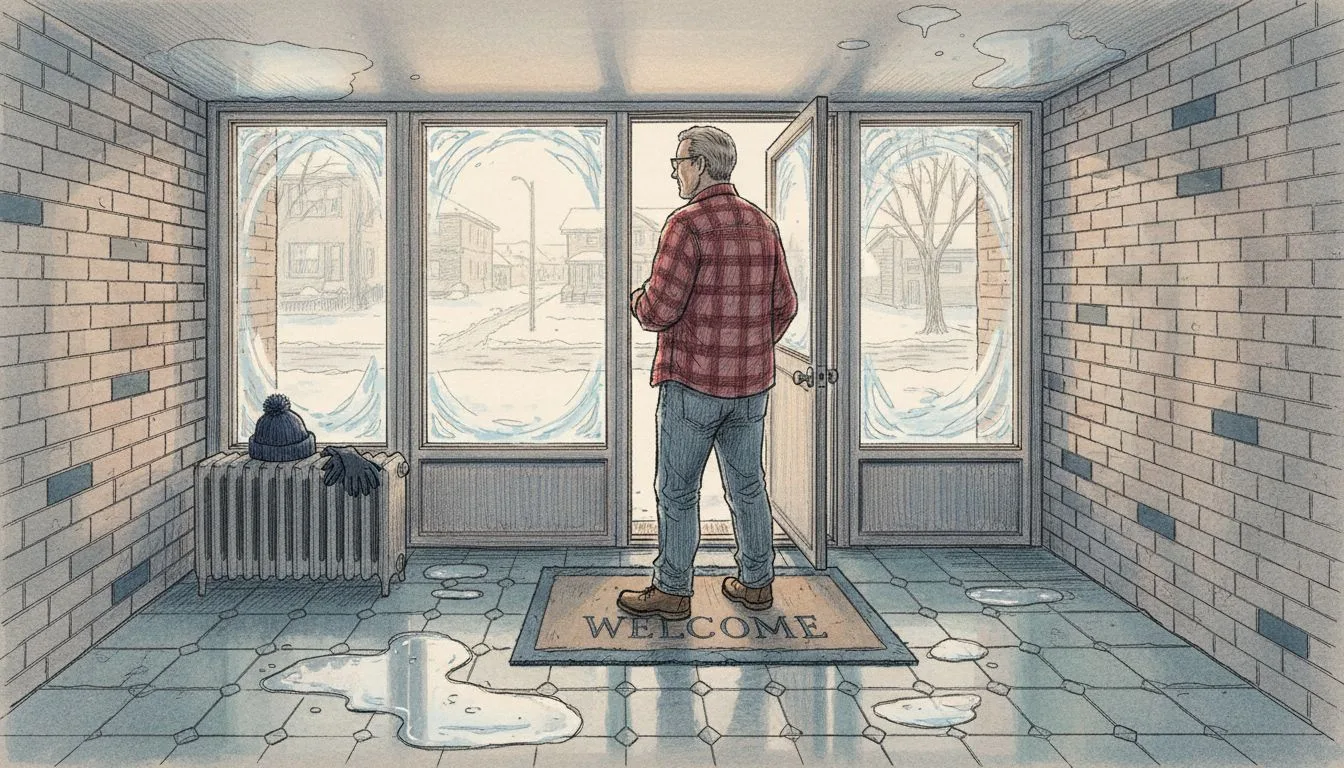
Every Chicago winter brings challenges that test even the most prepared homeowners. Frigid temperatures and heavy snow turn routine days into potential safety risks for families and seniors. Focusing on home heating, insulation, and emergency planning arms you with the tools to prevent common winter hazards while keeping your household safe and comfortable all season long.
Table of Contents
- Winter Home Safety Basics Explained
- Essential Cold-Weather Hazards for Homes
- Heating and Insulation: Safe Practices
- Fire Prevention in Winter Months
- Protecting Pipes and Plumbing Systems
- Supporting Family Health and Senior Safety
Winter Home Safety Basics Explained
Protecting your Chicago home during winter requires strategic planning and proactive maintenance. Understanding the fundamental safety principles helps prevent potential disasters and ensures your family stays warm and secure throughout the coldest months. Home safety during winter demands comprehensive attention to multiple critical systems and potential risks.
Heating systems represent a crucial component of winter home safety. Furnaces, space heaters, and alternative warming devices need regular inspection and careful operation. Chicago homeowners should schedule professional maintenance for their primary heating equipment, ensuring all components function efficiently and safely. This includes checking electrical connections, cleaning filters, and verifying proper ventilation to prevent potential carbon monoxide risks.
Emergency preparedness goes beyond heating system maintenance. Homeowners must create comprehensive winter safety plans that include adequate emergency supplies, functional smoke and carbon monoxide detectors, and clear evacuation strategies. Insulating pipes, sealing windows, and checking roof integrity can prevent costly winter damage. Winter home safety strategies emphasize proactive measures that reduce potential hazards before extreme weather strikes.
Pro tip: Keep an emergency kit with blankets, non-perishable food, flashlights, batteries, and a battery-powered radio in an easily accessible location to ensure your family remains prepared during unexpected winter emergencies.
Essential Cold-Weather Hazards for Homes
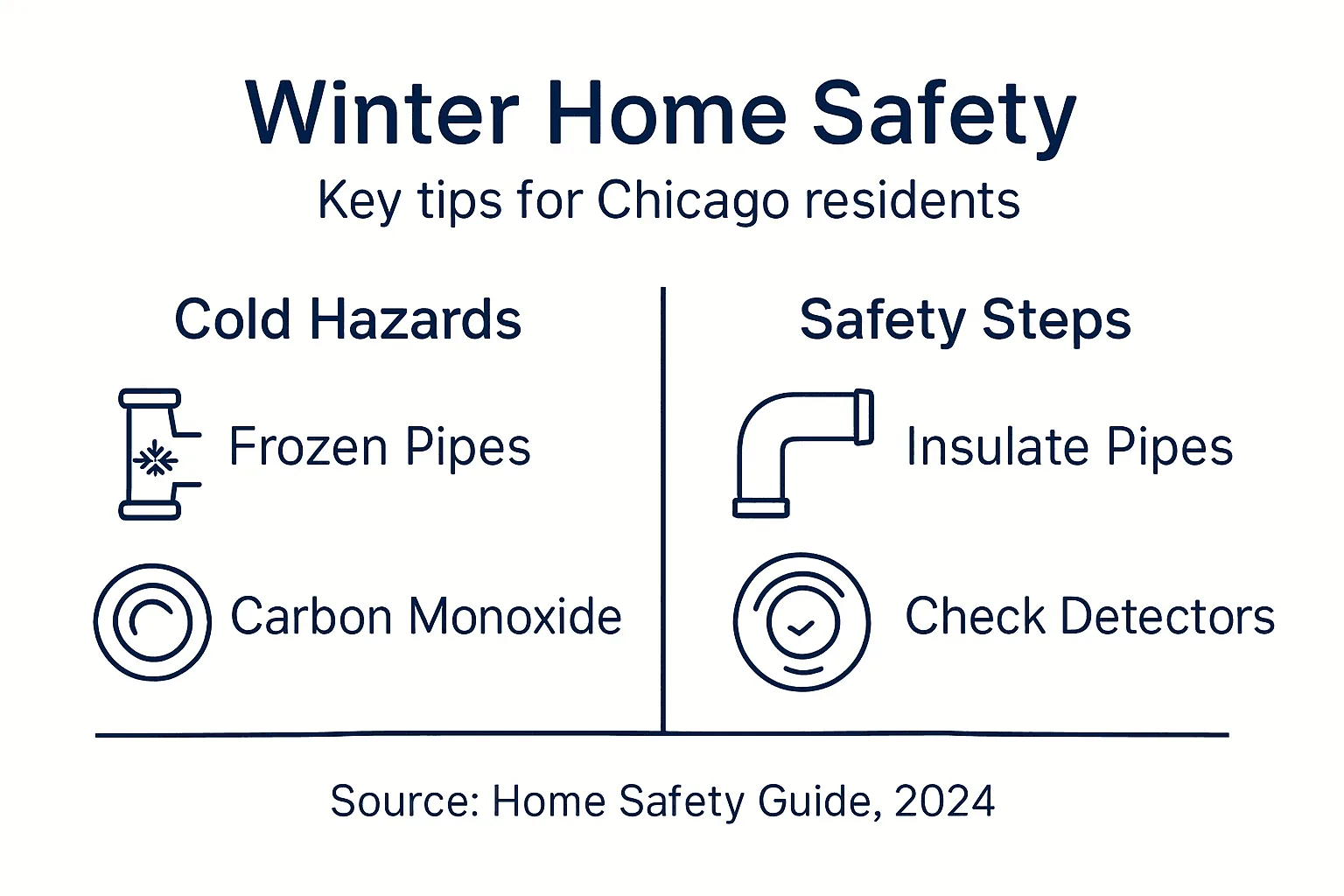
Chicago winters present unique challenges for homeowners, with a range of potential hazards that can compromise both property and personal safety. Winter safety risks extend far beyond simple discomfort, presenting serious threats that require careful preparation and proactive management. From frozen pipes to carbon monoxide poisoning, understanding these risks is crucial for protecting your home and family during the coldest months.
Carbon monoxide represents one of the most dangerous winter hazards. Improperly maintained heating systems, blocked vents, or malfunctioning space heaters can create deadly gas buildup inside homes. Chicago residents should install carbon monoxide detectors on every level of their home, particularly near sleeping areas. Regular maintenance of heating equipment, ensuring proper ventilation, and avoiding the use of gas-powered generators indoors can significantly reduce the risk of carbon monoxide poisoning.
Physical infrastructure faces significant challenges during extreme cold. Pipes are particularly vulnerable, with extreme cold temperature risks potentially causing catastrophic bursting and water damage. Homeowners should insulate exposed pipes, maintain consistent indoor temperatures, and know how to shut off main water valves in case of emergency. Additionally, roof damage from ice dams, window seal failures, and potential structural stress from freezing and thawing cycles can create long-term complications if not properly addressed.
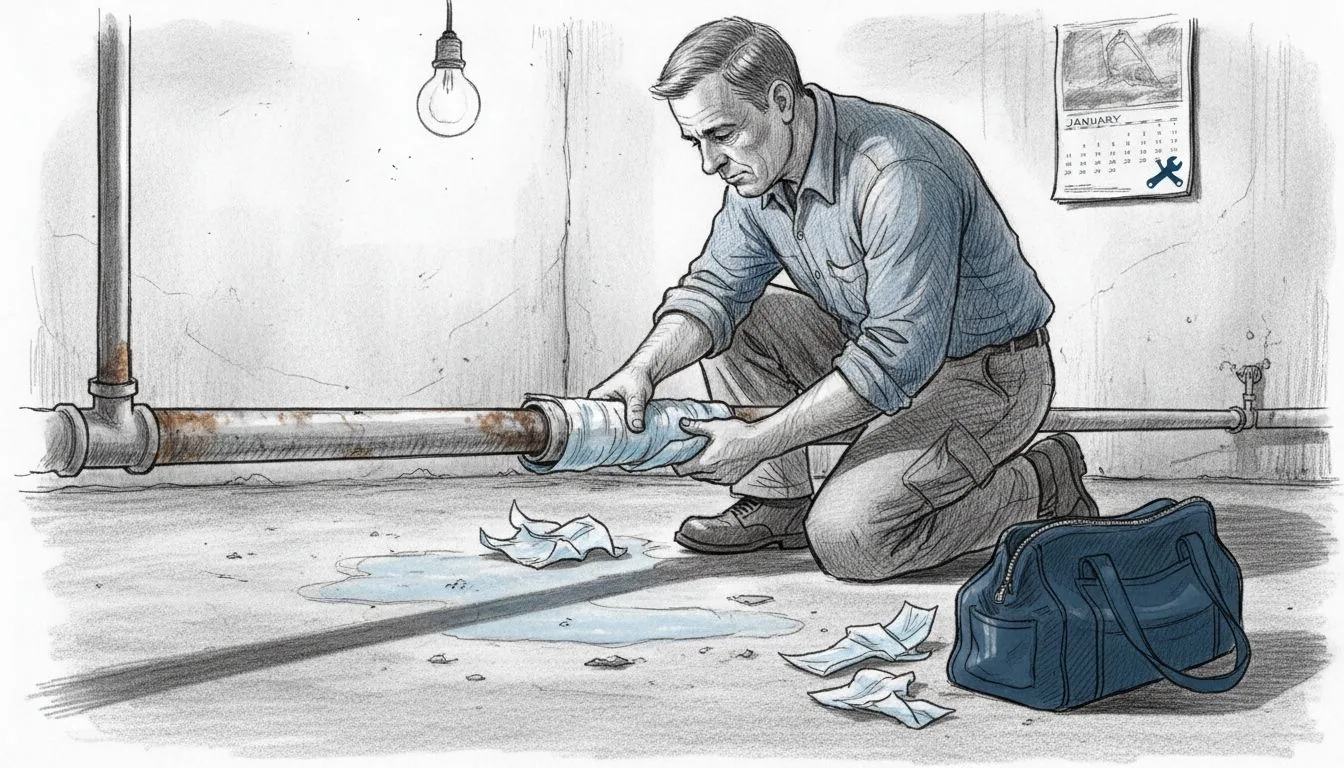
Pro tip: Create a winter emergency kit with pipe insulation materials, extra blankets, battery-powered carbon monoxide detectors, and a list of emergency contact numbers to ensure you’re prepared for unexpected winter challenges.
Here’s a summary of key winter hazards and how to address them:
| Hazard | Potential Impact | Prevention Strategy |
|---|---|---|
| Carbon monoxide | Health risk, silent poisoning | Install detectors, maintain heating |
| Frozen pipes | Water damage, costly repairs | Insulate pipes, let faucets drip |
| Roof/structural damage | Leaks, structural stress | Inspect roofs, seal windows |
| Fire outbreaks | Property loss, injuries | Maintain clearance, inspect equipment |
| Health risks for seniors | Hypothermia, frostbite | Monitor wellness, provide warm clothing |
Heating and Insulation: Safe Practices
Keeping your Chicago home warm and safe during winter requires strategic heating and insulation approaches that protect both your family and property. Home heating safety practices involve more than simply turning up the thermostat and hoping for the best. Homeowners must understand the critical balance between maintaining comfortable temperatures and preventing potential hazards.
Heating equipment demands careful maintenance and strategic placement. Space heaters should always be positioned at least three feet from flammable materials, with dedicated electrical circuits and automatic shut-off features. Furnaces require annual professional inspections to ensure optimal performance and safety. Chicago homes, particularly older buildings in neighborhoods like Lincoln Park or Wicker Park, often have unique heating challenges that necessitate specialized approaches to prevent potential risks.
Winter safety recommendations emphasize the importance of comprehensive home insulation. Proper attic and wall insulation not only reduces energy costs but also minimizes heat loss and prevents potential moisture-related damage. Homeowners should focus on sealing air leaks around windows and doors, using weatherstripping and caulk to create tight seals that keep warm air inside and cold air outside. Exposed pipes in unheated areas should be carefully insulated to prevent freezing and potential burst pipes.
Pro tip: Schedule a professional home energy audit to identify specific insulation weak points and receive targeted recommendations for improving your home’s winter heating efficiency and safety.
The following table compares heating methods for winter safety:
| Heating Method | Efficiency | Safety Considerations |
|---|---|---|
| Central furnace | High, consistent warmth | Needs annual inspection, carbon monoxide risk |
| Space heater | Quick, localized heat | Keep 3 feet from combustibles, auto shut-off recommended |
| Fireplace | Cozy atmosphere | Regular chimney cleaning, use screen |
| Radiator | Steady heat, lower risk | Avoid covering, keep clear of clutter |
Fire Prevention in Winter Months
Chicago winters demand heightened awareness of fire prevention strategies to protect homes and families from potential winter-related fire hazards. Winter fire safety practices require a comprehensive approach that addresses multiple potential risks unique to cold weather conditions. Heating systems, electrical equipment, and seasonal decorations can all contribute to increased fire dangers if not managed carefully.
Heating equipment represents a primary source of winter fire risks. Space heaters, fireplaces, and older furnace systems demand careful maintenance and strategic placement. Chicago homeowners should maintain at least a three-foot clearance around all heating devices, ensuring they are positioned away from curtains, furniture, and other flammable materials. Electric space heaters require dedicated circuits and should never be left running unattended or while sleeping. Older homes in neighborhoods like Wicker Park or Logan Square often have vintage heating systems that need extra scrutiny and professional inspection.
Electrical safety recommendations emphasize the importance of managing holiday decorations and electrical equipment. Extension cords should be used sparingly, with careful attention to avoid overloading circuits. Homeowners must inspect electrical decorations for frayed wires, damaged plugs, and signs of wear before use. Christmas trees require special consideration, with real trees needing consistent moisture and placement away from heat sources to minimize fire risks. Smoke detectors should be tested monthly, with batteries replaced at least twice annually to ensure continuous protection.
Pro tip: Create a dedicated fire safety zone around heating devices, keeping a multipurpose fire extinguisher nearby and ensuring all family members understand basic fire escape routes and emergency procedures.
Protecting Pipes and Plumbing Systems
Chicago winters pose significant challenges for residential plumbing systems, with freezing temperatures threatening to cause extensive and costly damage to home infrastructure. Pipe protection strategies require proactive planning and comprehensive understanding of potential vulnerabilities. Older neighborhoods like Wicker Park and Lincoln Square often feature homes with intricate plumbing systems that demand extra attention during winter months.
Vulnerable pipes need strategic insulation and monitoring to prevent freezing and potential ruptures. Exterior pipes, those in unheated spaces like basements, attics, and crawl spaces, are particularly susceptible to temperature drops. Homeowners should apply foam pipe insulation, seal any air leaks near pipe locations, and maintain consistent indoor temperatures. Winter pipe maintenance techniques recommend allowing faucets to drip during extreme cold, which helps prevent pressure buildup that can cause pipes to burst.
Emergency preparedness is crucial for managing potential plumbing complications. Locate and mark main water shutoff valves, ensure all family members understand how to access them, and keep necessary tools nearby. During severe cold snaps, open cabinet doors under sinks to allow warm air circulation, and consider using heat tape on particularly vulnerable pipe sections. If pipes do freeze, avoid using open flames for thawing and instead use controlled heating methods like warm towels or hair dryers.
Pro tip: Create a winter plumbing emergency kit with pipe insulation materials, heat tape, a bucket, and contact information for local plumbers to quickly respond to potential pipe-related emergencies.
Supporting Family Health and Senior Safety
Winter in Chicago demands special attention to family health, particularly for vulnerable populations like seniors and young children. Winter health protection strategies require comprehensive planning and proactive measures to prevent cold-related health risks. Understanding how temperature and environmental factors impact different family members is crucial for maintaining safety during the harshest months.
Seniors face heightened risks during extreme cold, with reduced body temperature regulation and increased susceptibility to hypothermia and frostbite. Family members should monitor elderly relatives closely, ensuring they have appropriate warm clothing, maintain consistent indoor temperatures, and limit outdoor exposure during severe weather. Cold weather safety recommendations emphasize the importance of layered clothing, maintaining proper hydration, and recognizing early signs of cold-related health complications such as confusion, shivering, and extreme fatigue.
Carbon monoxide poisoning represents another critical winter health concern for families. Proper ventilation, regular heating system maintenance, and functioning carbon monoxide detectors are essential. Chicago homes, especially those with older heating systems in neighborhoods like Pilsen or Andersonville, should have multiple detectors strategically placed near sleeping areas and living spaces. Families should create emergency communication plans, designate check-in procedures for vulnerable members, and maintain emergency supply kits with medications, warm blankets, and essential medical resources.
Pro tip: Create a family winter safety communication plan that includes emergency contact numbers, designated meeting locations, and a detailed checklist for monitoring elderly and young family members during extreme cold periods.
Protect Your Chicago Home This Winter With Expert Inspection Services
Winter brings unique challenges to Chicago homes that demand careful attention to heating safety, pipe protection, and fire prevention as detailed in the article. Issues like carbon monoxide risks, frozen pipes, and structural damage can cause serious problems if not identified early. The key to a safe and warm winter starts with understanding your home’s vulnerabilities and taking proactive steps to address them.
Our Home Inspection Services are designed to help you uncover hidden issues before cold weather strikes. Certified and licensed inspectors can assess your heating systems, check for potential pipe vulnerabilities, and evaluate fire safety risks. Whether you need a Yearly Home Checkup or a specialized consultation, acting now can protect your family and your investment. Don’t wait for a winter emergency to find out your home is not prepared. Schedule your inspection today at Chicago Home Inspector and secure your peace of mind this season.
Frequently Asked Questions
How can I prevent carbon monoxide poisoning in my home during winter?
To prevent carbon monoxide poisoning, ensure you have functioning carbon monoxide detectors on every level of your home, particularly near sleeping areas. Regularly maintain your heating systems and ensure proper ventilation. Avoid using gas-powered generators indoors, and have your heating equipment inspected annually.
What should I do to protect my pipes from freezing?
To protect your pipes from freezing, insulate exposed pipes, especially those in unheated areas like basements or attics. During extreme cold, allow faucets to drip slightly to relieve pressure and prevent freezing. Also, keep indoor temperatures consistent to avoid drastic temperature changes.
What are some tips for maintaining heating systems safely during winter?
Some tips for maintaining heating systems safely include scheduling annual professional inspections, cleaning filters, ensuring proper ventilation, and keeping space heaters at least three feet away from flammable materials. Always follow the manufacturer’s guidelines for operating your heating devices.
How can I prepare an emergency kit for winter?
To prepare an emergency kit for winter, include items like blankets, non-perishable foods, flashlights, batteries, a battery-powered radio, and a first aid kit. Make sure the kit is in an easily accessible location and review its contents regularly to ensure everything is up to date and functional.