
What’s That Smell?
Common Odors and What They Might Mean in a Home
Smells don’t lie. Whether you’re touring a home or living in one, strange odors can be the first sign something’s not right. From musty basements to sewer-like aromas, this guide breaks down what certain smells mean—and why they shouldn’t be ignored.
Let’s clear the air.
1. Musty or Damp Smell
What it smells like: Wet towels left in the basement
Possible causes:
- Mold or mildew growth
- High humidity or poor ventilation
- Leaks in foundation, plumbing, or roof
What it might mean:
Musty smells often point to hidden moisture problems. Left untreated, these can lead to mold damage, wood rot, and even health issues.
Inspector tip: We check for moisture levels, signs of water intrusion, and ventilation issues in suspect areas.
2. Sewage or Rotten Eggs
What it smells like: A backed-up sewer or sulfur
Possible causes:
- Dry P-traps in sinks or floor drains
- Sewer gas leaking into the home
- Natural gas leaks (rotten egg smell added for safety)
What it might mean:
This one’s serious. A sewer smell could mean you have a cracked pipe or failed plumbing trap. A rotten egg smell might mean a gas leak—which is dangerous.
Inspector tip: If we detect this, we recommend a licensed plumber or utility provider check it immediately.
3. Burning or Electrical Smell
What it smells like: Hot plastic or overheating appliances
Possible causes:
- Overloaded electrical circuits
- Worn-out wiring
- Malfunctioning furnace blower motors
What it might mean:
This can signal fire risk. A persistent burning odor deserves immediate attention, especially if tied to outlets, light switches, or your HVAC system.
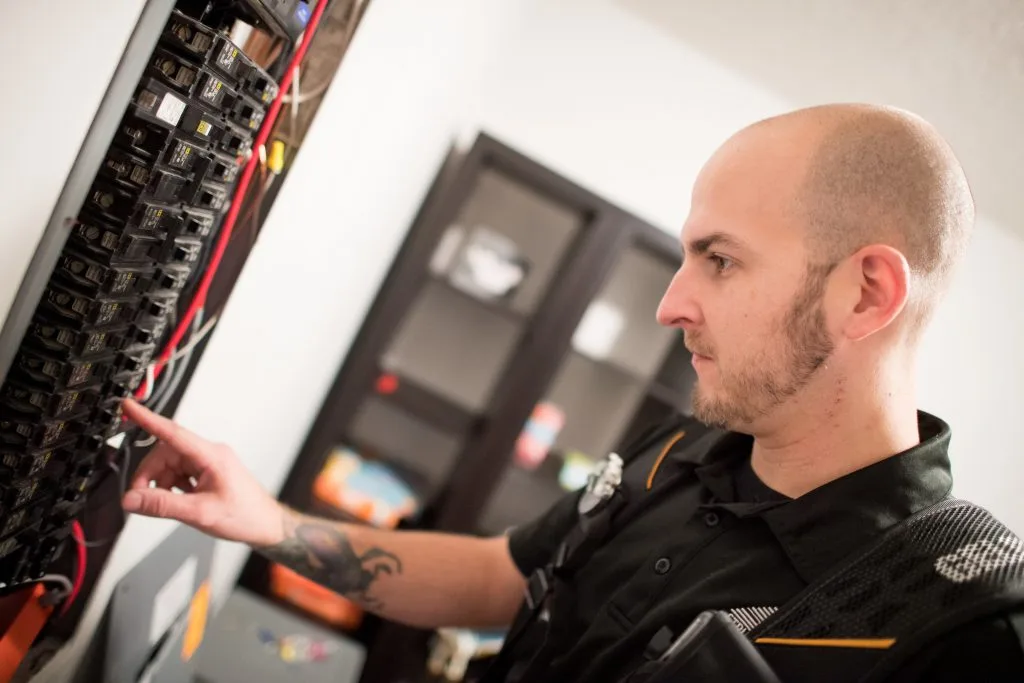
Inspector tip: We test for overheating components, panel issues, and use thermal imaging when needed.
4. Pet or Urine Odors
What it smells like: Litter box, wet dog, or stale urine
Possible causes:
- Previous pets that weren’t house-trained
- Soiled carpets or subfloor damage
- Hidden areas never cleaned properly
What it might mean:
These odors can linger long after a property changes hands—and often require carpet or flooring replacement to fix.
Inspector tip: We may not “inspect” for smells directly, but we flag stained flooring, damaged baseboards, or suspicious areas that raise red flags.
5. Sweet or Chemical-Like Odors
What it smells like: Fruity or solvent-like
Possible causes:
- Refrigerant leaks
- Pest control treatments
- Off-gassing from new materials (paint, glue, laminate)
What it might mean:
Sweet smells can signal refrigerant leaks (in HVAC or appliances). Chemical odors may suggest VOCs, which can irritate sensitive individuals.
Inspector tip: We note unusual smells and recommend follow-up, especially if tied to HVAC components.
6. Smoke or Fireplace Odors
What it smells like: Campfire or burnt wood
Possible causes:
- Dirty chimneys
- Backdrafting of combustion gases
- Prior fire damage
What it might mean:
Soot smells could indicate poor chimney function or draft issues. In some homes, it’s a sign of past fire events.
Inspector tip: We check fireplace dampers, look for creosote buildup, and assess proper exhaust flow.
What You Should Do as a Buyer or Seller
- Buyers: Don’t dismiss strange smells as “just old house stuff.” Ask questions, follow up with inspections, and factor potential cleanup or repair into negotiations.
- Sellers: Don’t try to mask smells with candles or air fresheners—it can make buyers more suspicious. Identify and fix the source instead.
Final Thoughts
Your nose knows. Unusual smells in a home are often the first warning sign that something’s off. During inspections, we take odors seriously—because they often lead to the real problems hidden beneath the surface.
At Chicago Home Inspect, we provide inspection services in Chicago that go beyond just the visible. From crawlspaces to attics to the faint smells in the basement, we look (and sniff) for anything that could affect your investment or safety.
If you’re buying or selling and need trusted home inspectors in Chicago, we’re here to help you make sense of the signs—one sniff at a time.