Did you know that over 90 percent of home buyers request an inspection before closing on a property? For many, this step can mean the difference between a smart investment and costly surprises. A good home inspection uncovers hidden problems that photos and showings rarely reveal, giving you clear facts to help weigh your next move with confidence.
Table of Contents
- What Is A Home Inspection Process
- Key Areas Home Inspectors Evaluate
- Major Home Systems And Components Checked
- Common Issues And Red Flags Identified
- Costs, Limitations, And Your Responsibilities
Key Takeaways
| Point | Details |
|---|---|
| Importance of Home Inspections | Home inspections provide essential insights into a property’s condition, helping buyers make informed decisions and avoid costly repairs. |
| Key Areas of Focus | Inspectors assess major components such as the roof, foundation, electrical systems, and plumbing for potential issues and safety concerns. |
| Cost Considerations | Typical home inspection costs range from $300 to $500, varying based on property size and location, and may require additional specialized inspections. |
| Buyer’s Responsibilities | Buyers should choose a licensed inspector, attend the inspection, review the report carefully, and negotiate based on findings. |
What Is a Home Inspection Process
A home inspection is a comprehensive, objective examination of a property’s physical structure and systems, providing potential homebuyers critical insights before finalizing their purchase. According to home inspection experts, this professional assessment typically takes 2-4 hours and covers everything from the roof down to the foundation, giving you a detailed understanding of the property’s condition.
The process involves a licensed inspector systematically evaluating major home components, including electrical systems, plumbing, heating and cooling systems, structural integrity, and potential safety issues. As research from consumer finance experts indicates, the goal is to help buyers make informed decisions by identifying potential problems that might not be visible during a casual walkthrough. Understanding the home inspection process can save you thousands in unexpected repair costs.
During a typical home inspection in Chicago neighborhoods like Lincoln Park or Wicker Park, inspectors will thoroughly examine both interior and exterior elements. They’ll check for signs of water damage, structural concerns, potential mold growth, electrical hazards, and the overall condition of major home systems. The inspection concludes with a detailed report that includes photographs, analysis, and specific recommendations for any repairs or maintenance needed.
Key components of a home inspection include:
- Roof and attic evaluation
- Foundation and basement assessment
- Electrical system inspection
- Plumbing system review
- HVAC system performance check
- Structural integrity analysis
- Exterior and interior wall examination
By investing in a professional home inspection, you’re protecting your investment and gaining peace of mind about your potential new home’s condition.
Key Areas Home Inspectors Evaluate
Home inspectors conduct a systematic and comprehensive evaluation of multiple critical areas in a property, ensuring potential buyers understand the home’s overall condition and potential maintenance needs. According to the National Association of Home Inspectors, these professionals meticulously assess various structural and functional components to provide a detailed snapshot of the property’s health.
The core areas of inspection typically include the building’s site, exterior, foundation, roof, electrical systems, plumbing, and HVAC systems. 7 Common Home Inspection Findings reveal that each of these areas can harbor potential issues that might not be immediately visible during a casual walkthrough. In Chicago neighborhoods like Wicker Park and Lincoln Park, where homes range from historic brownstones to modern constructions, these comprehensive evaluations become even more crucial.
Specifically, inspectors will examine:
- Site Evaluation: Checking ground slope, drainage, and potential water intrusion risks
- Exterior Assessment: Analyzing siding, windows, doors, and structural integrity
- Roof Inspection: Evaluating shingle condition, flashing, gutters, and potential leak points
- Foundation Analysis: Identifying cracks, settling, water damage, or structural weaknesses
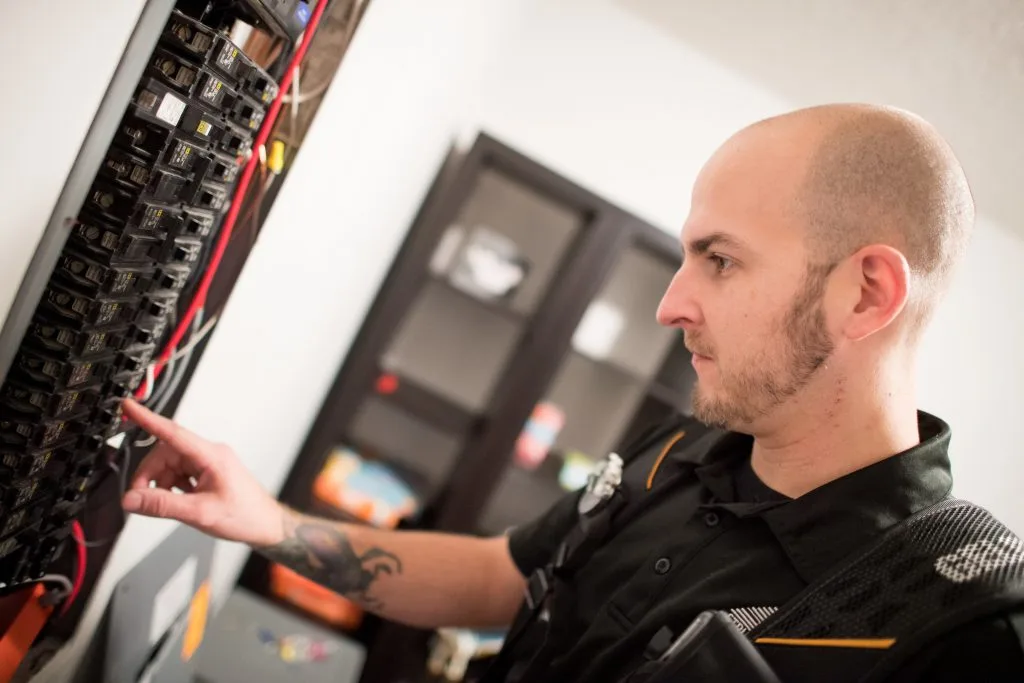
- Electrical Systems: Testing panel capacity, wiring condition, and potential hazards
- Plumbing Review: Checking pipe materials, water pressure, potential leaks
- HVAC Examination: Assessing heating and cooling system efficiency and condition
By thoroughly investigating these key areas, home inspectors provide an invaluable service that helps buyers make informed decisions and understand the potential long-term maintenance requirements of their future home.
Major Home Systems and Components Checked
A comprehensive home inspection is like a full medical checkup for a property, meticulously examining every critical system and component to ensure its health and functionality. According to housing inspection experts, this detailed evaluation goes far beyond a simple visual walkthrough, diving deep into the intricate systems that keep a home running smoothly.
Electrical Home Inspection: Red Flags in Older Chicago Homes highlights the importance of thoroughly investigating each major home system. In Chicago’s diverse neighborhoods, from historic Bucktown brownstones to modern Lincoln Park high-rises, each property presents unique inspection challenges that require a trained professional’s keen eye.
The major home systems and components typically checked during a comprehensive inspection include:
Structural Components:
- Foundation integrity
- Wall, ceiling, and floor structural assessment
- Roof framing and condition
- Potential signs of structural movement or damage
Exterior Systems:
- Siding and exterior wall condition
- Window and door functionality
- Drainage and grading
- Deck, porch, and exterior attachments
Critical Internal Systems:
- Electrical panel and wiring
- Plumbing pipes and fixtures
- Heating and cooling systems
- Water heater condition
Interior Elements:
- Flooring condition
- Wall and ceiling integrity
- Insulation and ventilation
- Potential moisture or water damage
By systematically examining these critical areas, home inspectors provide buyers with a comprehensive understanding of a property’s condition, helping them make informed decisions and anticipate potential future maintenance needs.
Here’s a summary comparing key home inspection areas and typical issues found:
| Inspection Area | What Inspectors Check | Common Issues Identified |
|---|---|---|
| Roof | Shingles Flashing Gutters |
Missing/damaged shingles Leaks |
| Foundation/Basement | Cracks Water intrusion |
Settlement cracks Dampness/water |
| Electrical Systems | Panel Wiring Outlets |
Outdated wiring Panel hazards |
| Plumbing | Pipes Fixtures Water pressure |
Leaks Pipe corrosion |
| HVAC | Heating/cooling Ventilation |
Inefficient system Poor airflow |
| Exterior | Siding Windows Doors |
Damaged siding Drafty windows |
| Structural Integrity | Walls Floors Ceilings |
Uneven floors Wall cracks |
Common Issues and Red Flags Identified
Home inspections are critical for uncovering potential problems that might escape an untrained eye, revealing hidden issues that could transform a dream home into an expensive nightmare. According to national home inspection experts, these professional evaluations systematically expose structural, mechanical, and safety concerns that could significantly impact a property’s value and livability.
Top 5 Hidden Issues Buyers Miss During Showings highlights the importance of thorough property assessments, especially in Chicago’s diverse housing market where homes range from century-old brownstones to modern high-rises. Each property presents unique challenges that require a meticulous examination.
Critical Red Flags Identified During Inspections:
Structural Warning Signs:
- Foundation cracks or shifting
- Roof structural damage
- Uneven floors or wall settling
- Significant structural movement
Mechanical System Concerns:
- Outdated electrical wiring
- Inefficient HVAC systems
- Plumbing leaks or pipe deterioration
- Improper electrical panel configurations
Moisture and Environmental Issues:
- Water damage indicators
- Potential mold growth
- Poor drainage around foundation
- Signs of persistent dampness
Safety-Related Red Flags:
- Electrical hazard potential
- Inadequate ventilation
- Improper fire safety mechanisms
- Potential carbon monoxide risks
By identifying these critical issues early, home inspectors provide buyers with crucial insights, helping them make informed decisions and potentially negotiate repairs or reconsider their investment.
Costs, Limitations, and Your Responsibilities
Understanding the nuances of home inspections is crucial for potential homebuyers, especially in Chicago’s complex real estate market. Home inspection costs typically range from $300 to $500 for an average-sized home, with prices varying based on the property’s size, age, and specific characteristics of neighborhoods like Lincoln Park or Wicker Park.
Understanding Seller Responsibilities During Inspection highlights the importance of knowing exactly what to expect during this critical process. While home inspections are comprehensive, they do have inherent limitations that buyers must understand.
Key Cost and Limitation Considerations:
Inspection Costs:
- Typical range: $300-$500 for standard homes
- Additional fees for larger properties
- Specialized inspections may cost extra
- Prices vary by Chicago neighborhood and home type
Inspection Limitations:
- Cannot detect hidden or concealed defects
- Provides snapshot of condition at time of inspection
- May not identify intermittent issues
- Not a guarantee against future problems
Your Responsibilities:
- Choose a licensed, reputable inspector
- Attend the full inspection
- Ask questions during the process
- Review the inspection report thoroughly
- Consider additional specialized inspections if needed
Recommended Buyer Actions:
- Request detailed written report
- Understand the difference between minor and major issues
- Negotiate repairs or price based on inspection findings
- Budget for potential future maintenance
By approaching the home inspection with realistic expectations and active participation, buyers can make informed decisions and protect their investment in Chicago’s dynamic real estate market.
Protect Your Investment with Expert Home Inspection Services
Understanding what a home inspector looks for can be overwhelming as you face hidden challenges like structural issues, outdated electrical systems, or moisture damage that could cost you thousands. The article highlights the importance of a thorough evaluation of key home systems including roofing, foundation, plumbing, and HVAC to avoid unexpected repairs and negotiate confidently.
Don’t leave these critical findings to chance. Our Buyer Pre-Purchase Inspections provide a complete and trusted analysis tailored to Chicago homes. Whether you are buying in Lincoln Park or Wicker Park, our licensed and InterNACHI certified inspectors are ready to reveal any red flags and give you peace of mind.
Schedule your home inspection today by visiting Home Inspection Services. The sooner you act before finalizing your purchase, the better protected you will be from costly surprises. Take control of your home buying journey with professional guidance now.
Frequently Asked Questions
What is the main purpose of a home inspection?
A home inspection aims to provide potential buyers with a detailed and objective assessment of a property’s physical condition, helping them make informed decisions before finalizing a purchase.
How long does a typical home inspection take?
A typical home inspection usually takes between 2 to 4 hours, depending on the size and condition of the home being inspected.
What are the key areas that home inspectors evaluate?
Home inspectors evaluate several key areas including the roof, foundation, electrical systems, plumbing, HVAC, and overall structural integrity.
What common issues do home inspectors usually find?
Common issues identified during home inspections may include roof damage, foundation cracks, outdated electrical systems, plumbing leaks, and signs of moisture intrusion.
Recommended
- What Do Home Inspectors Actually Look For? | Chicago Home Inspect LLC
- Understanding the Home Inspection Process Explained | Chicago Home Inspect LLC
- What’s Included in a Home Inspection
- 7 Essential Building Inspection Types Explained Clearly – FloridaLicensedEngineers.com
- Ready in 5 Steps – QuigPro, Inc.