

Many Realtors in Chicago underestimate the complexity of inspection day, often unprepared for the timeline nuances, legal disclosure requirements, and client management challenges unique to the Chicago market. While you may know inspections are critical, navigating the 10 to 14 day inspection period, understanding what buyers scrutinize, and guiding sellers through pre-inspection decisions can make or break a transaction. This guide delivers clear, step-by-step insights on what to expect during inspection day, how to prepare both buyers and sellers effectively, and best practices to ensure smooth closings in Chicago’s competitive real estate landscape.
Table of Contents
- Understanding Chicago’s Home Inspection Timeline And Legal Requirements
- Benefits And Best Practices Of Pre-Inspections For Sellers In Chicago
- What Buyers And Realtors Focus On During Inspection Day In Chicago
- Tips For Realtors To Manage Client Expectations And Ensure A Successful Inspection Day
- Partner With Chicago Home Inspect Llc For Smooth Inspections
Key takeaways
| Point | Details |
|---|---|
| Chicago inspection timelines | Inspection and attorney review periods span 10 to 14 days post-contract acceptance in Chicago. |
| Pre-inspections strengthen negotiations | Sellers gain stronger negotiating positions and reduce buyer renegotiations with pre-listing inspections. |
| Focus areas during inspection | Inspectors evaluate safety features, structural integrity, HVAC, plumbing, electrical systems, and roofing conditions. |
| Legal disclosure obligations | Illinois law requires sellers to disclose all known material defects to avoid legal complications. |
Understanding Chicago’s home inspection timeline and legal requirements
Knowing precise timelines and legal duties is foundational for managing client expectations and protecting earnest money deposits. The standard inspection and attorney review combined timeline is about 10 to 14 days post-contract acceptance in Chicago. This window is critical because it sets the stage for buyers to conduct due diligence and for sellers to prepare for potential repair negotiations.
Sellers must disclose all known material defects by Illinois law. Failure to disclose can lead to legal complications, contract terminations, and financial liability. As a Realtor, you should advise clients on adhering to deadlines to protect earnest money deposits. Misunderstanding timelines can lead to delays or contract terminations that derail transactions.
Inspection day is not the end but a critical step in the transaction timeline. After the inspection, buyers may request repairs, credits, or renegotiate terms based on findings. Understanding this sequence helps you guide clients through what comes next. Common issues like structural concerns, HVAC problems, and plumbing deficiencies often emerge during Chicago inspections, so preparing clients for these possibilities is essential.
Key timeline considerations include:
- Contract acceptance triggers the 10 to 14 day inspection and attorney review period.
- Buyers must schedule inspections promptly to meet deadlines.
- Inspection reports typically arrive within 24 to 48 hours after the inspection.
- Buyers must respond to inspection findings within the specified deadlines to protect earnest money.
- Sellers should be ready to negotiate repairs or credits based on inspection outcomes.
Pro Tip: Always confirm exact inspection deadlines in the contract and communicate them clearly to your clients to avoid surprises that could jeopardize the transaction.
Benefits and best practices of pre-inspections for sellers in Chicago
Building on legal and timeline knowledge, pre-inspections proactively address issues and improve outcomes for sellers. Pre-inspections lead to stronger negotiating positions for sellers in the Chicagoland area by identifying problems sellers can fix before listing. This reduces buyer renegotiations and eliminates costly surprises during the final inspection.
Pre-inspections result in fewer surprises during the transaction process, which can speed up closings and reduce delays. They increase buyer confidence by demonstrating transparency and building trust. When sellers present a clean inspection report upfront, buyers feel more secure in their purchase decision. Sellers maintain control over repairs and pricing strategies with pre-inspections, choosing which issues to fix and which to price accordingly.
Presenting documentation like permits and warranties enhances credibility during inspection. When buyers see that a seller has proactively addressed known issues, they are less likely to walk away or demand excessive concessions. Pre-listing inspections in Chicago provide sellers with a roadmap of what needs attention before listing, allowing strategic repairs that maximize return on investment.
Benefits of pre-inspections for sellers:
- Identify and fix problems before listing to avoid buyer surprises.
- Strengthen negotiating positions with transparent, upfront disclosure.
- Reduce transaction delays by addressing issues early.
- Build buyer confidence and trust through proactive transparency.
- Maintain control over repair costs and contractor selection.
Pro Tip: Advise sellers to complete pre-listing inspections at least two weeks before listing to allow time for repairs and to present a clean report to potential buyers.
What buyers and Realtors focus on during inspection day in Chicago
Transitioning from seller preparation to buyer focus, this section explains the inspection day details and what you must communicate to buyer clients. Buyers should prioritize safety, structure, roof, water intrusion, electrical, plumbing, and HVAC during the inspection process in Chicago. These areas represent the most significant financial risks and safety concerns for buyers.
Inspection day typically takes several hours depending on home size and complexity. For an average-sized home, expect two to four hours. Larger or older homes may require more time. Inspectors distinguish between material defects and routine maintenance items, and you should help buyers interpret this distinction. Material defects are issues that affect safety, structural integrity, or home value, while maintenance items are normal wear and tear that require regular upkeep.
Home inspection reports often reveal issues with HVAC systems, roof damage, plumbing deficiencies, electrical problems, and structural or foundation issues. Understanding which findings are dealbreakers versus negotiable is critical for guiding buyer decisions. Inspection red flags in Chicago can include foundation cracks, active water intrusion, outdated electrical panels, and failing HVAC systems.
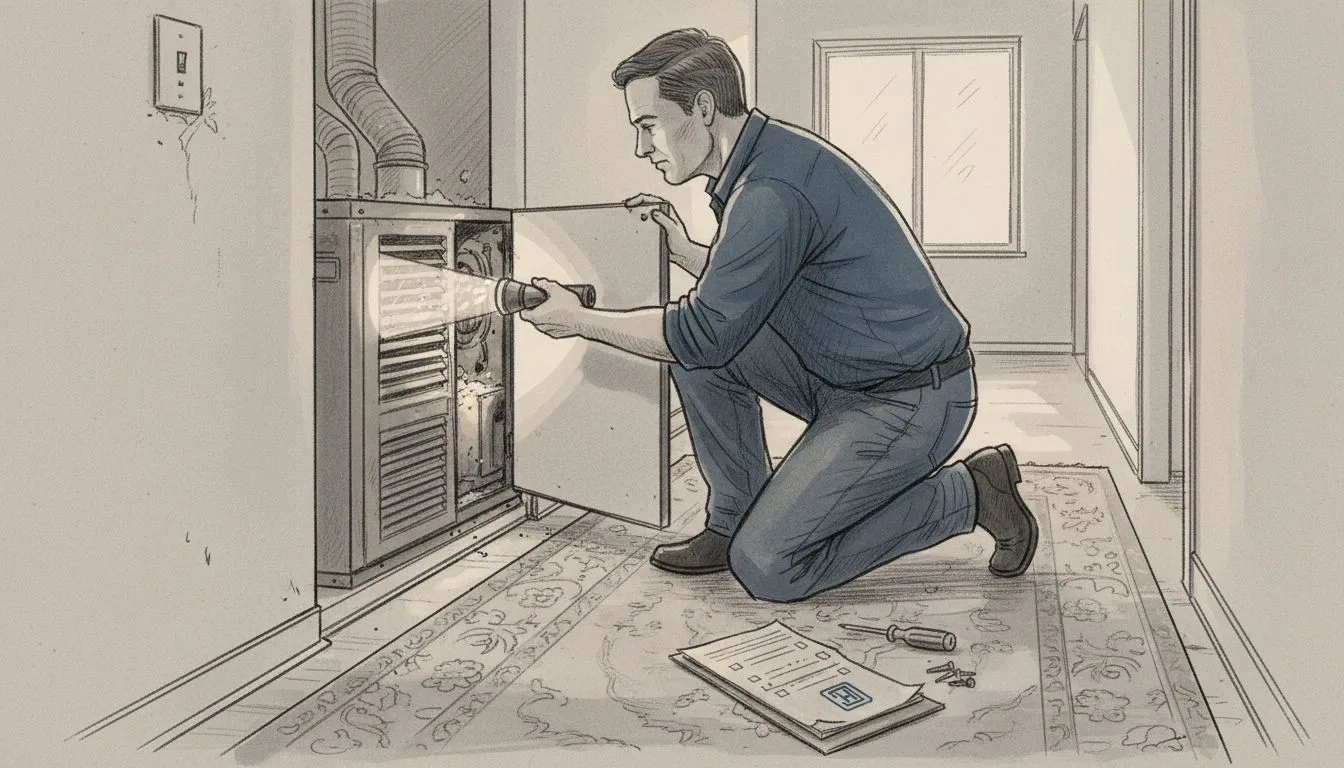
Sellers are advised not to attend the buyer’s inspection to reduce tension and enable open dialogue between buyer and inspector. This practice allows buyers to ask questions freely and inspectors to provide honest assessments without seller interference.
| Inspection focus area | Common issues found | Typical buyer response |
|---|---|---|
| HVAC systems | Aging equipment, poor maintenance, inefficient operation | Request repair or replacement credit |
| Roofing | Missing shingles, leaks, age-related wear | Negotiate repair or price reduction |
| Plumbing | Leaks, outdated pipes, water pressure issues | Request repairs or credit |
| Electrical | Outdated panels, code violations, safety hazards | Require immediate repairs |
| Structural/Foundation | Cracks, settling, moisture damage | May request significant price reduction or walk away |
Steps buyers and Realtors should take on inspection day:
- Attend the inspection to ask questions and understand findings directly.
- Focus on material defects that affect safety, value, or structural integrity.
- Distinguish between minor maintenance items and major issues requiring repair.
- Review the inspection report thoroughly with the inspector before leaving.
- Prioritize issues based on safety, cost, and impact on home value.
- Prepare a response strategy for negotiating repairs or credits with the seller.
Pro Tip: Encourage buyers to attend pre-purchase inspections to gain firsthand knowledge of the home’s condition and build rapport with the inspector, which helps them make informed decisions.
Tips for Realtors to manage client expectations and ensure a successful inspection day
Concluding the informational portion, here are actionable steps focused on communication and client preparation to make inspection day successful. Routinely educate clients on inspection timelines and legal requirements to avoid surprises. Many clients enter transactions unaware of the 10 to 14 day window or the legal obligations sellers face regarding disclosure.
Advise sellers to organize permits, warranties, and maintenance records for smoother inspections. Having this documentation readily available demonstrates professionalism and transparency. Recommend sellers consider pre-inspections to reduce negotiation friction. Sellers who complete pre-listing inspections are better positioned to address buyer concerns proactively.
Help buyers understand inspection reports by differentiating between defects and maintenance. Many first-time buyers panic over minor issues that are normal for the home’s age. Realtors should advise clients to respond to inspection findings within the specified deadlines to protect earnest money. Missing deadlines can result in forfeited deposits and contract terminations.
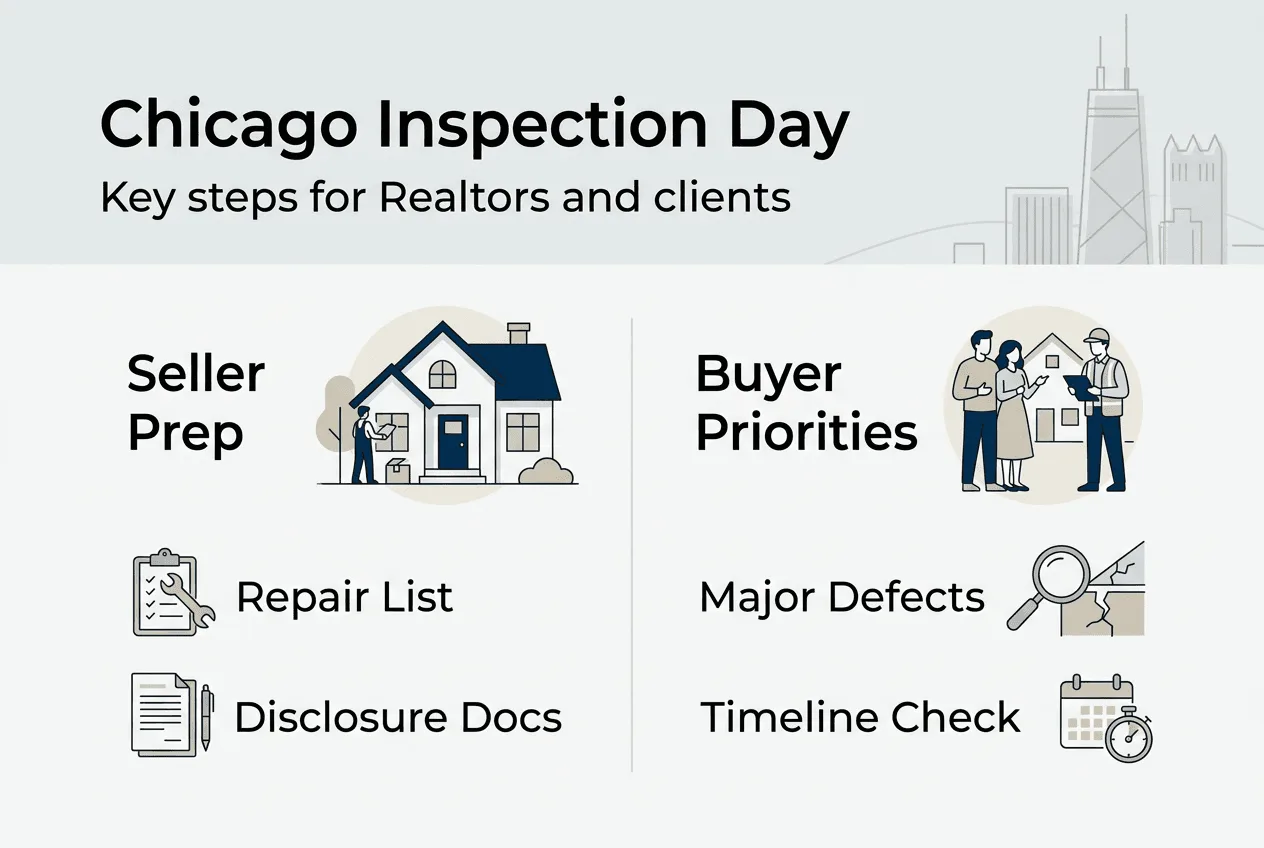
Proactively communicating the homebuying process and managing buyer expectations is key to streamlining the transaction for both the buyer and the agent. Clear communication reduces anxiety and builds trust. Advise sellers to avoid attending buyer inspections to ease emotional stress on all parties. This strategy allows buyers to explore the home freely and inspectors to provide candid assessments.
Best practices for Realtors on inspection day:
- Educate clients on inspection timelines and legal requirements early in the transaction.
- Advise sellers to organize permits, warranties, and maintenance records before listing.
- Recommend pre-inspections to sellers to reduce negotiation friction and build buyer confidence.
- Help buyers differentiate between material defects and routine maintenance items.
- Encourage timely responses to inspection contingencies to safeguard earnest money deposits.
- Advise sellers to avoid attending buyer inspections to reduce emotional stress.
Pro Tip: Create a pre-inspection checklist for sellers that includes organizing documentation, completing minor repairs, and ensuring access to all areas of the home to streamline the inspection process.
Partner with Chicago Home Inspect LLC for smooth inspections
Smooth inspection days start with trusted professionals who understand the Chicago market. Chicago Home Inspect LLC offers comprehensive pre-listing inspection services and pre-purchase inspection services tailored for Realtors and their clients. Their detailed reports help you prepare clients with clarity and confidence, reducing surprises and keeping transactions on track.
Utilize their photo documentation and inspection sample reports to set accurate expectations with your clients before inspection day. Licensed, insured, and InterNACHI certified, Chicago Home Inspect LLC provides BBB accredited services with weekend availability throughout the Chicago area and suburbs. Helping you navigate inspection day complexities with trusted experts elevates client satisfaction and strengthens your reputation as a knowledgeable Realtor.
FAQ
What is the typical duration of a home inspection in Chicago?
A typical home inspection for an average-sized home takes a few hours to complete, usually ranging from two to four hours. Larger homes or properties with complex systems may require additional time. Inform clients accordingly for scheduling visits or meetings to ensure they can attend and ask questions.
Should sellers attend the buyer’s home inspection?
It is often recommended that sellers not be present during the buyer’s inspection to avoid unnecessary emotional stress. This strategy helps reduce tension and allows honest communication between buyer and inspector. Sellers can review the final report and respond to findings through their Realtor.
How can Realtors help clients respond to inspection findings effectively?
Realtors should advise clients to respond to inspection findings within the specified deadlines to protect earnest money. Help differentiate between minor issues and material defects in reports so clients focus on significant concerns. Prompt action can safeguard earnest money and keep transactions smooth.
What are the most common issues found during Chicago home inspections?
Common findings include HVAC issues, electrical problems, roof damage, plumbing leaks, and structural concerns. These issues often require repair or negotiation before closing. Preparing clients for these possibilities helps manage expectations and reduces transaction stress.
How do pre-inspections benefit sellers in Chicago?
Pre-inspections identify problems sellers can fix before listing, reducing buyer renegotiations and building buyer confidence. They give sellers control over repairs and pricing strategies while demonstrating transparency. Fewer surprises during final inspections can speed up closings and reduce delays.