Home buying might feel thrilling but most people overlook what hides beneath fresh paint and polished floors. Some buyers skip home inspections thinking it saves time or helps them win a bidding war. Yet almost 25 percent of buyers who waived inspections faced repair bills over $10,000 within just two years. Missing this crucial step can turn your dream home into a costly regret.
Table of Contents
- The Importance Of Home Inspections Explained
- Understanding The Risks Of Skipping Inspections
- Key Elements To Evaluate In Home Inspections
- How Home Inspections Protect Your Investment
Quick Summary
| Takeaway | Explanation |
|---|---|
| Conduct a home inspection before purchase | A home inspection reveals hidden issues that may cost you later. This protects your investment from unexpected costs. |
| Identify major repairs in advance | Early detection of problems allows for negotiation and can save thousands on future repair costs. |
| Understand safety risks | Home inspections uncover hazards like electrical failures and structural weaknesses, ensuring occupant safety. |
| Avoid waiving inspections | Skipping inspections increases risk of major repair costs, often exceeding $10,000 shortly after purchase. |
| Maintain property value with inspections | Regular inspections help preserve and possibly increase a home’s value by addressing issues before they escalate. |
The Importance of Home Inspections Explained
Buying a home represents one of the most significant financial investments most people will make in their lifetime. Understanding why you should inspect before buying is crucial to protecting that investment and avoiding potentially costly surprises. Home inspections provide a comprehensive evaluation of a property’s condition, revealing hidden issues that might not be apparent during a casual walkthrough.
What Home Inspections Reveal
A professional home inspection goes far beyond a surface-level assessment. Trained inspectors systematically examine critical aspects of a property to uncover potential problems. According to the Consumer Financial Protection Bureau, these detailed evaluations help buyers make informed decisions about their potential home purchase.
Typical areas thoroughly examined during a home inspection include:
- Structural integrity of the foundation
- Electrical system functionality
- Plumbing network and potential leaks
- Roof condition and potential water damage
- HVAC system performance
- Signs of pest infestation
Financial and Safety Implications
The true value of a home inspection extends beyond simple property assessment. By identifying potential issues before purchase, homebuyers can negotiate repairs, request price adjustments, or even walk away from a problematic property. Early detection of structural or systemic problems can save thousands of dollars in future repair costs.
Moreover, a comprehensive home inspection provides critical insights into the property’s safety. Undetected electrical issues, mold growth, or structural weaknesses could pose significant risks to the occupants. Investing in a professional inspection is essentially an insurance policy against unexpected and potentially dangerous home maintenance challenges.
Understanding the Risks of Skipping Inspections
Skipping a home inspection might seem like an attractive option to streamline the purchasing process or make your offer more competitive, but the potential consequences can be financially devastating. Waiving the home inspection is a high-stakes gamble that could expose homebuyers to significant and unexpected risks.
Hidden Problems and Financial Vulnerabilities
Many homebuyers underestimate the complexity of a property’s structural and mechanical systems. According to data from home inspector associations, nearly 25% of home purchases involving waived inspections resulted in major repair costs exceeding $10,000 within the first two years of ownership.
Potential hidden problems that inspections can uncover include:
- Structural foundation damage
- Concealed water or moisture intrusion
- Electrical system hazards
- Significant roof deterioration
- Plumbing network failures
- Undetected pest infestations
Long-Term Consequences of Uninformed Purchases
Skipping a professional home inspection transforms your dream home into a potential financial nightmare. Without a comprehensive assessment, homebuyers risk inheriting expensive repair and replacement costs. Major systems like HVAC, roofing, and plumbing can require tens of thousands of dollars in repairs if significant issues are not identified before purchase.
Below is a summary table outlining the types of hidden problems a home inspection can uncover and their potential financial and safety implications for buyers.
| Hidden Problem | Potential Financial Impact | Potential Safety Risk |
|---|---|---|
| Structural foundation damage | Major repair expenses | Possible collapse or injury |
| Concealed water or moisture | Costly remediation/repairs | Mold growth, health hazards |
| Electrical system hazards | Expensive rewiring/upgrades | Fire or electrical shock |
| Roof deterioration | Roof replacement cost | Leaks, structural damage |
| Plumbing network failures | Water damage, pipe repair costs | Water contamination, flooding |
| Undetected pest infestations | Extermination/repair costs | Allergies, further property risk |
Moreover, some problems discovered after purchase might not be covered by homeowners insurance, leaving the new owner entirely responsible for extensive and unexpected repair expenses. A thorough home inspection provides critical insights that can prevent these costly surprises and help buyers make informed decisions about their substantial investment.
Key Elements to Evaluate in Home Inspections
A comprehensive home inspection requires meticulous evaluation of multiple property components to ensure the overall safety, functionality, and structural integrity of the home. Home inspection experts recommend a systematic approach to thoroughly assess critical areas that could impact the property’s value and livability.
Structural and Foundation Assessment
The structural integrity of a home forms its fundamental backbone. Inspectors carefully examine the foundation, walls, roof, and overall framework for signs of potential compromise. According to the U.S. Department of Energy, this evaluation extends beyond visual inspection to understanding how structural elements interact with energy efficiency and long-term home performance.
Critical structural elements inspectors evaluate include:
- Foundation stability and potential crack indicators
- Wall alignment and potential shifting
- Roof truss integrity and potential water damage
- Floor levelness and potential structural settlement
- Exterior wall weathering and potential moisture intrusion
- Chimney and structural support system conditions
Mechanical Systems and Safety Evaluations
Home inspections go far beyond surface-level assessments. Professional inspectors conduct comprehensive evaluations of electrical, plumbing, and HVAC systems to identify potential safety hazards and functional limitations. These detailed examinations help buyers understand the current condition and potential future maintenance requirements of critical home infrastructure.
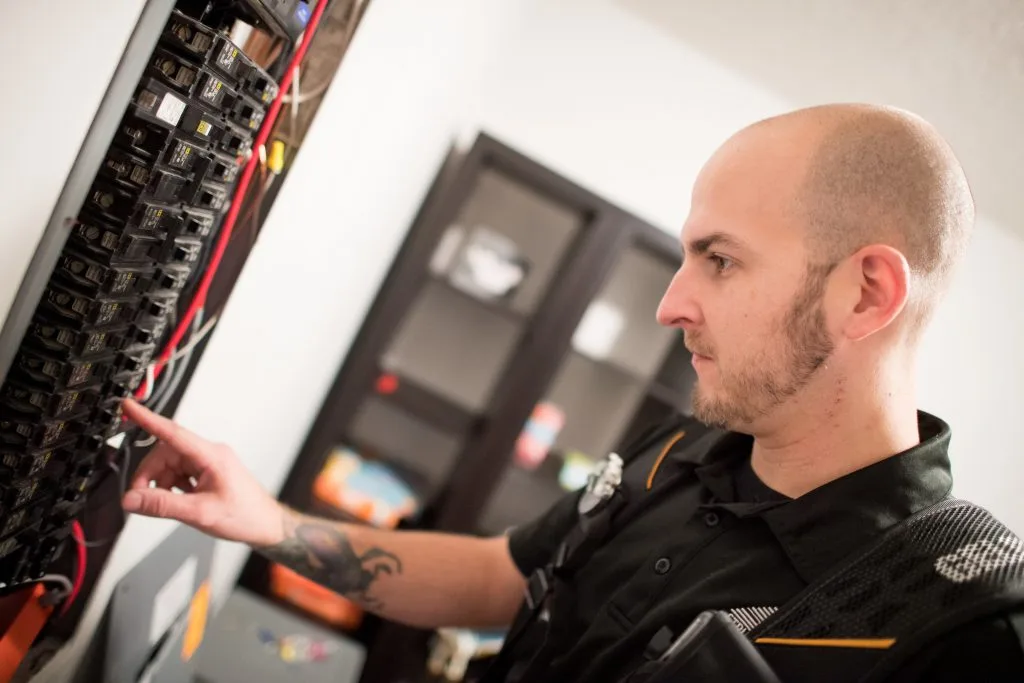
The inspection process involves testing electrical panels for proper amperage, checking plumbing connections for potential leaks, examining HVAC system efficiency, and ensuring all major home systems operate within safe and functional parameters.
This table presents key components typically evaluated during a comprehensive home inspection, along with what inspectors assess and the impact on home value and safety.
| Inspection Component | What Inspectors Evaluate | Impact on Value & Safety |
|---|---|---|
| Foundation and structure | Stability, cracks, alignment | Prevents collapse, costly repairs avoided |
| Roof | Truss integrity, water damage, wear | Avoids leaks, preserves asset value |
| Walls and exterior | Weathering, moisture intrusion | Prevents rot, maintains energy efficiency |
| Electrical systems | Panel amperage, wiring, hazards | Reduces fire/electric risks |
| Plumbing systems | Pipe conditions, leaks, connections | Prevents flooding, water issues |
| HVAC systems | Efficiency, age, safe operation | Efficient heating/cooling, safety |
| Pest presence | Structural wood/basement check | Prevents further property damage |
How Home Inspections Protect Your Investment
A home is typically the most significant financial investment most individuals will make in their lifetime. Understanding home inspections represents a critical strategy for safeguarding this substantial financial commitment and preventing potentially devastating economic losses.
Financial Risk Mitigation
Home inspections serve as a powerful financial protection mechanism by uncovering potential issues before they transform into expensive repairs. According to the Consumer Financial Protection Bureau, these comprehensive evaluations enable buyers to make informed decisions that can save tens of thousands of dollars in unexpected maintenance and repair costs.
Key financial protection strategies include:
- Identifying major structural problems before purchase
- Revealing hidden maintenance issues
- Providing leverage for price negotiation
- Estimating future repair and replacement costs
- Preventing unexpected financial burdens
- Creating a comprehensive maintenance roadmap
Long-Term Property Value Preservation
Proactive home inspections directly contribute to maintaining and potentially increasing property value. By identifying and addressing potential issues early, homeowners can prevent minor problems from escalating into major structural or systemic failures. This approach not only protects the immediate financial investment but also ensures the property remains an appreciating asset.
The inspection process provides a detailed snapshot of the home’s current condition, offering insights into potential future maintenance requirements.
This information empowers buyers to make strategic decisions about repairs, upgrades, and long-term property management, ultimately protecting their financial interests and preserving the home’s market value.
Protect Your Home Investment Before You Buy
You read how skipping a home inspection can turn your purchase into a financial nightmare. Worrying about hidden repairs and costly surprises is a real concern for any buyer. Why risk inheriting problems like water damage, faulty wiring, or foundation issues when you can be fully informed? You need the peace of mind that comes with a licensed, insured, and certified inspection team familiar with Chicago and the suburbs.
Be confident in your biggest purchase. Book a Buyer Pre-Purchase Inspection or even schedule a general consultation with our BBB-accredited experts. Our certified inspectors are also available on weekends, making it easier to fit the process into your busy life. Do not wait until after you move in to discover major headaches. Schedule your inspection now and take control of your investment and your future.
Frequently Asked Questions
What is the purpose of a home inspection before buying?
A home inspection provides a comprehensive evaluation of a property’s condition, identifying hidden issues that could affect safety and financial investment.
What issues can a home inspection uncover?
Home inspections can reveal problems such as structural damage, electrical hazards, plumbing leaks, roof deterioration, and signs of pest infestations.
How can a home inspection protect my investment?
Home inspections help buyers negotiate repairs, request price adjustments, and prevent costly surprises by revealing potential issues before purchase.
Is it worth it to waive a home inspection?
Waiving a home inspection can expose buyers to significant risks, including unexpected repair costs that could exceed thousands of dollars shortly after purchase.
Recommended
- Understanding What Inspections Are Needed When Buying a House | Chicago Home Inspect LLC
- End of Inspection Checklist: Essential Steps for Home Buyers | Chicago Home Inspect LLC
- Understanding the Role of a Home Inspector | Chicago Home Inspect LLC
- Understanding the Home Inspection Report for Buyers | Chicago Home Inspect LLC
- The Basics of Estate Planning for New Homeowners – Law Office of Eric Ridley
- How to Choose Rental Insurance: A Complete Guide for Landlords – Rental Income Insurance