
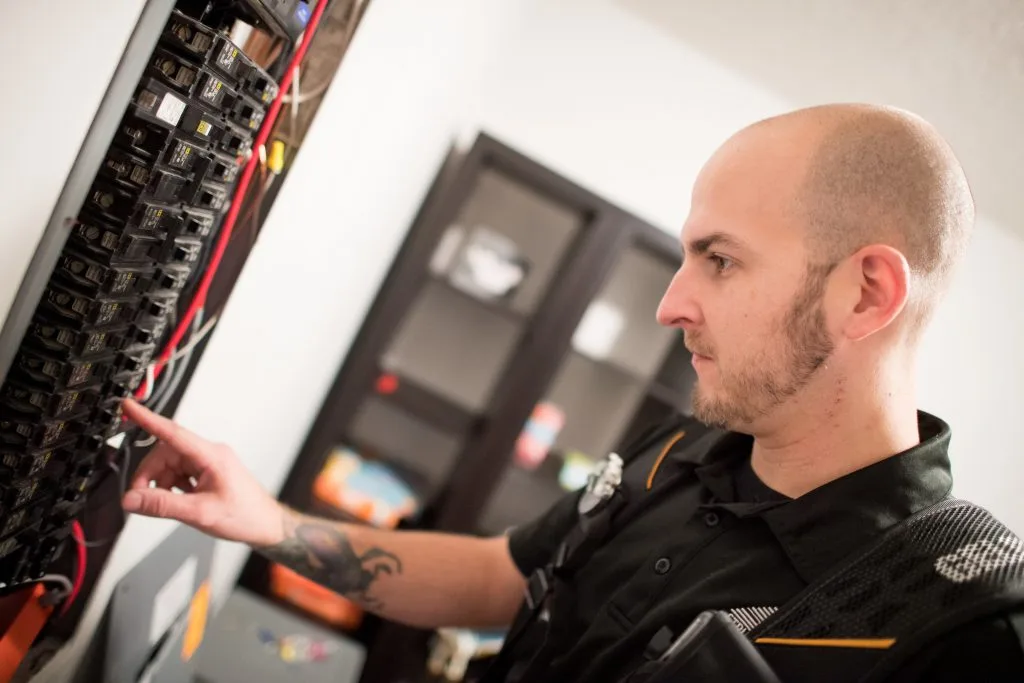
Most homeowners never think about what lurks beneath their front yard, but the truth is your underground sewer line could be hiding a problem that costs more than your car. Shockingly, sewer line repairs often reach between $5,000 and $25,000, draining savings and surprising even seasoned buyers. What catches people off guard is that a simple camera inspection called a sewer scope can reveal these ticking time bombs before they erupt into disaster.
Table of Contents
- What Are Sewer Scopes And Their Purpose?
- How Sewer Scopes Work: A Detailed Look
- Key Components Of Sewer Scopes Explained
- Real-World Implications Of Sewer Scope Inspections
Quick Summary
| Takeaway | Explanation |
|---|---|
| Conduct a sewer scope before buying a home | This inspection reveals potential sewer line issues, helping buyers avoid costly repairs later. |
| Sewer line repairs can be expensive | Repairs may range from $1,000 for minor fixes to $30,000 for full replacements, highlighting the financial risks. |
| Sewer scopes provide detailed diagnostics | Using advanced camera technology, inspectors can uncover hidden problems, ensuring informed maintenance decisions. |
| Investing in sewer scopes protects your property | By identifying issues early, homeowners can mitigate risks and preserve property value. |
| Sewer scopes can reveal risks of major damage | Neglected underground problems can lead to significant property damage and higher insurance costs over time. |
What Are Sewer Scopes and Their Purpose?
A sewer scope is a specialized diagnostic procedure that allows home inspectors to thoroughly examine the underground sewer line connecting a property to the municipal sewer system. Using advanced camera technology, professionals can explore the interior condition of these critical underground pipes without extensive excavation.
Understanding Sewer Line Infrastructure
Sewer lines represent a critical but often overlooked component of residential infrastructure. These underground pipelines transport wastewater from your home to the city’s main sewer system. While homeowners rarely think about them, these pipes are essential for maintaining proper sanitation and preventing potential environmental hazards.
Modern sewer scopes utilize high-resolution video cameras mounted on flexible fiber optic cables. These cameras can navigate through pipe systems, providing real-time visual documentation of the entire underground network. Inspectors can detect potential problems such as:
- Tree root intrusions
- Pipe cracks or fractures
- Misaligned pipe sections
- Accumulated debris or sediment
- Potential collapse zones
Why Sewer Scopes Matter for Home Buyers
For home buyers in the Chicagoland area, a sewer scope inspection represents a critical step in understanding a property’s hidden infrastructure. According to American Society of Home Inspectors, potential sewer line repairs can cost between $5,000 to $25,000, making pre-purchase investigations crucial.
By conducting a comprehensive sewer scope, home buyers can uncover potential issues before finalizing their purchase. This proactive approach helps prevent unexpected expenses and provides clear insights into the property’s underground condition. Professional inspectors can identify existing damage, predict potential future maintenance requirements, and offer detailed recommendations for addressing any discovered problems.
A thorough sewer scope goes beyond simple visual inspection. It provides homeowners with a complete understanding of their property’s underground infrastructure, helping them make informed decisions and protect their significant investment.
Why Sewer Scopes Are Essential for Home Buyers
Sewer scopes transform home buying from a potentially risky venture into a transparent, informed decision. By providing a comprehensive view of underground infrastructure, these diagnostic procedures reveal hidden issues that could translate into significant financial burdens for unsuspecting homeowners.
The Financial Implications of Overlooked Sewer Problems
Home buyers often underestimate the potential cost of sewer line repairs. What appears to be a minor underground issue can quickly escalate into a major financial nightmare. Sewer line replacements are not simple home repairs. They require extensive excavation, specialized equipment, and professional expertise.
The financial risks associated with neglected sewer systems are substantial:
To help clarify the cost implications of different sewer repairs described in the article, the following table summarizes typical sewer line repair types and the associated cost ranges mentioned.
| Repair Type | Typical Cost Range | Additional Impact |
|---|---|---|
| Complete Sewer Line Replacement | $8,000 – $30,000 | May require extensive excavation, disruption |
| Partial Sewer Line Repair | $1,000 – $5,000 | Limited to damaged sections only |
| Emergency Repairs | Exceeds standard costs | Can occur during critical failures |
| Property Damage Restoration | Adds thousands more | Needed after backups or major incidents |
- Complete sewer line replacements can cost between $8,000 to $30,000
- Partial repairs might range from $1,000 to $5,000
- Emergency repairs during critical failures can exceed standard repair costs
- Property damage from sewer backups can add thousands more in restoration expenses
Uncovering Hidden Infrastructure Challenges
Sewer scopes go far beyond visual surface inspections. These advanced diagnostic tools use specialized camera equipment to explore the entire underground pipeline network. According to Environmental Protection Research Foundation, underground infrastructure assessments can prevent up to 60% of potential future maintenance issues.
Professional inspectors look for complex problems that might not be immediately apparent:
- Subtle pipe degradation
- Root intrusion patterns
- Historical damage not visible from exterior inspections
- Potential soil movement affecting pipe alignment
By conducting a thorough sewer scope, home buyers gain unprecedented insight into a property’s hidden infrastructure. This proactive approach allows for informed negotiations, potential repair cost discussions, and most importantly, protection against unexpected future expenses.
A comprehensive sewer scope is more than a technical inspection. It is a critical risk management strategy that empowers home buyers with knowledge, transparency, and financial protection during one of the most significant investments of their lives.
How Sewer Scopes Work: A Detailed Look
Sewer scope technology represents a sophisticated diagnostic method that allows professionals to explore underground pipe systems with remarkable precision. This advanced inspection technique combines cutting-edge camera technology, specialized equipment, and expert interpretation to provide homeowners with comprehensive insights into their property’s hidden infrastructure.
The Technical Anatomy of Sewer Scopes
At the core of sewer scope technology is a high-resolution video camera mounted on a flexible, waterproof fiber optic cable. This specialized camera can navigate through pipes ranging from 2 to 6 inches in diameter, providing real-time visual documentation of the entire underground pipeline network.
The inspection equipment typically includes:
- Flexible fiber optic cable (50-100 feet long)
- High-resolution digital camera with powerful LED lighting
- Articulating camera head for detailed directional exploration
- Real-time video transmission and recording systems
- Precise location and depth tracking mechanisms
Diagnostic Process and Technical Execution
Professional inspectors follow a meticulous procedure to ensure comprehensive pipeline assessment. According to National Association of Sewer Service Companies, the inspection involves carefully inserting the camera through a cleanout, main sewer line, or other access point.
The camera traverses the entire pipeline, capturing high-definition video that reveals:
- Pipe material and condition
- Precise location of potential damage
- Extent of structural degradation
- Specific types of pipe obstructions
- Underground pipe mapping and configuration
Inspectors can pause, zoom, and record specific sections of interest, creating a comprehensive visual record.
The following table summarizes the main components and features of sewer scope technology as described in the article, helping readers quickly grasp how each element supports effective underground inspection.
| Component/Feature | Function/Description |
|---|---|
| Flexible Fiber Optic Cable | Enables camera navigation through underground pipes |
| High-Resolution Camera | Captures detailed real-time images and video |
| LED Lighting | Provides visibility in dark, enclosed pipe environments |
| Articulating Camera Head | Allows directional movement through pipe curves |
| Video Transmission & Recording | Sends live video to monitor; records for analysis |
| Location & Depth Tracking | Precisely identifies where issues are found in the pipe |
| GPS/Digital Mapping | Maps pipe network and problem locations for repair plans |
| Advanced systems even provide digital mapping and precise GPS coordinates for identified issues, enabling targeted repair strategies. |
Sewer scope technology transforms underground infrastructure inspection from a guessing game into a precise, data-driven diagnostic process. By offering unprecedented visibility into hidden pipeline networks, these advanced techniques provide homeowners with critical information for making informed property maintenance decisions.
Key Components of Sewer Scopes Explained
Sewer scope technology is a complex system of interconnected components designed to provide comprehensive underground pipeline diagnostics. Understanding these key elements helps homeowners appreciate the sophistication behind this critical inspection process.
Camera and Imaging Systems
The primary diagnostic tool in sewer scope technology is a specialized camera system engineered for extreme underground conditions. These cameras are not standard video recording devices but highly advanced instruments specifically designed to operate in challenging pipe environments.
Key camera characteristics include:
- Waterproof and pressure-resistant construction
- High-resolution digital imaging capabilities
- Powerful LED lighting for clear visibility
- Flexible articulating heads for navigating pipe curves
- Wide-angle lens with depth of field optimization
Technological Infrastructure and Navigation
Beyond the camera, sewer scope systems incorporate sophisticated technological infrastructure that enables precise underground exploration. According to International Pipeline Inspection Association, these systems integrate multiple advanced tracking and reporting mechanisms.
The navigation and reporting components typically involve:
- Fiber optic cable with real-time signal transmission
- Digital location and depth tracking systems
- Integrated GPS mapping capabilities
- Wireless data transmission technologies
- Simultaneous video recording and metadata capture
Professional inspectors rely on these intricate systems to generate comprehensive reports that go far beyond simple visual documentation. The technology allows for precise measurement, location identification, and detailed analysis of underground pipeline conditions.
By combining advanced imaging technologies with complex navigation systems, sewer scope inspections transform underground infrastructure assessment from a speculative process into a precise, data-driven diagnostic procedure.
These technological marvels provide homeowners with unprecedented insights into their property’s hidden infrastructure, enabling informed decision-making and proactive maintenance strategies.
Real-World Implications of Sewer Scope Inspections
Sewer scope inspections transcend technical diagnostics, offering profound insights that directly impact homeowners’ financial stability and property value. These detailed assessments reveal hidden infrastructure challenges that can dramatically influence long-term residential investment strategies.
Financial and Property Value Considerations
Homeowners who neglect sewer line inspections risk substantial financial exposure. Undetected underground infrastructure problems can rapidly transform from minor issues into catastrophic repair scenarios. The financial ramifications extend far beyond simple pipe replacement, potentially involving extensive property restoration and landscape reconstruction.
Significant financial risks include:
- Complete sewer line replacement costs ranging from $10,000 to $25,000
- Potential property value reduction due to severe infrastructure damage
- Increased insurance premiums following major repair events
- Unexpected out-of-pocket expenses for emergency interventions
- Potential legal complications with property sales and transfers
Preventative Maintenance and Risk Mitigation
Sewer scope inspections serve as a critical preventative maintenance strategy. According to American Home Inspectors Association, proactive assessments can help homeowners identify potential issues before they escalate into comprehensive system failures.
Key preventative insights typically revealed during inspections include:
- Early detection of root intrusion patterns
- Identification of potential pipe structural weaknesses
- Assessment of pipe material degradation
- Mapping of potential soil movement impact zones
- Comprehensive underground infrastructure health evaluation
Beyond immediate repair considerations, sewer scope inspections provide homeowners with a strategic roadmap for future maintenance. By understanding their property’s underground infrastructure, residents can develop targeted, cost-effective intervention strategies that protect their investment and prevent unexpected financial burdens.
These comprehensive diagnostic procedures represent more than technical evaluations. They are essential risk management tools that empower homeowners with critical knowledge, transforming potential underground infrastructure surprises into manageable, predictable maintenance strategies.
Protect Your Home Investment with a Sewer Scope Inspection
Buying a home without inspecting the sewer line is a huge financial gamble. As you read in the article above, hidden sewer problems like tree root intrusions, collapsed pipes, or structural degradation can turn your dream home into a costly repair project. Understanding these risks ahead of time gives you the power to avoid unexpected bills and stressful emergencies.
Take control of your home buying process by working with InterNACHI Certified and BBB Accredited professionals serving Chicago and the suburbs. Our Buyer Pre-Purchase Inspections include comprehensive sewer scope assessments, ensuring you get detailed insights into your property’s underground infrastructure. Do not let unseen issues catch you off guard. Secure your inspection appointment now at https://www.chicagohomeinspector.com/schedule and turn knowledge into peace of mind.
Frequently Asked Questions
What is a sewer scope?
A sewer scope is a diagnostic procedure that utilizes advanced camera technology to inspect the condition of underground sewer lines connecting a property to the municipal sewer system, helping to identify potential issues without excavation.
Why are sewer scopes important for home buyers?
Sewer scopes are crucial for home buyers as they reveal hidden issues within the sewer line, preventing unexpected repair costs that can range from $5,000 to $25,000 and providing insights into the property’s hidden infrastructure before finalizing a purchase.
How does a sewer scope inspection work?
A sewer scope inspection involves inserting a high-resolution video camera on a flexible cable into the sewer line through an access point. This camera navigates through the pipes, capturing real-time video that helps inspectors identify potential problems such as cracks, root intrusions, or misalignments.
What types of problems can a sewer scope detect?
Sewer scopes can detect a variety of issues, including tree root intrusions, cracks or fractures in the pipes, misaligned pipe sections, accumulated debris or sediment, and areas prone to collapse. This comprehensive insight aids in making informed maintenance decisions.