
TL;DR:
- Home inspectors in Chicago focus on safety hazards, major defects, and specialist testing to inform buying decisions. Asking specific questions during the inspection helps identify urgent repairs, hidden issues, and supports contingency negotiations effectively. Attending the walkthrough and requesting tailored testing are crucial for making informed, confident homeownership choices.
The top questions for inspectors are those that reveal safety hazards, major defects, and the need for specialist testing before you commit to buying a Chicago home. A standard home inspection in Chicago costs between $350 and $600 and lasts 2 to 3 hours, which means you have a narrow window to gather information that could affect your negotiating position and your long-term costs. Chicago’s housing stock adds complexity: graystones in Lincoln Park, two-flats in Logan Square, and bungalows on the Northwest Side all carry age-related risks shaped by decades of freeze-thaw cycles and aging infrastructure. Organizations like ASHI and InterNACHI set the standards that govern what inspectors examine and how they report findings. Knowing which questions to ask turns a two-hour walkthrough into a decision-making tool.
1. What safety-related questions should you ask your home inspector?
Safety questions are the top inspection questions to lead with, because the answers determine whether a home is livable and insurable before you worry about cosmetics. GEICO recommends asking inspectors to produce a priority fix list that ranks safety concerns first and costly repairs second. That framing gives you a clear hierarchy for negotiation and for deciding whether to proceed with the purchase.
In Chicago homes, the most common safety risks we see include:
- Foundation cracks caused by freeze-thaw cycling, particularly in older masonry homes in neighborhoods like Bridgeport and Pilsen
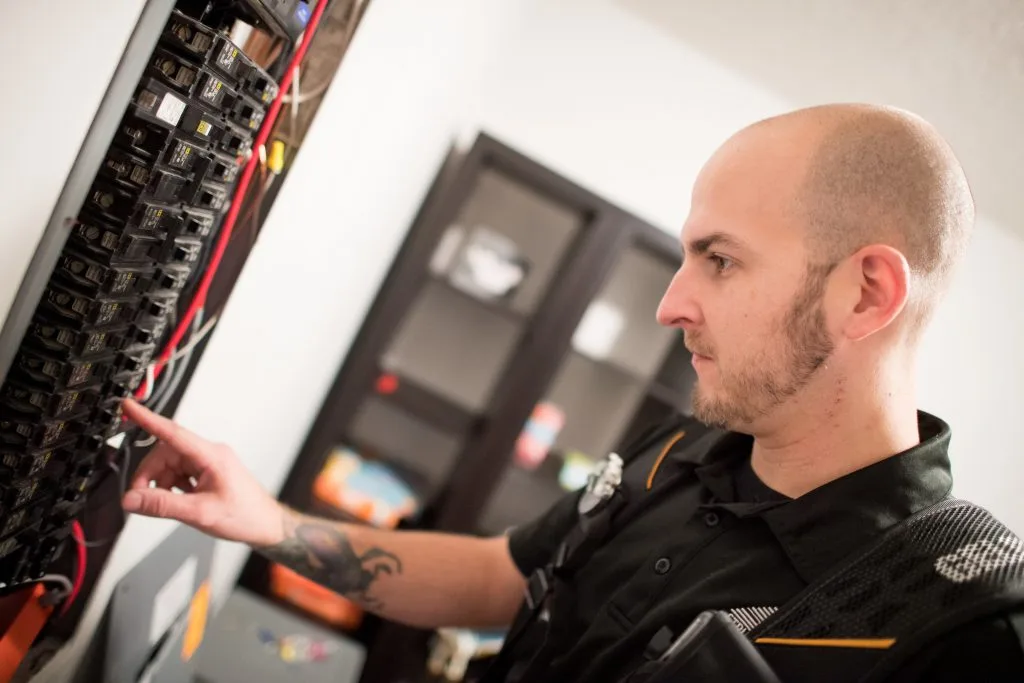
- Faulty electrical panels, including outdated Federal Pacific or Zinsco panels still found in homes built before 1990
- Non-functional smoke and carbon monoxide detectors, which are code requirements in Illinois
- Radon gas, a colorless, odorless hazard that requires dedicated radon testing services separate from a standard visual inspection
- Mold growth in basements and crawl spaces, especially in homes with sump pump failures or chronic moisture intrusion
Operational questions matter just as much as defect questions. Ask the inspector to show you the main water shutoff, demonstrate the sump pump, and confirm that the HVAC system cycles on and off correctly. Attending the walkthrough and observing these systems in real time gives you practical knowledge you will use from day one of ownership.
Pro Tip: Ask the inspector directly: “If you owned this home, what would you fix first?” That single question cuts through report language and tells you where the real urgency lies.
2. Which questions reveal major defects and costly repairs?
The best home inspection questions for uncovering expensive problems focus on component age, visible deterioration, and estimated replacement timelines. Ask about every major system: roof, plumbing, HVAC, water heater, and electrical panel. Each answer tells you whether you are buying a home in stable condition or one that will require significant spending within the first few years.
Plumbing questions deserve particular attention in Chicago. Many homes built before 1970 still contain galvanized steel pipes, which corrode from the inside out and restrict water pressure over time. Ask specifically about pipe materials, water pressure readings, and the condition of the water heater. Given Chicago’s aging underground infrastructure, also ask whether a sewer camera inspection is recommended, because root intrusion and pipe collapse are common in neighborhoods with mature tree canopies.
Roofing questions should cover age, repair history, and any visible storm damage. Chicago’s hail seasons and heavy snow loads accelerate shingle wear, and a roof within five years of its expected lifespan is a legitimate negotiating point. For HVAC systems, ask the inspector to estimate remaining service life and note the last service date. A furnace older than 20 years in a Chicago winter is not a minor concern. It is a replacement cost you should price into your offer.
3. What questions clarify inspection scope and specialist testing needs?
Home inspections are limited by their visual nature. Inspectors do not perform destructive testing, which means hidden components like underground pipes, wall cavities, and concealed wiring are outside the standard scope. Asking about these limits upfront prevents the false confidence that comes from a clean report on a home with serious hidden problems.
Ask your inspector to identify every area that was inaccessible or excluded from the inspection. Common exclusions include:
- Underground sewer and water lines
- Areas behind finished basement walls
- Roof sections obscured by snow or ice (a real issue during Chicago winter transactions)
- Attic spaces with insufficient clearance for entry
- Detached garages and coach houses not included in the base inspection scope
For Chicago buyers, three specialist tests stand out as worth the additional cost. A sewer line camera inspection is close to mandatory given the city’s aging clay and cast-iron lateral lines. Radon testing is recommended across the Chicago metro area, where elevated readings are documented in multiple counties. Mold assessment is worth requesting if the inspector notes any moisture staining, musty odors, or past water intrusion in the basement or crawl space.
Pro Tip: Ask the inspector to note in the report which specialist tests they recommend and why. That documentation strengthens your position if you need to request a credit or repair from the seller based on specialist findings.
4. How do inspection questions support your contingency strategy?
Inspection contingency clauses allow buyers to negotiate repairs or credits based on material defects discovered during the inspection period. The questions you ask during the walkthrough directly shape what you can document and request. Vague findings produce weak contingency requests. Specific, documented findings produce leverage.
Focus your contingency questions on four categories:
- Safety and habitability issues. Ask the inspector to confirm whether any finding affects the home’s safety or habitability. These are the strongest grounds for a contingency request and the hardest for sellers to dismiss.
- Structural soundness. Ask whether any foundation, framing, or load-bearing element shows signs of movement, deterioration, or past repair. Structural issues in Chicago’s older masonry homes can be expensive and time-consuming to address.
- Repair cost estimates. Ask the inspector to give you a rough order of magnitude for any major finding. Inspectors are not contractors, but they can tell you whether a repair is a few hundred dollars or a few thousand.
- Documentation and monitoring. Ask whether any finding should be evaluated by a licensed contractor before you finalize your contingency request. A written contractor estimate carries more weight in negotiations than an inspector’s verbal comment.
Chicago-area real estate contracts typically allow five to ten business days for the inspection contingency period. Use that window to schedule any specialist tests the inspector recommends, because those findings can be incorporated into your contingency request before the deadline.
5. How do you turn vague inspector comments into a clear action plan?
Inspectors frequently write “monitor this condition” in their reports, and buyers often misread that phrase as either an alarm or a dismissal. Monitoring recommendations reflect an inspector’s experience with conditions that are stable today but could change. They are a risk management tool, not a sign of uncertainty.
The right questions to ask when you see a monitoring note include:
- “What specific signs would tell me this condition is getting worse?”
- “How often should I check this, and what time of year matters most?”
- “At what point does monitoring become a repair?”
- “Is there a seasonal trigger I should watch for in Chicago’s climate?”
Chicago’s soil conditions and temperature swings make monitoring questions especially relevant. Efflorescence on a basement wall may be stable in a dry summer and actively worsening after a wet spring. Asking what signs to watch converts a vague note into a specific homeowner checklist. That checklist protects you from both overreacting and ignoring something that needed attention.
Pro Tip: Ask the inspector to tailor their monitoring advice to Chicago’s seasonal cycles. A crack that needs checking every spring after the ground thaws is a different situation than one that needs a structural engineer’s review before closing.
Our take on the questions Chicago buyers should never skip
After inspecting homes across Lake, McHenry, DuPage, and northern Cook Counties, we have seen the same pattern repeat. Buyers who attend the inspection and ask direct questions leave with a clear picture of the home. Buyers who skip the walkthrough and read the report alone often misinterpret findings or miss context that changes everything.
The questions that consistently make the biggest difference are the ones that force specificity. “Is this a safety issue?” produces a yes or no. “What would you fix first?” produces a priority. “What does monitoring actually mean for this crack?” produces a plan. Generic questions get generic answers. Specific questions get the information you need to decide.
We also see buyers underestimate Chicago-specific risks. The common issues we find in Chicago homes, from aging knob-and-tube wiring in Wicker Park two-flats to clay sewer laterals in Evanston bungalows, are not always visible in a report summary. They surface when buyers ask follow-up questions during the walkthrough. The inspection report is the starting point. Your questions are what make it useful.
— Chicago Home Inspect LLC
Schedule your Chicago home inspection with our team
Chicago Home Inspect LLC is InterNACHI Certified, BBB Accredited, and licensed and insured to serve Lake, McHenry, DuPage, and northern Cook Counties. We offer residential home inspections, radon testing, mold testing, sewer line inspections, and home maintenance consultations. Our detailed photo reports give you a clear record of every finding, and we are available on weekends to fit your transaction timeline. If you want to see what a thorough inspection looks like before you book, browse our interior inspection photos to understand the level of detail we bring to every property. When you are ready to schedule, our team is here to walk you through the process and answer your questions before, during, and after the inspection.
FAQ
What are the top questions for inspectors to ask first?
Lead with safety questions: ask about structural integrity, electrical hazards, radon risk, and any finding that affects habitability. GEICO recommends asking for a priority fix list that ranks safety concerns above all other repair categories.
Should I attend the home inspection in person?
Yes. Attending the walkthrough lets you ask questions live, observe system operation, and get context that never fully translates into a written report. A Chicago inspection typically runs two to three hours, which is enough time to cover every major system with your inspector.
What specialist tests should Chicago buyers request?
Chicago buyers should ask about sewer line camera inspections, radon testing, and mold assessment. Visual inspections exclude underground pipes and concealed spaces, so specialist tests fill the gaps that a standard inspection cannot cover.
What does “monitor this condition” mean in an inspection report?
A monitoring recommendation means the condition is currently stable but could change over time. Ask the inspector what specific signs indicate worsening, how often to check, and at what point the condition requires professional repair rather than observation.
How do inspection questions help with contract negotiations?
Specific, documented findings from your inspection questions form the basis of contingency requests for repairs or credits. Focusing on safety and structural soundness produces the strongest grounds for negotiation within your contract’s inspection contingency period.