
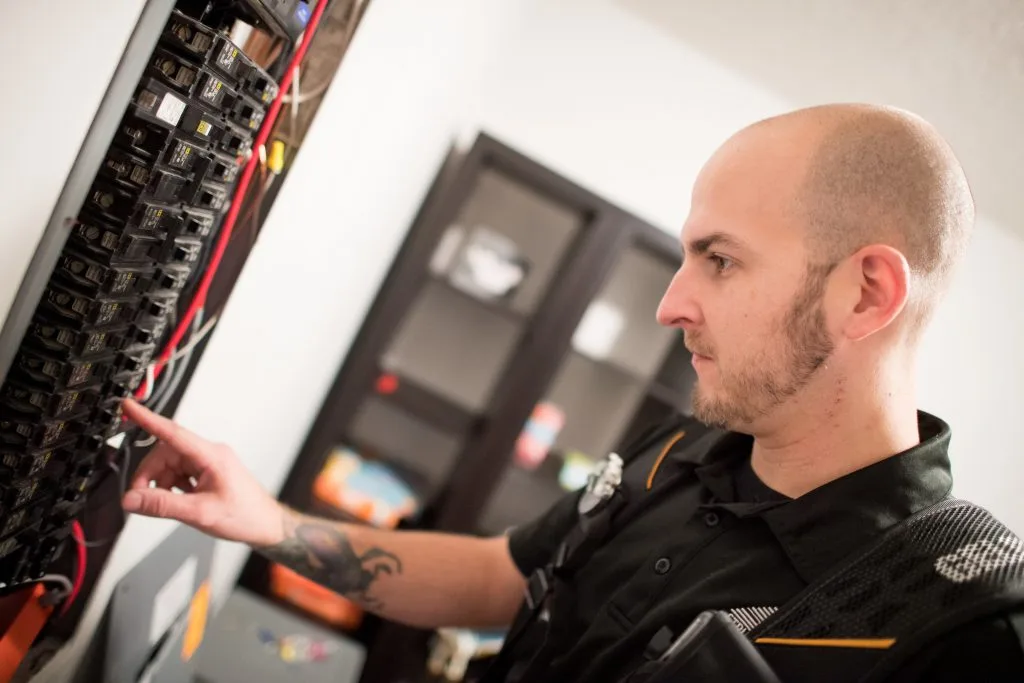
Buying a home in Chicago means navigating through potential surprises. While most buyers focus on obvious issues like aging roofs or outdated appliances, some of the most impactful defects hide quietly beneath the surface. These overlooked defects often result in costly surprises down the road if not identified early by an experienced home inspector.
Here’s a detailed breakdown of some commonly missed issues specific to Chicago homes—and how to spot them before they turn into major headaches.
1. Poor Drainage and Grading
Poor drainage around a home might not grab your attention initially, but in Chicago, this seemingly minor issue can quickly escalate into serious foundation and basement moisture problems.
Signs to watch for:
- Standing water after rain or snowmelt
- Soggy, spongy lawn areas
- Soil erosion near the foundation
- Efflorescence or stains in the basement
Why it matters: Improper drainage can lead to foundation movement, cracks, mold, and expensive water mitigation solutions.
2. Improper Electrical Wiring
Electrical issues in older Chicago homes are often subtle yet dangerous. Homes built before modern electrical codes may harbor risks like reversed polarity, ungrounded outlets, or overloaded circuits.
Signs to watch for:
- Flickering lights or frequent circuit trips
- Two-prong outlets (indicative of no grounding)
- Exposed or outdated wiring
- Amateurish DIY electrical work visible in basements or attics
Why it matters: Improper wiring can pose a fire hazard or lead to costly upgrades to comply with safety standards.
3. Attic Ventilation and Insulation Problems
Attics in Chicago homes need to be properly ventilated and insulated to handle extreme temperature swings. Insufficient ventilation or insulation can lead to mold growth, ice dams, and energy inefficiency.
Signs to watch for:
- Ice dams forming on the roof edges
- High heating or cooling bills
- Visible mold or mildew in attic spaces
- Uneven snow melting patterns on roofs
Why it matters: Poor attic conditions can cause structural damage, compromise roof life, and increase energy costs significantly.
4. HVAC Neglect and Poor Maintenance
Chicago’s weather extremes mean HVAC systems require routine care. Overlooked HVAC maintenance might not be apparent during a simple walkthrough, but it can significantly impact home comfort, efficiency, and repair costs.
Signs to watch for:
- Rust, leaks, or corrosion on HVAC components
- Dirty filters and poorly maintained units
- Uneven heating or cooling throughout the house
- Unusual noises during operation
Why it matters: Deferred maintenance can lead to premature system failure and expensive repairs or replacements.
5. Chimney and Fireplace Issues
While fireplaces add charm, chimney defects can often slip under the radar. Chicago’s harsh winters can exacerbate existing chimney problems.
Signs to watch for:
- Crumbling mortar or bricks on chimney exterior
- Creosote buildup or soot accumulation
- Rust or deterioration of the damper or liner
- Water stains around fireplace or chimney areas
Why it matters: Chimney problems pose fire and carbon monoxide risks, and repairs can be costly if structural integrity is compromised.
6. Plumbing Leaks and Hidden Moisture
Small plumbing leaks often escape detection during quick inspections. However, they can lead to extensive water damage and mold issues over time.
Signs to watch for:
- Musty odors or mold growth under sinks or cabinets
- Corroded or leaking pipes
- Water staining or swelling around fixtures or floors
- Discolored ceilings or walls, indicating leaks behind drywall
Why it matters: Hidden moisture leads to mold, structural deterioration, and costly remediation efforts.
7. Foundation Cracks Hidden by Finished Basements
Finished basements in Chicago homes can disguise critical foundation issues. Buyers often overlook these defects, assuming a recently finished space implies structural soundness.
Signs to watch for:
- Uneven flooring or subtle slope
- Doors or windows sticking or misaligned
- Small cracks visible above doorways or around windows
- Moisture seepage in lower walls or floors
Why it matters: Ignoring foundation cracks can escalate into severe structural issues requiring costly repairs and compromise the home’s safety.
The Importance of an Experienced Chicago Home Inspector
Home inspections in Chicago shouldn’t be generic checklists. They need local knowledge to recognize subtle yet significant problems typical of the region’s homes. An inspector familiar with Chicago’s housing stock knows exactly where to look and what to look for, saving buyers from unexpected financial burdens.
How to Make the Most of Your Inspection
- Be present during the inspection: Ask questions and clarify uncertainties in real-time.
- Ask for recommendations: Good inspectors provide clear guidance on repair priorities and when specialist evaluations might be needed.
- Review the detailed report: Prioritize critical fixes versus cosmetic updates, ensuring you understand each item flagged.
Final Thoughts
Buying a home is one of the biggest investments you’ll make. Protecting that investment starts with a thorough, expert home inspection focused on uncovering hidden issues. In Chicago, being alert to these often-overlooked defects can help you make informed decisions and save you significant headaches down the road.