
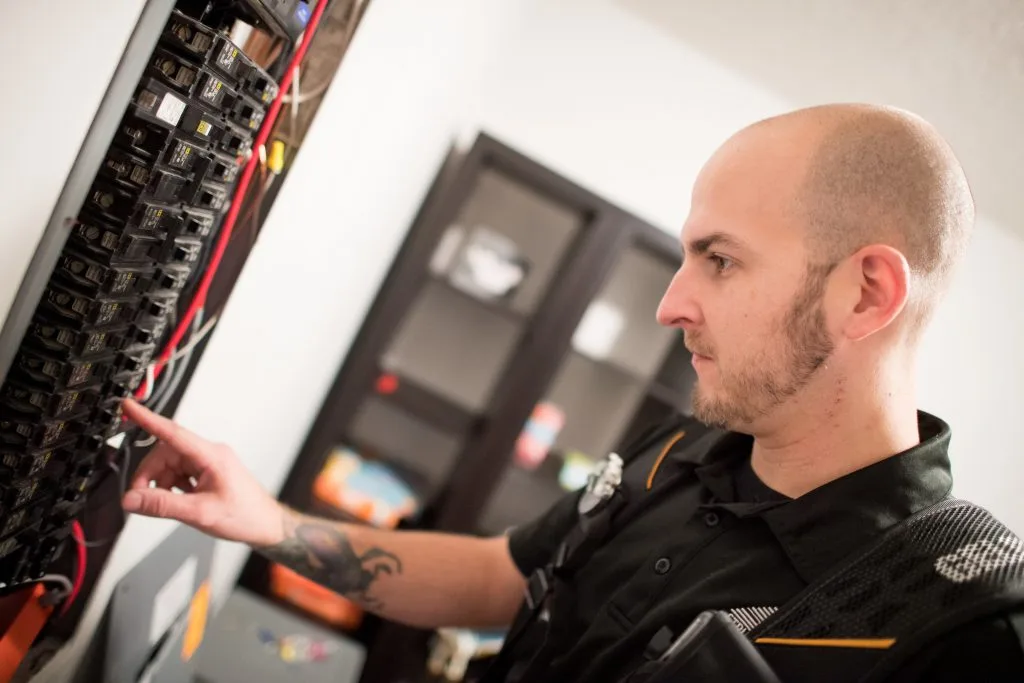
Buying a home is often the biggest purchase most people ever make and mistakes can be costly. More than 80 percent of buyers get a professional home inspection to avoid hidden problems that could cost thousands down the road. Most expect a quick check for creaky floors or peeling paint. Surprisingly, inspectors dig much deeper than that. They uncover critical risks and costly flaws most buyers never spot, shifting the entire balance of a deal.
Table of Contents
- Defining The Role Of A Home Inspector
- The Importance Of Home Inspections
- Key Areas Covered In A Home Inspection
- Understanding The Inspection Report
- How Home Inspectors Impact Home Buying Decisions
Quick Summary
| Takeaway | Explanation |
|---|---|
| Home inspections are essential for informed decisions. | They help uncover hidden issues that could affect the property’s value and safety, enabling buyers to make better choices. |
| A detailed inspection report provides negotiation leverage. | The report highlights necessary repairs and property condition, making it a powerful tool in price discussions or requests for repairs. |
| Understanding critical systems ensures property safety. | Evaluating electrical, plumbing, and structural systems during an inspection helps identify major concerns that could lead to expensive repairs later. |
| Home inspectors act as impartial advisors. | Their expert assessments provide an unbiased view of the property, helping buyers make informed decisions without emotional bias. |
| Regular inspections can prevent future costly repairs. | By identifying issues early, buyers can save significant money on repairs and maintenance, ensuring the property remains a sound investment. |
Defining the Role of a Home Inspector
A home inspector serves as a critical professional in the real estate transaction process, providing an independent and comprehensive evaluation of a property’s condition. Unlike a casual observer, a home inspector conducts a systematic and professional assessment that goes far beyond a simple visual walkthrough.
What Exactly is a Home Inspection?
A home inspection is a detailed, non-invasive examination of a residential property’s accessible systems and physical structure. According to the U.S. Bureau of Labor Statistics, home inspectors inform potential homebuyers about a property’s deficiencies and ensure that construction meets local and national building codes, ordinances, and contract specifications.
The primary goal of a home inspection is to provide potential buyers with an objective, professional assessment of the property’s current condition. This includes evaluating key components such as:
- Structural integrity of the foundation
- Condition of the roof and exterior
- Functionality of electrical systems
- Performance of plumbing and HVAC systems
- Potential safety hazards
- Signs of water damage or structural wear
Why Home Inspections Matter
Home inspections are not just a formality but a critical step in protecting your investment. By identifying potential issues before finalizing a purchase, homebuyers can make informed decisions about their real estate transaction. A comprehensive inspection can reveal hidden problems that might require significant repairs, potentially saving buyers thousands of dollars in unexpected maintenance costs.
Professional home inspectors provide a detailed report that documents the property’s condition, highlighting both minor maintenance needs and major structural concerns. This documentation serves multiple purposes: it informs the buyer, can be used in negotiations, and provides a baseline record of the property’s condition at the time of purchase.
Ultimately, a home inspector acts as an impartial third party, armed with technical expertise and professional tools, to give homebuyers peace of mind during one of the most significant financial decisions of their lives.
The Importance of Home Inspections
Home inspections represent a crucial safeguard in the real estate purchasing process, offering potential homeowners a comprehensive understanding of a property’s true condition beyond its surface appearance. The significance of these professional evaluations extends far beyond a simple property assessment.
Financial Protection and Risk Mitigation
According to the Consumer Financial Protection Bureau, home inspections are essential for uncovering potential major problems that could translate into significant financial risks. By identifying issues before finalizing a purchase, buyers can make informed decisions that protect their investment and potentially save thousands of dollars in unexpected repair costs.
The financial implications of a thorough home inspection are substantial. Consider the potential expenses associated with undetected problems:
- Structural foundation repairs
- Electrical system upgrades
- Roof replacements
- Plumbing system overhauls
- HVAC system replacements
- Extensive water damage restoration
Negotiation and Informed Decision Making
A professional home inspection provides buyers with critical leverage during real estate negotiations. The detailed report generated by an inspector becomes a powerful tool for discussing price adjustments, requesting repairs, or even reconsidering the purchase altogether. Buyers armed with comprehensive inspection information can make more strategic decisions about their potential property.
Moreover, home inspections offer transparency in a complex real estate transaction. They transform an emotional decision into a data driven process, helping buyers understand exactly what they are purchasing. The inspection report serves as an objective third party assessment, removing speculation and providing concrete evidence about the property’s condition.
Ultimately, a home inspection is not just a recommended step but an essential investment in your financial security and peace of mind. By revealing hidden issues and providing a clear picture of a property’s true state, these professional evaluations empower buyers to make confident, well informed real estate decisions.
Key Areas Covered in a Home Inspection
A comprehensive home inspection is a methodical process that examines multiple critical components of a residential property, providing potential buyers with a detailed understanding of the home’s overall condition and potential maintenance requirements. The scope of these inspections goes well beyond a casual walkthrough.
Structural and Foundational Assessment
According to the Massachusetts Office of Consumer Affairs and Business Regulation, home inspectors conduct a thorough examination of the property’s exposed structural elements. This comprehensive evaluation focuses on critical structural components that form the backbone of the property’s integrity and safety.
The structural assessment typically includes detailed investigations of:
- Foundation stability and potential stress points
- Wall structure and potential damage
- Roof framework and integrity
- Floor and ceiling structural conditions
- Potential signs of water damage or structural shifting
Mechanical and Electrical Systems Evaluation
Beyond the structural elements, home inspectors perform an extensive review of the property’s critical mechanical and electrical systems. This assessment ensures that all major home systems are functioning safely and efficiently, identifying potential issues that could require significant future investments.
Key systems thoroughly examined during a home inspection include:
- Electrical service entrance and grounding systems
- Main electrical panel and circuit configurations
- Heating, ventilation, and air conditioning (HVAC) systems
- Plumbing infrastructure and water pressure
- Drainage and sewage system functionality
The comprehensive nature of these inspections provides homebuyers with a complete picture of the property’s current condition.
The table below summarizes the main components typically covered during a professional home inspection to give readers a clear overview of what is evaluated during the process.
| Area Assessed | What is Evaluated | Why It Matters |
|---|---|---|
| Foundation | Stability, visible cracks, potential stress | Ensures long-term structural integrity and safety |
| Roof and Exterior | Condition of shingles, framework, drainage | Protects from water damage and premature wear |
| Electrical Systems | Service entrance, panel, grounding, safety | Prevents fire hazards and costly upgrades |
| Plumbing Systems | Water pressure, infrastructure, leaks | Avoids water damage and expensive repairs |
| HVAC Systems | Heating, cooling, ventilation functionality | Maintains comfort and energy efficiency |
| Walls, Floors, Ceilings | Signs of damage, settling, water infiltration | Identifies hidden structural or maintenance issues |
| Safety Hazards | Smoke detectors, visible hazards, code issues | Protects occupants and ensures code compliance |
Understanding the Inspection Report
A home inspection report serves as a comprehensive document that translates the inspector’s professional observations into clear, actionable information for potential homebuyers. Far more than a simple checklist, this report provides a detailed narrative of the property’s condition, highlighting both immediate concerns and potential future maintenance requirements.
Anatomy of a Professional Inspection Report
According to InterNACHI’s Professional Standards, a well-constructed inspection report typically includes multiple critical components that offer a holistic view of the property’s condition. These reports are meticulously designed to provide transparency and help buyers make informed decisions.
A comprehensive inspection report generally encompasses:
- Detailed photographic documentation
- Systematic evaluation of each major home system
- Categorization of issues by severity and potential impact
- Recommendations for further specialized inspections
- Estimated repair or replacement costs for identified issues
Interpreting Report Findings and Recommendations
Reading an inspection report requires careful attention to the nuanced language used by professional inspectors.
This table organizes the common issue classifications found in a home inspection report and describes what each category typically means for buyers.
| Issue Category | Description | Urgency and Action Needed |
|---|---|---|
| Minor Issues | Small cosmetic concerns or routine maintenance items | Low priority, monitor or address as able |
| Moderate Concerns | Repairs needed in the near future | Address soon to prevent escalation |
| Critical Defects | Major safety, structural, or operational failures | Immediate professional repair recommended |
Key classifications in an inspection report often include:
- Minor Issues: Cosmetic problems or minimal maintenance requirements
- Moderate Concerns: Repairs needed within the near future
- Critical Defects: Significant structural or safety issues requiring immediate attention
Professional home inspectors craft their reports to provide clear, objective insights into a property’s condition. By presenting a comprehensive analysis that goes beyond surface observations, these documents empower homebuyers to understand the true state of their potential investment and make strategic decisions about property purchases or necessary repairs.
How Home Inspectors Impact Home Buying Decisions
Home inspectors play a transformative role in the real estate transaction process, serving as critical advisors who help potential buyers make informed and strategic decisions about their property investments. Their professional assessments provide crucial insights that extend far beyond surface level evaluations.
Revealing Hidden Property Risks
According to the Consumer Financial Protection Bureau, home inspections are essential for identifying major problems that might not be immediately apparent during a casual property viewing. These professional evaluations uncover potential risks that could significantly impact a buyer’s financial and personal investment.
The potential hidden risks identified by home inspectors include:
- Structural integrity concerns
- Electrical system vulnerabilities
- Potential environmental hazards
- Undetected water damage
- Aging mechanical system risks
- Concealed pest infestations
Negotiation and Financial Strategy
A comprehensive home inspection report becomes a powerful negotiation tool for potential buyers. By providing detailed documentation of a property’s condition, inspectors enable buyers to make data driven decisions about purchase price, necessary repairs, or potential contract renegotiations.
Key strategic advantages of a professional home inspection include:
- Precise documentation of property condition
- Estimated repair and replacement costs
- Objective third party assessment
- Potential leverage in price negotiations
- Comprehensive understanding of maintenance requirements
Ultimately, home inspectors transform the home buying process from an emotional decision to a calculated, informed investment strategy. Their professional expertise helps buyers understand exactly what they are purchasing, providing transparency and peace of mind during one of the most significant financial transactions of their lives.
Get Peace of Mind with Professional Home Inspections in Chicago
Buying or selling a home comes with big questions and even bigger risks. The article outlined how hidden property issues and unclear inspection reports can leave buyers and sellers stressed and unsure about their next move. That uncertainty can cost you thousands or turn your dream home into a money pit. You deserve clear answers and a trusted guide in this complicated process.
Let our team at Chicago Home Inspect LLC give you clarity and confidence with services tailored to your needs. Our InterNACHI certified, BBB accredited experts deliver thorough pre-purchase inspections, seller pre-listing inspections, and annual home checkups that highlight issues before they become problems. Whether you need support with negotiation, documentation, or simply want independent guidance from licensed professionals, we are ready to help—weekends included. Take the first step toward a safer, smarter real estate decision. Book your inspection now and get the answers you need today.
Frequently Asked Questions
What is the main purpose of a home inspection?
A home inspection’s primary purpose is to provide potential buyers with an objective assessment of a property’s condition, identifying any deficiencies or areas needing repair before finalizing a purchase.
What do home inspectors evaluate during an inspection?
Home inspectors evaluate the structural integrity of a property, including the foundation, roof, electrical systems, plumbing, HVAC systems, and potential safety hazards or signs of water damage.
How can a home inspection help in the negotiation process?
A home inspection report provides detailed documentation about a property’s condition, which can be used to discuss price adjustments, request repairs, or even reconsider the purchase based on identified issues.
What types of issues are typically highlighted in a home inspection report?
A home inspection report often categorizes issues by severity, identifying minor issues, moderate concerns that require near-future repairs, and critical defects that may require immediate attention.