
Radon gas ranks as the second leading cause of lung cancer among American non-smokers, posing a hidden threat in many Chicago homes. For every homebuyer or homeowner in this city, understanding how radon mitigation systems work is crucial for long-term peace of mind. This guide breaks down the essential facts about different radon reduction systems, helping you make informed choices to protect your family’s health and maintain a safer living space.
Table of Contents
- Radon Mitigation Systems Explained Clearly
- Types of Radon Mitigation for Chicago Homes
- How Radon Reduction Systems Work
- Installation, Costs, and Maintenance Factors
- Legal Requirements and Testing in Illinois
- Common Mistakes and What to Avoid
Radon Mitigation Systems Explained Clearly
Radon mitigation systems are specialized engineering solutions designed to protect Chicago homeowners from the serious health risks associated with radioactive radon gas. These systems work by actively removing radon from beneath a home’s foundation and safely venting it outdoors, reducing potential exposure to harmful radiation.
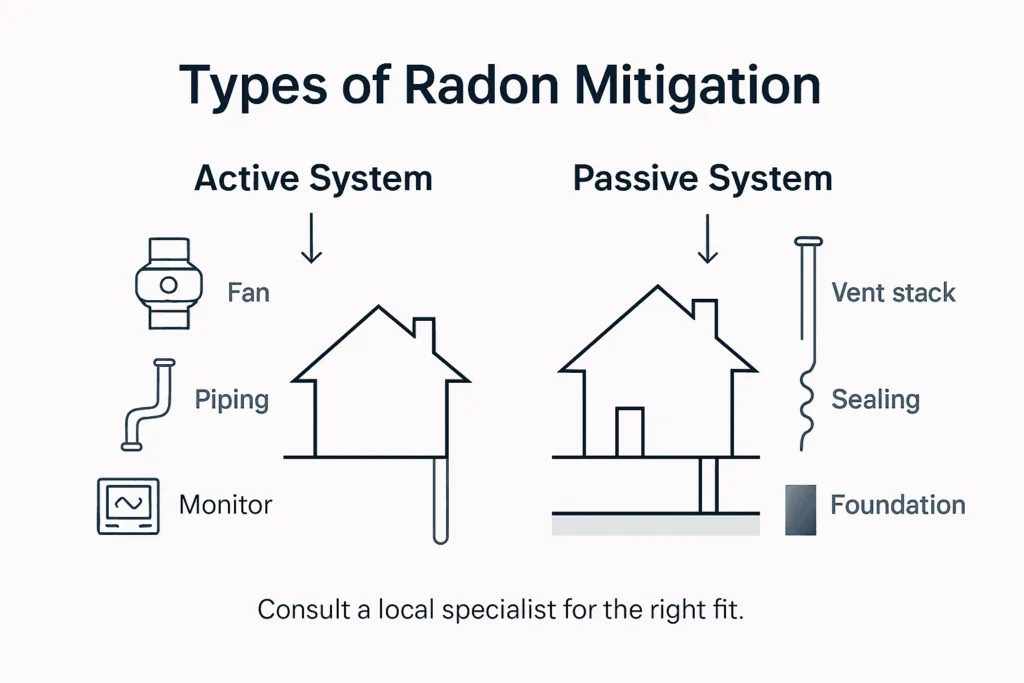
Two primary types of radon mitigation systems exist: active and passive. Active systems utilize mechanical fans to draw radon gas from underneath concrete slabs and redirect it above the roofline, effectively preventing its accumulation inside living spaces. These systems are particularly crucial in areas like Chicago where geological conditions can contribute to higher radon concentrations. Passive systems, by contrast, rely on natural air pressure differentials and ventilation to minimize radon buildup, though they are generally less reliable and efficient.
The most common radon mitigation technique is active soil depressurization, which involves creating a sealed pathway beneath the home’s foundation. By installing perforated pipes connected to a fan system, professionals can effectively extract radon before it enters living spaces. Proper testing before and after installation is critical to ensure the system’s effectiveness, with the goal of reducing indoor radon levels below recommended safety thresholds.
Here’s a side-by-side comparison of active and passive radon mitigation systems:
| System Type | Key Mechanism | Reliability Level | Ideal Applications |
|---|---|---|---|
| Active | Mechanical fan extraction | High, consistent | High radon regions, older foundations |
| Passive | Natural air pressure | Lower, varies with weather | Newer homes, low-to-moderate radon zones |
Pro tip: Hire a certified radon mitigation specialist who understands Chicago’s specific geological and building characteristics to design a customized system for maximum protection.
Types of Radon Mitigation for Chicago Homes
Chicago homeowners have several specialized radon mitigation techniques available, with each approach tailored to the unique foundation and structural characteristics of local residential buildings. Specific mitigation strategies depend on home construction and underlying geological conditions, ensuring targeted and effective radon reduction.
The most common radon mitigation approaches for Chicago homes include:
- Sub-Slab Depressurization: Ideal for homes with concrete slab foundations, this method involves installing perforated pipes beneath the foundation that actively draw radon gas from underneath the home and vent it safely outside.
- Drain-Tile Depressurization: Particularly useful in homes with existing drain tile systems, this technique connects radon extraction pipes directly to the home’s drainage infrastructure.
- Block-Wall Depressurization: Designed for older Chicago homes with hollow concrete block foundations, this method creates negative pressure within wall cavities to prevent radon accumulation.
Comprehensive radon mitigation requires understanding each home’s unique structural characteristics, with professional contractors often combining multiple techniques to achieve optimal results. Factors such as foundation type, soil composition, and home age play critical roles in determining the most effective mitigation strategy for Chicago residences.
Pro tip: Consult a local radon mitigation specialist who understands Chicago’s specific building styles and geological landscape to develop a customized radon reduction plan.
How Radon Reduction Systems Work
Radon reduction systems operate through a sophisticated process of creating negative pressure beneath a home’s foundation, effectively preventing radioactive gas from entering living spaces. The core mechanism involves strategically placed suction points and specialized piping that intercept radon before it can infiltrate a home’s interior.
The primary components of a radon reduction system include:
- Suction Points: Strategically located holes or connections that draw radon-contaminated air from beneath the foundation
- PVC Piping: Specialized pipes that create a continuous pathway for radon gas extraction
- Exhaust Fan: A low-power fan that generates continuous airflow, pushing radon gas above the roofline
- Discharge Vent: An exterior point located well above ground level where radon is safely released into the atmosphere
Advanced radon mitigation systems are designed to optimize performance based on specific home characteristics, taking into account factors such as foundation type, soil composition, and existing structural elements. Professional installers carefully evaluate each home to determine the most effective configuration, which might involve multiple interconnected suction points or specialized sealing techniques to maximize radon gas extraction.
Pro tip: Request a detailed diagnostic assessment from a certified radon mitigation specialist to understand the unique radon dynamics of your specific Chicago home.
Installation, Costs, and Maintenance Factors
Radon mitigation system installation represents a critical investment in home safety for Chicago homeowners, with typical costs ranging between $2,500 and $3,800 depending on the specific characteristics of the home’s foundation and size. Most professional installations can be completed within a single day by certified contractors who specialize in radon reduction techniques.
The key components of installation and cost considerations include:
- Initial Assessment: Professional evaluation of home’s radon levels and foundation structure
- System Design: Customized approach based on home’s unique architectural characteristics
- Installation Complexity: Factors affecting price include:
- Foundation type
- Home square footage
- Accessibility of installation areas
- Number of required suction points
Ongoing maintenance is crucial for ensuring the long-term effectiveness of radon mitigation systems, with most systems requiring periodic professional inspections and potential fan replacements approximately every five to seven years. Homeowners should plan for annual system checks, which typically involve:
Below is a summary of important factors affecting radon system installation and maintenance costs:
| Factor | Impact on Cost | Long-Term Consideration |
|---|---|---|
| Foundation complexity | Higher labor & material fees | May affect future upgrades |
| Home square footage | More piping, higher price | Influences fan sizing requirements |
| System accessibility | Easier access lowers cost | Facilitates routine maintenance |
| Maintenance frequency | Annual checks recommended | Ensures effective radon protection |
- Verifying fan operational status
- Checking warning device functionality
- Conducting follow-up radon level testing
- Inspecting pipe and seal integrity
Pro tip: Schedule a professional system inspection annually and maintain documentation of all maintenance activities to ensure optimal radon protection for your Chicago home.
Legal Requirements and Testing in Illinois
Illinois has established comprehensive legal guidelines to protect residents from potential radon exposure risks, with specific mandates governing radon testing and disclosure during real estate transactions. The state follows stringent Environmental Protection Agency (EPA) recommendations, requiring professional testing and transparent reporting of radon levels to potential property buyers.
Key legal requirements for radon testing in Illinois include:
- Mandatory Disclosure: Sellers must provide radon test results to potential buyers
- Certification Standards: Only certified professionals can conduct official radon measurements
- Action Levels: The state adopts EPA guidelines of 4 picocuries per liter (pCi/L) as the threshold for recommended mitigation
- Testing Protocols: Both short-term and long-term testing methods are recognized for comprehensive assessment
Real estate transactions in Illinois require comprehensive radon testing and documentation, with specific protocols designed to ensure buyer protection. Homeowners and real estate professionals must follow state-approved testing procedures, which involve using certified measurement devices and employing qualified technicians who understand local environmental conditions. Post-mitigation retesting is also strongly recommended to verify the effectiveness of radon reduction efforts.
Pro tip: Request official certification documentation from your radon testing professional and maintain detailed records of all radon-related assessments for future reference and potential property transactions.
Common Mistakes and What to Avoid
Homeowners often make critical errors when addressing radon mitigation that can compromise their home’s safety, potentially leaving their families exposed to dangerous radiation levels. Understanding these common pitfalls is crucial for effective radon management in Chicago homes.
Key mistakes to avoid in radon mitigation include:
- DIY Sealing Attempts: Believing that simply caulking foundation cracks is sufficient for radon reduction
- Unqualified Contractors: Hiring professionals without proper certification or specialized radon mitigation experience
- Inadequate Testing: Conducting only single, short-term tests instead of comprehensive long-term monitoring
- Ignoring System Maintenance: Failing to regularly inspect and maintain installed mitigation systems
Comprehensive radon risk management requires a proactive and systematic approach, with special attention to ongoing monitoring and professional assessment. Homeowners should be particularly cautious about selecting passive mitigation systems in high-radon areas, as these may not provide adequate protection. Professional installation, regular testing, and understanding the unique geological characteristics of your specific Chicago neighborhood are essential for effective radon risk reduction.
Pro tip: Invest in annual professional radon testing and maintain detailed documentation of all mitigation efforts to ensure your home remains a safe environment for your family.
Protect Your Chicago Home with Expert Radon Testing and Mitigation Support
Radon exposure is a hidden danger that can seriously impact your family’s health, especially in Chicago where geological conditions increase risk. The article highlights how proper radon mitigation systems and ongoing testing are essential to ensure safety. Don’t let uncertainty about radon levels or system effectiveness put your home at risk.
Our team at Chicago Home Inspector understands these challenges and offers comprehensive Radon Testing and thorough General Consultations to assess your home’s radon situation accurately. Being licensed, insured, and InterNACHI certified, we provide trusted insights tailored to your specific foundation and structural needs.
Act now to safeguard your family with professional radon evaluation and advice. Schedule your inspection today through our easy online portal at Chicago Home Inspector and take the first step toward a safer home environment.
Frequently Asked Questions
What are radon mitigation systems and how do they work?
Radon mitigation systems are engineering solutions designed to reduce radon gas concentrations in homes. They work by actively removing radon from underneath a home’s foundation and venting it outdoors, often utilizing mechanical fans to prevent its accumulation inside living spaces.
What is the difference between active and passive radon mitigation systems?
Active systems use mechanical fans to continuously draw radon gas from beneath a home’s foundation, ensuring effective and reliable performance. Passive systems rely on natural air pressure differentials and are generally less reliable, making them suitable for low-to-moderate radon zones or newer homes.
How often should I maintain my radon mitigation system?
Regular maintenance is crucial for ensuring the effectiveness of radon mitigation systems. Homeowners should plan for annual inspections and monitor fan functionality, with potential fan replacements needed every five to seven years to ensure optimal performance.
What are the legal requirements for radon testing in real estate transactions?
In Illinois, sellers must disclose radon test results to potential buyers, and only certified professionals can conduct official radon measurements. The state follows the Environmental Protection Agency’s guidelines, recommending mitigation if radon levels exceed 4 picocuries per liter (pCi/L).
Recommended
- What Is Radon and Its Impact on Chicago Homeowners | Chicago Home Inspect LLC
- Radon Health Effects – Risks for Chicago Homebuyers | Chicago Home Inspect LLC
- Radon Testing in Chicago Homes – Why It Matters | Chicago Home Inspect LLC
- Understanding How Does Radon Enter a Home | Chicago Home Inspect LLC