

Buying a 100-year-old home in Chicago comes with a unique charm and architectural richness that newer homes often lack. From original crown moldings to hand-crafted woodwork and historic facades, century homes can feel like stepping into a piece of the city’s past. But behind the character, there may be aging systems and hidden issues that require a close look.
If you’re considering purchasing a historic or century-old home, here’s what you need to know before signing on the dotted line.
Why Century Homes Are Worth Considering
Chicago is home to countless neighborhoods filled with pre-WWI bungalows, greystones, and brick two-flats. These properties often feature:
- Thick plaster walls and solid wood doors
- Vintage tiled bathrooms and original hardwood floors
- Hand-cut stone or brick exteriors
- Unique architectural details not found in modern builds
In short, they have character and craftsmanship that can be hard to find today.
What Makes Inspecting Them Different?
Unlike newer homes, century homes have had a long history of use, updates, and sometimes questionable repairs. A typical home inspection takes on more depth when looking at a 100-year-old property.
Here are key areas where extra attention is critical:
1. Foundation and Structure
- Settling and cracks are common in older masonry or stone foundations.
- Look for signs of sloping floors or door misalignment.
- Water intrusion or past repairs could signal long-term structural issues.
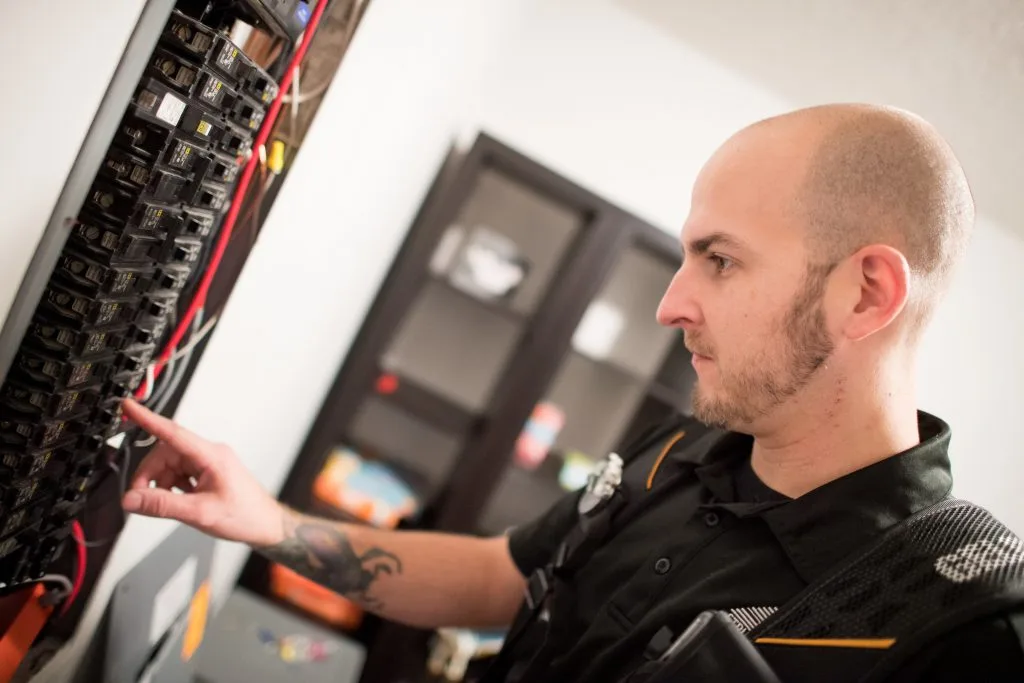
2. Electrical System
- Older homes may have knob-and-tube wiring, aluminum wiring, or a mix of upgrades.
- Insufficient amperage (60A or 100A panels) can be an issue with modern power needs.
- DIY wiring jobs from decades past are surprisingly common.
3. Plumbing
- Cast iron or galvanized steel pipes are likely in use—and likely near the end of their lifespan.
- Check for signs of corrosion, leaks, or low water pressure.
- Main sewer lines may be original and susceptible to tree root intrusion.
4. HVAC Systems
- The ductwork might be retrofitted or poorly routed.
- Boilers and radiators, while durable, may need updating or servicing.
- Lack of central air is common in older homes.
5. Insulation and Ventilation
- Century homes often lack modern insulation in walls and attics.
- Ice dams, high heating bills, and mold risk can stem from poor ventilation.
6. Windows and Doors
- Original wood windows look beautiful but may be drafty and hard to operate.
- Rotted sills and deteriorated glazing compound are common maintenance concerns.
7. Roofing
- Roof decks and framing might not meet current standards.
- Check for multiple layers of shingles or signs of historic leaks.
Lead, Asbestos, and Other Legacy Hazards
Century homes may contain hazardous materials that are no longer used:
- Lead paint was common until the late 1970s.
- Asbestos can be found in insulation, old floor tiles, and even siding.
- Old fuel tanks may still be buried underground.
A thorough inspection should include notes on these risks and refer to specialists when necessary.
Questions to Ask During the Inspection
When walking through a 100-year-old home with your inspector, consider asking:
- Has this home been rewired? If so, when?
- What type of piping is in place, and what’s its condition?
- How old is the roof and HVAC system?
- Are there signs of previous water damage or foundation movement?
- Has the attic or crawlspace been insulated or ventilated recently?
The more you ask, the clearer the picture becomes.
Budgeting for Upgrades
Even if the home has “good bones,” many older homes need updates to meet modern safety and energy standards. Budget for:
- Panel upgrades or rewiring
- Sewer line inspections or replacements
- Window restoration or replacement
- Insulation and air sealing
- Roofing work
Final Thoughts: Don’t Skip the Inspection
Owning a century home in Chicago can be incredibly rewarding—but it comes with responsibility. A detailed home inspection helps ensure you’re not taking on unexpected surprises. Older homes tell stories; a good inspection makes sure they’re stories you want to live with.