
TL;DR:
- Utilities-off inspections in Chicago are limited and can hide serious system issues that affect financing and negotiations.
- Restoring utilities before inspection improves system testing, reveals building conditions, and shortens transaction delays.
A vacant or winterized home inspection is a limited-scope evaluation conducted when gas, electricity, or water service has been shut off or drained from the property. That limitation matters more in Chicago than almost anywhere else in the country. Climate Zone 5 winters push plumbing, heating systems, and building envelopes to their limits, and a home sitting empty through a Chicago february without active utilities can hide serious damage behind an otherwise clean visual inspection. Understanding what inspectors can and cannot test, what local law requires, and how to prepare a property for evaluation gives homeowners and real estate professionals a real advantage in any transaction.
What happens when utilities are off during a home inspection?
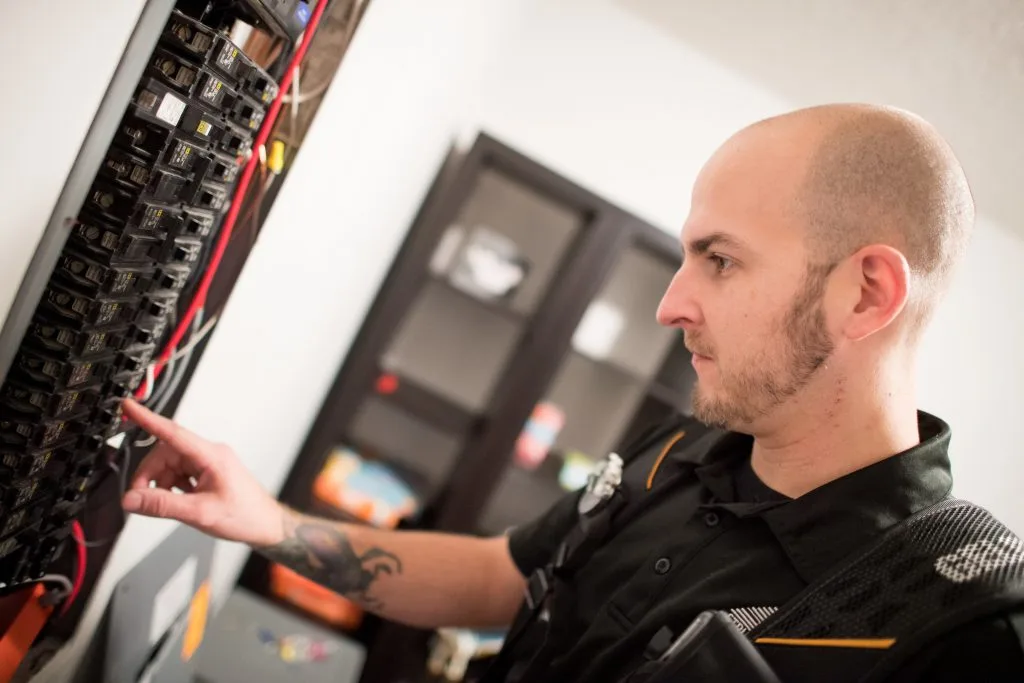
Inspections without active power and water cannot test HVAC systems, plumbing pressure, electrical outlets, or appliances. That is not a minor gap. Those systems represent the largest repair costs in any home and the items lenders scrutinize most closely before approving financing.
The practical impact shows up fast in a transaction. Lenders require operational systems to complete appraisals and underwriting. When an inspector notes “unable to test due to utilities off” across multiple systems, appraisers often flag the property as uninhabitable or uninsurable in its current state. That language can freeze a mortgage approval and push closing timelines back by weeks.
Buyers also read the absence of utilities as a warning sign. Buyers associate no power with hidden defects, and that perception drives lower offers or outright walk-aways. The cost savings from shutting off utilities during a listing period rarely offset the financial damage of a failed deal or a price reduction.
Winter inspections do offer one advantage that warm-weather inspections cannot. Winter conditions reveal heat loss, ice dam formation, and plumbing leaks that stay invisible in summer. A home with the heat running during a cold snap tells an inspector far more about the building envelope than the same home inspected in july.
Pro Tip: Ask the inspector to note every system marked “not tested” in the report. That list becomes your negotiation checklist and your reconnection priority order before closing.
The numbered list below shows the systems most affected when utilities are off, ranked by inspection impact:
- HVAC and furnace — Cannot be cycled or tested for output, safety controls, or carbon monoxide levels.
- Plumbing — Water pressure, drain flow, and fixture function cannot be verified.
- Electrical panels and outlets — Circuit loads, GFCI protection, and outlet function go untested.
- Water heater — Recovery rate and thermostat function cannot be evaluated.
- Built-in appliances — Ranges, dishwashers, and ventilation hoods require power and water to test.
What do Chicago and Illinois law require for utilities in vacant homes?
Chicago and Illinois law set clear standards for utility maintenance, and those standards apply to vacant properties in ways that surprise many sellers and property managers.
The Chicago Heat Ordinance requires landlords to maintain minimum indoor temperatures of 68°F during the day and 66°F at night from september 15 through june 1. Non-compliance carries fines of $500 to $1,000 per day per violation. That range covers most of the Chicago real estate transaction season, which means a vacant rental property sitting cold during a listing period is already a code violation.
At the state level, Illinois law 220 ILCS 5/8-206 prohibits heating service disconnections between december 1 and march 31. The prohibition also applies whenever temperatures are forecast to drop below freezing or rise above 95°F. That law covers primary heating utilities and creates a legal floor below which no property owner can drop service, regardless of vacancy status.
Key compliance points for Chicago-area property owners:
- The Heat Ordinance applies to rental units, not owner-occupied single-family homes, but code enforcement can still inspect vacant buildings for unsafe conditions.
- Illinois utility shutoff protections apply to the utility provider’s ability to disconnect, not to a property owner’s choice to stop paying. Owners can still choose to shut off service voluntarily, but they accept full liability for resulting damage.
- Emergency code inspections can be triggered by neighbor complaints, real estate agent reports, or visible exterior conditions like frozen pipes or ice dams.
- Fines accumulate daily. A property sitting cold for two weeks during a Chicago winter can generate $7,000 to $14,000 in fines before the owner receives a hearing date.
Landlords must maintain essential services per Chicago and Illinois law or face emergency code inspections and financial penalties. The Heat Ordinance is actively enforced, and vacant properties are not exempt from its requirements.
How do you prepare a winterized home for inspection?
Preparation before an inspection of a winterized property determines how useful the final report will be. The goal is to give the inspector as much testable access as possible, even when full utility restoration is not practical before the inspection date.
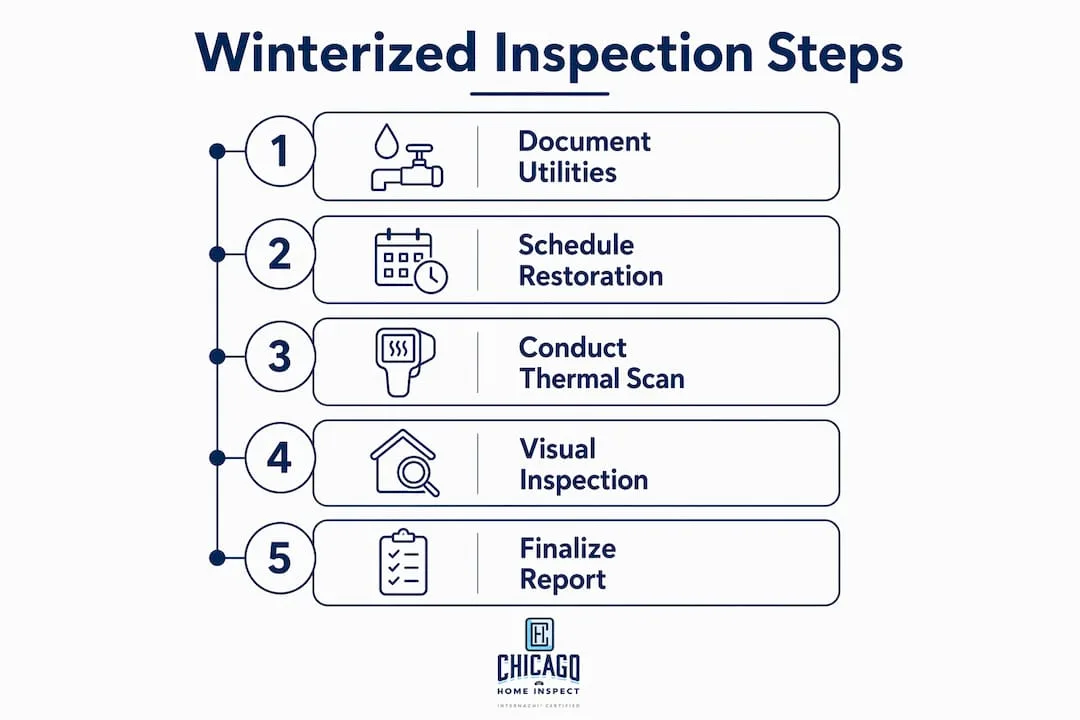
The first step is documentation. Sellers and property managers should compile written records of when utilities were shut off, what winterization steps were taken, and which systems were drained or treated. That documentation tells the inspector what to expect and protects the seller from liability if a system fails during de-winterization. A pre-listing inspection conducted before winterization captures baseline system conditions and gives buyers confidence that the property was evaluated while systems were operational.
| Preparation step | Benefit to inspection | Timing |
|---|---|---|
| Restore utilities 24 hours before inspection | Allows HVAC, plumbing, and electrical testing | Day before inspection |
| Run heat for 24+ hours before inspection | Enables thermal imaging and HVAC load testing | 24 hours prior |
| Document winterization measures in writing | Reduces inspector liability notes | Before listing |
| Schedule a pre-listing inspection | Captures system condition before shutdown | Before winterization |
| Coordinate with inspector on known limitations | Allows scope adjustment and follow-up planning | At booking |
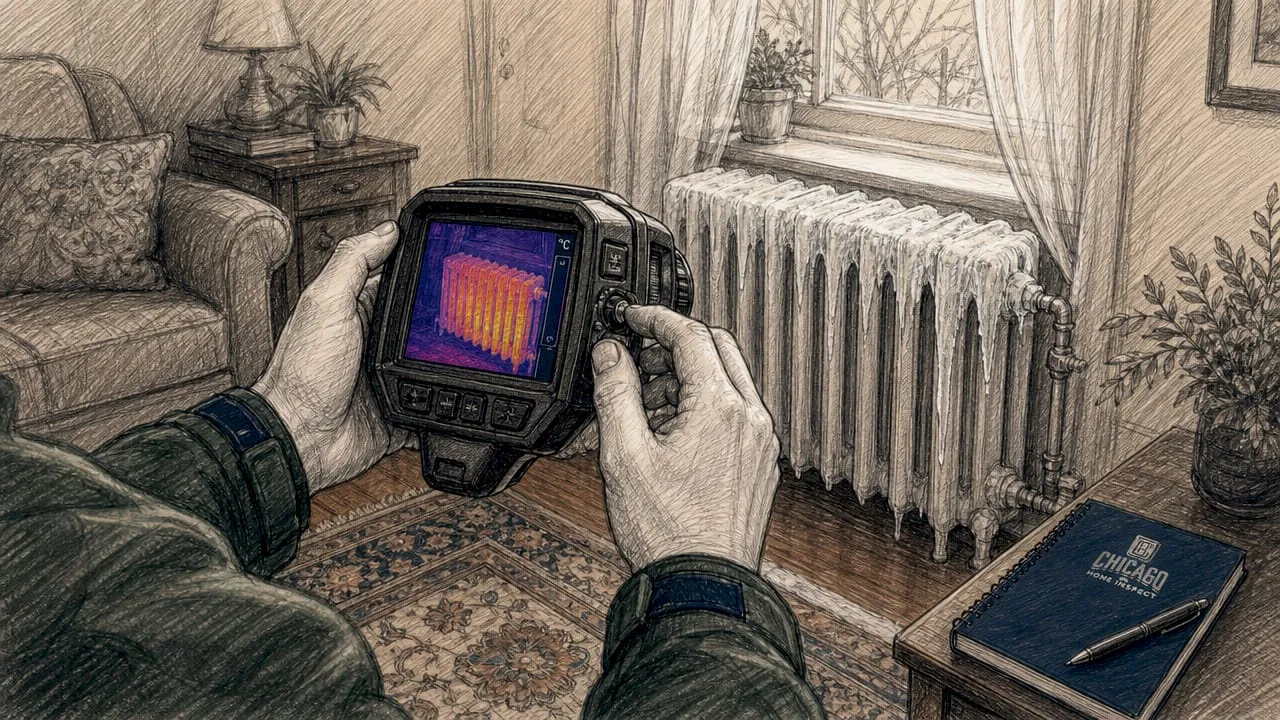
Thermal imaging is the most useful tool available when utilities cannot be restored before inspection. Thermal imaging detects heat loss through walls, ceilings, and floors even without active HVAC, provided outdoor temperatures are cold enough to create a differential. In Chicago winters, that condition is almost always met from november through march.
Pro Tip: Schedule utility restoration for the morning before the inspection, not the day of. Gas meters and electric meters often require a physical technician visit, and same-day appointments are rarely available from ComEd or Peoples Gas.
Sellers preparing a vacant property for sale should also consider home value improvements that are visible during a visual inspection even when systems are off. Flooring, trim, and interior finishes communicate care and maintenance to buyers and inspectors alike.
How do reconnection delays affect real estate closings?
Utility reconnection timelines are the most underestimated risk in transactions involving vacant or winterized properties. Reconnection typically takes 24–48 hours after a service request, and that window assumes meter access is available and no repairs are needed before restoration.
The real danger is the mortgage rate lock. Most rate locks run 30 to 60 days. When a utility reconnection delays the inspection, which delays the appraisal, which delays underwriting, buyers can find themselves facing rate lock expiration right before closing. Extending a rate lock costs money, and in a rising rate environment, the difference between the locked rate and the current rate can be significant.
Strategies to protect the closing timeline:
- Contact ComEd, Peoples Gas, and the Chicago Department of Water Management at least one week before the scheduled inspection to confirm reconnection availability.
- Build a five-business-day buffer between the utility restoration request and the inspection date.
- Notify the buyer’s lender immediately when utility restoration is delayed so the underwriter can adjust the appraisal timeline.
- Request a written inspection contingency extension in the purchase contract if reconnection cannot happen before the original inspection date.
- Consider a sewer line inspection as a standalone service that does not require active utilities, giving buyers one verified system before full reconnection.
Even properly winterized homes can have residual water frozen in plumbing low points. That frozen water cracks pipes, and cracked pipes require repair before water service can be safely restored. That repair adds days or weeks to the reconnection timeline and can push a closing past the rate lock expiration date.
The Chicago real estate market moves fast, especially in spring. A two-week delay caused by a frozen pipe in a Logan Square two-flat or a Northwest Side bungalow can cost a buyer their rate lock and cost a seller their buyer.
Our take on inspecting vacant homes in Chicago
We have inspected vacant and winterized properties across Lake, McHenry, DuPage, and northern Cook Counties, and the pattern we see most often is sellers underestimating what a utilities-off inspection actually costs them. The report comes back with a long list of “unable to test” notations, the buyer gets nervous, and the negotiation shifts entirely in the buyer’s favor. That outcome is almost always avoidable.
The most effective thing a seller can do is restore utilities before the inspection, even briefly. We have seen transactions where the seller paid two months of utility bills on a vacant property and recovered that cost many times over in a cleaner inspection report and a stronger offer. Transparency about utility status builds buyer trust. Hiding it, or hoping the buyer won’t notice the limitations, does the opposite.
We also recommend pre-listing inspections for any property that has been vacant for more than 90 days. Chicago winters are hard on buildings. Freeze-thaw cycles attack masonry, attic condensation builds up without active climate control, and latent moisture damage stays hidden until a follow-up inspection after utilities are restored. Getting ahead of those findings before listing protects the seller’s negotiating position and shortens the transaction timeline.
— Chicago Home Inspect LLC
Chicago Home Inspect LLC serves vacant and winterized properties
Chicago Home Inspect LLC is InterNACHI Certified, BBB Accredited, and licensed and insured to serve Lake, McHenry, DuPage, and northern Cook Counties. We work with homeowners and real estate professionals on inspections of vacant, winterized, and occupied properties, and our reports clearly document which systems were tested and which were not, so buyers and lenders have an accurate picture of the property’s condition. Our interior inspection photo library shows the level of detail we bring to every evaluation, including properties where utility limitations require a focused visual and thermal approach. Weekend appointments are available. Contact us to schedule before your next listing goes live.
FAQ
Can a home be inspected with utilities off?
A home can be inspected with utilities off, but the scope is limited to visual and accessible components. Systems like HVAC, plumbing, and electrical outlets cannot be tested without active utilities, and those limitations appear in the inspection report.
How long does utility reconnection take in Chicago?
Utility reconnection in Chicago typically takes 24–48 hours after a service request, assuming meter access is available. Gas reconnection through Peoples Gas and electric reconnection through ComEd both require a technician visit, which is not always available same-day.
Does the Chicago Heat Ordinance apply to vacant properties?
The Chicago Heat Ordinance primarily targets rental units, but vacant buildings can still face code enforcement action for unsafe conditions. Fines run $500 to $1,000 per day per violation and accumulate quickly during winter months.
What is the biggest risk of inspecting a winterized home?
The biggest risk is missing hidden damage. Frozen water in plumbing low points can crack pipes even in properly winterized homes, and latent moisture or mold damage stays undetected without climate control during the inspection.
Should sellers restore utilities before a home inspection?
Sellers should restore utilities before a home inspection whenever possible. Buyers associate utility-off inspections with hidden defects, and the cost of maintaining service is almost always less than the price reduction or deal failure that follows a limited inspection report.