Over 80 percent of american homeowners report feeling anxious before a home inspection. Whether you are selling a classic brownstone in Lincoln Park or a modern condo in Bucktown, the process can seem complex and stressful. Knowing how to organize documents, address repairs, and prepare your home thoughtfully gives you a real advantage. This guide breaks down each step so you can confidently welcome your inspector and show your property in the best possible light.
Table of Contents
- Step 1: Organize Essential Documents and Disclosures
- Step 2: Address Minor Repairs and Maintenance Tasks
- Step 3: Ensure Clear Access to All Inspection Areas
- Step 4: Test Home Systems and Utilities for Functionality
- Step 5: Review the Property with Your Real Estate Agent
Quick Summary
| Key Point | Explanation |
|---|---|
| 1. Organize Essential Documents | Gather maintenance records, repair receipts, and warranties to streamline the home inspection process. |
| 2. Address Minor Repairs | Fix small maintenance issues to prevent red flags during the inspection, enhancing your home’s appeal. |
| 3. Ensure Clear Access | Remove obstacles from inspection areas to facilitate thorough evaluation by the inspector. |
| 4. Test Home Systems | Verify all utilities and home systems are operational before the inspection to demonstrate proactive maintenance. |
| 5. Collaborate with Your Agent | Review inspection findings with your real estate agent to understand implications and strategize next steps. |
Step 1: Organize Essential Documents and Disclosures
Preparing your home inspection documents helps streamline the entire process and demonstrates your commitment to transparency. According to CREIA, gathering all property related records will facilitate a smooth inspection.
Start by collecting a comprehensive file that includes all maintenance records, repair receipts, home improvement documentation, and warranty information. Pull together everything from electrical work permits to roof replacement invoices, and organize them chronologically. Focus on documents from the past 5 to 10 years that show how well you’ve maintained the property. Pro tip: create both a physical folder and a digital backup of these documents in case an inspector wants to review specific paperwork.
In Chicago neighborhoods like Lincoln Park or Wicker Park, where home values can vary significantly, having thorough documentation can actually strengthen your position during an inspection. Keep your records neat, accessible, and comprehensive. Your home inspector from Chicago Home Inspect LLC will appreciate the preparedness and it could help expedite the overall inspection process.
Next, you’ll want to compile any relevant disclosure statements about the home’s condition, which we’ll cover in the upcoming section.
Step 2: Address Minor Repairs and Maintenance Tasks
Preparing for a home inspection means tackling those small maintenance issues that could raise red flags during the evaluation. According to NACHI, sellers should proactively address minor maintenance problems to prevent potential delays during the home inspection.
Start by walking through your home with a critical eye and a notepad. Look for simple fixes like tightening loose door handles, replacing burnt out light bulbs, repairing leaky faucets, and patching small wall cracks. In Chicago neighborhoods like Wrigleyville or Bucktown, where homes can range from vintage walkups to modern condos, these small details matter. Check all electrical outlets to ensure they work properly, test window and door locks, and make sure cabinet hinges are secure. A smooth functioning home suggests overall good maintenance to your inspector from Chicago Home Inspect LLC.
One pro tip for Chicago homeowners: create a simple repair checklist and systematically work through each item. This approach not only prepares you for the inspection but also helps you identify potential larger issues that might need professional attention. By addressing these minor repairs preemptively, you demonstrate responsible homeownership and increase the likelihood of a smooth inspection process.
After completing these maintenance tasks, you will be well prepared for the next step in your home inspection preparation.
Step 3: Ensure Clear Access to All Inspection Areas
Preparing for a home inspection requires strategic planning to give your inspector unobstructed access to every critical area of your property. According to NACHI, sellers must remove items blocking access to key systems like HVAC equipment, electric service panels, water heaters, attics, and crawl spaces to facilitate a thorough evaluation.
Start by systematically clearing pathways and moving stored items away from important inspection zones. In older Chicago neighborhoods like Logan Square or Pilsen, where homes might have unique layouts or storage challenges, this becomes even more crucial. Focus on creating clear access to electrical panels, furnace rooms, water heaters, basement areas, attics, and exterior spaces. Remove boxes, furniture, stored belongings, and any large objects that might prevent your inspector from Chicago Home Inspect LLC from reaching essential components. Remember that inspectors need physical space to examine systems thoroughly and safely.
One helpful strategy is to create a “staging area” where you can temporarily relocate items during the inspection. Walk through your home with a critical eye and imagine yourself as the inspector. Would you have full mobility to examine every nook and cranny? Pro tip: take measurements of tight spaces like crawl spaces or attic entrances and ensure there are no obstructions that could limit an inspector’s ability to conduct a comprehensive assessment.
With access routes cleared and systems exposed, you are now ready for the next critical phase of home inspection preparation.
Step 4: Test Home Systems and Utilities for Functionality
Preparing for a comprehensive home inspection means ensuring all your home systems are operational and ready for evaluation. According to CREIA, sellers should verify that all utilities are on, pilot lights are lit, and critical systems like water heaters and furnaces are accessible and fully functional.
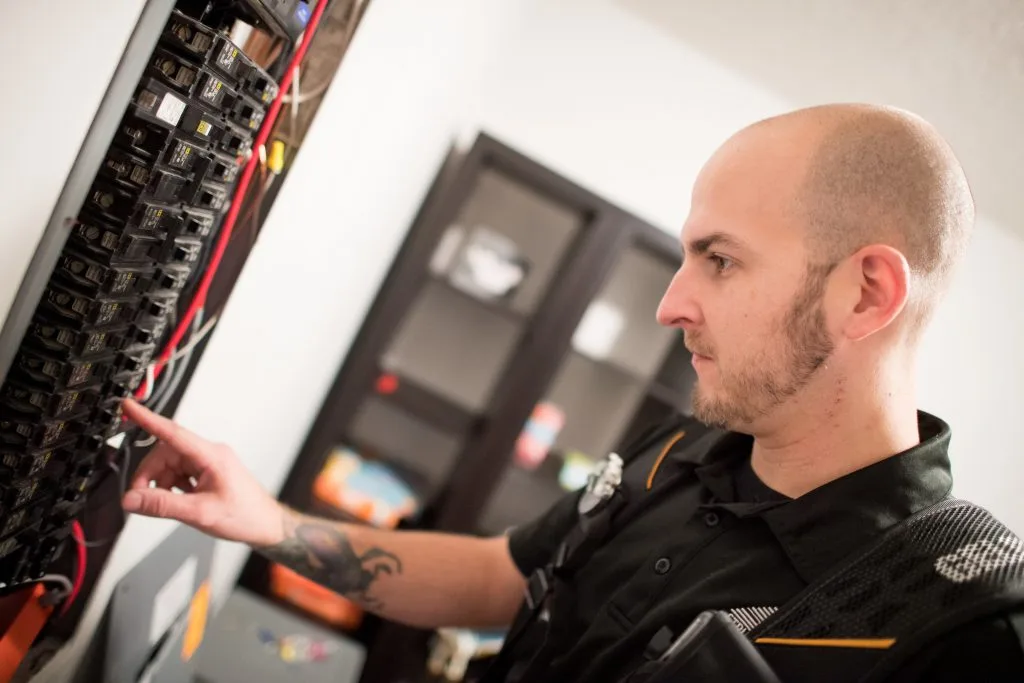
In Chicago neighborhoods like Bucktown and Wrigleyville, where homes range from vintage walkups to modern condos, systematic testing is crucial. Start by checking electrical systems by testing every outlet and light switch. Confirm your circuit breakers are clearly labeled and accessible. For gas appliances, ensure pilot lights are burning and that all connections appear secure. Test your water heater by running hot water from multiple faucets to verify consistent temperature and flow. Check your HVAC system by running both heating and cooling modes to demonstrate proper functionality. Your inspector from Chicago Home Inspect LLC will appreciate a home that shows proactive maintenance and operational readiness.
One pro tip for Chicago homeowners: create a quick checklist of all home systems you plan to demonstrate during the inspection. This might include running dishwashers, garbage disposals, bathroom exhaust fans, and checking that all major appliances power on. Taking these steps not only helps your inspection go smoothly but also gives you confidence that your home systems are in good working order.
With your home systems tested and verified, you are now prepared for a thorough and successful home inspection.
Step 5: Review the Property with Your Real Estate Agent
Navigating the home inspection process requires strategic collaboration with your real estate agent to fully understand the property’s condition. According to Consumer Financial Protection Bureau, buyers should actively attend the inspection to comprehensively understand the property and discuss potential issues with their agent.
In Chicago neighborhoods like Lincoln Park or Wicker Park, where home styles range from historic greystone buildings to modern condos, having a knowledgeable agent by your side becomes crucial. Schedule a detailed walkthrough with your real estate professional immediately after the Chicago Home Inspect LLC inspection. Review each finding together, focusing on major and minor issues that could impact the home’s value or require future repairs. Pay special attention to structural concerns, potential safety hazards, and systems that might need immediate or future maintenance.
Your agent can help translate technical inspection language into practical insights about negotiation strategies and repair considerations.
One pro tip for Chicagoland home buyers: prepare a list of questions before meeting with your agent. Ask about the severity of each identified issue, potential repair costs, and whether these findings might warrant renegotiating the purchase price or requesting seller repairs. By approaching the inspection review systematically and collaboratively, you transform a potentially stressful experience into an informed decision making process.
With a comprehensive review completed, you are now ready to determine your next steps in the home buying journey.
Prepare Confidently for Your Home Inspection with Expert Help
The article highlights the challenge of thoroughly preparing for a home inspection by organizing documents, making repairs, clearing access, testing systems, and reviewing findings with your agent. These important steps can feel overwhelming when you want to ensure a smooth inspection and avoid surprises that might delay your home purchase or sale. You may worry about overlooked maintenance, unclear disclosures, or inaccessible inspection areas. These concerns can create stress and uncertainty just when you need confidence the most.
Our licensed and insured home inspection services at Chicago Home Inspect LLC are designed to ease that burden. We offer detailed buyer pre-purchase inspections and seller pre-listing inspections that catch issues early and provide the transparency you need. Our InterNACHI-certified inspectors carefully evaluate your home systems, help verify your maintenance efforts, and point out any areas needing attention before the official inspection. Acting now can save you time and costly repairs down the line.
Take control of the inspection process and avoid unwanted surprises. Schedule your comprehensive home inspection with us today at Chicago Home Inspector. Visit our page to book a convenient appointment and start your journey with confidence and peace of mind.
Frequently Asked Questions
How can I organize essential documents for a home inspection?
To organize essential documents, gather all maintenance records, repair receipts, and warranty information related to the property. Create both a physical folder and a digital backup for easy access during the inspection process.
What minor repairs should I address before the home inspection?
Address minor repairs like tightening loose doorknobs, replacing burnt-out light bulbs, and fixing leaky faucets. Completing these small tasks demonstrates responsible homeownership and can create a better impression during the inspection.
How do I ensure clear access to all inspection areas?
Clear access to all essential inspection areas by removing items blocking HVAC equipment, electrical panels, and water heaters. Organize your home so that the inspector has unobstructed pathways to these critical systems, which can help facilitate a smooth evaluation.
What systems should I test for functionality before the inspection?
Test all home systems, including electrical outlets, water heaters, and HVAC units, to ensure they are operational. During this process, confirm that pilot lights are lit and systems are functioning properly to prevent any surprises during the inspection.
How should I prepare to review the inspection results with my real estate agent?
Prepare a list of questions for your real estate agent about the inspection findings, focusing on the severity of issues and potential repair costs. Schedule a detailed walkthrough to discuss each aspect thoroughly, ensuring you understand the implications for your home purchase.
Why is it important to collect disclosure statements before the inspection?
Collecting disclosure statements is vital as it provides transparency about the home’s condition and informs the inspector about known issues. This preparation can help streamline the inspection process and build trust with potential buyers.
Recommended
- End of Inspection Checklist: Essential Steps for Home Buyers | Chicago Home Inspect LLC
- Seller Inspection Checklist for Chicagoland Home Buyers | Chicago Home Inspect LLC
- Pre-Listing Inspection Tutorial: Ensure Your Home is Ready | Chicago Home Inspect LLC
- Understanding Seller Responsibilities During Inspection | Chicago Home Inspect LLC