
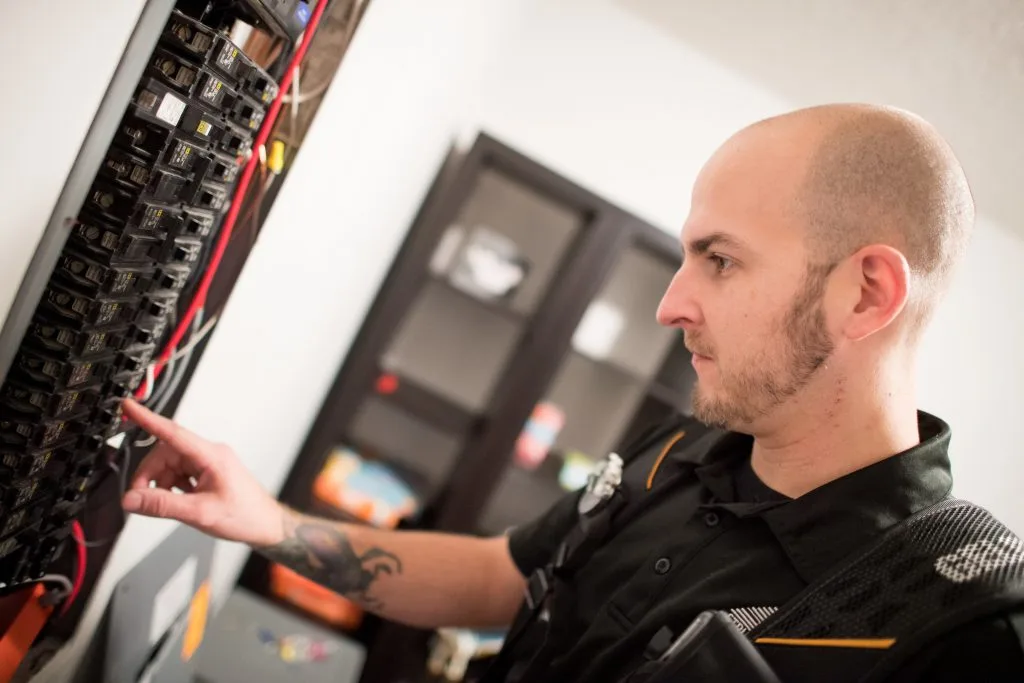
Buying or selling a home in Chicago involves one of your biggest financial decisions. Without a thorough home inspection, you risk overlooking hidden defects that could cost thousands in repairs or compromise safety. The Chicago market presents unique challenges, from older housing stock to varied construction standards across neighborhoods. This guide shows you exactly how to find, verify, and hire a qualified home inspector who protects your investment and gives you confidence in your real estate transaction.
Table of Contents
- Understanding The Role And Requirements Of Home Inspectors In Chicago
- How To Prepare Before Choosing Your Home Inspector
- Step-By-Step Guide To Finding And Hiring A Qualified Home Inspector In Chicago
- Interpreting Inspection Results And Next Steps For Buyers And Sellers
- Choose Chicago Home Inspect LLC For Expert Inspections
Key takeaways
| Point | Details |
|---|---|
| Licensed inspectors matter | 38 states require home inspector licensing, referencing ASHI or InterNACHI standards for professional credibility. |
| Certification differences count | ASHI demands 250 inspections and peer review while InterNACHI requires ongoing education, both ensuring thorough evaluations. |
| Cost impacts negotiations | Typical Chicago inspection costs range $300-$600, and findings often influence price reductions by $5,000-$15,000. |
| Technology improves detection | Advanced tools like thermal imaging detect defects up to 20% better than visual inspection alone. |
| Process matters | Following a clear verification and hiring process ensures you select an inspector who meets Chicago market needs. |
Understanding the role and requirements of home inspectors in Chicago
Illinois requires home inspectors to hold proper state licensing, which ensures they meet minimum professional standards. This licensing protects you by verifying that inspectors understand building systems, safety codes, and local construction practices. When you work with reliable home inspectors in Chicago, you gain access to professionals who navigate the city’s diverse housing inventory confidently.
Two major certifications dominate the industry: ASHI (American Society of Home Inspectors) and InterNACHI (International Association of Certified Home Inspectors). ASHI membership requires passing the NHIE, completing 250 inspections, and undergoing peer review, while InterNACHI requires passing their exam and maintaining ongoing education. Both organizations set rigorous inspection standards that cover structural integrity, electrical systems, plumbing, HVAC, and safety hazards.
The key differences between these certifications affect how inspectors approach their work:
- ASHI emphasizes field experience and peer accountability, requiring inspectors to demonstrate extensive hands-on expertise before certification
- InterNACHI focuses on continuous education and provides marketing support, helping inspectors stay current with evolving building technologies
- Both certifications ensure inspections address critical safety elements like carbon monoxide risks, foundation issues, and electrical hazards
- Certified inspectors follow standardized reporting formats that make findings clear and actionable for buyers and sellers
As of 2024, 38 states require home inspector licensing, creating a baseline of accountability that protects consumers. Illinois stands among these states, requiring inspectors to maintain active licenses and adhere to professional standards. This regulatory framework means you can verify credentials through state databases and confirm your inspector meets legal requirements.
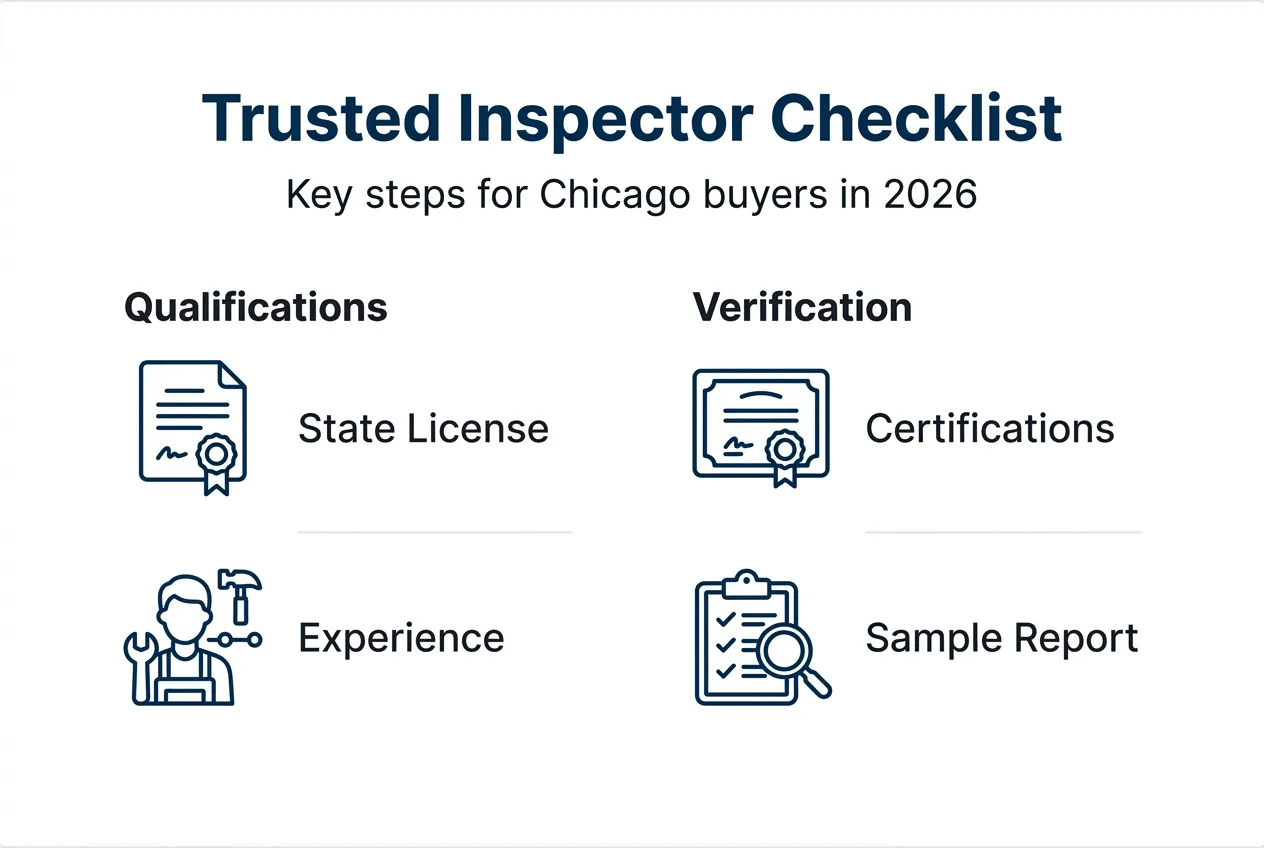
Pro Tip: Always ask potential inspectors about their certification status and request their license number. Legitimate professionals provide this information readily and welcome questions about their qualifications.
How to prepare before choosing your home inspector
Before you start contacting inspectors, understanding the financial landscape helps you budget appropriately and avoid surprises. Home inspection costs in Chicago typically range from $300-$600 depending on the property size, age, and inspection scope. Larger homes or those requiring specialized testing like radon or mold add to the base cost.
Inspection results carry significant weight in real estate negotiations. Inspection findings commonly impact negotiation values by $5,000-$15,000 in Chicago, giving you leverage to request repairs, credits, or price reductions. Understanding this potential impact helps you see the inspection not as an expense but as a strategic investment that often pays for itself many times over.
Your inspection needs vary depending on your role in the transaction:
- Buyers benefit from pre-purchase inspections that reveal defects before closing, protecting against costly surprises and providing negotiation ammunition
- Sellers gain advantage through pre-listing inspections that identify issues early, allowing proactive repairs and smoother transactions
- Both parties should consider the home inspection cost in Chicago relative to the property value and potential repair expenses
- Customized packages may include specialized testing for radon, mold, or structural concerns specific to older Chicago properties
The role of home inspection in selling extends beyond identifying problems. Sellers who address issues before listing often achieve faster sales and higher prices because buyers feel more confident. Conversely, buyers who skip inspections risk inheriting expensive problems that could have been negotiated or avoided entirely.
Pro Tip: Set aside 3-5% of your home’s purchase price as a repair contingency fund. This buffer gives you flexibility to address inspection findings without derailing your closing timeline or stretching your budget too thin.
Step-by-step guide to finding and hiring a qualified home inspector in Chicago
Finding the right inspector requires a systematic approach that verifies credentials and ensures quality. Follow these steps to identify and engage a professional who meets your needs:
- Research certified inspectors holding ASHI or InterNACHI credentials through their member directories or local referrals from trusted real estate professionals
- Verify licensing status through Illinois state databases to confirm inspectors maintain current, valid licenses without disciplinary actions
- Confirm inspection scope meets or exceeds ASHI/InterNACHI standards by requesting sample reports and asking about systems covered during typical evaluations
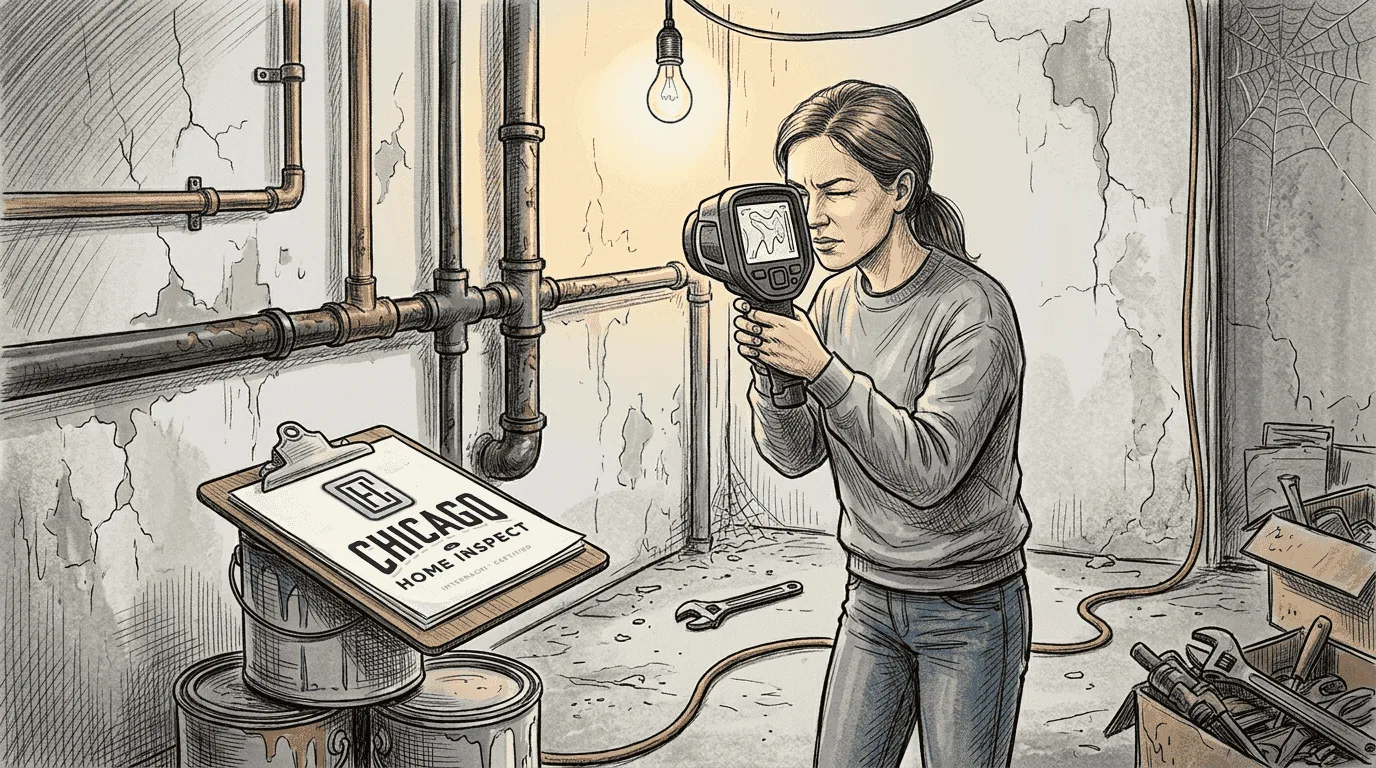
- Ask about advanced diagnostic tools like thermal imaging cameras, moisture meters, and radon testing equipment that enhance defect detection
- Schedule your inspection with enough lead time before closing to allow for negotiations and follow-up evaluations if needed
- Plan to attend inspection day so you can ask questions, understand findings in real time, and learn about your future home’s maintenance needs
- Request a detailed written report with photos that documents all findings clearly and provides actionable recommendations
The demand for home inspectors is growing, creating a competitive market where quality varies significantly. This growth means you have options but must carefully evaluate each inspector’s qualifications and approach.
Advanced technology makes a measurable difference in inspection quality. Advanced technology like thermal imaging detects defects up to 20% better than visual inspection alone, revealing hidden moisture intrusion, insulation gaps, and electrical hot spots that predict future failures. Ask potential inspectors whether they use these tools as standard practice or charge extra for enhanced services.
| Inspector Qualification | Why It Matters | How to Verify |
|---|---|---|
| Active Illinois License | Ensures legal compliance and minimum competency standards | Check state licensing database online |
| ASHI or InterNACHI Certification | Confirms adherence to industry standards and ongoing education | Request certification number and verify through organization websites |
| Errors and Omissions Insurance | Protects you if inspector misses significant defects | Ask for proof of current coverage |
| Local Market Experience | Understands Chicago-specific issues like older infrastructure and climate challenges | Ask about years servicing Chicago area and typical properties inspected |
| Technology Use | Improves defect detection accuracy and report quality | Inquire about thermal imaging, moisture detection, and digital reporting capabilities |
Pro Tip: Review a home inspection sample report before hiring. This preview shows you how the inspector communicates findings and whether their reporting style matches your need for detail and clarity.
Interpreting inspection results and next steps for buyers and sellers
Once your inspection concludes, understanding the report determines how effectively you use the findings to protect your interests. Professional reports categorize defects by severity, distinguishing between safety hazards requiring immediate attention and minor maintenance items you can address over time.
Typical reports include detailed descriptions, photos, and recommendations for each finding. The severity classifications help you prioritize responses:
- Safety hazards like faulty electrical wiring or structural instability demand immediate attention and provide strong negotiation leverage
- Major defects such as roof failures or HVAC system problems justify repair credits or price reductions
- Minor maintenance issues like worn weatherstripping or cosmetic concerns carry less weight but still inform your decision
- Deferred maintenance items signal how well previous owners cared for the property and predict future repair needs
Inspection reports influence price reductions from $5,000 to $15,000 depending on defect severity and local market conditions. Understanding how the inspection report impacts price helps you approach negotiations strategically rather than emotionally.
| Buyer Next Steps | Seller Next Steps |
|---|---|
| Review report thoroughly and highlight items for negotiation | Address major safety and structural issues before they become deal breakers |
| Request repair credits or price reductions for significant defects | Obtain repair estimates and choose cost-effective solutions |
| Consider hiring specialists for detailed evaluation of major concerns | Provide documentation of completed repairs to reassure buyers |
| Negotiate inspection contingency terms that protect your interests | Be prepared to offer credits if repairs aren’t feasible before closing |
| Plan for future maintenance based on inspector’s recommendations | Use findings to adjust listing price realistically if needed |
Common mistakes undermine effective use of inspection findings:
- Demanding repairs for every minor item overwhelms sellers and risks souring negotiations
- Ignoring maintenance recommendations leads to costlier repairs down the road
- Failing to obtain specialist evaluations for major concerns leaves you vulnerable to hidden costs
- Accepting seller repairs without verifying quality or completion creates future headaches
- Missing deadlines for inspection contingencies removes your negotiation leverage
Handling inspection findings effectively requires focusing on items that affect safety, value, and livability. Cosmetic issues rarely justify major concessions, while structural or system failures warrant serious attention. Review the inspection sample report format to understand how findings translate into actionable decisions.
Choose Chicago Home Inspect LLC for expert inspections
When you need a qualified inspector who understands Chicago’s unique housing challenges, Chicago Home Inspect LLC delivers the expertise and thoroughness you deserve. Our InterNACHI certified, licensed inspectors bring years of local market experience to every evaluation, whether you need pre-purchase inspections in Chicago or seller pre-listing services.
We provide comprehensive reports featuring detailed interior home inspection photos that document every finding clearly. Our custom inspection packages address your specific concerns, from radon and mold testing to yearly home checkups that protect your investment long after closing. Weekend availability and flexible scheduling fit your timeline, making it easy to schedule an inspection that works for you.
FAQ
How do I verify a home inspector is licensed in Chicago?
Check the Illinois Department of Financial and Professional Regulation website where you can search active licenses by name or number. Licensed inspectors readily provide their credentials when asked. You can also verify ASHI or InterNACHI membership through their organization websites, which maintain searchable directories of certified members.
How much does a home inspection typically cost in Chicago?
Chicago inspection costs range from $300-$600 depending on property size, age, and inspection scope. Larger homes or those requiring specialized testing like radon or mold increase the total cost. This investment typically pays for itself through negotiated repairs or price reductions that often total thousands of dollars.
What is the difference between ASHI and InterNACHI certification?
ASHI requires passing the NHIE, completing 250 inspections, and undergoing peer review, emphasizing extensive field experience. InterNACHI requires passing their exam and maintaining ongoing education, focusing on continuous learning and marketing support. Both certifications ensure inspectors follow rigorous standards covering all major home systems and safety concerns.
What should I look for in a home inspection report?
Look for detailed descriptions, clear photos, defect severity classifications, and specific repair recommendations in your home inspection sample report. The report should distinguish between safety hazards requiring immediate attention and minor maintenance items you can address over time. Understanding how issues affect safety, property value, and your negotiation position helps you make informed decisions about proceeding with the purchase or adjusting your offer.
Can a home inspection report help lower the sale price?
Yes, inspection findings commonly impact negotiation values by $5,000-$15,000 in Chicago depending on defect severity. Your inspection report impacts price by providing documented evidence of necessary repairs that justify credits or reductions. The leverage varies based on local market conditions, with buyer’s markets offering more negotiation power than competitive seller’s markets.
How does thermal imaging improve inspection accuracy?
Thermal imaging cameras detect temperature variations that reveal hidden moisture intrusion, insulation gaps, electrical hot spots, and HVAC inefficiencies invisible to visual inspection. This technology detects defects up to 20% better than standard methods, helping inspectors identify problems before they cause obvious damage. The enhanced detection protects you from costly surprises and provides comprehensive understanding of your property’s condition.