

Did you know that over 40 percent of fireplace failures in older homes are linked to hidden structural issues with lintels? Many Chicago homeowners overlook this crucial support, yet its condition quietly affects both safety and your home’s long-term strength. If you want peace of mind every time you light a fire, understanding fireplace lintels and their maintenance can help you prevent costly repairs and protect your family.
Key Takeaways
| Point | Details |
|---|---|
| Fireplace Lintels are Essential | They support the chimney and masonry, preventing structural collapse and ensuring safety. |
| Various Materials Serve Different Needs | Common lintel materials include steel, concrete, stone, brick, and timber, each with unique strengths and limitations. |
| Regular Inspections are Critical | Annual inspections help identify and mitigate potential lintel issues before they escalate into costly repairs. |
| Follow Building Codes for Safety | Adhering to local building codes, such as those set by the NFPA, ensures your fireplace installation meets safety standards. |
Table of Contents
- Defining Fireplace Lintels And Their Purpose
- Common Types And Materials Of Fireplace Lintels
- Installation Requirements And Building Codes
- Fireplace Lintel Inspections And Warning Signs
- Common Fireplace Lintel Issues And Solutions
Defining Fireplace Lintels and Their Purpose
When you’re exploring your new Chicago home, one structural component that might go unnoticed is the fireplace lintel – a critical architectural element that plays a massive role in your fireplace’s safety and stability. According to research from AO Handy Inc., a fireplace lintel is a horizontal beam positioned across the top of a fireplace opening, serving multiple crucial functions in maintaining your home’s structural integrity.
Think of the fireplace lintel like a hidden superhero in your home’s architecture. Its primary responsibilities include:
- Supporting the weight of the chimney and surrounding masonry
- Preventing potential structural collapse
- Protecting internal fireplace components from extreme temperatures
- Ensuring proper draft and ventilation
- Maintaining overall fireplace structural stability
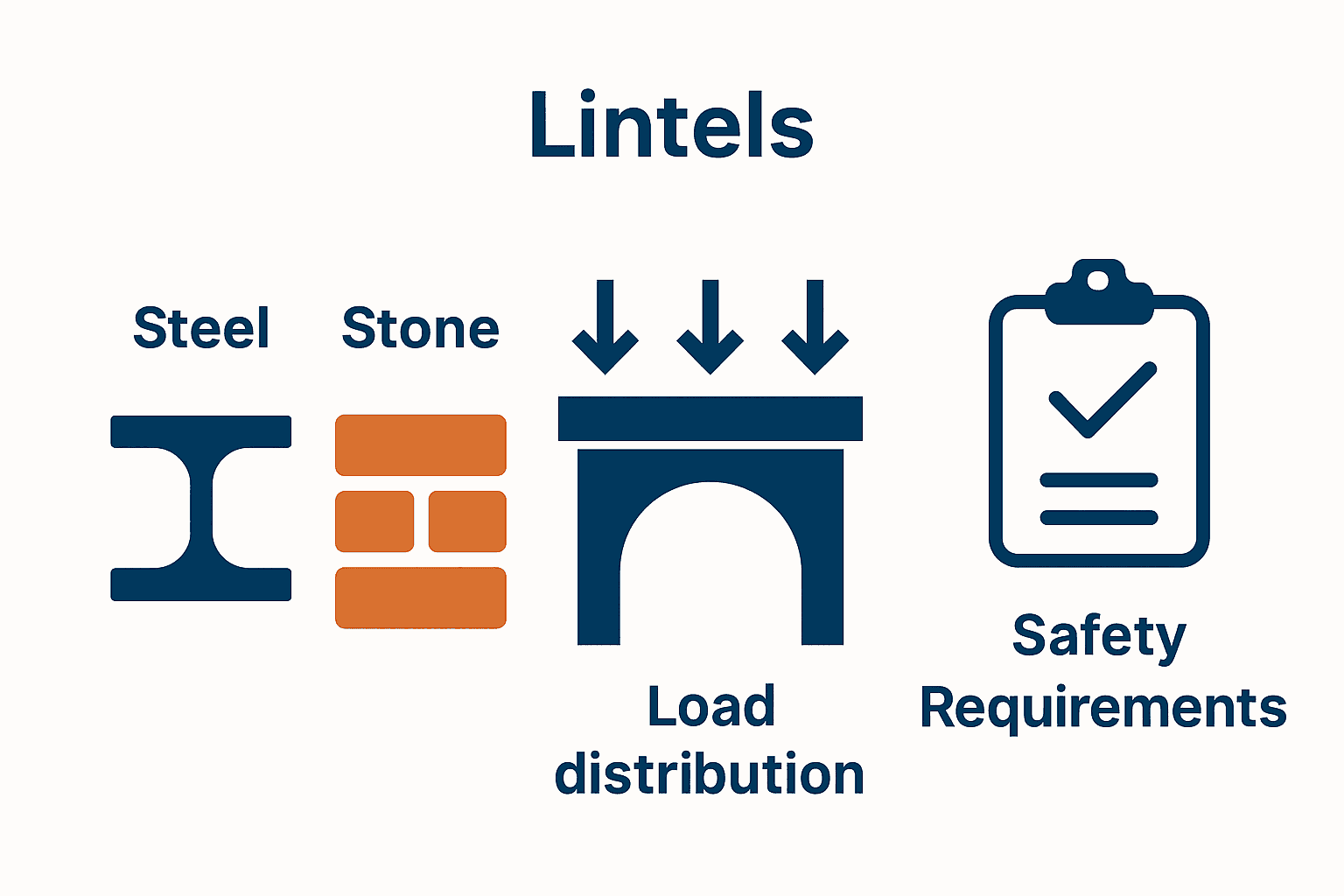
As explained by Fireplace Universe, these essential structural members can be constructed from various materials including steel, concrete, wood, stone, or brick. They effectively spread the load from above the fireplace opening to the sides of the firebox, acting as a critical support mechanism that prevents the chimney breast from potentially collapsing. In older Chicago neighborhoods with historic homes, understanding your fireplace lintel’s condition becomes even more important for maintaining your home’s long-term structural health.
Whether you’re a first-time homebuyer in Wrigleyville or a seasoned homeowner in Lincoln Park, knowing about your fireplace lintel helps you appreciate the intricate engineering behind your home’s design. Regular inspections by professionals like Chicago Home Inspect LLC can help ensure this important structural component remains in top condition, protecting your investment and ensuring your family’s safety.
Common Types and Materials of Fireplace Lintels
In the diverse architectural landscape of Chicago neighborhoods, fireplace lintels come in a variety of materials and styles, each offering unique structural and aesthetic characteristics. According to Fireplace Universe, the most common lintel materials include steel, concrete, timber, stone, and brick, with each serving different functional requirements in home construction.
Let’s break down the primary lintel materials homeowners might encounter:
Here’s a comparison of the primary fireplace lintel materials:
| Material | Structural Strength | Durability | Common Use Cases |
|---|---|---|---|
| Steel | Excellent | High Resistant | Modern homes Large openings |
| Concrete | Very Good | Very High | Most residential fireplaces |
| Stone | Good (if single piece) | High Traditional | Historic homes Older buildings |
| Brick | Moderate (small spans) | Moderate | Small fireplaces Restorations |
| Timber | Low Not fireproof | Low | Decorative Rare in new builds |
- Steel Lintels: The most prevalent option, typically hidden behind fireplace surrounds
- Concrete Lintels: Durable and robust, offering excellent load-bearing capacity
- Stone Lintels: Traditional and aesthetically pleasing, often used in historic Chicago homes
- Brick Lintels: Commonly used for smaller fireplace openings
- Timber Lintels: Rarely used today due to safety concerns, sometimes incorporated decoratively
Research from The Constructor reveals additional nuanced variations within these materials. Steel lintels, for instance, can be channel-based or joist-style, designed to handle heavy loads and larger openings. Reinforced brick lintels incorporate steel reinforcement for enhanced structural integrity, while stone lintels can be single-piece or constructed from multiple stones, with their depth carefully calculated based on the span they need to support.
For Chicago homeowners, understanding these lintel variations is crucial. Your home’s age, architectural style, and specific structural requirements will determine the most appropriate lintel material.
Professional home inspectors from Chicago Home Inspect LLC can help you identify and assess the condition of your fireplace lintel, ensuring it meets current safety standards and provides optimal support for your home’s unique architectural design.
Installation Requirements and Building Codes
When it comes to fireplace lintel installation, Chicago homeowners need to be aware of specific building codes and safety regulations that protect their homes and families. According to Doctor Flue, the National Fire Protection Association (NFPA) 211 standard mandates crucial safety requirements for fireplace construction and lintel installation.
Key installation and safety requirements include:
- Noncombustible Lintel Materials: Mandatory for supporting masonry over fireplace openings
- Minimum Bearing Length: At least 4 inches of support on each end of the lintel
- Woodwork Clearance: Mantels and trim must be placed a minimum of 6 inches away from the fireplace opening
- Damper Positioning: Must be located at least 8 inches above the top of the fireplace opening
As outlined by the International Building Code, these regulations aren’t just bureaucratic red tape – they’re critical safety measures designed to prevent potential fire hazards and structural failures. For older homes in neighborhoods like Bucktown or Lincoln Park, it’s especially important to have a professional home inspector verify that your fireplace lintel meets current safety standards.
Navigating these building codes can feel overwhelming, but professionals like Chicago Home Inspect LLC specialize in ensuring your home’s fireplace meets all necessary safety requirements. Whether you’re buying a historic brownstone or a newer construction, understanding these installation guidelines can help protect your investment and, more importantly, keep your family safe.
Fireplace Lintel Inspections and Warning Signs
As a Chicago homeowner, understanding the health of your fireplace lintel is crucial for maintaining your home’s structural integrity. According to AO Handy Inc., regular annual inspections are recommended to catch potential issues early and prevent costly repairs. These inspections become even more critical in older Chicago homes where structural wear can accumulate over decades.
Critical warning signs that indicate potential lintel problems include:
- Visible Masonry Cracks: Horizontal or vertical fractures around the fireplace opening
- Steel Lintel Damage: Rust, warping, or significant discoloration
- Structural Shifting: Uneven appearance or misalignment of surrounding walls
- Heat Discoloration: Unusual staining or color changes near the lintel
- Door and Window Difficulties: Unexpected challenges opening or closing nearby openings
Research from Restore Works highlights that sagging or bowing of the lintel can signal serious structural compromise. For Chicago homeowners, these warning signs shouldn’t be ignored – they could indicate potential safety risks that require immediate professional assessment. Check out our interior home inspection photos to understand what professionals look for during a comprehensive lintel evaluation.
Professional home inspectors from Chicago Home Inspect LLC can provide a thorough assessment of your fireplace lintel, using specialized techniques to identify subtle signs of wear or damage. Remember, catching these issues early can save you thousands in potential structural repairs and ensure your home remains safe and sound for years to come.
Common Fireplace Lintel Issues and Solutions
Fireplace lintels can encounter various problems that compromise your home’s structural integrity and safety. According to AO Handy Inc., removing or improperly maintaining a lintel can lead to serious consequences, including structural instability, potential collapse, and increased fire safety hazards.
Common fireplace lintel issues include:
- Rust and Corrosion: Particularly in steel lintels exposed to moisture
- Thermal Stress: Repeated heating and cooling causing material fatigue
- Mortar Deterioration: Weakening of supporting masonry connections
- Structural Shifting: Gradual movement causing misalignment
- Heat-Related Damage: Discoloration and material degradation
Research from Restore Works suggests multiple approaches to addressing lintel damage, depending on the severity. Solutions range from targeted repairs to complete replacement. For brick, concrete, or steel lintels, early intervention is key to preventing more extensive and expensive structural damage. Our exterior home inspection photos can help you understand the visual indicators of lintel deterioration.
Professional solutions might include applying fire-resistant mortar, sealing soot-covered areas, using heat-resistant sealants for steel lintels, or complete lintel replacement. Chicago Home Inspect LLC specializes in comprehensive assessments that can help you determine the most cost-effective and safe approach to addressing your fireplace lintel issues, ensuring your home remains structurally sound and protected.
Protect Your Home with a Professional Fireplace Lintel Inspection
Are you worried about the hidden risks your fireplace lintel might bring to your home? This article revealed that cracked masonry, rusting steel, or improper installation can weaken your fireplace’s support system and put your family’s safety at risk. Whether you live in an older Chicago property or a newly built residence, ignoring these warning signs could lead to costly repairs and major headaches down the road.
With Chicago Home Inspect LLC, you do not have to let uncertainty linger. Our InterNACHI certified team delivers thorough home inspections, with special attention to fireplace lintels and their structural integrity. See real examples of what we inspect by checking our interior home inspection photos and detailed exterior home inspection photos. Ready for clarity and peace of mind? Schedule your fireplace safety check today and make sure your home stands strong. Act now to keep your investment and loved ones safe.
Frequently Asked Questions
What is a fireplace lintel and what purpose does it serve?
A fireplace lintel is a horizontal beam positioned across the top of a fireplace opening. Its primary purpose is to support the weight of the chimney and surrounding masonry, prevent structural collapse, protect internal components from extreme temperatures, ensure proper draft and ventilation, and maintain overall fireplace stability.
What materials are commonly used for fireplace lintels?
Common materials used for fireplace lintels include steel, concrete, timber, stone, and brick. Each material offers unique structural strength and aesthetic characteristics, with steel and concrete being the most prevalent choices for modern homes.
How can I identify potential issues with my fireplace lintel?
Signs of potential lintel issues include visible masonry cracks around the fireplace opening, damage to steel lintels such as rust or warping, structural shifting, heat discoloration near the lintel, and difficulties opening or closing nearby doors or windows.
What are the key installation requirements for fireplace lintels?
Key installation requirements include using noncombustible materials, ensuring a minimum bearing length of at least 4 inches on each end of the lintel, maintaining a clearance of at least 6 inches for mantels and trim from the fireplace opening, and positioning the damper at least 8 inches above the opening to meet safety standards.