
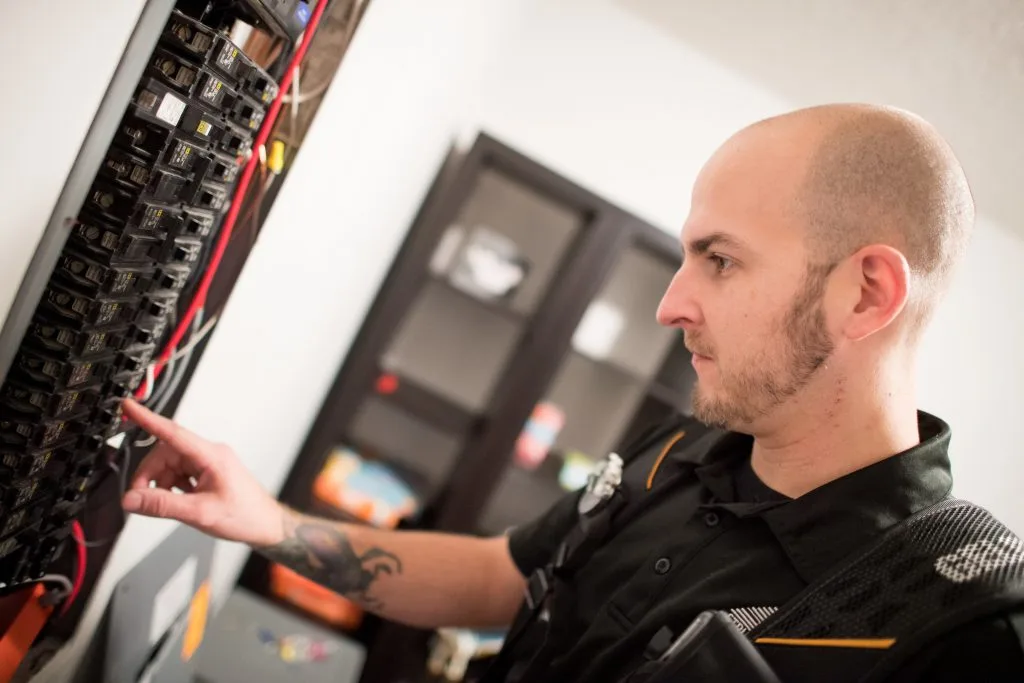
A Level 2 chimney inspection is the most thorough evaluation most homeowners will ever need, and NFPA 211 mandates it for four specific situations: property sale or transfer, after a chimney fire, after any appliance change, and when a venting system is modified or relined. It goes well beyond a basic visual check of the firebox and crown. Here is what a Level 2 inspection actually covers:
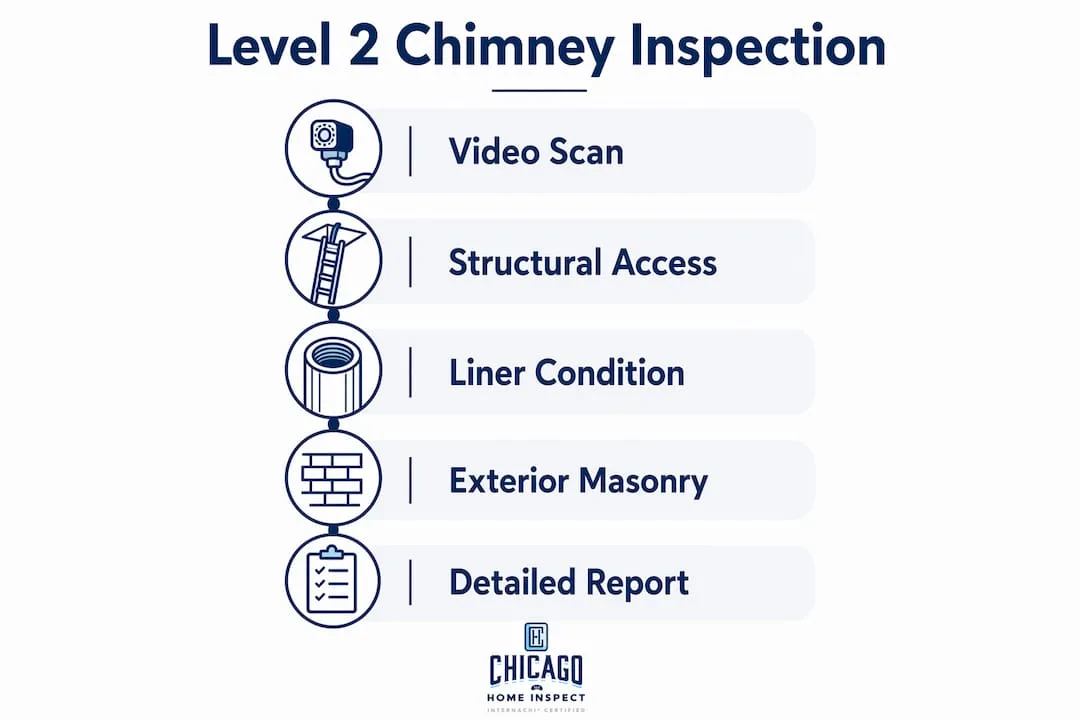
- Full video scan of the flue interior from top to bottom
- Examination of accessible structural areas including attics, crawl spaces, and basements
- Assessment of liner integrity, clearances to combustibles, and moisture damage
- Documentation with timestamped footage and written findings
- Verification that the chimney system meets current safety codes
Certified inspectors holding CSIA or NFI credentials perform these evaluations under the NFPA 211 standard. For Chicago homeowners, that matters especially in older neighborhoods where bungalows, two-flats, and graystones often conceal decades of deferred maintenance behind plaster walls and finished basements.
What does a Level 2 chimney inspection actually examine?
The scope of a Level 2 inspection extends far past what you can see standing in front of the fireplace. The inspector examines every accessible area of the chimney system, including spaces most homeowners never think to check.
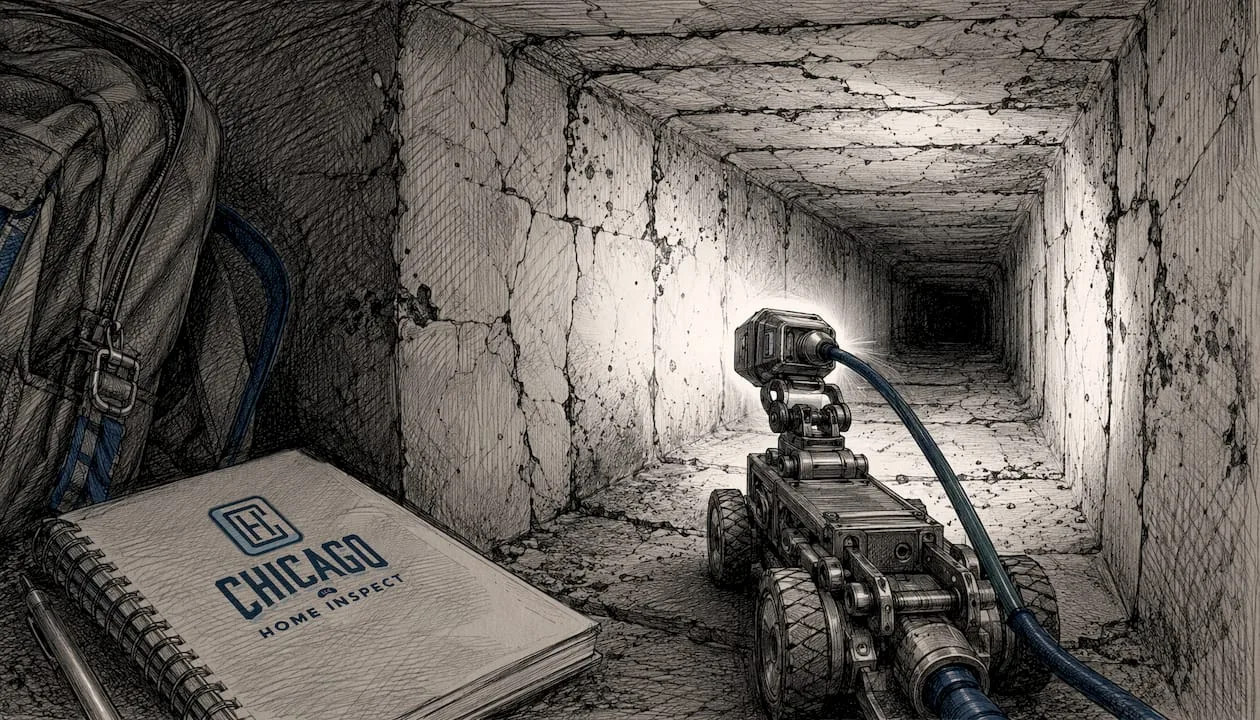
Flue interior video scan. A high-resolution camera travels the full length of the flue, capturing footage of the liner walls, mortar joints, and any obstructions. Video evidence is required for NFPA 211 Level 2 compliance. Without it, the inspection does not meet the standard, regardless of how thorough the visual portion was.
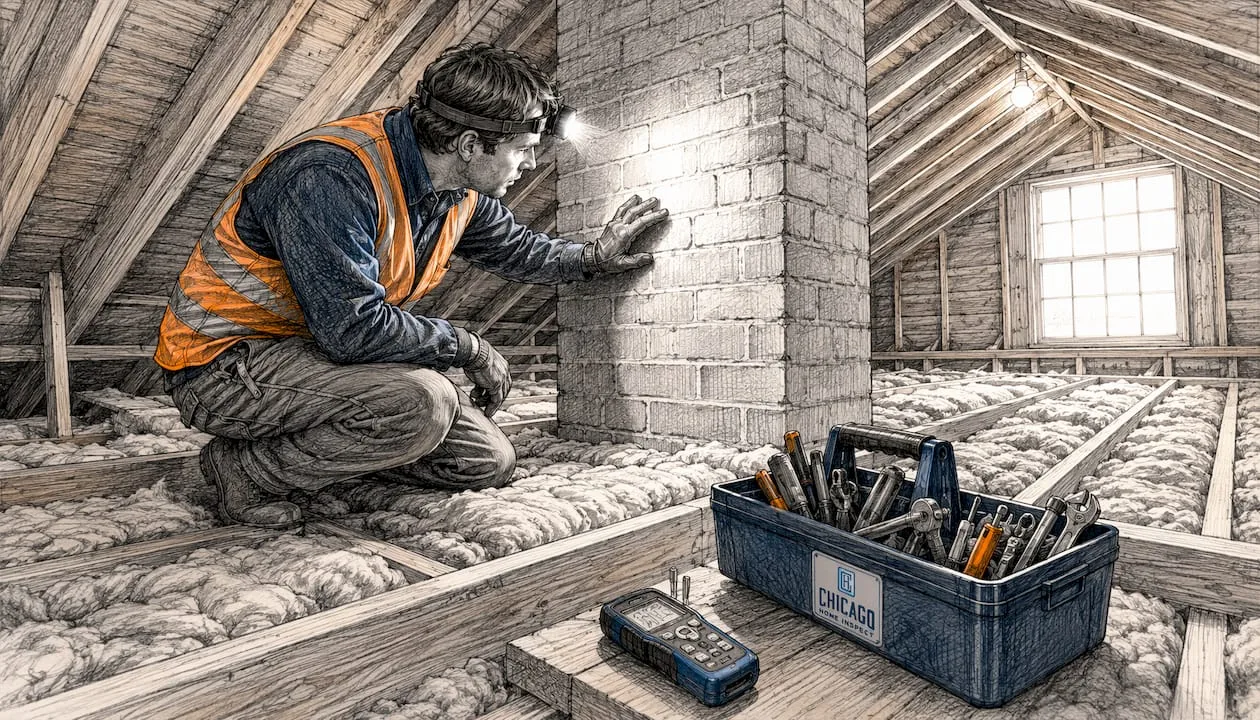
Structural access areas. The inspector enters attics, crawl spaces, and basements to check clearances and heat or moisture damage that would never appear in a ground-level walkthrough. This is where concealed gaps between the chimney chase and framing show up, along with water staining on joists and deteriorated insulation near the flue.
Liner condition and compatibility. Clay tile liners crack. Stainless steel liners corrode at joints. Cast-in-place liners develop voids. The camera catches all of it, and the inspector documents whether the liner is sized correctly for the connected appliance.
Crown, cap, and exterior masonry. These get checked at Level 1 too, but Level 2 includes a closer look at spalling brick, failed mortar joints, and any separation between the chimney and the house structure.
| Inspection component | What the inspector looks for |
|---|---|
| Flue liner | Cracks, gaps, missing sections, sizing |
| Firebox and smoke chamber | Deteriorated mortar, smoke staining, obstructions |
| Crown and cap | Cracking, missing cap, water infiltration |
| Exterior masonry | Spalling, efflorescence, mortar joint failure |
| Attic/basement clearances | Combustible framing proximity, moisture damage |
| Appliance connections | Connector sizing, draft, fuel compatibility |
The written report ties the video footage to specific findings, so you have documentation you can act on, share with a contractor, or present during a real estate negotiation.
How Level 1 and Level 2 inspections differ
The difference is not just depth. It is what each level is actually designed to detect.
| Feature | Level 1 | Level 2 |
|---|---|---|
| Visual check of accessible areas | Yes | Yes |
| Firebox and smoke chamber | Yes | Yes |
| Exterior crown and cap | Yes | Yes |
| Flue interior video scan | No | Yes |
| Attic, crawl space, basement access | No | Yes |
| Clearance to combustibles check | No | Yes |
| Required for property transfers | No | Yes |
| NFPA 211 compliance for sales | No | Yes |
A Level 1 inspection works well for a chimney that has not changed and is being used the same way it always has been. It covers what you can see without specialized equipment. The problem is that Level 1 cannot fully assess the flue interior or structural clearances, so critical defects in the liner or framing go undetected. For a property buyer, that gap in coverage can mean inheriting a fire hazard that no one spotted because no one looked.
Level 2 closes that gap. The video scan and structural access are not optional add-ons. They are what separate a thorough evaluation from a surface check.
When should you schedule a Level 2 inspection?
NFPA 211 specifies the triggers clearly, and they cover the situations where chimney risk is highest.
- Buying or selling a home. A Level 2 inspection is the minimum standard for any property transfer. Sellers who skip it often face renegotiation after buyers discover problems independently.
- After a chimney fire. Even a small, fast-burning fire can crack a clay tile liner. The damage is invisible without a camera.
- Appliance or fuel type change. Installing a fireplace insert or switching fuel types requires a Level 2 inspection to confirm the liner is sized and rated for the new appliance.
- After severe weather. A lightning strike, earthquake, or major wind event can shift masonry and crack liners without leaving obvious exterior damage.
- Extended period of non-use. A chimney that has sat idle for years may have animal nesting, moisture infiltration, or liner deterioration that a Level 1 would miss.
The financial case is straightforward. Level 2 inspections typically involve moderate costs and take a duration sufficient to perform a thorough evaluation. A chimney relining job, by contrast, can cost several thousand dollars. Catching a cracked liner before a sale closes, or before a new insert is installed, is far less expensive than discovering it after the fact.
Pro Tip: If you are buying a home with a fireplace and the seller only offers a Level 1 inspection report, request a Level 2 before closing. A Level 1 does not meet NFPA 211 standards for property transfers, and the cost of upgrading is minor compared to what it can reveal.
What Chicago homeowners need to know about chimney inspections
Chicago’s climate does things to masonry that warmer cities never see. The city sits in Climate Zone 5, where freeze-thaw cycles repeat dozens of times each winter. Water seeps into small cracks in brick and mortar, freezes, expands, and widens those cracks with every cycle. Clay tile liners are especially vulnerable because the tiles are rigid and cannot flex with the movement.
- Bungalows on the Northwest Side often have original clay tile flues from the 1920s and 1930s. Many are still in use, and many have liner sections that have shifted or cracked.
- Two-flats in Logan Square and Pilsen frequently have shared chimney chases serving multiple units, which complicates clearance assessments and makes structural access more important.
- Graystones in Lincoln Park and similar neighborhoods often have finished basements that conceal the lower chimney structure, exactly the area a Level 2 inspection accesses.
- Older homes throughout northern Cook, Lake, McHenry, and DuPage Counties commonly show hidden gaps and clearance issues in attics and crawl spaces that only appear during a Level 2 evaluation.
Video scanning is especially valuable here. Freeze-thaw damage to clay tile liners is one of the most common findings in Chicago-area inspections, and it is one of the defects that looks fine from the firebox opening but shows clearly on camera. Proper chimney maintenance practices between inspections can slow deterioration, but they do not replace the camera.
Pro Tip: In Chicago, schedule your chimney inspection in late summer or early fall, before heating season starts. That timing lets you address any findings before the fireplace or furnace flue sees heavy use.
Local codes in Chicago and surrounding municipalities generally follow NFPA 211, but some jurisdictions have additional requirements for older housing stock. An inspector familiar with the local building environment will know which standards apply to your specific property type and neighborhood.
Our perspective on what Level 2 inspections actually protect
Most homeowners think of a chimney inspection as a box to check before a sale or after a sweep. We see it differently. The video scan is the only way to know what is actually inside the flue, and in Chicago’s older housing stock, what is inside is often surprising.
We follow NFPA 211 and work with CSIA-certified professionals because the standard exists for a reason. A chimney that looks fine from the firebox can have a liner that has been failing for years. The camera does not lie, and the documentation we provide gives homeowners something concrete to work with, whether that means scheduling repairs, negotiating a price adjustment, or simply understanding what they own.
What we find most often in Chicago homes is not dramatic. It is incremental: a few cracked tile sections, mortar joints that have eroded past the point of function, a clearance to framing that was never quite right. None of those findings make headlines. But left unaddressed, any one of them can turn a normal fire into a house fire. The most overlooked defects in Chicago homes are rarely the obvious ones.
We also think the industry undersells the value of documentation. A timestamped video of the flue interior is not just a compliance record. It is a baseline. When the same homeowner calls us back in five years, we can compare footage and see exactly how much the liner has changed. That kind of longitudinal view is only possible when the first inspection was done right.
Chicago Home Inspect LLC serves your chimney inspection needs
Chicago Home Inspect LLC covers Lake, McHenry, DuPage, and northern Cook Counties with certified residential inspections that meet NFPA 211 standards. Our chimney evaluations include full video documentation of the flue interior, structural access to attics, crawl spaces, and basements, and a written report with photographic evidence you can actually use. You can see the depth of our interior inspection documentation before you schedule. We are InterNACHI certified, BBB accredited, and available on weekends. Whether you are buying a graystone in Lincoln Park or a frame home in the suburbs, we bring the same thorough approach to every property. Reach out to schedule your inspection or ask about our full home inspection packages.