Over 40% of FHA and VA home inspections in Chicago fail initially, with HVAC and electrical problems leading the list. This guide shows you exactly how to identify critical failure points before they derail your home purchase. You’ll learn what inspectors scrutinize, how to prepare your property, and proven strategies to pass inspections faster, saving weeks of delays and thousands in unexpected costs.
Table of Contents
- Understanding FHA and VA Inspection Requirements in Chicago
- Common Failure Points in Chicago FHA & VA Inspections
- How to Prepare for FHA & VA Inspections in Chicago
- Troubleshooting Failed Inspections and Alternatives for Chicago Buyers
- Expected Timeline and Costs for Passing FHA & VA Inspections in Chicago
- Get Your Chicago Home Ready with Expert Inspection Services
- Frequently Asked Questions
Key Takeaways
| Point | Details |
|---|---|
| FHA and VA inspections require homes to meet strict Minimum Property Requirements for safety and livability | Systems like heating, electrical, and structural integrity must pass federal standards |
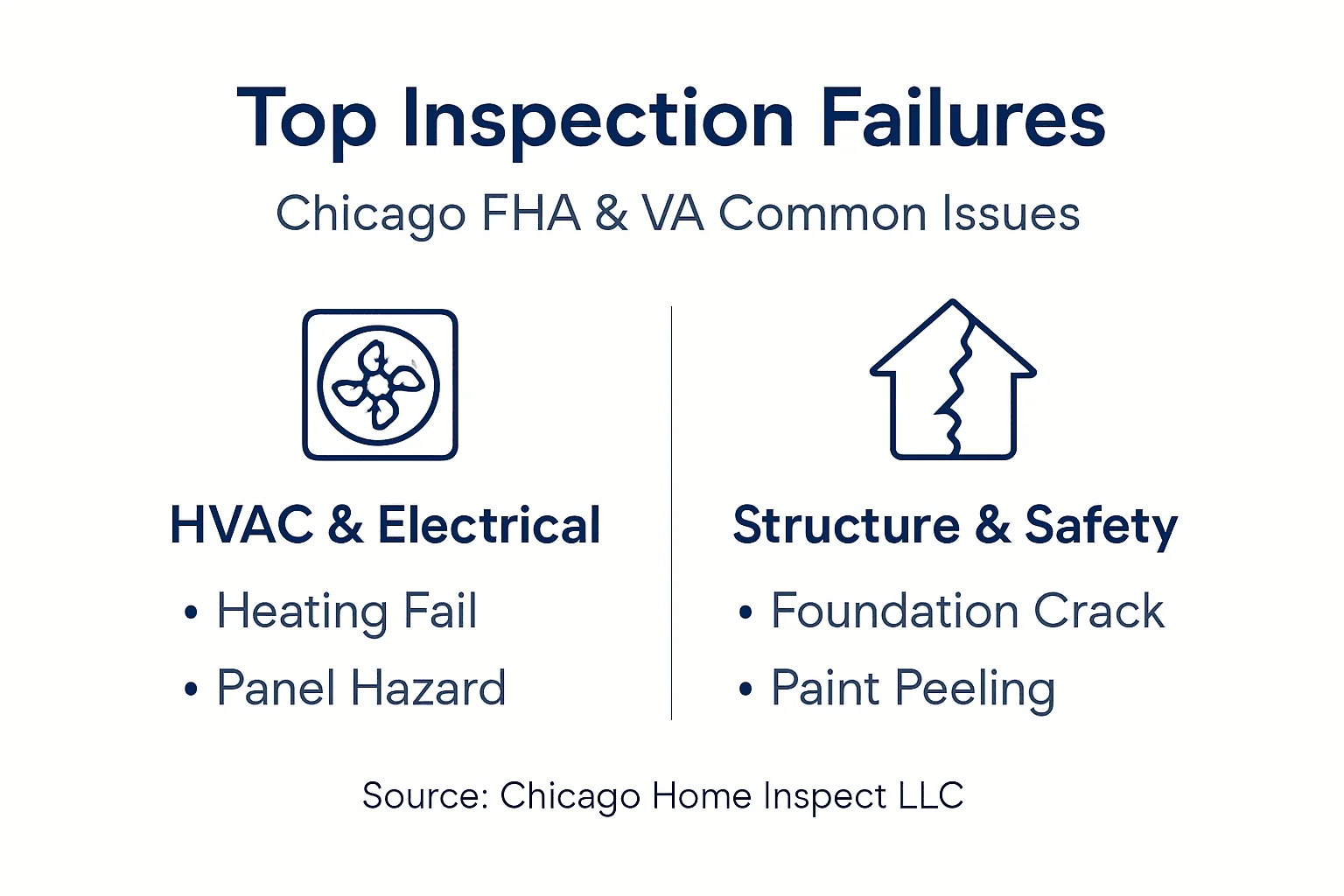
| HVAC and electrical deficiencies cause over 40% of inspection failures in Chicago homes | Aging furnaces and outdated electrical panels are the most common culprits |
| Pre-inspections and targeted repairs boost pass rates by 30% or more | Proactive fixes prevent last-minute surprises and loan approval delays |
| Failed inspections don’t end the deal if you negotiate repairs or explore alternatives quickly | Seller concessions and documented repair agreements keep transactions moving |
| Typical repair timelines range from 2 to 8 weeks depending on issue complexity | Budget $500 to $10,000 for common fixes like HVAC servicing or roof repairs |
Understanding FHA and VA Inspection Requirements in Chicago
FHA and VA loans require homes to meet Minimum Property Requirements (MPRs) that prioritize safety, structural soundness, and basic livability. These aren’t optional suggestions. Lenders mandate them to protect buyers and ensure properties serve as adequate collateral.
Inspectors focus on several critical elements:
- Heating systems capable of maintaining at least 50 degrees in all plumbing areas
- Electrical panels free from safety hazards like exposed wiring or obsolete breaker types
- Roofs with at least two years of remaining life expectancy
- Foundations without major cracks or water intrusion
- Handrails on all stairs with three or more steps
- Lead paint compliance for homes built before 1978
Chicago’s climate adds unique challenges. Cold winters stress heating systems, and the region’s clay soils cause foundation movement that creates cracks. FHA home inspections emphasize safety issues like peeling paint, missing handrails, broken windows, and loose wiring, which commonly cause inspection failure.
Local building codes layer additional requirements on top of federal standards. Your home must comply with both to pass. Understanding these overlapping regulations is the first step toward preparation. Many buyers benefit from reviewing a step-by-step home inspection guide to familiarize themselves with the process before scheduling their official appraisal.
Pro Tip: Request copies of FHA and VA MPR checklists from your lender before starting your home search. Knowing these requirements helps you evaluate properties realistically and avoid making offers on homes unlikely to pass inspection.
Common Failure Points in Chicago FHA & VA Inspections
Certain issues appear repeatedly in failed Chicago inspections. HVAC and electrical problems account for the bulk of failures, but structural and safety concerns follow closely.
HVAC System Failures
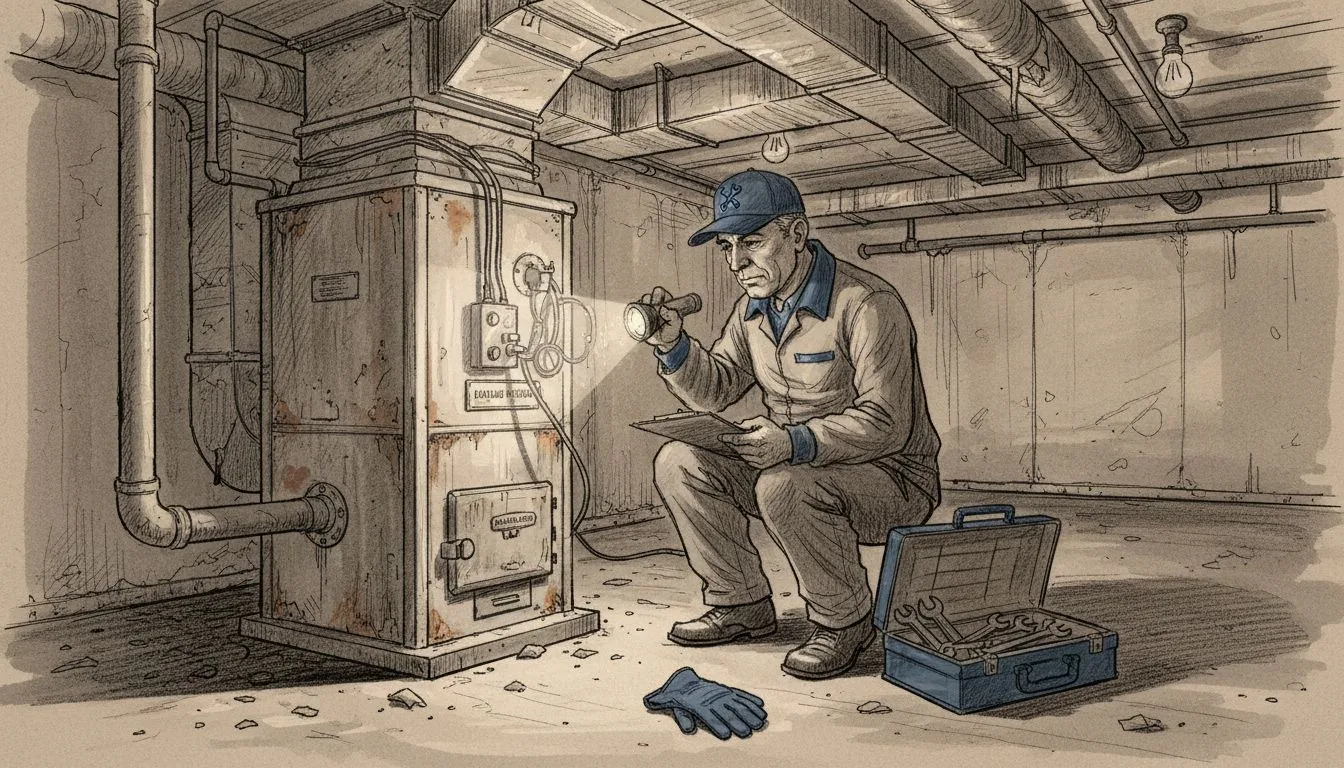
VA loans require homes to have sufficient heating systems that maintain at least 50 degrees in plumbing areas to pass inspection. Chicago winters make this non-negotiable. Furnaces over 15 years old often fail efficiency tests or show signs of imminent failure. Cracked heat exchangers pose carbon monoxide risks that trigger automatic rejections.
Electrical Hazards
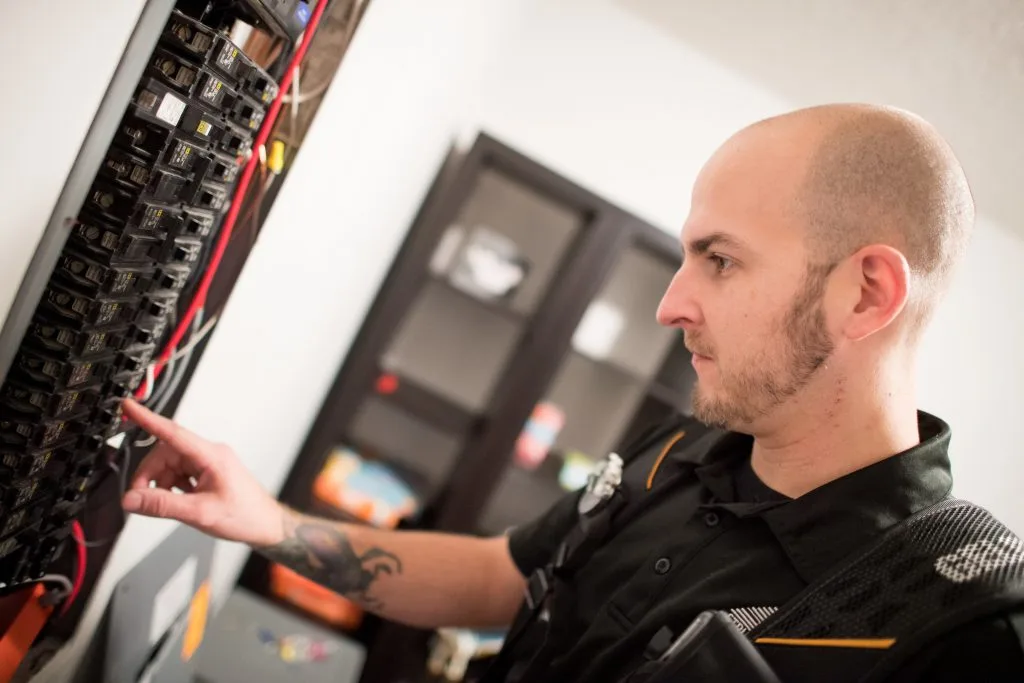
Outdated electrical panels, particularly Federal Pacific Electric and Zinsco brands, are safety red flags. Inspectors also cite improper grounding, aluminum wiring without proper connections, and overloaded circuits. These deficiencies appear in over 40% of failed inspections.
Structural Issues
Chicago’s clay soils expand and contract with moisture changes, causing foundation cracks. Horizontal cracks wider than a quarter inch or stair-step patterns in brick require structural engineer evaluations. Roofs showing more than three layers of shingles, missing flashing, or significant granule loss fail immediately.
Safety Violations
FHA home inspections emphasize safety issues like peeling paint, missing handrails, broken windows, and loose wiring, especially in homes built before 1978 due to lead paint rules. Exposed wiring, non-functioning smoke detectors, and water heaters without proper venting also trigger failures. Mold presence in basements or crawl spaces raises health concerns that must be remediated before approval.
The frequency of these issues in Chicago’s aging housing stock means buyers should expect to address at least one or two items before passing inspection. Reviewing common home inspection failures in Chicago helps you anticipate problems specific to your target neighborhood.
How to Prepare for FHA & VA Inspections in Chicago
Proactive preparation dramatically increases your chances of passing inspection on the first attempt. Follow these steps systematically.
Step 1: Schedule a Pre-Inspection
Hire a certified inspector experienced with FHA and VA requirements before your official appraisal. This preliminary inspection identifies issues while you still have time to fix them. Choose an inspector familiar with Chicago’s specific challenges like clay soil foundations and aging heating systems.
Step 2: Use a Comprehensive Checklist
Focus on these priority areas:
- HVAC: Test furnace operation, check for carbon monoxide leaks, verify ductwork is sealed
- Electrical: Inspect panel condition, test GFCI outlets, verify proper grounding
- Plumbing: Check for leaks, test water pressure, inspect water heater venting
- Structure: Examine foundation for cracks, assess roof condition, inspect attic ventilation
- Safety: Test smoke/CO detectors, install missing handrails, address peeling paint
Chicago-specific considerations include sealing ductwork against cold air infiltration and addressing foundation cracks caused by clay soil movement.
Step 3: Complete Repairs Early
Preparation steps like repairing electrical panels, sealing ductwork, addressing water damage, and installing handrails significantly increase FHA and VA inspection pass rates. Don’t wait until the week before your appraisal. Electrical panel upgrades take two to four weeks when factoring in permit approvals and utility company coordination.
Step 4: Verify All Systems Are Operational
Ensure every appliance, fixture, and mechanical system works properly. Turn on the furnace even in summer. Run all faucets. Test garage door openers and exhaust fans. Inspectors document non-functioning items as deficiencies.
| Preparation Task | Estimated Cost | Documentation Required |
|---|---|---|
| HVAC Inspection & Tune-Up | $150-$300 | Service report from licensed HVAC technician |
| Electrical Panel Upgrade | $1,500-$4,000 | Permit and inspection certificate from city |
| Handrail Installation | $200-$800 | Receipt showing code-compliant installation |
| Lead Paint Testing/Mitigation | $300-$3,000 | EPA-certified contractor documentation |
| Foundation Crack Repair | $500-$5,000 | Structural engineer report if needed |
Consult a seller inspection checklist for Chicago to ensure you’ve covered all bases. Understanding how to schedule a home inspection in Chicago helps coordinate timing with your loan process.
Pro Tip: Schedule a final walkthrough or second pre-inspection 48 hours before your official appraisal. This catches any missed issues and gives you peace of mind that everything remains in working order.
Troubleshooting Failed Inspections and Alternatives for Chicago Buyers
A failed inspection doesn’t automatically kill your deal. How you respond determines whether you can salvage the purchase.
Immediate Steps After Failure
Request a detailed copy of the inspection report highlighting specific deficiencies. Review it with your real estate agent and lender to understand which items are mandatory fixes versus recommendations. Some issues allow for repairs after closing with an escrow holdback, while others require completion before loan approval.
Negotiating with Sellers
If a home fails FHA or VA inspection, buyers can negotiate repairs, request seller concessions, or seek alternative financing options to avoid losing the deal. Present sellers with three options:
- Complete all required repairs before closing
- Provide a credit at closing for you to handle repairs afterward
- Reduce the purchase price to offset repair costs
Get everything in writing through contract amendments. Verbal agreements won’t protect you if disputes arise.
Exploring Alternative Financing
If repairs can’t be completed within your loan contingency period, consider conventional financing if you qualify. Conventional loans have more flexible property condition requirements. Cash purchases eliminate inspection requirements entirely, though you’d still want an inspection for your own protection.
Coordinating Repair Timing
Work backward from your closing date to schedule repairs. Factor in:
- Contractor availability (often 2-4 weeks out in busy seasons)
- Permit application and approval (1-3 weeks for electrical/structural work)
- Re-inspection scheduling (5-10 business days)
Document the repair timeline in your purchase agreement to extend contingency periods if needed. Review the end of inspection checklist for Chicago buyers to ensure nothing falls through the cracks during this critical period.
Pro Tip: Hire a licensed general contractor to coordinate multiple trades rather than managing separate electricians, plumbers, and HVAC techs yourself. The contractor’s experience with permit processes saves time and ensures repairs meet code.
Expected Timeline and Costs for Passing FHA & VA Inspections in Chicago
Budgeting realistic time and money for repairs prevents last-minute scrambling. Typical timelines for addressing common FHA/VA inspection issues range from 2 to 8 weeks depending on severity of repairs such as roofing, electrical, or HVAC system upgrades.
| Repair Type | Average Cost | Expected Timeline |
|---|---|---|
| Roof Replacement | $8,000-$15,000 | 3-5 days installation, 1-2 weeks scheduling |
| Roof Repair (Partial) | $500-$3,000 | 1-2 days work, 1 week scheduling |
| Electrical Panel Upgrade | $1,500-$4,000 | 1 day work, 2-4 weeks for permits/utility |
| HVAC Repair/Service | $200-$1,500 | Same day to 1 week |
| HVAC Replacement | $3,500-$7,000 | 1-2 days installation, 1-2 weeks scheduling |
| Foundation Crack Repair | $500-$5,000 | 2-5 days work, possible structural review adds 1-2 weeks |
| Lead Paint Remediation | $1,000-$10,000 | 3-10 days depending on scope |
| Handrail Installation | $200-$800 | 2-4 hours work, immediate to 1 week scheduling |
Repair duration directly impacts your closing schedule. If your loan contingency expires before repairs finish, you risk losing your earnest money deposit or being forced to cancel the contract.
Streamlining the Repair Process
- Get three quotes for major repairs to ensure competitive pricing
- Request contractors provide proof of insurance and proper licensing
- Ask for written warranties on completed work
- Schedule re-inspections immediately after repair completion
- Keep photo documentation of all work performed
Front-loading your repair budget prevents financial stress if additional issues surface during follow-up inspections. Plan for 10-15% cost overruns beyond initial estimates. Familiarize yourself with overlooked defects in Chicago homes to anticipate hidden problems that might extend timelines.
Get Your Chicago Home Ready with Expert Inspection Services
Chicago Home Inspect LLC specializes in FHA and VA inspection preparation that helps buyers pass on the first attempt. Our InterNACHI-certified inspectors understand exactly what federal appraisers scrutinize and how Chicago’s climate affects home systems.
We provide comprehensive inspections covering HVAC performance, electrical safety, structural integrity, and all safety compliance requirements. Detailed reports with photo documentation give you clear direction on necessary repairs and strong evidence for seller negotiations. Our interior inspection services and HVAC inspection expertise ensure no critical issue goes unnoticed.
Review a sample inspection report to see the level of detail you’ll receive. Schedule your pre-inspection consultation today to start your smooth homebuying journey with confidence.
Frequently Asked Questions
What are the most common reasons FHA and VA inspections fail in Chicago?
HVAC system inadequacy and electrical panel deficiencies cause over 40% of failures. Furnaces unable to maintain 50 degrees in plumbing areas automatically fail VA inspections. Outdated Federal Pacific Electric panels and improper grounding trigger rejections. Foundation cracks from clay soil movement and roofs nearing end of life follow as the next most frequent issues.
How long does it typically take to complete required repairs after a failed inspection?
Simple repairs like installing handrails or replacing smoke detectors take one to three days. Moderate issues like HVAC servicing or minor electrical work require one to two weeks. Major repairs including electrical panel upgrades, roof replacement, or foundation work need three to eight weeks when accounting for contractor scheduling, permit approvals, and actual work completion.
Can I negotiate repairs with the seller if my home fails the inspection?
Absolutely. Most purchase contracts include inspection contingencies allowing renegotiation based on findings. You can request the seller complete repairs before closing, provide a closing credit for you to handle fixes, or reduce the purchase price. Document all agreements through formal contract amendments to ensure enforceability.
Do I need a special inspector for FHA and VA loan requirements?
While any licensed inspector can perform the physical inspection, hiring someone experienced with FHA and VA Minimum Property Requirements ensures nothing gets missed. These inspectors know exactly what federal appraisers will scrutinize and can identify issues before they become deal-breakers. Learn more about scheduling a home inspection in Chicago with qualified professionals.
What should I do to prepare before the official FHA/VA inspection?
Conduct a pre-inspection to identify problems early, then address HVAC functionality, electrical safety, structural soundness, and safety violations systematically. Ensure all utilities and appliances work properly. Seal ductwork, repair foundation cracks, install missing handrails, and remediate any mold. Schedule repairs at least four weeks before your appraisal to allow time for completion and any necessary follow-up work.