
TL;DR:
- Buyer inspections evaluate a home’s condition before closing, revealing safety and structural issues that influence negotiations. They typically take 2-4 hours and can save buyers thousands of dollars by identifying major defects early. Skipping inspections to compete in the market is risky and can lead to costly surprises after purchase.
A buyer inspection is a professional evaluation of a home’s physical condition, conducted before closing, to reveal defects that affect safety, value, and livability. The industry standard term is a pre-purchase home inspection, and organizations like the American Society of Home Inspectors (ASHI) and InterNACHI set the professional benchmarks inspectors follow. The importance of buyer inspections comes down to one fact: 88% of homebuyers opt for professional inspections, and findings influence price negotiations or repairs in over 46% of transactions. That is not a formality. That is financial leverage. Inspection costs typically run $300–$425, a fraction of what a single undiscovered defect can cost after closing.
What does the importance of buyer inspections cover?
A standard home inspection is a systematic review of every major system and structural component in the property. Standard inspections take 2–4 hours and cover roof, foundation, electrical, plumbing, HVAC, and both interior and exterior systems. That timeframe is not arbitrary. Each system requires hands-on evaluation, not a visual sweep from the doorway.
Here is what each major inspection area reveals and why it matters:
- Roof: Missing shingles, damaged flashing, and improper drainage can lead to water intrusion. A storm-damaged roof often looks intact from the street but fails under the first heavy rain.
- Foundation: Cracks, settling, and moisture intrusion are common in Chicago’s older housing stock, especially in bungalows on the Northwest Side and graystones in Lincoln Park where freeze-thaw cycles stress masonry year after year.
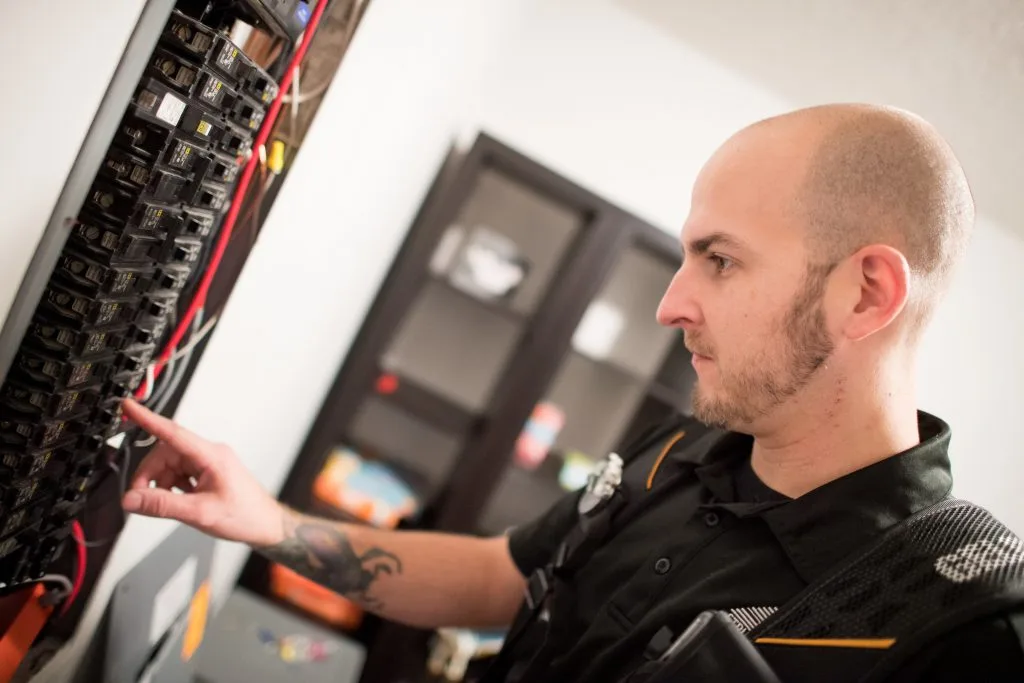
- Electrical: Outdated panels, aluminum wiring, and double-tapped breakers are fire hazards. These show up regularly in two-flats and older frame homes across Cook County.
- Plumbing: Galvanized pipes, slow drains, and water heater age all affect function and cost. In many pre-1970 Chicago homes, galvanized supply lines are still in service.
- HVAC: Furnace age, filter condition, and heat exchanger integrity determine both comfort and safety. A cracked heat exchanger is a carbon monoxide risk, not just a repair bill.
- Interior and exterior systems: Inspectors check insulation levels, grading, smoke detectors, and window seals. These safety features are easy for buyers to overlook but carry real long-term maintenance costs.
| Inspection Area | Common Issues Found | Potential Repair Cost |
|---|---|---|
| Roof | Damaged shingles, flashing failure | $500–$15,000+ |
| Foundation | Cracks, water intrusion, settling | $2,000–$30,000+ |
| Electrical | Outdated panels, faulty wiring | $1,500–$10,000+ |
| Plumbing | Galvanized pipes, leaks, water heater age | $500–$8,000+ |
| HVAC | Aging furnace, cracked heat exchanger | $1,000–$12,000+ |
| Interior/Exterior | Insulation gaps, grading issues, failed seals | $300–$5,000+ |
Buyers typically have a 10–14 day window after offer acceptance to complete the inspection and submit repair requests. Scheduling immediately after your offer is accepted protects that window.
How do buyer inspections affect negotiation and price?
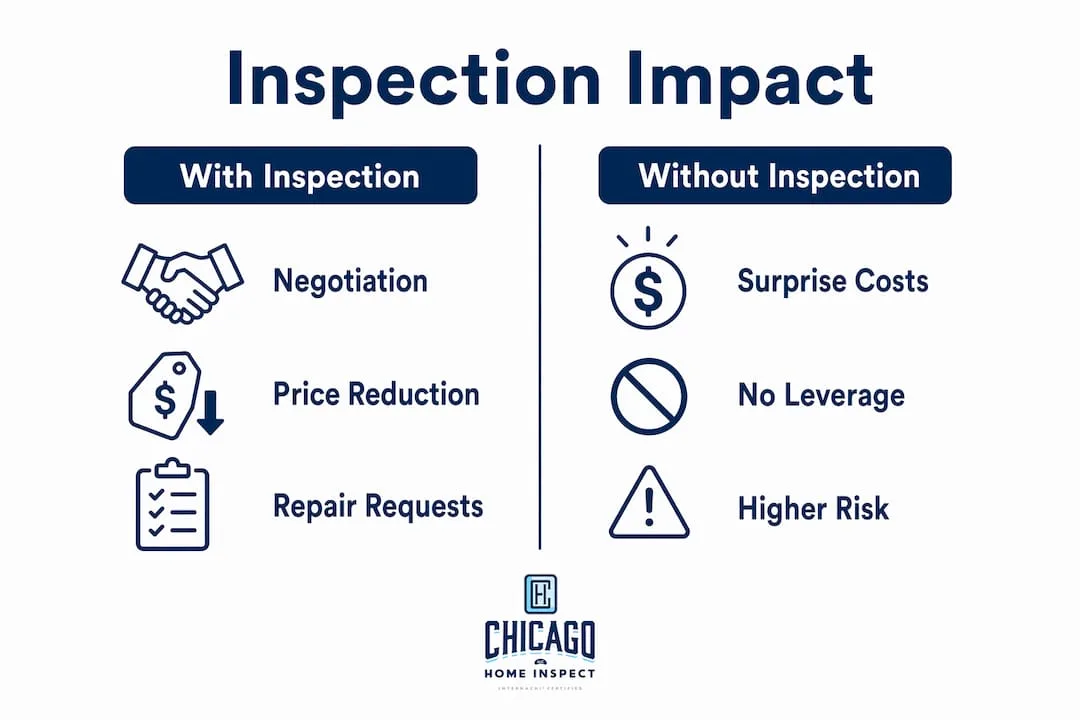
Inspection findings create direct financial leverage. Inspection results provide leverage to negotiate price reductions or seller credits that align the purchase price with the home’s actual condition. The return on a $400 inspection can be thousands of dollars in concessions or avoided repair costs.

The mechanism is the inspection contingency clause. Contingency clauses allow buyers to withdraw from a contract and recover their earnest money if major defects are uncovered and the seller refuses to address them. Without that clause, every defect discovered after closing becomes the buyer’s full financial liability.
Buyers have three main options once they receive an inspection report:
- Request repairs: Ask the seller to fix specific items before closing. Best used for safety issues like faulty electrical or active roof leaks.
- Negotiate a price reduction: Accept the home as-is but at a lower price that reflects repair costs. This works well when sellers are motivated or the market has softened.
- Walk away: Exercise the inspection contingency and exit the contract with earnest money returned. This is the right call when defects are severe and the seller will not negotiate.
Pro Tip: Focus your negotiation on structural and safety defects, not cosmetic issues. Sellers are far more likely to credit or repair a cracked heat exchanger than a dated kitchen. Prioritizing major items keeps negotiations productive and protects your most significant financial exposure.
| Scenario | With Inspection | Without Inspection |
|---|---|---|
| Foundation crack discovered | Negotiate $10,000 credit or walk away | Full repair cost after closing |
| Outdated electrical panel | Request seller repair or price reduction | Pay $3,000–$8,000 out of pocket |
| HVAC failure within 6 months | Flagged in report, factored into offer | Unexpected $5,000–$12,000 expense |
| Clean inspection report | Proceed with confidence | Proceed with uncertainty |
The financial case for a pre-purchase inspection is straightforward. A $400 fee that prevents a $15,000 surprise is not an expense. It is a return.
Why do some buyers skip inspections, and what happens next?
Buyers waive inspections for one primary reason: competitive pressure. In a multiple-offer situation, waiving the inspection contingency signals commitment and can make an offer more attractive to sellers. That logic is understandable. The consequences are not.
Skipping inspections leads to late discovery of major issues like faulty electrical systems or foundation cracks, producing financial and emotional distress that follows buyers long after the closing table. The National Association of Realtors documents this pattern consistently. Buyer’s remorse tied to undiscovered defects is one of the most common post-purchase regrets in residential real estate.
Chicago’s housing stock makes this risk higher than average. The city’s older neighborhoods contain homes built before modern building codes, with aging infrastructure that looks fine on the surface. Freeze-thaw cycles in Climate Zone 5 stress foundations, masonry, and drainage systems every single winter. A Logan Square two-flat or an Evanston frame home can carry decades of deferred maintenance that only a trained inspector will find.
Common hidden problems discovered only after purchase include:
- Foundation movement or water intrusion behind finished basement walls
- Knob-and-tube or aluminum wiring concealed inside walls
- Sewer line deterioration or root intrusion underground
- Inadequate attic insulation causing high utility bills and ice dams
- Active mold growth behind drywall in bathrooms or crawl spaces
Waiving the inspection contingency is a risk that rarely pays off. Even in competitive markets, buyers can request a pre-offer inspection or shorten the inspection window rather than eliminate it entirely.
Pro Tip: If a seller pressures you to waive the inspection entirely, treat that as a signal, not a reason to comply. Motivated sellers who are confident in their home’s condition rarely object to a short inspection window. Resistance to any inspection is worth noting.
How should buyers get the most from their inspection?
The inspection is not a passive event. Buyers who treat it as a formality miss most of its value. Here is how to use the process fully:
- Attend the inspection in person. Attending the inspection allows buyers to see defects firsthand and ask questions in real time. Reading a report later is not the same as watching an inspector demonstrate a failing sump pump or a reversed outlet.
- Hire your own independent inspector. Home inspectors are not federally regulated, and standards vary by state. A seller-provided inspection report may be accurate, but it was not commissioned to protect your interests. Always hire your own.
- Schedule immediately after offer acceptance. The 10–14 day inspection window closes fast. Delays in scheduling can compress your time to review findings and submit repair requests.
- Ask the inspector to show you shut-off locations. Water main, gas, and electrical shut-offs are things every homeowner needs to know. The inspection walkthrough is the best time to learn them.
- Use the report as a decision tool, not a defect list. A good inspection report prioritizes findings by severity. Focus on items that affect safety, structure, and major systems. Use those findings to negotiate or decide.
For Chicago-area buyers specifically, ask your inspector about freeze-thaw damage to masonry, the age and condition of the furnace, and whether the attic has adequate insulation for Climate Zone 5 winters. These are not optional checks. They are the difference between a comfortable home and a costly one.
Pro Tip: Review the home inspection process before your inspection day so you know what to expect and which questions to ask. Prepared buyers get more out of the walkthrough.
What we’ve learned inspecting chicago homes
We have inspected homes across Lake, McHenry, DuPage, and northern Cook Counties, and the pattern is consistent: the homes that surprise buyers most are the ones that looked fine during the showing. A freshly painted basement hides water stains. A new furnace filter covers an aging heat exchanger. A clean kitchen does not tell you anything about the sewer line underneath it.
The inspection’s role is not to create anxiety. It is to provide objective, prioritized facts so buyers can make confident decisions. We have seen buyers walk away from deals that would have cost them tens of thousands of dollars. We have also seen buyers proceed with confidence because the inspection confirmed the home was solid. Both outcomes are wins.
Chicago’s older housing stock rewards thorough inspections more than most markets. A greystone in Lincoln Park or a brick bungalow in Beverly carries decades of history in its walls, and that history shows up in the inspection report. Freeze-thaw cycles crack tuckpointing. Aging cast-iron drains corrode. Knob-and-tube wiring survives in attics long past its safe service life. These are not rare findings. We see them regularly.
Viewing an inspection as a high-return investment rather than a closing hurdle changes how buyers engage with the process. Show up. Ask questions. Read the report carefully. The $400 you spend on an inspection is the most productive money in the entire transaction.
— Chicago Home Inspect LLC
Schedule your inspection with chicago home inspect LLC
Chicago Home Inspect LLC is InterNACHI Certified, BBB Accredited, and licensed and insured to serve buyers across Lake, McHenry, DuPage, and northern Cook Counties. We deliver detailed inspection reports with photo documentation covering every major system, from electrical panels to HVAC equipment to foundation conditions. You can review a sample inspection report on our website to see exactly what your report will include before you schedule. Our pre-purchase inspections are available on weekends to fit your timeline. If you are under contract and your inspection window is open, contact us today to get on the schedule.
FAQ
What does a buyer inspection typically cost?
Buyer inspections typically cost between $300 and $425. That fee can return many times its value by revealing defects that support price reductions or repair credits before closing.
How long does a home inspection take?
A standard home inspection takes 2–4 hours, depending on the size and condition of the property. Buyers should plan to attend the full inspection.
Can a seller’s inspection report replace a buyer’s inspection?
No. Buyers should always hire an independent inspector. Home inspectors are not federally regulated, and a seller-provided report was not commissioned to protect the buyer’s interests.
What happens if the inspection finds major defects?
Buyers with an inspection contingency can request repairs, negotiate a price reduction, or withdraw from the contract and recover their earnest money. Without a contingency, all repair costs fall to the buyer after closing.
Is skipping a home inspection ever a good idea?
Skipping an inspection to win a competitive offer is a high-risk decision. Buyers can shorten the inspection window or request a pre-offer inspection instead of eliminating the inspection entirely.