Buying a home comes with excitement and anxiety. The process feels safe when you know exactly what you are getting. Yet nearly 90 percent of buyers uncover at least one issue after moving in, and most admit they wish they had noticed sooner. Most people overlook types of inspections that reveal hidden problems before they sign. Ignoring just one of these could turn a dream home into a nightmare.
Table of Contents
- General Home Inspection: The Basics
- Specialized Inspections: What They Cover
- Pest Inspection: Spotting Termites and More
- Mold Inspection: Ensuring a Healthy Home
- Roof Inspection: Checking for Damage and Life Span
- Radon Inspection: Testing for Safety
- Final Walkthrough Inspection: Last-Minute Checks
Quick Summary
| Takeaway | Explanation |
|---|---|
| Prioritize a general home inspection | This foundational assessment reveals the property’s overall condition and potential issues before purchase. |
| Consider specialized inspections | Targeted evaluations for radon, mold, and pests uncover specific risks not visible in general inspections. |
| Conduct a thorough final walkthrough | This last opportunity ensures all agreed repairs are completed before finalizing the purchase. |
| Use professional inspectors for accurate assessments | Trained experts employ advanced tools to identify hidden problems that could lead to costly repairs. |
| Understand potential repair costs | Awareness of necessary repairs helps in strategy formation for negotiations and budgeting. |
1: General Home Inspection: The Basics
A general home inspection is the foundational assessment that every home buyer should prioritize before finalizing their property purchase. This comprehensive evaluation provides critical insights into the overall condition, potential issues, and future maintenance needs of a residential property.
A professional home inspector conducts a detailed visual examination of the property’s primary systems and structural components. Learn more about the role of home inspectors to understand their comprehensive approach.
During a general home inspection, inspectors systematically review multiple critical areas:
- Structural integrity: Foundation, walls, roof, and framing
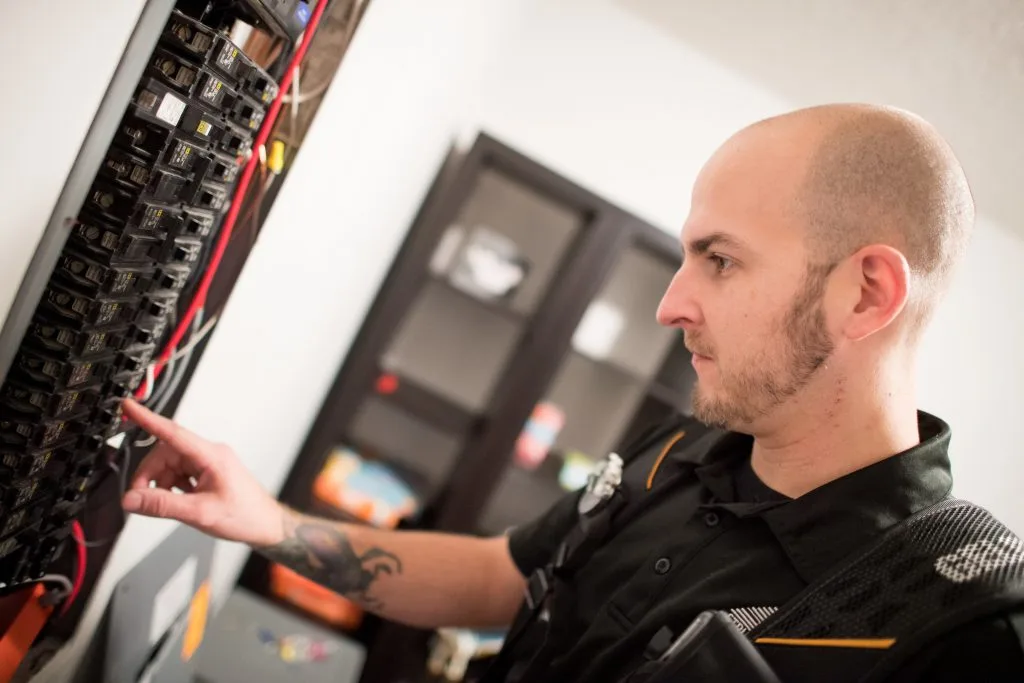
- Electrical systems: Wiring, circuit breakers, outlets
- Plumbing: Pipes, water pressure, drainage functionality
- HVAC systems: Heating, ventilation, and air conditioning performance
- Exterior elements: Siding, windows, doors, grading
According to the American Society of Home Inspectors, these examinations typically take 2-4 hours and provide buyers with an objective assessment of the property’s current condition. The resulting inspection report becomes a crucial document that can influence negotiation strategies, repair requests, and ultimately, the purchase decision.
Professional inspectors use specialized tools and techniques to detect potential problems that might not be visible to an untrained eye. They look for signs of water damage, structural wear, electrical hazards, and other issues that could represent significant future expenses for homeowners.
Key considerations for home buyers during a general inspection include:
- Understanding the difference between minor cosmetic issues and major structural problems
- Recognizing potential repair costs and negotiation opportunities
- Assessing the overall maintenance history of the property
While a general home inspection covers extensive ground, it is not exhaustive. Some specialized assessments might require additional targeted inspections, which we will explore in subsequent sections of this guide.
2: Specialized Inspections: What They Cover
While general home inspections provide a broad overview, specialized inspections dive deeper into specific areas of potential concern. These targeted assessments help buyers understand nuanced risks that might not be immediately apparent during a standard home inspection.
Understanding the specific inspections needed can save homebuyers significant financial and emotional stress in the long run.
Specialized inspections focus on particular home systems or potential environmental risks. According to the International Association of Certified Home Inspectors, these assessments provide critical insights beyond general evaluations.
Key specialized inspections that home buyers should consider include:
- Radon Testing: Detects dangerous radioactive gas levels
- Mold Inspection: Identifies hidden moisture and potential health hazards
- Pest Inspection: Checks for termites, rodents, and structural damage
- Asbestos Assessment: Identifies potentially harmful building materials
- Lead Paint Evaluation: Critical for homes built before 1978
Reasons to pursue specialized inspections:
- Uncover hidden structural or environmental risks
- Protect your health and investment
- Negotiate repair costs or purchase price
- Gain comprehensive understanding of property condition
Each specialized inspection requires specific expertise and equipment. Professional inspectors use advanced diagnostic tools to detect issues invisible to untrained eyes. While these assessments come with additional costs, they provide invaluable insights that can prevent expensive repairs and potential health risks.
Homebuyers should view specialized inspections as strategic investments in their future property. The relatively modest upfront expense can potentially save thousands in unforeseen repair and remediation costs.
3: Pest Inspection: Spotting Termites and More
Pest inspections are critical evaluations that go beyond a standard home inspection, focusing specifically on detecting destructive insects and potential infestations that could compromise a property’s structural integrity.
Learn more about home inspection essentials to understand how pest assessments fit into your overall property evaluation strategy.
According to the National Pest Management Association, termites alone cause approximately $5 billion in property damage annually in the United States, making these inspections crucial for homebuyers.
A professional pest inspection typically involves a comprehensive examination of both interior and exterior spaces, looking for signs of active or potential pest problems. Trained inspectors utilize specialized tools and techniques to identify subtle indicators of infestation that might escape an untrained eye.
Key pests that inspectors investigate include:
- Termites
- Carpenter ants
- Rodents
- Wood-destroying beetles
- Cockroaches
- Bed bugs
Critical aspects of a thorough pest inspection encompass:
- Detailed structural assessment
- Wood damage evaluation
- Moisture content analysis
- Foundation and crawl space examination
- Identification of potential entry points
Beyond immediate damage concerns, pest inspections provide essential information about a property’s long-term maintenance requirements. Some insurance policies and mortgage lenders even mandate these specialized assessments before finalizing a property transaction.
While the cost of a pest inspection might seem like an additional expense, it represents a strategic investment in protecting your potential home. The relatively modest fee can prevent thousands of dollars in future repair costs and potential structural damage.
4: Mold Inspection: Ensuring a Healthy Home
Mold inspections represent a critical health and safety assessment that goes beyond typical home evaluations. These specialized examinations identify potential moisture-related issues and hidden fungal growth that could compromise both structural integrity and occupant health.
Learn the essentials of mold testing in Chicago homes to understand the comprehensive nature of these critical inspections.
According to the Environmental Protection Agency, mold can begin growing within 24-48 hours of moisture exposure, making timely detection crucial for homeowners. Professional mold inspectors utilize advanced diagnostic tools to detect potential growth in areas often invisible to the naked eye.
Potential health risks associated with mold exposure include:
- Respiratory complications
- Allergic reactions
- Asthma triggers
- Skin irritations
- Neurological symptoms
Professional mold inspections involve a comprehensive evaluation that extends far beyond surface-level observations. Key areas of focus during these assessments include:
- Basement and crawl spaces
- Attic and roof structures
- Interior wall cavities
- HVAC systems
- Plumbing connections
- Window and door frames
Inspectors employ multiple techniques to assess mold risks, including moisture meter readings, thermal imaging, air quality testing, and visual examination. These methods help identify both active mold growth and potential conditions conducive to future fungal development.
While some homebuyers might consider mold testing an optional expense, it represents a strategic investment in long-term property health. Identifying and addressing moisture issues early can prevent extensive structural damage and potential health complications, potentially saving thousands in future remediation costs.
5: Roof Inspection: Checking for Damage and Life Span
Roof inspections are crucial assessments that evaluate the structural integrity, current condition, and potential remaining lifespan of a home’s most critical protective element. These specialized evaluations help homebuyers understand potential repair costs and future maintenance requirements.
Learn how to spot a roof that might need replacing to make informed purchasing decisions.
According to the National Roofing Contractors Association, most residential roofs have an average lifespan of 20-30 years, depending on materials, installation quality, and environmental conditions. Professional roof inspectors conduct comprehensive assessments that extend far beyond visual surface examinations.
Critical elements evaluated during a roof inspection include:
- Shingle condition and wear
- Structural decking integrity
- Flashing and seal quality
- Water drainage systems
- Potential moisture infiltration points
Potential issues discovered during roof inspections:
- Cracked or missing shingles
- Water damage and potential leaks
- Structural sagging
- Inadequate ventilation
- Improper installation techniques
Professional inspectors use specialized equipment like infrared cameras and moisture meters to detect hidden problems that might not be visible during a standard walk-around assessment. These tools help identify potential water intrusion, insulation gaps, and structural weaknesses that could lead to significant repair expenses.
Homebuyers should recognize that roof inspections represent a strategic investment in understanding a property’s overall condition. The relatively modest cost of a professional evaluation can potentially save thousands in unexpected repair or replacement costs, providing critical insights into the home’s long-term maintenance requirements.
6: Radon Inspection: Testing for Safety
Radon inspections are critical health assessments that detect potentially dangerous radioactive gas accumulations in residential properties. This invisible, odorless threat can pose significant long-term health risks if left undetected and unmitigated.
Learn more about home safety checks and potential hazards to comprehensively protect your future home environment.
According to the Environmental Protection Agency, radon is the second leading cause of lung cancer in the United States, responsible for approximately 21,000 lung cancer deaths annually. Professional radon testing provides homebuyers with critical insights into potential health risks associated with their prospective property.
Health risks associated with prolonged radon exposure include:
- Lung cancer development
- Respiratory complications
- Increased genetic mutation risks
- Potential cellular damage
- Compromised immune system function
Key elements of a comprehensive radon inspection:
- Precise measurement of radioactive gas levels
- Identification of potential entry points
- Assessment of basement and ground-level concentrations
- Evaluation of home’s ventilation systems
- Recommendations for mitigation strategies
Professional radon inspectors utilize advanced testing equipment that can detect even minimal gas concentrations. Short-term and long-term testing methods provide different levels of insight, with long-term tests offering more comprehensive data about potential radon accumulation.
Homebuyers should recognize that radon levels can vary significantly between neighboring properties, making individual testing crucial. The modest investment in a professional radon inspection can potentially prevent substantial health risks and provide peace of mind during the home purchasing process.
7: Final Walkthrough Inspection: Last-Minute Checks
Final walkthrough inspections represent the critical last opportunity for homebuyers to verify property conditions before closing the transaction. This comprehensive review ensures that negotiated repairs have been completed and the property remains in the expected condition since the initial home inspection.
Check out our comprehensive end of inspection checklist to maximize your final walkthrough effectiveness.
According to the National Association of Realtors, final walkthroughs typically occur 24 hours before closing, providing buyers a crucial window to confirm property readiness. Professional inspectors recommend a meticulous approach to these final assessments.
Critical elements to examine during final walkthrough:
- Negotiated repairs completed correctly
- No new damages since initial inspection
- Appliances functioning properly
- Utilities operational
- Agreed-upon fixtures and equipment present
Potential red flags to investigate:
- Unauthorized modifications
- Incomplete repair work
- Evidence of new water damage
- Missing agreed-upon items
- Unexpected maintenance issues
A thorough final walkthrough goes beyond superficial observations. Buyers should test every electrical outlet, run water in multiple fixtures, check all major systems, and confirm that previously identified issues have been professionally addressed. This last inspection serves as a buyer’s final protective measure before assuming full property ownership.
While not a comprehensive home inspection, the final walkthrough provides an essential opportunity to verify the property’s condition matches the agreed-upon terms. Homebuyers should approach this process systematically, documenting any discrepancies immediately to protect their investment and negotiate potential last-minute corrections.
Below is a comprehensive table summarizing the seven essential types of home inspections every buyer should understand, including their focus, key benefits, and why each matters in the home buying process.
| Inspection Type | What It Covers | Key Benefits | Why It Matters for Buyers |
|---|---|---|---|
| General Home Inspection | Structural, electrical, plumbing, HVAC, exterior | Reveals overall property condition, uncovers major issues | Informs negotiations, avoids hidden costs |
| Specialized Inspections | Radon, mold, pests, asbestos, lead paint | Detects specific risks not found in general inspection | Ensures safety, identifies environmental/structural hazards |
| Pest Inspection | Termites, carpenter ants, rodents, wood beetles | Prevents costly structural damage, insurance compliance | Protects investment, avoids surprise infestations |
| Mold Inspection | Hidden moisture, mold in attics, HVAC, basements | Prevents health issues, ensures air quality | Safeguards health, prevents extensive property damage |
| Roof Inspection | Shingles, decking, flashing, drainage, installation | Estimates lifespan, uncovers leaks/weakness | Predicts maintenance, negotiates repairs, prevents expensive surprises |
| Radon Inspection | Radioactive gas testing (basement, entry points) | Reduces lung cancer and respiratory risk | Assures safe living environment, mitigates major long-term health risks |
| Final Walkthrough Inspection | Repairs completion, utilities, appliances, fixtures | Confirms property is as agreed before closing | Protects interests, avoids last-minute surprises, ensures readiness |
Secure Your Purchase With Expert Home Inspection Services
You have just discovered the essential types of home inspections every buyer should know, but understanding what to look for is only the first step. The real challenge is ensuring you do not miss hidden problems that could cost you thousands later or impact your family’s safety. Whether it is uncovering mold, spotting unseen roof damage, or ensuring your new home is free from pest infestations, you deserve total confidence before you close. Chicago buyers face unique risks, from aging structures to unpredictable weather, making a professional and thorough inspection even more critical.
Why risk your investment or peace of mind? Our team at Chicago Home Inspector delivers what buyers need right now. We provide InterNACHI certified, insured, and BBB accredited inspections throughout Chicago and the suburbs. If you want to schedule a comprehensive Buyer Pre-Purchase Inspection, arrange Mold Testing, or even plan a Yearly Home Checkup for total confidence, we are ready to support you on weekends and at your convenience. Do not wait until closing to find surprises. Protect your future today by booking your inspection now and make your home purchase secure from the start.
Frequently Asked Questions
What is a general home inspection, and why is it important?
A general home inspection is a comprehensive assessment of a property’s condition, including structural integrity, electrical systems, plumbing, HVAC, and exterior elements. It’s crucial for providing buyers with insights into potential issues and future maintenance needs before finalizing a purchase.
What are specialized inspections, and when should I consider them?
Specialized inspections focus on specific areas of concern, such as radon testing, mold inspection, or pest inspections. Buyers should consider them if there are potential risks or specific concerns about a property’s environmental conditions or structural integrity beyond what a general inspection covers.
How often should I conduct pest inspections on a home?
While it’s recommended to conduct pest inspections during the home buying process, homebuyers should also perform them regularly afterward, ideally annually, to detect infestations early and prevent significant damage, especially if pests are common in the area.
What should I check during a final walkthrough inspection before closing?
During a final walkthrough, confirm that negotiated repairs have been completed, check for new damages, ensure appliances and utilities are functioning, and verify that all agreed-upon fixtures and equipment are present to avoid any surprises after closing.