Over 60 percent of Chicago homes face issues like hidden leaks or outdated wiring that go unnoticed until they cause serious damage. Keeping your property safe in a city known for wild temperature swings means staying vigilant about structural health and maintenance. Whether you live in a historic bungalow or a modern condo, knowing what to check during a home inspection helps you catch small problems before they turn into expensive surprises.
Table of Contents
- Check The Roof And Attic For Leaks Or Damage
- Inspect Heating And Cooling Systems Functionality
- Review Electrical Wiring And Safety Features
- Test Plumbing And Water Fixtures For Leaks
- Examine Walls, Ceilings, And Floors For Issues
- Look For Signs Of Mold And Moisture Problems
- Assess Windows, Doors, And Exterior Structures
Quick Summary
| Key Message | Explanation |
|---|---|
| 1. Regular Roof Inspections Are Essential | Inspect for leaks, damaged shingles, and gutter blockages to prevent costly repairs and structural damage. |
| 2. Optimize HVAC System Maintenance | Regularly check thermostat settings, air filters, and system controls to ensure energy efficiency and prevent breakdowns. |
| 3. Evaluate Electrical Systems for Safety | Inspect wiring, panels, and outlets, especially in older homes, to avoid electrical hazards and ensure functionality. |
| 4. Detect Plumbing Leaks Promptly | Regularly check for signs of leaks and water stains in pipes and fixtures to safeguard your home from water damage. |
| 5. Identify Signs of Mold and Moisture | Look for musty odors and water stains to catch moisture issues early and protect health and structural integrity. |
1. Check the Roof and Attic for Leaks or Damage
Your roof and attic are your home’s first line of defense against Chicago’s unpredictable weather. Spotting potential leaks or damage early can save you thousands in repair costs and prevent structural deterioration.
According to the General Services Administration, proper roof inspection involves more than a quick glance. Homeowners should meticulously examine several critical areas:
- Roof Surface: Look for missing, cracked, or curling shingles that could signal water entry points
- Flashing: Check around chimneys, vent pipes, and roof projections for proper sealing
- Gutters: Ensure they are clear of debris to prevent water backup and potential roof damage
In Chicago neighborhoods like Lincoln Park or Wicker Park, where older homes are common, roof maintenance becomes even more crucial. Water damage can spread quickly through historic home structures, compromising wooden frames and interior walls.
How to Spot a Roof That Might Need Replacing provides additional insights into recognizing potential roof issues. Professional home inspectors recommend a thorough attic examination using a bright flashlight to identify water stains, mold growth, or wood rot indicative of ongoing leaks.
When inspecting, pay special attention to the attic’s insulation and ventilation. Dark spots, musty odors, or visible water trails are red flags that warrant immediate professional assessment. Remember that catching roof problems early can prevent extensive and expensive repairs down the line.
2. Inspect Heating and Cooling Systems Functionality
Your home heating and cooling system represents a significant investment and plays a critical role in maintaining comfort and energy efficiency. Regular inspection helps prevent unexpected breakdowns and ensures optimal performance throughout Chicago’s extreme temperature fluctuations.
According to ENERGY STAR, comprehensive HVAC maintenance involves several key assessments. Homeowners should focus on critical system components that directly impact performance and longevity.
Key Inspection Areas:
- Thermostat calibration and settings
- Electrical connection tightness
- Moving parts lubrication
- System control functionality
- Air filter condition
In neighborhoods like Evanston or Oak Park, where older homes often feature aging HVAC systems, thorough inspections become even more crucial. Smart Thermostats: Everything You Need to Know can provide additional insights into modernizing your home climate control.
Professional home inspectors recommend checking for unusual noises, inconsistent temperatures between rooms, and unexplained increases in utility bills. These can signal potential system issues that might require immediate professional attention. Remember that proactive maintenance can extend your HVAC system’s lifespan and prevent costly emergency repairs.
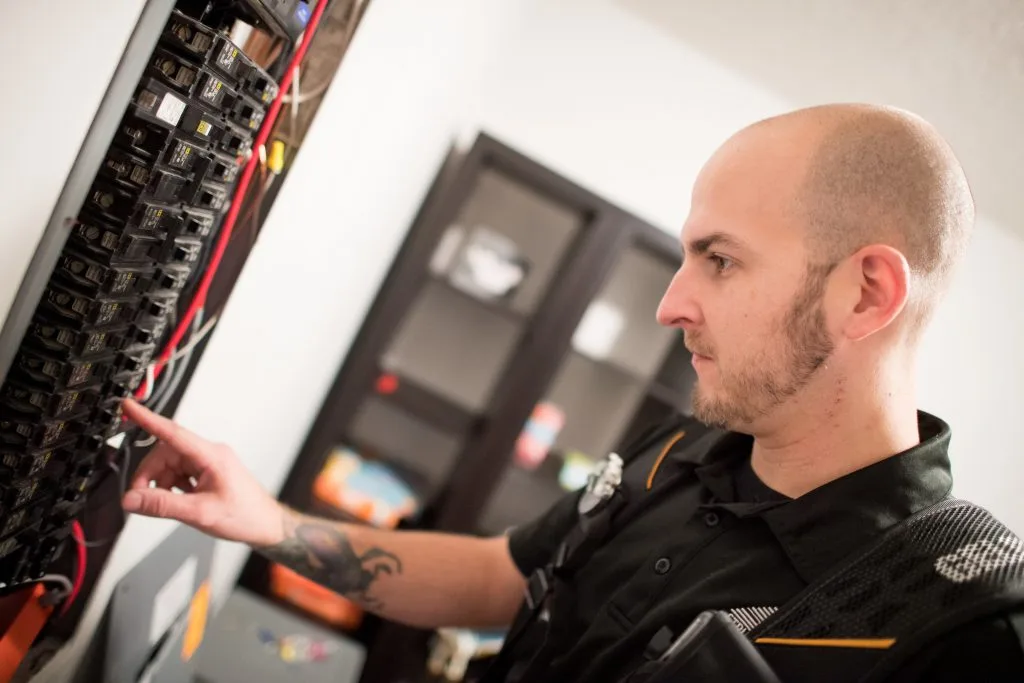
3. Review Electrical Wiring and Safety Features
Electrical systems are the hidden lifeline of your home, silently powering everything from your morning coffee maker to your evening entertainment. Understanding and inspecting these systems can prevent potential hazards and ensure your family’s safety.
InterNACHI’s Standards of Practice outlines comprehensive guidelines for evaluating electrical systems. Professional home inspectors meticulously examine several critical components to assess overall electrical health and safety.
Key Electrical Inspection Areas:
- Service entrance conductors
- Electrical panels and circuit breakers
- Grounding and bonding systems
- Representative lighting fixtures
- Electrical switches and receptacles
In older Chicago neighborhoods like Bucktown or Logan Square, where vintage homes are common, electrical systems can present unique challenges. Electrical Home Inspection: Red Flags in Older Chicago Homes provides additional insights into potential electrical system risks.
Special attention should be paid to signs of outdated wiring such as aluminum wiring, knob and tube systems, or insufficient amperage for modern electrical demands. Watch for warning signs like frequently tripped breakers, warm outlets, burning smells, or visible wire damage. These could indicate serious underlying electrical problems that require immediate professional evaluation.
4. Test Plumbing and Water Fixtures for Leaks
Plumbing systems are the hidden arteries of your home, silently delivering water and removing waste. Detecting potential leaks early can save you from costly water damage and prevent structural issues that could compromise your property.
InterNACHI’s Standards of Practice provides comprehensive guidelines for thorough plumbing inspections. Professional home inspectors meticulously examine interior water supply systems, drainage networks, and individual fixtures to ensure optimal functionality.
Critical Plumbing Inspection Points:
- Water supply system integrity
- Drainage and waste system performance
- Faucet and fixture leak detection
- Water pressure assessment
- Visible pipe condition
In older Chicago neighborhoods like Wicker Park or Bucktown, where vintage homes are common, plumbing systems can present unique challenges. Can’t Find Water Leak? Hidden Leak Detection Guide offers additional insights into identifying subtle water leaks.
Pay special attention to signs of potential plumbing issues such as water stains, musty odors, unusual sounds in pipes, or unexplained increases in water bills. These could indicate hidden leaks that require immediate professional investigation. Remember that proactive plumbing maintenance can prevent significant repair costs and protect your home’s structural integrity.
5. Examine Walls, Ceilings, and Floors for Issues
Your home’s walls, ceilings, and floors are more than just aesthetic elements they are critical indicators of your property’s overall structural health. Understanding how to identify potential issues can save you from costly repairs and prevent minor problems from escalating into major structural concerns.
InterNACHI’s Standards of Practice emphasizes the importance of comprehensive interior surface inspections. Professional home inspectors meticulously evaluate these areas for signs of underlying problems that might compromise your home’s integrity.
Key Inspection Focus Areas:
- Structural crack patterns
- Water stain identification
- Floor levelness and stability
- Ceiling sagging or discoloration
- Wall alignment and potential settlement issues
In historic Chicago neighborhoods like Lincoln Park or Bucktown, where older homes are prevalent, understanding these nuanced inspection points becomes even more critical. Cracks, Stains, and Squeaks: Complete Home Guide provides additional insights into identifying potential home structural challenges.
Pay special attention to subtle signs such as hairline cracks near window frames, uneven floor surfaces, or slight ceiling discolorations. These seemingly minor indicators could signal significant underlying issues like foundation settlement, water intrusion, or structural movement that require professional evaluation.
6. Look for Signs of Mold and Moisture Problems
Mold and moisture are silent destroyers that can compromise your home’s structural integrity and pose serious health risks. Understanding how to detect early warning signs can protect your investment and safeguard your family’s wellbeing.
InterNACHI’s Standards of Practice emphasizes the critical importance of identifying moisture intrusion and potential mold growth. Professional home inspectors meticulously assess areas prone to dampness and hidden water damage.
Critical Moisture and Mold Warning Signs:
- Musty or earthy odors
- Visible dark or discolored patches
- Water stains on walls or ceilings
- Peeling paint or wallpaper
- Unexplained respiratory symptoms
In Chicago’s humid summers and cold winters, older neighborhoods like Wicker Park or Logan Square are particularly susceptible to moisture challenges. How to Spot Water Damage Before It Becomes Costly provides additional insights into identifying potential moisture issues.
Pay special attention to hidden areas such as crawl spaces, attics, and behind furniture where moisture can accumulate unnoticed. Condensation on roof decks or persistent dampness in basement areas often indicates more significant underlying moisture problems that require professional investigation.
7. Assess Windows, Doors, and Exterior Structures
Windows and doors are more than aesthetic elements they are critical components that protect your home from Chicago’s unpredictable weather and contribute to your property’s overall energy efficiency and security.
InterNACHI’s Standards of Practice emphasizes comprehensive evaluation of exterior structures to identify potential defects and performance issues. Professional home inspectors carefully examine these critical building elements for signs of wear, improper installation, or potential structural compromise.
Key Inspection Focus Areas:
- Window seal and frame integrity
- Door alignment and operation
- Weatherstripping condition
- Exterior structure stability
- Potential water intrusion points
In historic Chicago neighborhoods like Lincoln Park or Old Town, where vintage homes are prevalent, understanding the nuanced condition of windows and doors becomes even more critical. Is Your Deck or Porch Safely Installed? Complete Guide provides additional insights into assessing exterior structural elements.
Pay special attention to signs of potential issues such as drafts, difficulty opening or closing windows and doors, visible gaps in sealing, or evidence of water damage around frames. These subtle indicators can signal more significant underlying problems that may require professional intervention and could impact your home’s long term performance and value.
Below is a comprehensive table summarizing the key home inspection areas discussed throughout the article, focusing on maintenance and potential issues in older Chicago homes.
| Inspection Area | Key Points & Actions | Benefits/Outcomes |
|---|---|---|
| Roof and Attic | Examine roof surface, flashing, and gutters; inspect attic for leaks and insulation issues. | Early detection of leaks prevents costly repairs and structural damage. |
| HVAC Systems | Check thermostat, electrical connections, system controls, and air filters. | Ensures optimal performance and energy efficiency, preventing breakdowns. |
| Electrical Wiring | Inspect service conductors, panels, grounding, and fixtures. | Reduces risk of electrical hazards and ensures safety. |
| Plumbing Systems | Assess water supply, drainage, fixtures, and pipes. | Identifies leaks, preventing water damage and ensuring system efficiency. |
| Walls, Ceilings, Floors | Look for cracks, water stains, and structural irregularities. | Detects underlying issues, preventing further structural damage. |
| Mold and Moisture | Identify odors, stains, and humid areas. | Prevents health risks and structural compromise caused by mold growth. |
| Windows and Doors | Check seals, alignment, and weatherstripping; assess exterior structures. | Improves energy efficiency and prevents water intrusion. |
Take Control of Your Home’s Safety with Expert Inspection Services
Identifying issues like roof leaks, outdated electrical wiring, hidden mold, or plumbing problems is crucial to protecting your investment and ensuring your family’s well-being. The challenges outlined in the “7 Essential Steps in a Home Inspection Checklist Guide” highlight the importance of thorough inspections that catch costly problems early and maintain your home’s structural integrity.
Don’t wait until minor cracks become major repairs or unnoticed moisture leads to health risks. With our Buyer Pre-Purchase Inspections and Yearly Home Checkup, you gain peace of mind knowing licensed, insured, and InterNACHI certified professionals are evaluating every critical component—from your roof to your HVAC systems. Ready to protect your Chicago home from hidden threats Take the first step today by scheduling your home inspection with us. Secure your home’s future now before problems escalate.
Frequently Asked Questions
How can I check my roof and attic for leaks?
To check your roof and attic for leaks, inspect the roof surface for missing or cracked shingles and examine the flashing around chimneys and vents. Use a flashlight to look for water stains or mold in the attic, and ensure the gutters are clear for proper drainage. Take immediate action if you spot any issues to prevent further damage.
What should I include in my HVAC system inspection?
When inspecting your HVAC system, focus on critical components like thermostat calibration, air filter condition, and electrical connections. Regular maintenance checks can ensure optimal functionality and energy efficiency. Schedule inspections before the seasonal temperature changes for the best results.
What signs indicate potential electrical issues in my home?
Look for frequently tripped breakers, warm outlets, or burning smells, as these may signal potential electrical problems. Inspect the electrical panel and wiring to ensure everything meets modern safety standards. Address any issues promptly to enhance safety and prevent hazards.
How do I identify plumbing leaks in my home?
To identify plumbing leaks, check for water stains, musty odors, and listen for unusual sounds in the pipes. Evaluate your water pressure and inspect fixtures for any visible damage. Take proactive measures by performing regular checks to prevent costly repairs over time.
What key areas should I examine during an interior inspection?
During an interior inspection, assess the walls, ceilings, and floors for cracks, water stains, and signs of sagging. Pay attention to any unusual alignments or levelness issues that may indicate structural problems. Conduct these inspections regularly to maintain your home’s integrity and value.
How can I detect mold and moisture problems in my home?
To detect mold and moisture problems, look for musty odors, visible dark patches, and water stains on ceilings or walls. Check hidden areas like crawl spaces and attics for signs of dampness. Address any identified issues immediately to protect your home and health.