
What’s in this library
The following photos document HVAC conditions during a home inspection. These images highlight safety concerns, maintenance issues, and areas where repairs or further evaluation are recommended. They are provided for your reference and to help illustrate the findings noted in the inspection report.
Free Use for Educational & Media Purposes
We believe in sharing knowledge. Students, content creators, bloggers, educators, journalists, and other media professionals are welcome to use these images for free — as long as proper credit is given.
How to Give Credit:
When using our images, please include:
- A visible credit line near the image or in your content footer
- A link back to our website
Example citation format:
Photo courtesy of Chicago Home Inspect LLC
Step-by-step:
- Download the image you’d like to use
- Add it to your content (blog, article, video, presentation, etc.)
- Place the credit line exactly as shown above, linking to our site
- If using on social media, tag @chicagohomeinspect in the caption
We appreciate your support in helping more people learn about home maintenance and inspection issues.
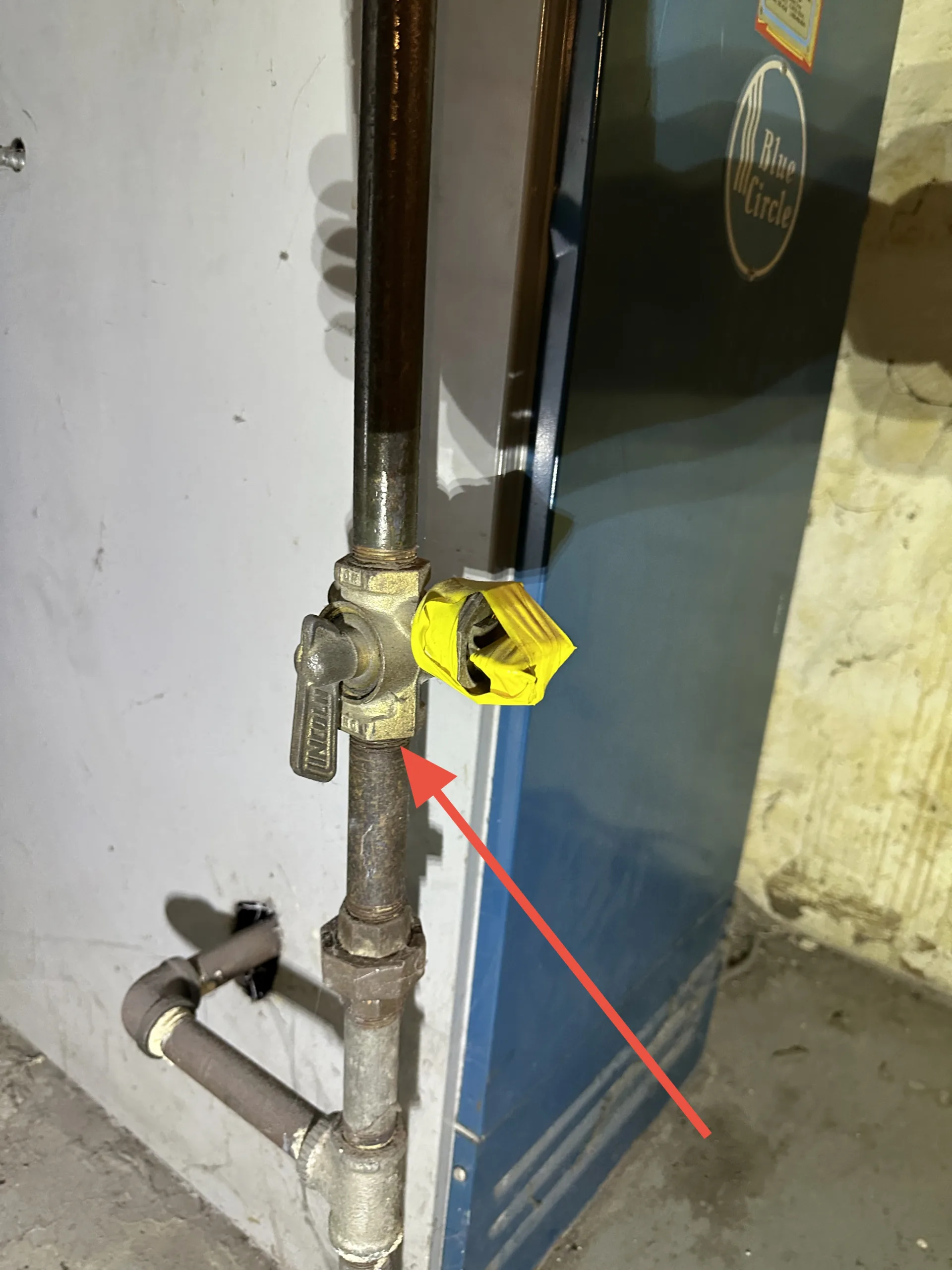
Boiler – Gas Leak at the Valve
A gas valve near the boiler shows evidence of a leak, which is a serious safety hazard, so the gas line should be tested and repaired by a licensed professional immediately.
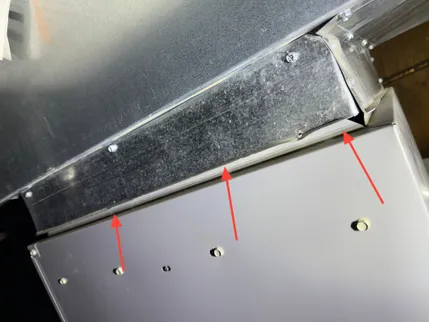
Ductwork – Leaking at the Air Handler
Visible gaps are present where the ductwork meets the HVAC unit, allowing air to leak out and reducing efficiency, so the joints should be properly sealed with approved materials.
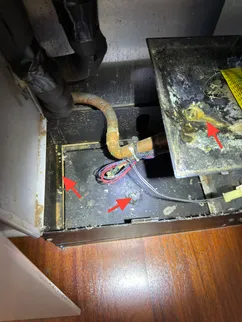
Fan Coil – Heavy Condensation and Staining
Signs of heavy condensation and staining are visible inside the unit, which can indicate drainage problems or poor airflow, so the system should be serviced to correct the moisture issue and prevent damage.
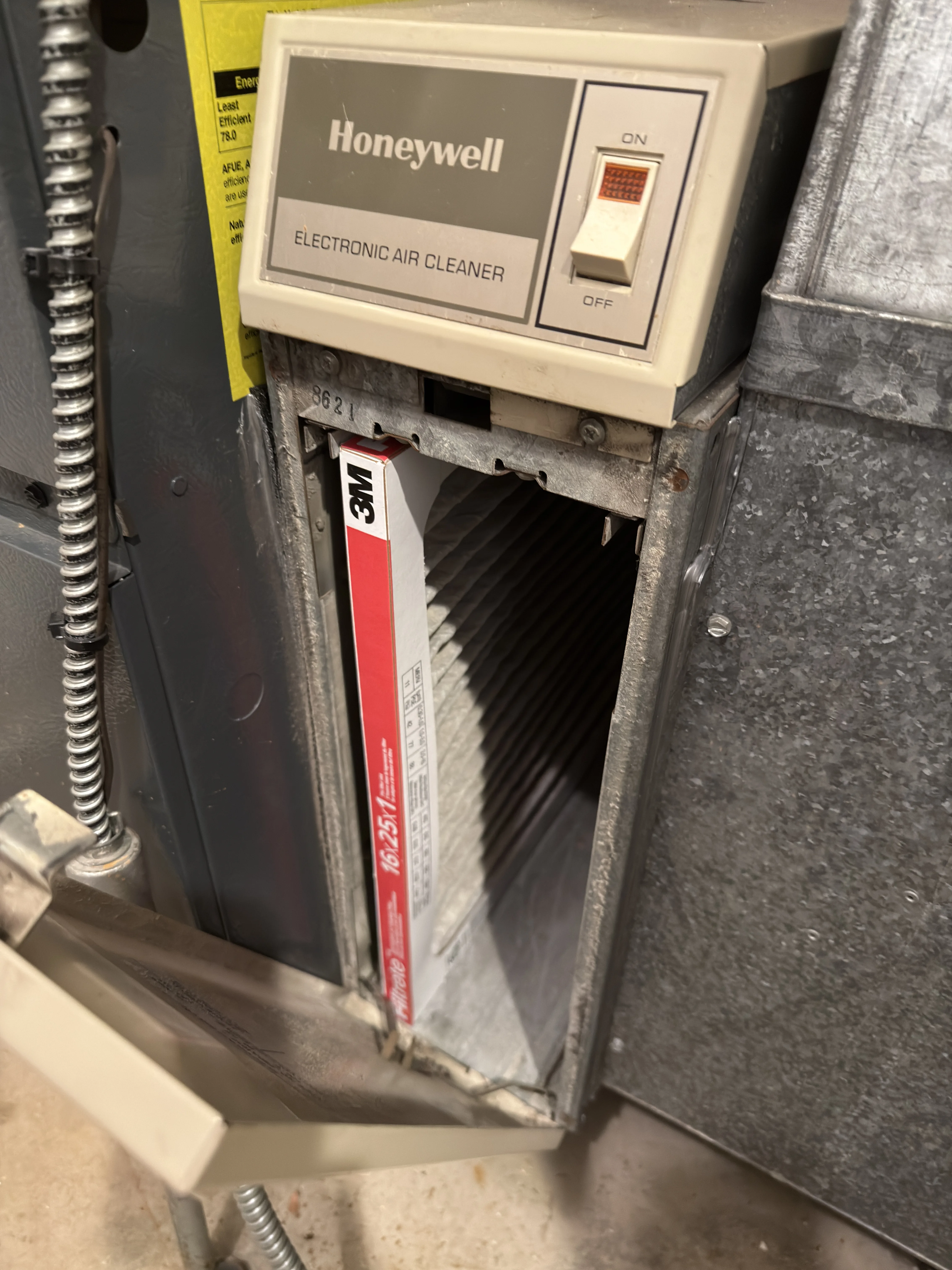
Furnace Filter – Wrong Size, Not Sealing
The furnace filter is not the correct size and does not seal properly inside the air cleaner, which reduces efficiency and allows dust to bypass the filter, so the filter should be replaced with one that fits securely.
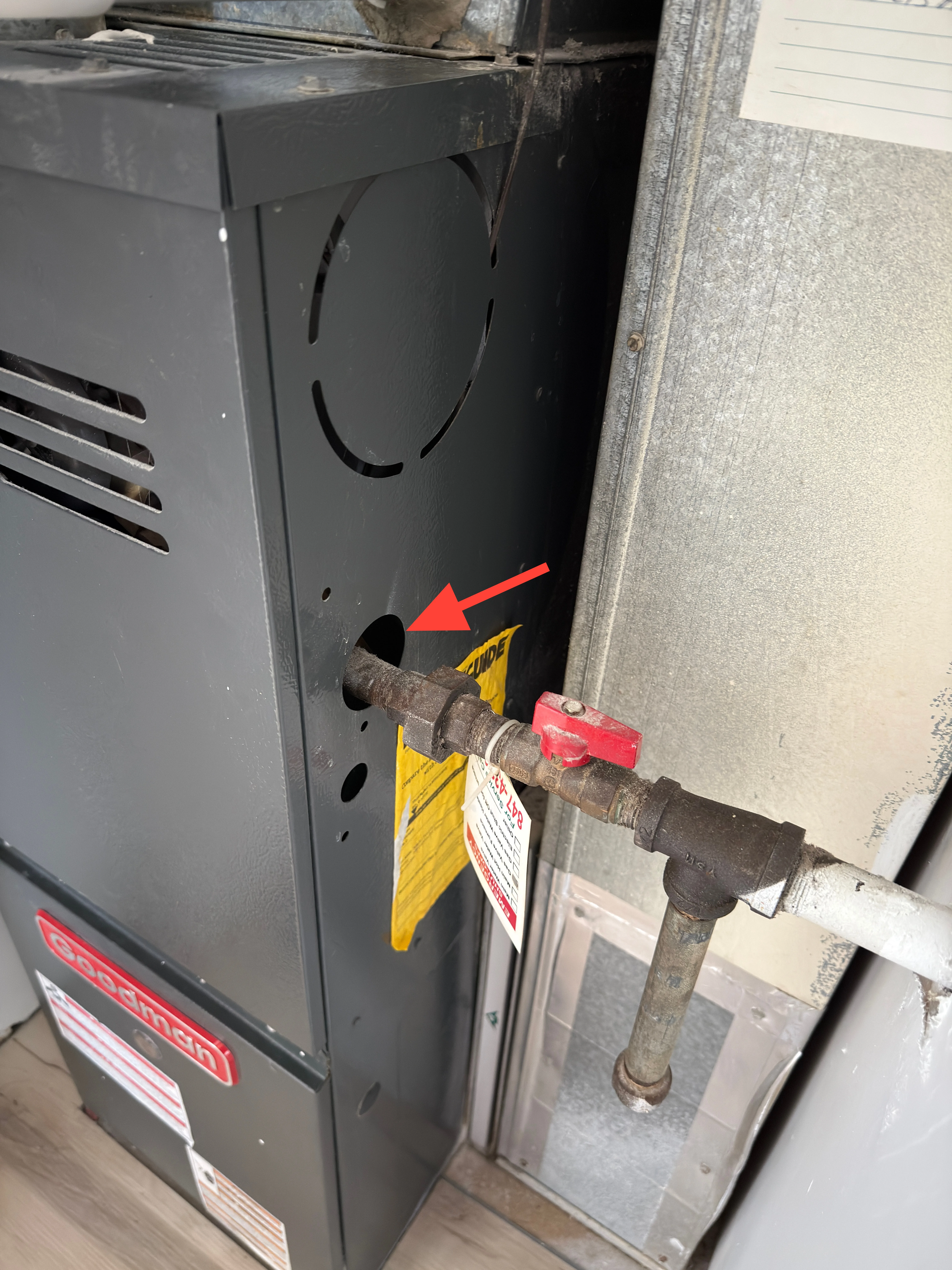
Furnace Gas Line – Missing Bushing at the Cabinet
The gas line entering the furnace cabinet is missing a proper bushing or seal, leaving a gap around the pipe that could allow movement, chafing, or gas leaks, so a proper fitting should be installed.
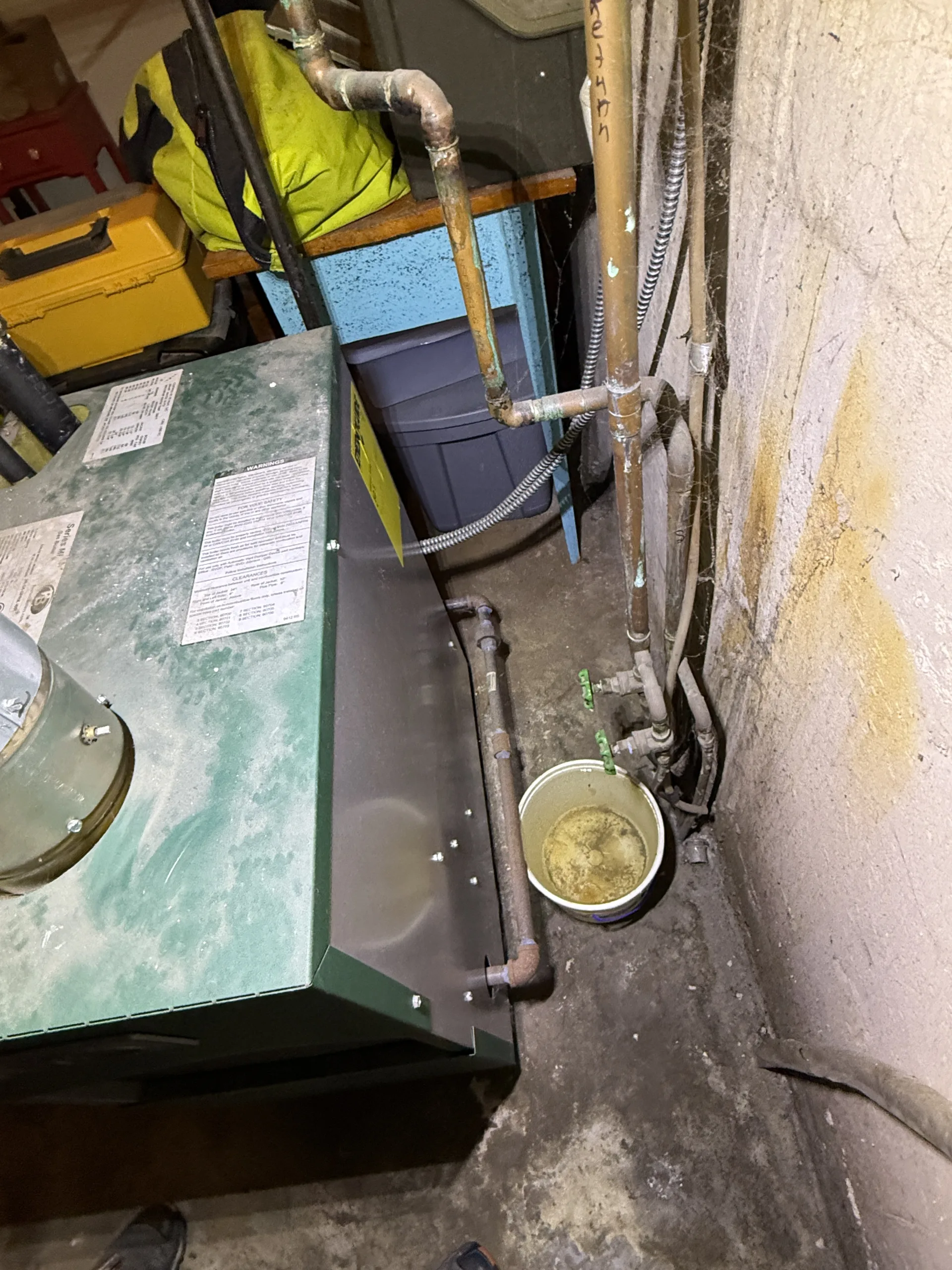
Boiler – Leak Collected in a Bucket
A bucket is collecting water near the boiler, which suggests there is an active or recent leak from the piping or the boiler itself, and this should be inspected and repaired to prevent further damage.
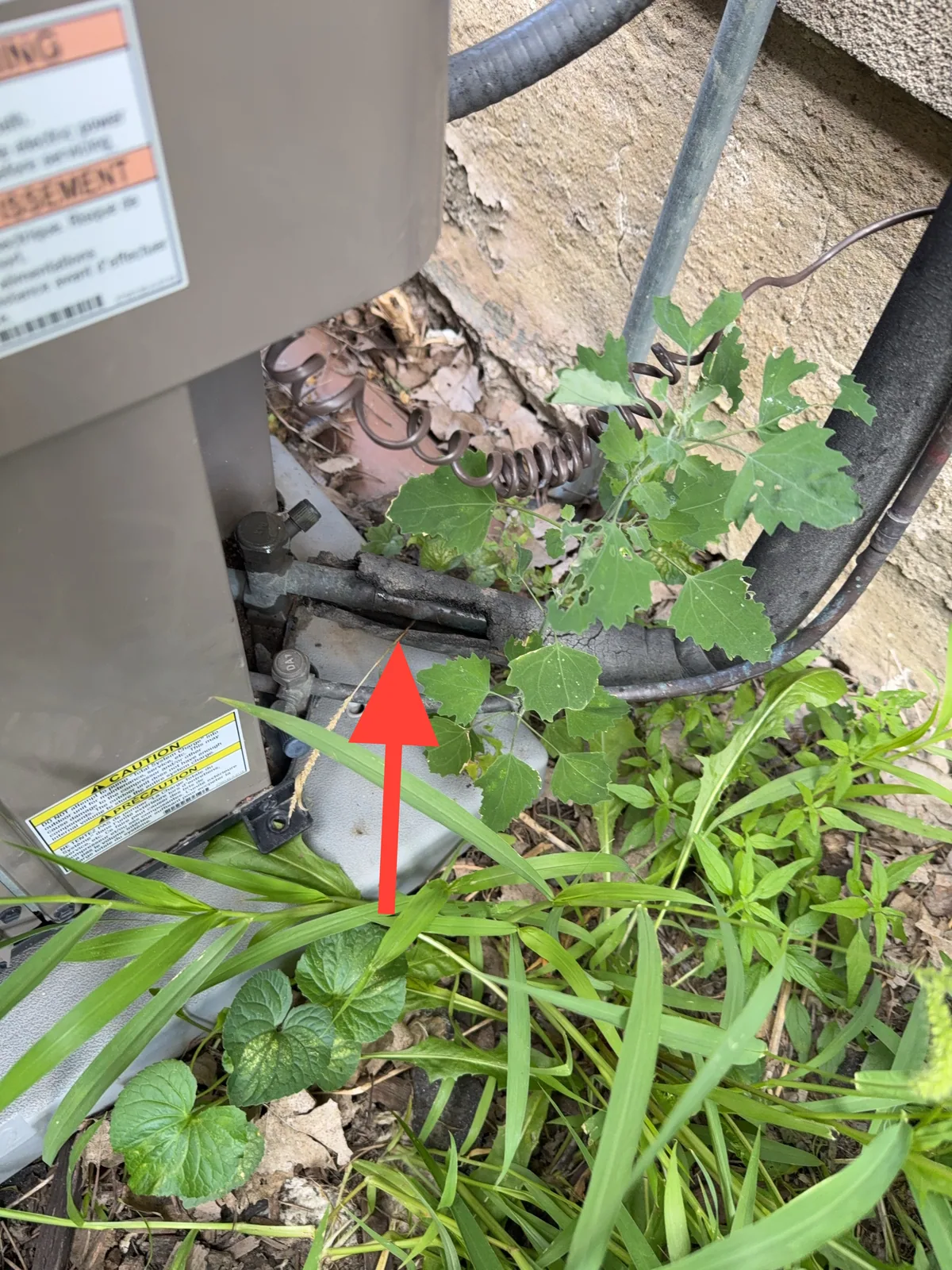
Refrigerant Line – Insulation Torn and Deteriorated
The insulation on the refrigerant suction line at the condensing unit is torn and deteriorated, leaving sections of the line bare. Uninsulated suction line loses cooling capacity and sweats heavily in humid weather. A qualified HVAC technician should replace the line insulation.
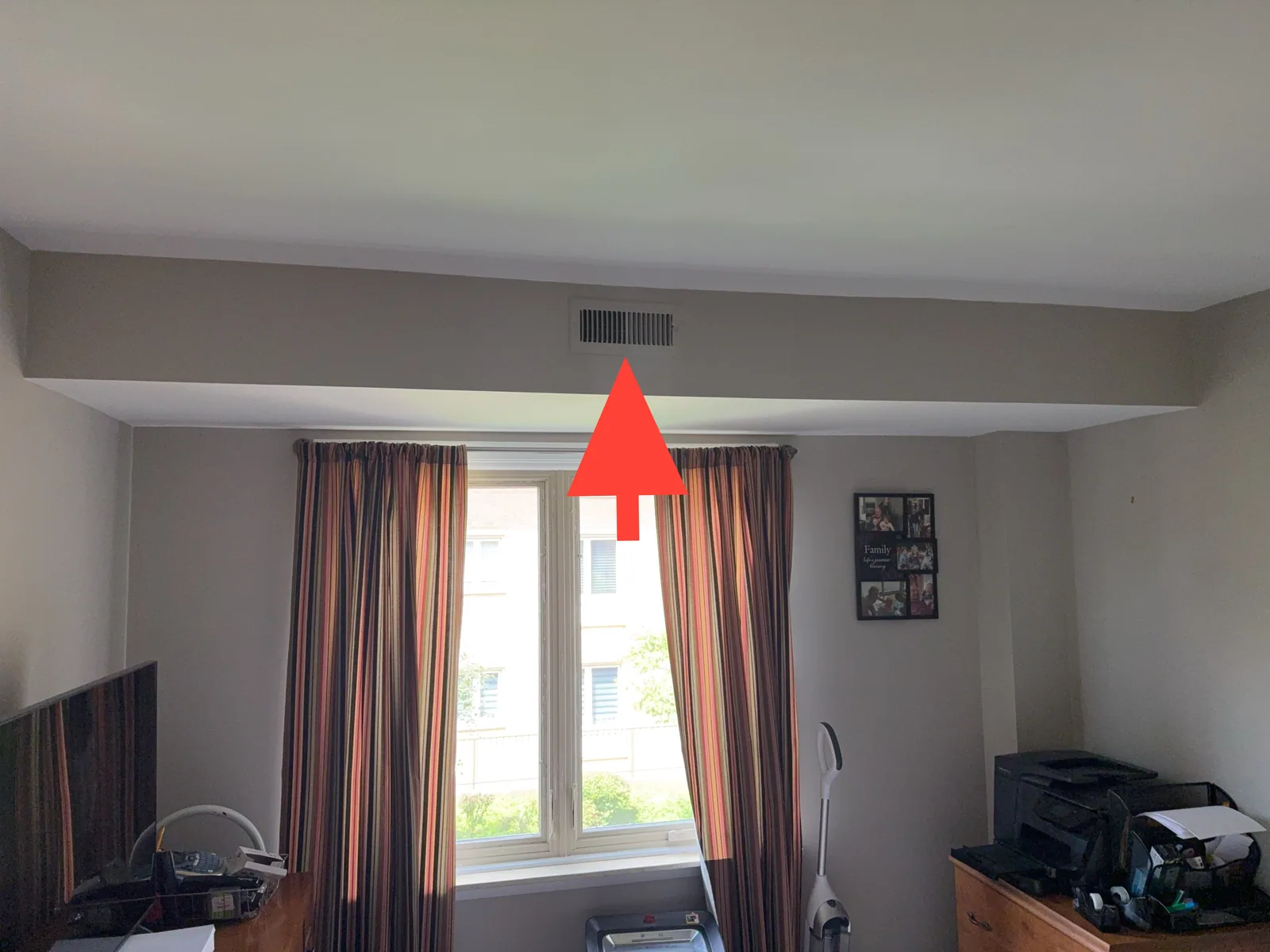
Bedrooms – No Dedicated Return Air
The bedrooms have supply registers but no dedicated return openings, relying on undercut gaps at the doors as the return path. Where those undercuts are small or blocked by flooring, the room pressurizes, airflow drops, and temperatures go uneven. A qualified HVAC contractor should evaluate whether the return path is adequate.
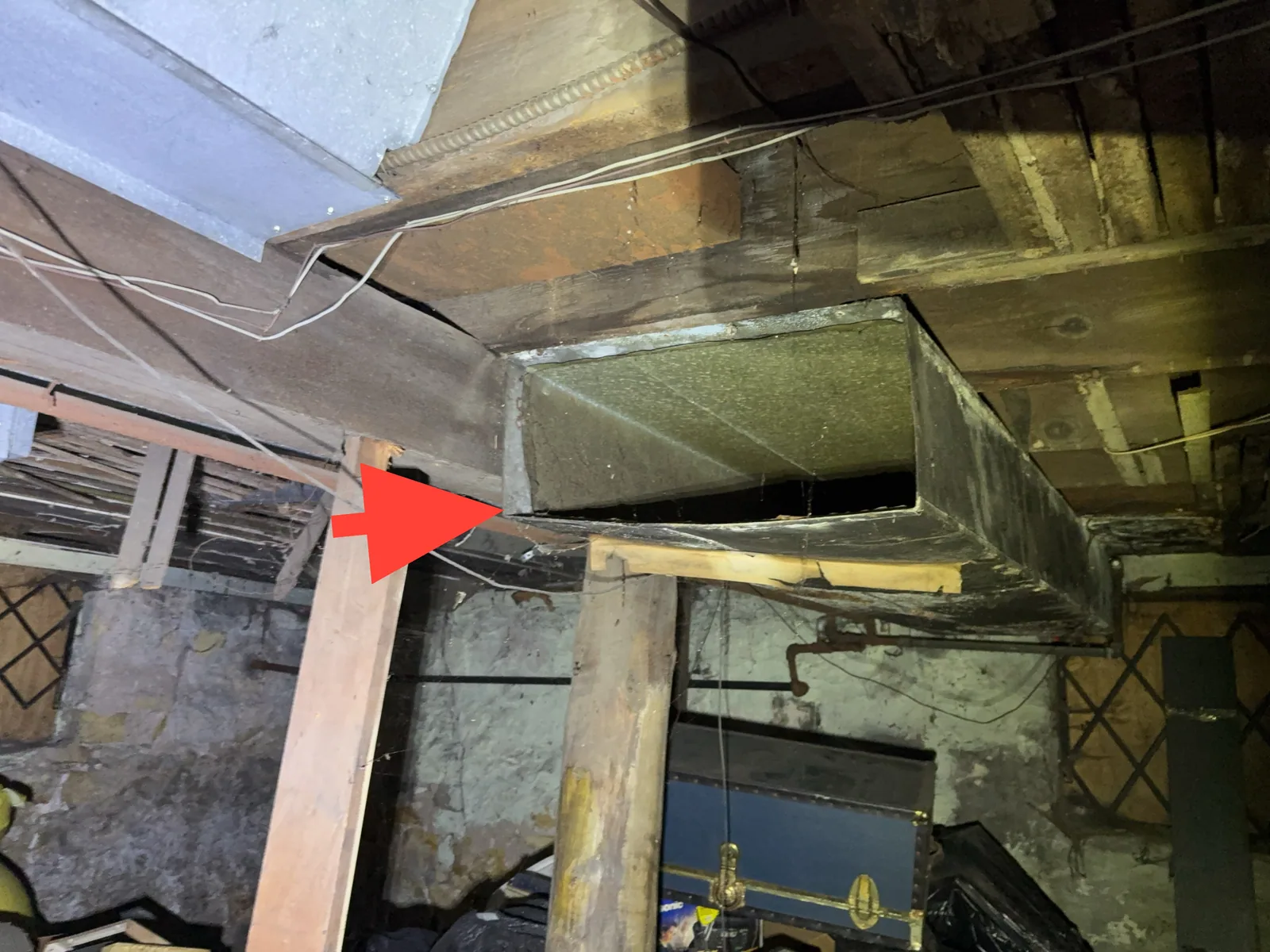
Supply Duct – Open and Disconnected
A section of supply ductwork in the basement is open-ended and disconnected. Conditioned air escapes into the basement instead of reaching the rooms, and the open duct pulls dust and unconditioned basement air into the system. A qualified HVAC technician should reconnect, seal, or remove the ductwork.
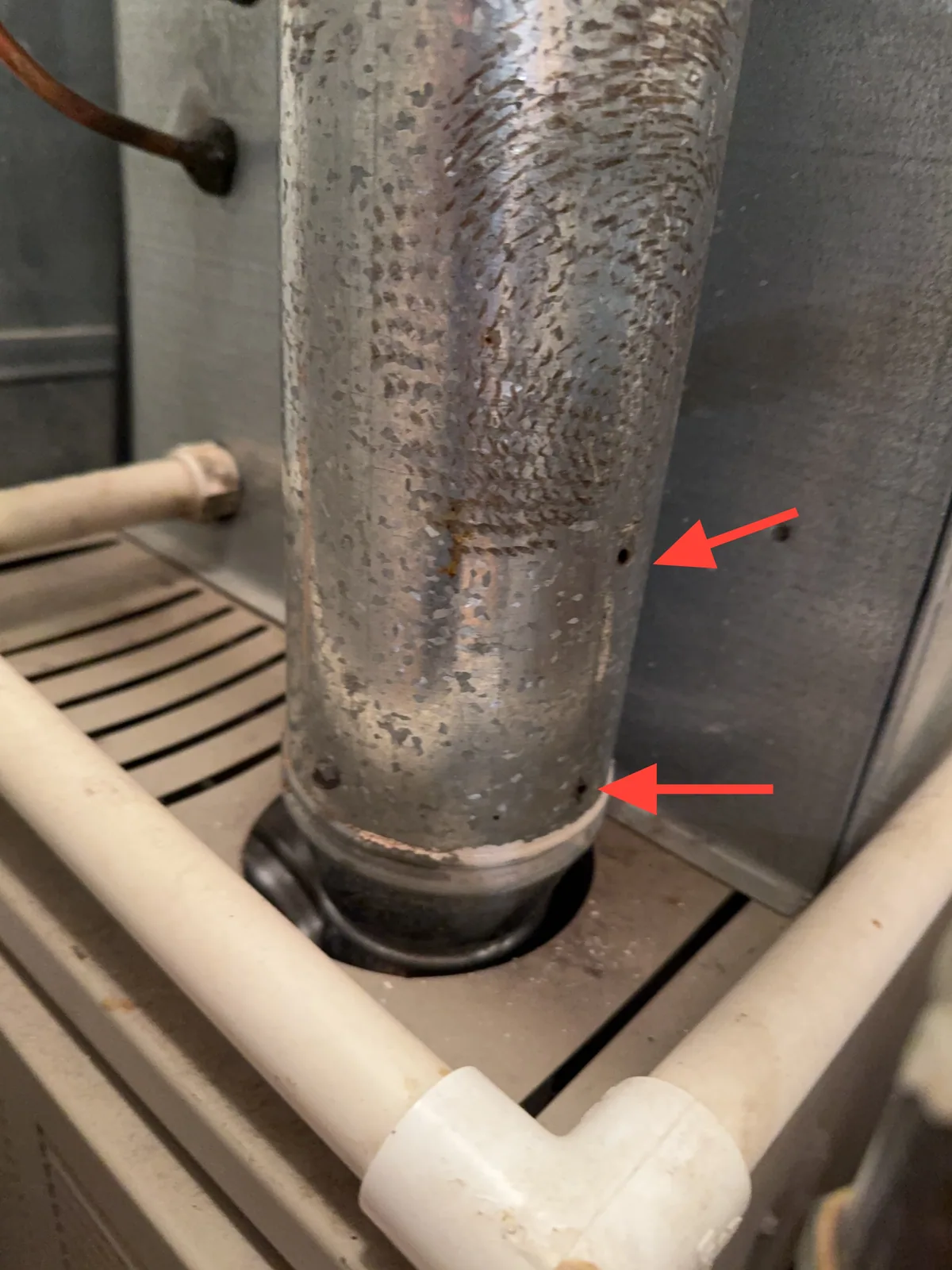
Furnace Vent – Holes in the Flue
Several holes were observed in the furnace vent. A breached flue lets combustion gases escape into the space around the furnace rather than carrying them outside, which is a safety concern. A qualified HVAC contractor should repair or replace the vent.
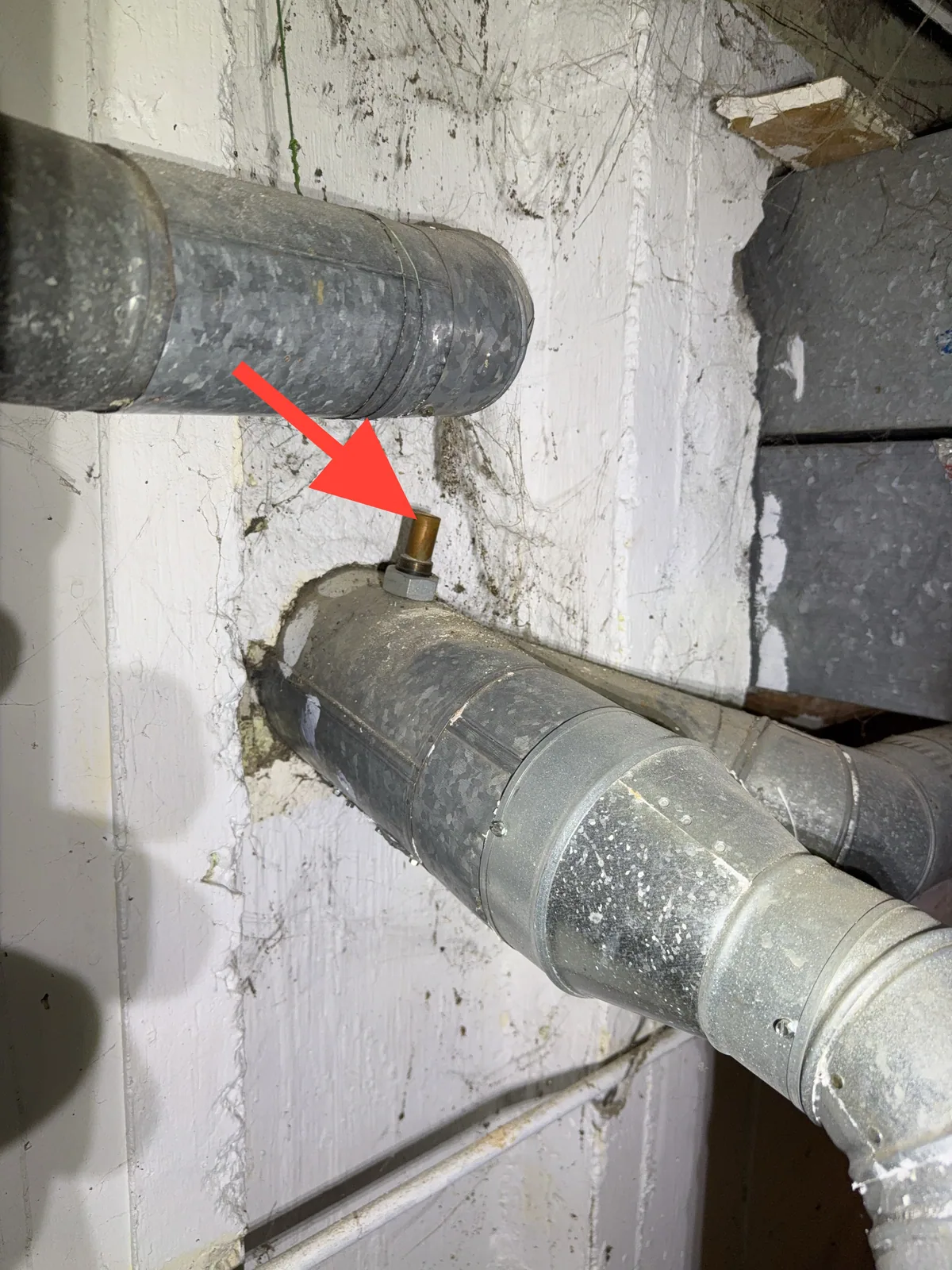
Furnace Vent – Unsealed Penetration at the Chimney
A copper pipe stub protrudes at the chimney penetration where the furnace vent connectors enter, and its purpose could not be determined. An unsealed or abandoned opening at a vent connection can let flue gases escape into the living space. A qualified HVAC technician should seal or remove it.
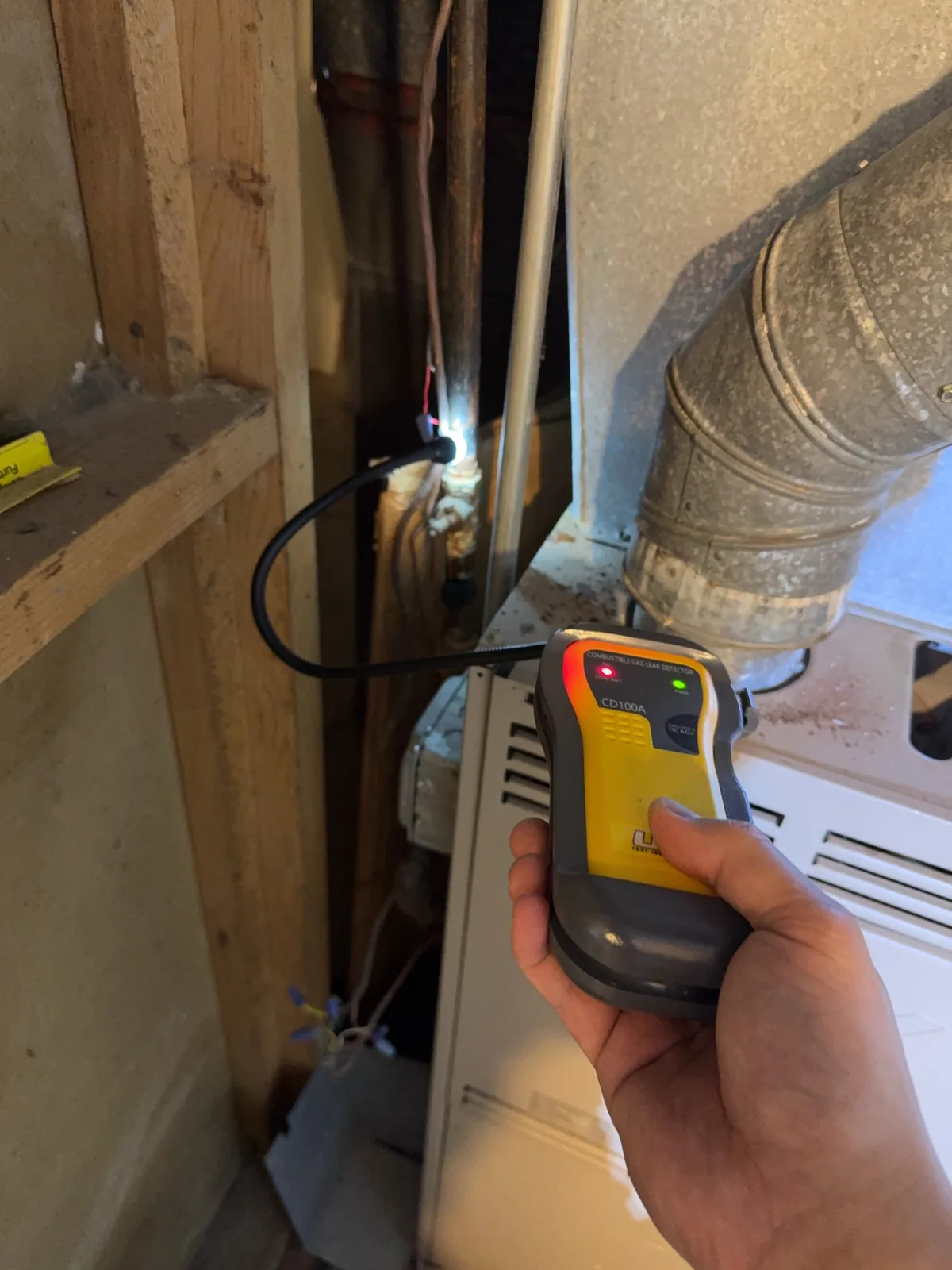
Furnace – Gas Detected at the Piping Connections
A combustible gas detector indicated gas at the piping connections serving the furnace. A leak in an enclosed mechanical area lets gas accumulate and presents a fire and explosion hazard. A qualified heating contractor or the gas utility should evaluate and repair this promptly.