Buying your first townhouse in Chicago can feel overwhelming when you want to avoid costly surprises after closing. Every potential buyer faces the challenge of understanding inspection needs and key concerns that affect your safety and investment. A methodical approach to inspections gives you the confidence to spot code violations, structural issues, and hidden repair needs, while smart use of seller pre-listing inspections can strengthen your negotiation position.
Table of Contents
- Step 1: Assess Inspection Needs And Identify Key Concerns
- Step 2: Select A Licensed Chicago Home Inspector
- Step 3: Prepare Townhouse For Inspection Day
- Step 4: Review Inspection Findings And Test For Issues
- Step 5: Leverage Inspection Results For Negotiation
Step 1: Assess inspection needs and identify key concerns
When purchasing a townhouse in Chicago, understanding your inspection requirements is crucial for a safe and informed investment. Your goal is to pinpoint potential structural, safety, and compliance issues before finalizing the purchase.
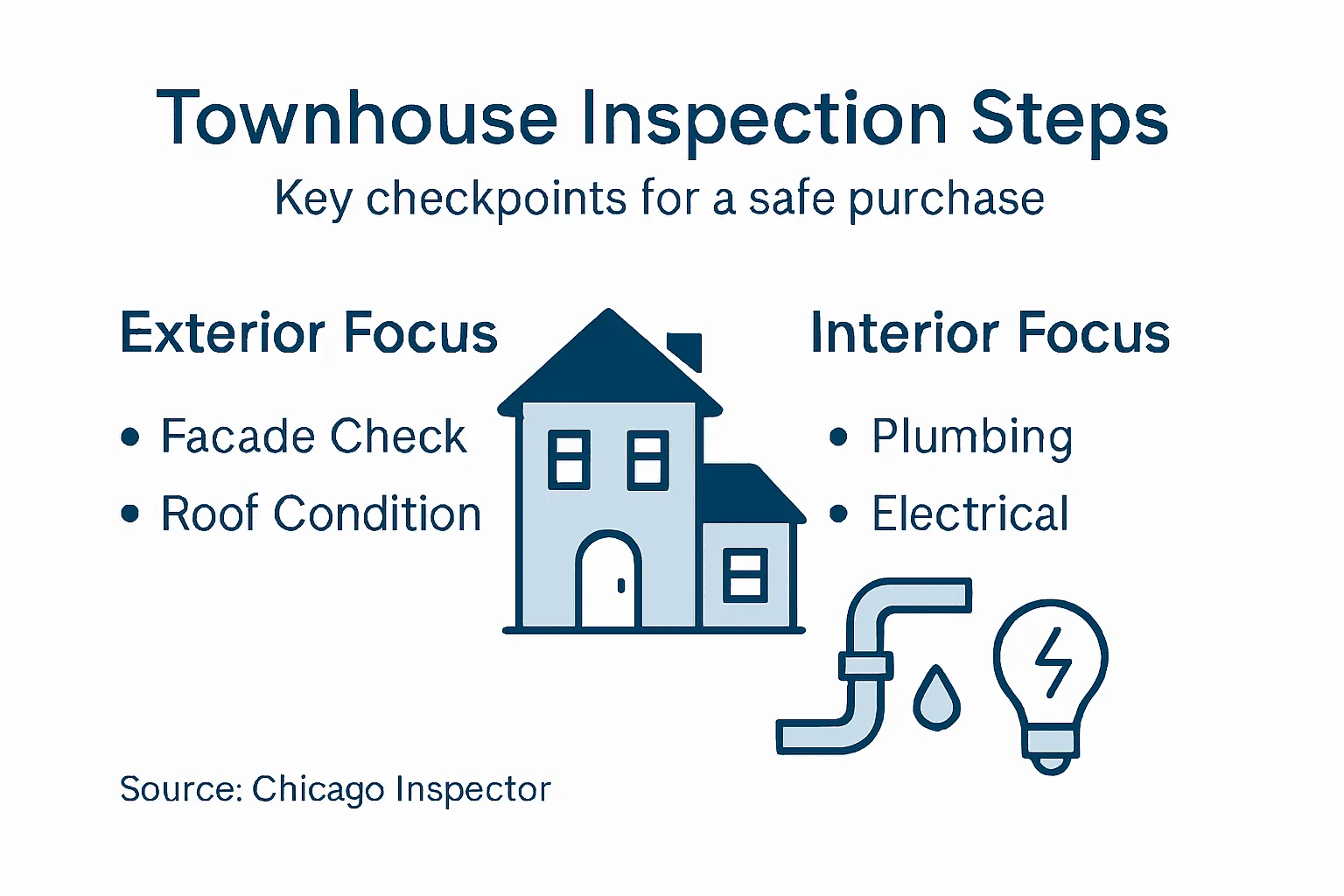
The first step involves conducting a comprehensive assessment of the townhouse’s key areas. Chicago has specific municipal regulations that townhouse inspections must address. You’ll want to focus on several critical components:
- Structural integrity of the building frame
- Plumbing and electrical systems
- Compliance with Chicago Municipal Code standards
- Heating and cooling functionality
- Foundation and exterior wall conditions
Your inspection should methodically evaluate each system, looking for signs of wear, potential safety hazards, or code violations. Pay special attention to older townhouses in neighborhoods like Bucktown or Lincoln Park, where historic structures might require more extensive assessment.
Here’s a comparison of common inspection issues and their potential impact on your Chicago townhouse investment:
| Inspection Issue | Possible Impact | Typical Solution |
|---|---|---|
| Structural damage | Reduced property value | Hire licensed contractor |
| Outdated electrical | Safety risks | Full system upgrade |
| Plumbing leaks | Mold or water damage | Replace affected sections |
| Foundation cracks | Long-term instability | Professional foundation repair |
| Code violations | Legal complications | Correct to meet standards |
When working with a professional inspector, provide them with comprehensive access to all areas of the property. Be prepared to ask detailed questions about the townhouse’s condition and potential repair needs.
Thorough inspections can save you thousands in potential repair costs and prevent unexpected issues after purchase.
Pro Tip: Request documentation of previous inspections and maintenance records to gain deeper insights into the townhouse’s history and potential problem areas.
Step 2: Select a licensed Chicago home inspector
Choosing the right home inspector is a critical step in your townhouse purchase journey. Your goal is to find a professional who can thoroughly evaluate the property and identify potential issues before you invest.
To ensure you select a qualified inspector, start by verifying their credentials. Illinois requires home inspectors to meet specific professional standards, so check inspector licensing status through the Illinois Department of Financial and Professional Regulation (IDFPR). Key considerations include:
- Professional certification from recognized organizations
- Valid state licensing
- Minimum required continuing education
- Experience with Chicago townhouse inspections
- Membership in professional inspection associations
When interviewing potential inspectors, ask detailed questions about their background and approach. Request samples of their inspection reports and inquire about their specific experience with townhouses in Chicago neighborhoods like Lincoln Park or Wicker Park.
A thorough inspector will provide comprehensive insights that could save you thousands in potential future repair costs.
Prioritize inspectors who demonstrate deep knowledge of local building codes and Chicago-specific housing characteristics. Their familiarity with municipal regulations can provide critical insights into the townhouse’s condition and potential compliance issues.
Pro Tip: Request references from recent townhouse inspections and verify the inspector’s professional liability insurance to protect your investment.
Step 3: Prepare townhouse for inspection day
Preparing your Chicago townhouse for a professional inspection is crucial to ensuring a smooth and comprehensive evaluation. Your goal is to create optimal conditions that allow the inspector to thoroughly assess the property’s condition and potential issues.
Start by reviewing the home inspection checklist to understand what areas will be examined. Key preparation steps include:
- Clear access to electrical panels, attic spaces, and mechanical systems
- Ensure all utilities are functioning and turned on
- Test and replace batteries in smoke and carbon monoxide detectors
- Remove items blocking access to walls, crawl spaces, and major appliances
- Document and organize any previous repair records
In Chicago’s diverse neighborhoods like Wicker Park or Lincoln Park, townhouses often have unique architectural features that require special attention. Make sure hidden areas like radiators, window wells, and basement access points are easily accessible for the inspector.
A well-prepared townhouse can significantly expedite the inspection process and provide more accurate insights into the property’s condition.
Consider scheduling the inspection when the property is vacant to minimize distractions and allow the inspector complete freedom of movement. Have all relevant documentation ready, including recent repair receipts, renovation permits, and maintenance records.
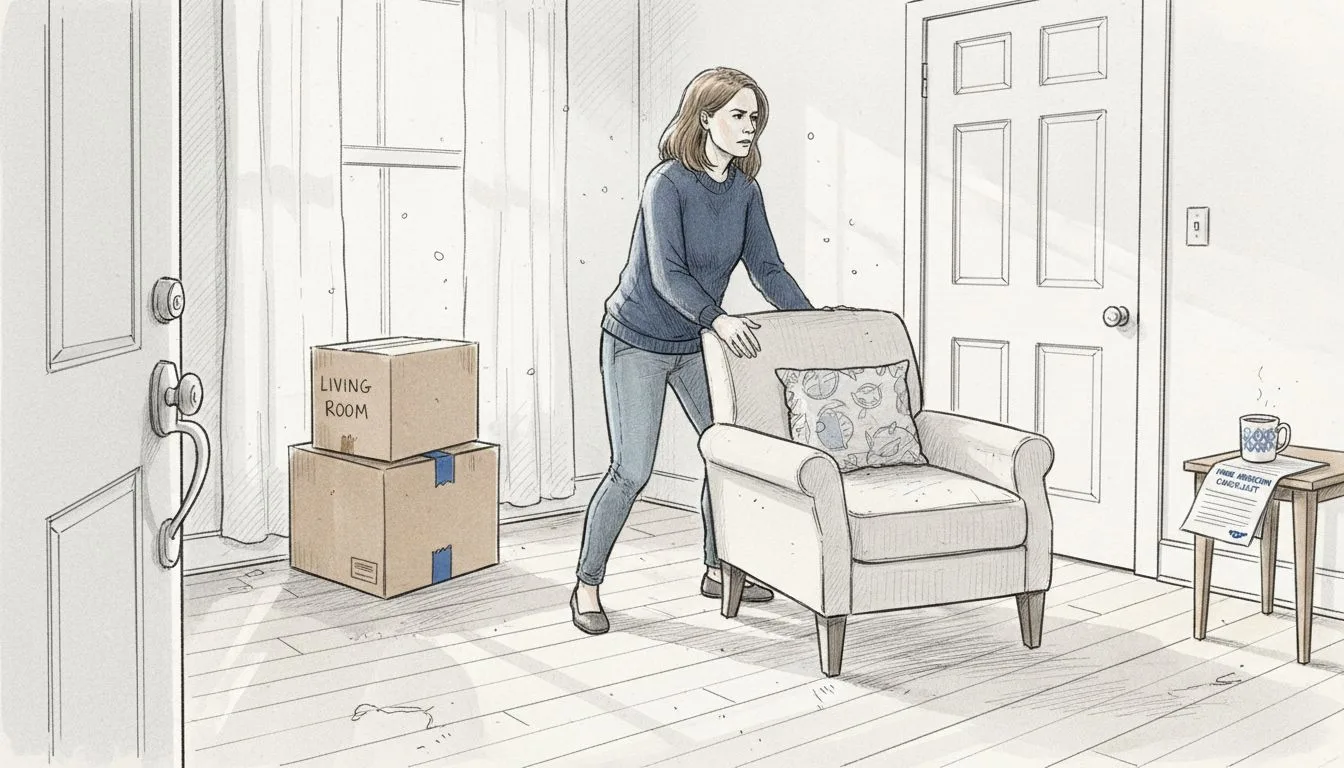
Pro Tip: Create a “path of least resistance” by temporarily moving furniture and storing personal items to give the inspector unobstructed access to critical inspection areas.
Step 4: Review inspection findings and test for issues
After the home inspection, carefully reviewing the detailed report is crucial for understanding your potential townhouse investment. Your primary goal is to comprehensively assess any identified problems and determine their impact on the property’s value and your future living conditions.
Analyzing inspection report samples will help you understand the critical details and technical language used by professional inspectors. Key areas to focus on include:
- Structural deficiencies that could compromise safety
- Mechanical system performance and potential repair needs
- Electrical and plumbing system conditions
- Signs of water damage or moisture intrusion
- Potential code violations or compliance issues
In Chicago’s diverse neighborhoods, townhouses often have unique architectural characteristics that require specialized evaluation. Pay close attention to how local building standards and historical preservation requirements might impact the inspection findings.
Some inspection findings might seem minor, but could indicate larger underlying issues that require immediate professional attention.
Consider hiring specialized contractors to provide secondary assessments for complex issues identified in the report. This additional expertise can help you understand the full scope and potential costs of recommended repairs.
Pro Tip: Create a prioritized repair list categorizing issues by urgency and estimated cost to develop a strategic approach to addressing the townhouse’s maintenance needs.
Step 5: Leverage inspection results for negotiation
After receiving your townhouse inspection report, you have a strategic opportunity to negotiate repairs, price adjustments, or credits based on the identified issues. Understanding how to effectively use these findings can potentially save you thousands of dollars and ensure a fair transaction.
Submitting buyer’s corrective proposals requires a calculated and professional approach. Your negotiation strategy should focus on these key elements:
- Prioritize major structural concerns
- Calculate repair cost estimates
- Request seller credits or price reductions
- Propose specific repair recommendations
- Maintain professional and collaborative communication
In Chicago’s competitive real estate market, your approach matters. Some defects might be negotiable, while others could be deal-breakers. Concentrate on issues that impact the townhouse’s safety, functionality, and long-term value.
Here’s a quick summary of negotiation strategies and their expected outcomes after an inspection:
| Negotiation Strategy | Buyer Benefit | Seller Benefit |
|---|---|---|
| Request price reduction | Immediate cost savings | Faster sale |
| Ask for repair credits | Flexible use of funds | Less upfront repair hassle |
| Require seller repairs | Move-in ready property | Higher final sale price |
| Walk away option | Protects investment | Maintains property value |
Effective negotiation is about finding mutual solutions that protect both the buyer’s and seller’s interests.
Consider getting independent contractor quotes to substantiate your repair requests. These professional estimates provide concrete evidence to support your negotiation position and demonstrate the financial impact of the identified issues.
Pro Tip: Be prepared to walk away if the inspection reveals significant problems that the seller is unwilling to address, as protecting your investment is more important than forcing a problematic purchase.
Secure Your Chicago Townhouse Investment with Expert Inspections
Purchasing a townhouse in Chicago demands careful attention to every detail from structural integrity to code compliance. The challenge lies in identifying hidden issues like foundation cracks or outdated electrical systems before you commit. If thorough evaluation and peace of mind are your goals this step-by-step guide highlights, trust only qualified professionals who understand the unique challenges of Chicago homes.
Our team at Chicago Home Inspector offers licensed, InterNACHI certified inspections tailored to your needs. From buyer pre-purchase inspections to specialized mold and radon testing we empower you with clear, detailed reports that turn complex home conditions into simple decisions. Don’t leave your biggest investment to chance.
Take control today. Visit Buyer Pre-Purchase Inspections and schedule your comprehensive inspection. Protect your future and negotiate confidently with expert insights specific to Chicago townhouses.
Frequently Asked Questions
What are the key areas to focus on during a townhouse inspection in Chicago?
To ensure a thorough inspection, focus on structural integrity, plumbing and electrical systems, compliance with local building codes, and heating and cooling functionality. Prepare a checklist to guide your inspector through these critical components to avoid overlooking potential issues.
How can I select a qualified home inspector for my townhouse in Chicago?
Choose a licensed home inspector with a valid state license, professional certification, and experience specific to Chicago townhouses. Request samples of past inspection reports and verify their membership in professional associations to ensure you receive a thorough evaluation.
What steps should I take to prepare my townhouse for the inspection day?
Prepare your townhouse by clearing access to critical areas like electrical panels, attics, and mechanical systems. Arrange for all utilities to be on and functioning, and remove any items blocking access to walls and appliances to facilitate a smooth inspection process.
How do I review the inspection findings and identify potential issues?
Carefully analyze your inspection report, focusing on structural deficiencies, mechanical system conditions, and any identified electrical or plumbing issues. Create a prioritized list of repair needs to help you understand necessary actions and estimated costs for resolving any problems.
How can I leverage inspection results to negotiate with the seller?
Use the findings from your inspection to negotiate repairs, price reductions, or credits from the seller. Present a clear proposal outlining major concerns and supporting repair cost estimates to strengthen your position during negotiations.
What should I do if significant issues are found during the inspection?
If serious issues are identified, consider hiring specialized contractors for further evaluations and repairs. Be prepared to walk away from the purchase if the seller is unwilling to address critical problems that impact the property’s safety and value.
Recommended
- End of Inspection Checklist: Essential Steps for Home Buyers | Chicago Home Inspect LLC
- How to Prepare for Home Inspection: Complete Guide for Sellers | Chicago Home Inspect LLC
- Step by Step Home Inspection for Chicagoland Buyers | Chicago Home Inspect LLC
- Pre-Purchase Inspections with Home Inspectors in Chicago
- Checklista säkerhetsdörr: Så väljer du rätt och säkrar hemmet