
Over 25 percent of heating and cooling energy gets wasted through poorly sealed windows in many Chicago homes. That draft you feel by the window is more than just a minor annoyance. These hidden air leaks can drive up your utility bills and leave your living space feeling uncomfortable year round. Learning how and where window air leaks happen puts you in control of your home’s comfort and energy costs, helping you find practical solutions that make a real difference.
Table of Contents
- Understanding Window Air Leaks And Their Impact
- Types Of Air Leaks And How To Identify Them
- DIY Window Sealing: Methods, Materials, And Challenges
- Professional Window Sealing Services Explained
- Comparing Costs, Risks, And Long-Term Results
Key Takeaways
| Point | Details |
|---|---|
| Impact of Air Leaks | Window air leaks significantly increase heating and cooling costs, reduce comfort, and can lead to moisture issues. |
| Detection Techniques | Effective leak detection includes visual inspections and the incense stick test, while professional services offer comprehensive assessments with blower door testing. |
| DIY vs. Professional | DIY sealing can be cost-effective but carries risks of errors; professional services provide precision and long-term warranties. |
| Energy Efficiency Benefits | Proper sealing can lead to a 15% reduction in energy costs and improved overall home comfort, making it a valuable investment for homeowners. |
Understanding Window Air Leaks and Their Impact
If you’ve ever felt a chilly draft while sitting near a window in your Chicago home, you’ve experienced window air leaks firsthand. These seemingly minor openings can create significant problems for homeowners, impacting both comfort and energy efficiency. Attic Insulation & Air Sealing Tips for Chicago Homes can help you understand how these leaks affect your living space.
According to Energy.gov, air leakage occurs when outside air enters and conditioned air leaves your house uncontrollably through cracks and openings. This unintended air exchange can lead to substantial consequences:
- Increased heating and cooling costs
- Reduced indoor comfort
- Potential moisture problems affecting health and structural integrity
- Inconsistent temperature regulation throughout your home
Windows are particularly vulnerable points for air infiltration. As National Park Service research indicates, air infiltration happens through tiny gaps around window frames, weatherstripping, and seals. In older Chicago homes, where original windows might have decades of wear, these leaks can be even more pronounced. A single poorly sealed window can compromise your entire home’s thermal envelope, making your heating and cooling systems work overtime.
Understanding the impact of window air leaks is the first step toward creating a more comfortable, energy-efficient living space. By identifying and addressing these openings, you can significantly improve your home’s performance and potentially save hundreds of dollars annually on energy costs.
Types of Air Leaks and How to Identify Them
For Chicago homeowners, understanding window air leak types is crucial to maintaining home comfort and energy efficiency. Can’t Find Water Leak? Hidden Leak Detection Guide highlights the importance of thorough home inspections, which apply equally to air leak detection.
According to Energy.gov, air leaks can occur in numerous unexpected locations throughout your home. Common problematic areas include:
- Exterior corners
- Outdoor water faucets
- Where siding and chimneys intersect
- Foundation and exterior brick or siding junctions
Research from the National Renewable Energy Laboratory provides an extensive list of potential air leak sources. These include:
- Dropped ceilings
- Recessed lighting fixtures
- Attic entrances
- Sill plates
- Water and furnace flues
- Heating and cooling ducts
- Door and window frames
- Electrical outlets and switches
- Plumbing and utility access points
To identify these sneaky air leaks, professionals recommend two primary detection methods. The first involves a visual inspection, carefully examining potential problem areas for visible gaps or cracks. The second method, recommended by energy experts, is the incense stick test: on a cool, windy day, hold a lit incense stick near suspected leak points. If the smoke wavers or gets pulled in a specific direction, you’ve likely found an air leak.
For Chicago homeowners dealing with older properties or extreme temperature variations, professional leak detection can be a game-changer. While DIY methods are helpful, a comprehensive assessment can uncover hidden issues that might be costing you significant energy and comfort.
DIY Window Sealing: Methods, Materials, and Challenges
For Chicago homeowners looking to improve their home’s energy efficiency, DIY window sealing can be a cost-effective solution. Attic Insulation & Air Sealing Tips for Chicago Homes provides valuable insights into home weatherization techniques that complement window sealing efforts.
According to Energy.gov, effective DIY window sealing involves two primary techniques:
- Caulking for stationary joints
- Weatherstripping for movable window components
The most common materials for these DIY repairs include:
- Silicone caulk
- Latex caulk
- Foam weatherstripping
- Rubber weatherstripping
- Vinyl weatherstripping
Research from the National Park Service emphasizes that while these low-cost improvements can significantly reduce air infiltration, homeowners must exercise caution. The key challenge is ensuring that sealing methods do not compromise the window’s functionality or damage historical architectural elements, especially in older Chicago homes.
Potential challenges for DIY window sealing include:
- Maintaining proper home ventilation
- Selecting the right materials for specific window types
- Ensuring a clean, smooth application
- Avoiding over-sealing that might prevent window operation
- Matching sealing techniques to different window ages and styles
While DIY methods can be effective, Chicago homeowners with complex window systems or historic properties might find professional assessment more reliable. The goal is not just to seal air leaks, but to do so without creating new problems or compromising your home’s unique characteristics.
Professional Window Sealing Services Explained
For Chicago homeowners seeking comprehensive window air leak solutions, professional window sealing services offer a sophisticated approach beyond typical DIY methods. 7 Winter Prep in Chicago: Hidden Maintenance Tasks Most Homeowners Miss highlights the importance of professional home maintenance strategies.
According to Energy.gov, professional window sealing services typically involve sophisticated diagnostic techniques, with blower door tests being a primary assessment method. These comprehensive evaluations allow technicians to:
- Precisely measure air leakage rates
- Identify specific areas requiring targeted sealing
- Create a customized air sealing strategy
- Quantify potential energy efficiency improvements
Research from the Environmental Protection Agency emphasizes that professional services go beyond simple air leak detection. These experts carefully balance air sealing with critical indoor air quality considerations, ensuring that:
- Ventilation systems remain functional
- Potential indoor pollutant accumulation is prevented
- Comprehensive home performance is optimized
Professional window sealing services in Chicago typically include advanced techniques such as:
- Infrared thermal imaging
- Comprehensive building envelope analysis
- Specialized weatherstripping installation
- Advanced caulking and sealant applications
- Precision air infiltration measurement
While DIY methods have their place, professional services provide a scientific, data-driven approach to window air sealing. For Chicago homeowners dealing with extreme temperature variations and older home architectures, this level of expertise can make a significant difference in home comfort and energy efficiency.
Comparing Costs, Risks, and Long-Term Results
For Chicago homeowners weighing window air sealing options, understanding the financial and performance implications is crucial. Attic Insulation & Air Sealing Tips for Chicago Homes provides valuable insights into comprehensive home energy optimization.
According to Energy Star, homeowners can achieve substantial benefits through strategic air sealing. The potential financial and comfort advantages include:
- Average 15% reduction in heating and cooling costs
- Enhanced indoor temperature consistency
- Improved overall home energy efficiency
- Reduced strain on HVAC systems
Research from the U.S. Department of Energy reveals that windows play a critical role in home energy performance. Heat gain and loss through windows account for 25%–30% of residential heating and cooling energy use, making window sealing a strategic investment.
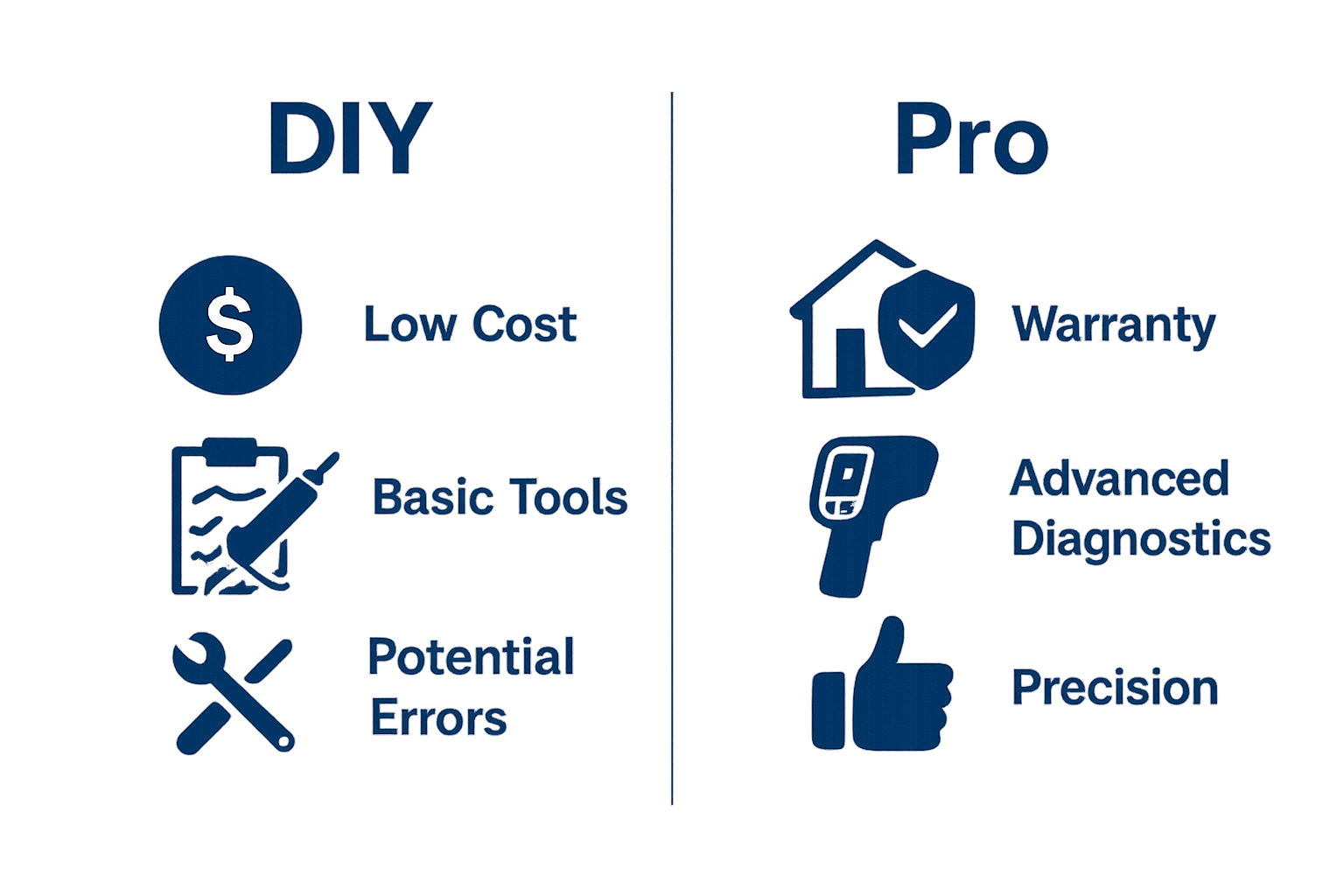
A comprehensive cost comparison between DIY and professional window sealing reveals several key considerations:
Here’s how DIY and professional window sealing approaches compare for Chicago homeowners:
| Aspect | DIY Window Sealing | Professional Window Sealing |
|---|---|---|
| Upfront Cost | Low | Higher |
| Precision | Moderate | High |
| Diagnostic Methods | Visual inspection Incense test | Blower door test Thermal imaging |
| Risk of Errors | Higher | Lower |
| Long-Term Warranty | Minimal | Often included |
| Best For | Simple repairs Small budgets | Older homes Complex issues |
DIY Approach:
- Lower upfront costs
- Limited precision
- Higher potential for errors
- Minimal long-term warranty
Professional Approach:
- Higher initial investment
- Precise, comprehensive sealing
- Professional diagnostic techniques
- Potential long-term performance guarantees
For Chicago homeowners, the decision ultimately depends on individual home characteristics, budget, and energy efficiency goals. While professional services might seem more expensive initially, the long-term energy savings and improved home comfort can offset the upfront costs significantly.
Take Control of Your Home Comfort by Sealing Window Air Leaks
If cold drafts near your windows are making your Chicago home uncomfortable and driving up your energy bills, you are not alone. The challenge of identifying and properly sealing window air leaks requires more than just basic DIY fixes. The article highlights key issues like poor sealing around window frames and the risks of improper materials or methods. These problems can lead to wasted energy and constant discomfort.
Don’t let hidden air leaks cost you more this season. Our licensed and insured team at Chicago Home Inspector offers professional inspections that use advanced diagnostic tools to pinpoint exact leak locations and provide trusted recommendations. Whether you want a thorough evaluation to guide your next DIY project or a professional solution to complex sealing problems, we are here to help.
Start your journey toward a warmer and more energy-efficient home today with a comprehensive home inspection. Get peace of mind knowing your windows and home envelope are properly assessed. Schedule your inspection now before winter hits and save on costly energy losses by acting early.
Frequently Asked Questions
What are the signs of window air leaks?
You may notice chilly drafts, increased heating and cooling costs, inconsistent indoor temperatures, or moisture issues, all of which indicate potential window air leaks.
What are the best methods for DIY window sealing?
The primary DIY sealing methods include caulking for stationary joints and weatherstripping for movable components. Common materials involve silicone or latex caulk, and various types of weatherstripping.
How can I effectively identify air leaks around my windows?
Two effective methods for identifying air leaks are visual inspections for gaps and cracks, and the incense stick test, where you hold a lit stick near potential leak points to observe any smoke movement.
What are the benefits of hiring a professional for window sealing?
Professional services offer precise diagnostic methods like blower door tests and thermal imaging, ensuring comprehensive sealing. They also help prevent indoor air quality issues and may provide long-term warranties on their work.
Recommended
- Attic Insulation & Air Sealing Tips for Chicago Homes
- 7 Winter Prep in Chicago: Hidden Maintenance Tasks Most Homeowners Miss | Chicago Home Inspect LLC
- Understanding If A Freon Leak In Your Home Is Dangerous | Chicago Home Inspect LLC
- How Poor Utility Room Ventilation Puts You at Risk | Chicago Home Inspect LLC
- The 7 Most Common Roof Leaks | Causes & How to Repair – Liberty Roofworks